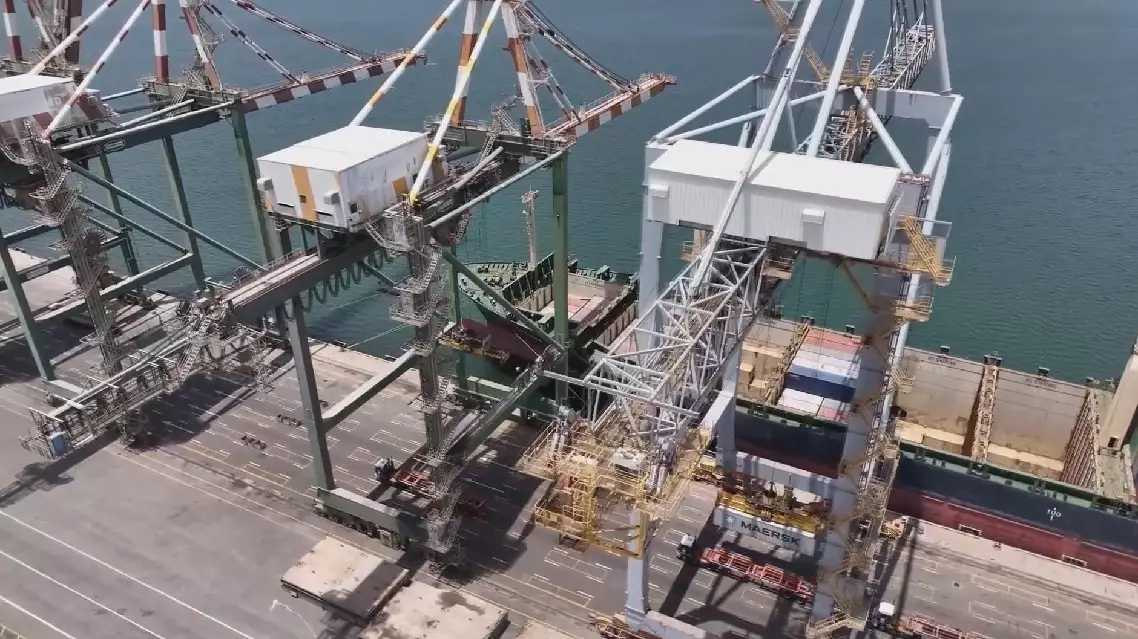
Recent clashes between Yemen's Houthis and the Saudi-led coalition and Yemeni government forces have heightened risks to commercial shipping in the Red Sea, which could disrupt global oil supplies.
Fears are growing that the new round of fighting could undo months of fragile peace talks and turn the momentum of diplomatic efforts back into uncertainty on the battlefield.
"The peace process has reached a total impasse, and the political file is effectively closed. We are now facing a decisive military escalation, highlighted by official mobilization calls, including one from Rashad Mohammed Al-Alimi, chairman of the Presidential Leadership Council of Yemen, and intensifying clashes across multiple frontlines, particularly around the outskirts of Taiz," said Dalil Al-Maamari, a political analyst in Yemen's Aden.
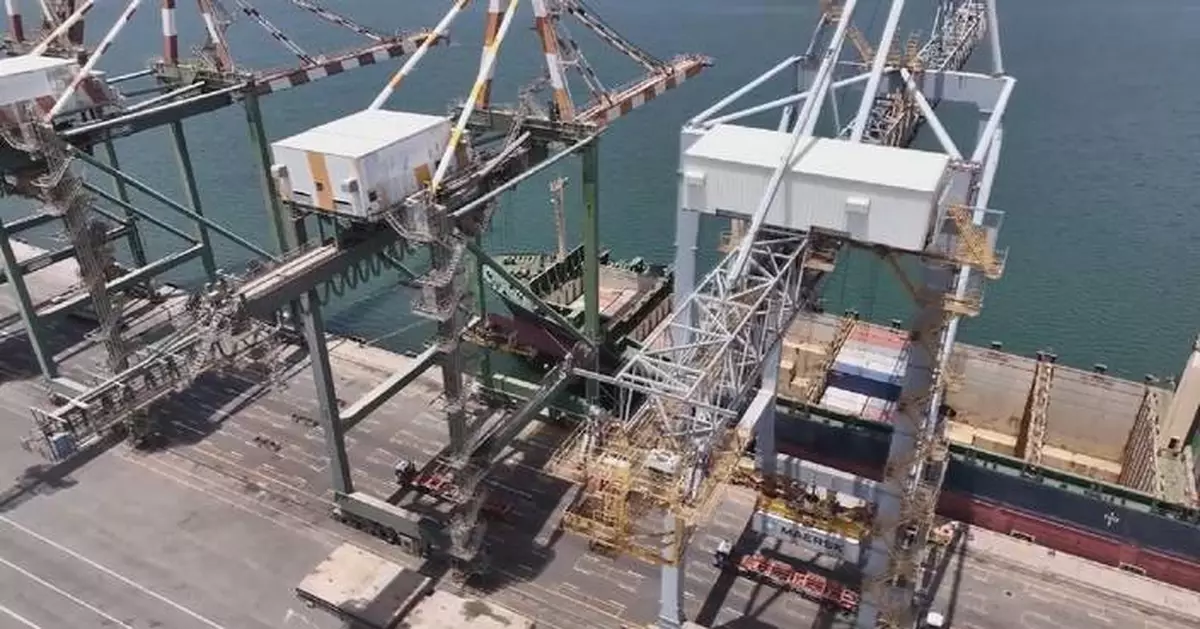
With the main fighting taking place near key corridors linking land routes to the southern Red Sea and the Bab el-Mandeb Strait, threats to sea traffic are mounting fast.
Shipping companies face higher insurance costs and longer routes. On land, keeping fuel supplies moving through volatile corridors is becoming increasingly difficult.
"Freight and insurance costs have risen due to delays in vessel arrivals, leading to a 3 to 7 percent increase in shipping rates. This is primarily caused by unsafe maritime routes and the disruption of commercial traffic connecting Yemen, neighboring states, and global trade corridors," said Abdulwali Jahlan, director of Public Services at Yemen's Ministry of Oil and Minerals.
With vital supply lines under pressure, experts said that securing global energy trade requires calm on the ground.
Renewed fighting in Yemen casts mounting uncertainty over global shipping, oil supplies
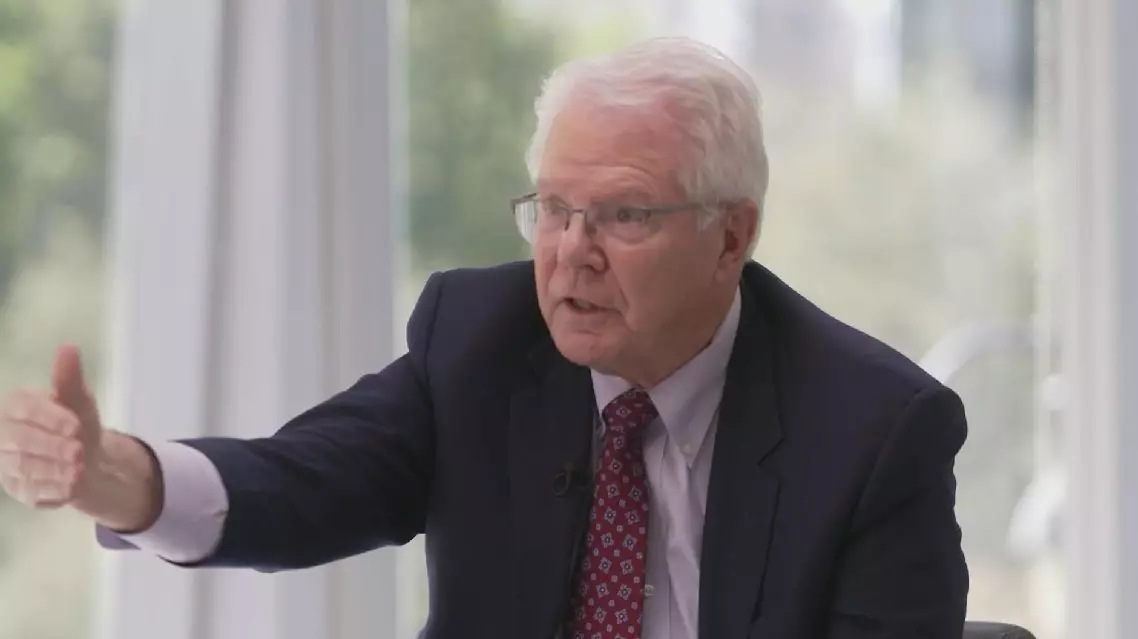
China and the United States should capitalize on the current window of opportunity in bilateral relations to build momentum and prevent progress from slipping, said David Lampton, former president of the National Committee on U.S.-China Relations.
Chinese President Xi Jinping recently concluded a state visit to the U.S. at the invitation of U.S. President Donald Trump. The two heads of state agreed to build a constructive relationship of strategic stability based on respect, fairness and reciprocity.
The visit comes just months after Trump's China trip in May. The exchange of visits between the two heads of state within six months is considered to be of historic and milestone significance by many analysts.
In an interview with China Global Television Network (CGTN), Lampton quoted a famous 1938 treatise by late Chinese leader Mao Zedong, emphasizing the need to build confidence to seize the opportunity in China-U.S. relations created by the head-of-state diplomacy.
"I was thinking about this Mao Zedong's 1938 'On Protracted War,' and it was in three phases. The first was strategic retreat, then consolidation and then strategic advance. And I think there are people in both our societies that see this current discussion and detente or whatever we might call it, as a pause before strategic advance," he said.
"And so we need to, I think, build confidence that we are not just catching our breath before confrontation, that we're catching our breath to seize opportunity. And I'm pretty sure not everybody in both our societies has that same expectation. And that's why I think window of opportunity, windows close. And I think we either move forward or we're going to move backwards, can't stay in the same place too long," said Lampton.
Expert urges China, US to seize window of opportunity to push bilateral ties forward