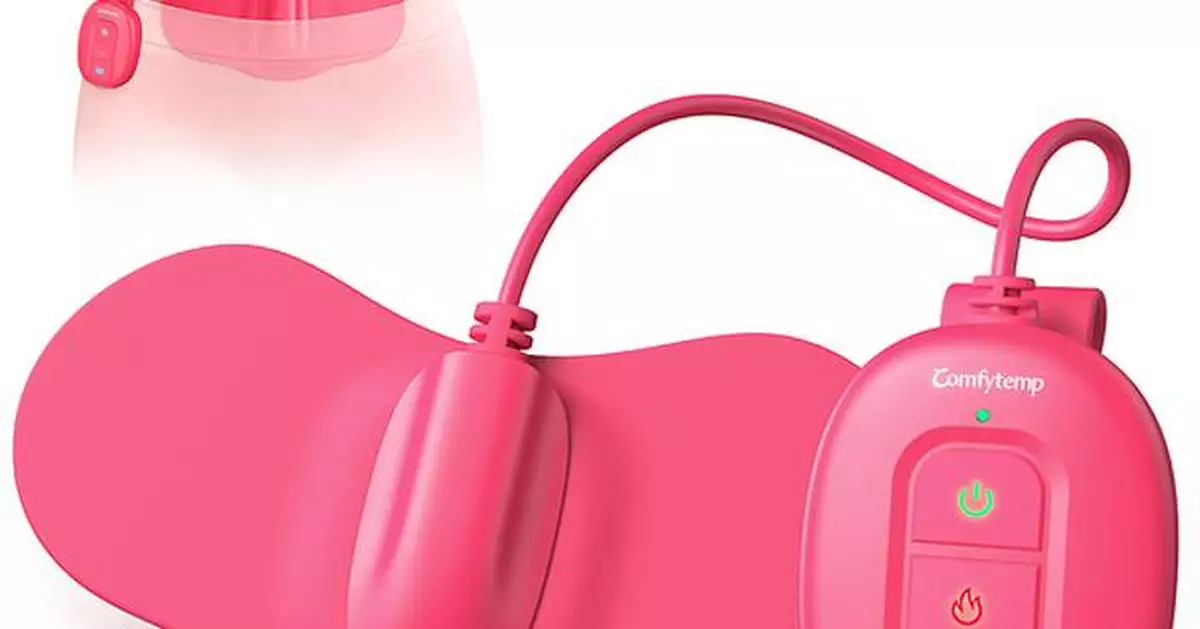
As women look for more convenient ways to manage period discomfort during their daily routines, Comfytemp introduces a new approach to menstrual comfort with the market's first electric heating patch.
LOS ANGELES, Sept. 30, 2026 /PRNewswire/ -- For millions of women, period cramps are a recurring part of everyday life. The discomfort can occur during work, school, travel, exercise, or other daily activities, making it difficult to rely on traditional comfort solutions that require users to stay in one place.
Heat has long been part of many women's personal routines for managing menstrual discomfort. Traditional heating pads can provide soothing warmth, but their larger size and dependence on an outlet can make them difficult to use outside the home. Disposable menstrual heating patches offer greater portability, but they are designed for one-time use.
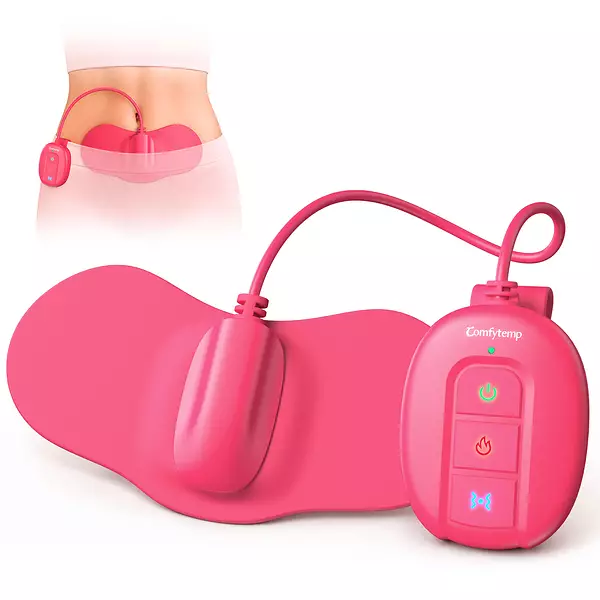
Recognizing the need for a more convenient option, Comfytemp, a consumer wellness brand focused on accessible home therapy technology, today announced the launch of its Electric Heating Patch, the market's first electric heating patch designed specifically with period comfort in mind.
The product combines targeted electric heat with a compact, wearable design, giving women another option for incorporating warmth into their daily routines during their periods.
Rethinking Heat for Period Comfort
For many women, managing period cramps is not simply about finding something that provides warmth. The bigger challenge is finding a solution that fits into everyday life.
A traditional heating pad can be useful when relaxing at home, but it can be difficult to use while working at a desk, commuting, traveling, or taking care of everyday responsibilities. Users may need to remain near an electrical outlet or stay in one position for an extended period.
Disposable heating patches address some of these limitations by allowing users to move around while receiving warmth. However, their single-use design means that a new patch is needed each time.
Comfytemp saw an opportunity to approach menstrual heat therapy differently.
Rather than adapting a traditional heating pad into a smaller format, the company developed an electric heating patch specifically around the needs of women who want portable, targeted warmth during their periods.
"We know that period discomfort doesn't always happen when you're at home with time to rest," said a spokesperson for Comfytemp. "Women may be working, traveling, studying, or simply going about their normal routines. We wanted to create a heating solution that could fit into those moments rather than asking women to change their routines around the product."
Designed Around Everyday Period Routines
Menstrual discomfort can be unpredictable. It can begin before a period, continue through the first few days, or appear at different times throughout the menstrual cycle.
For women who regularly incorporate heat into their personal comfort routines, convenience can therefore be just as important as warmth itself.
Comfytemp's Electric Heating Patch is designed to provide targeted warmth around areas commonly associated with menstrual discomfort, including the lower abdomen and lower back.
Its compact form is intended to make heat easier to incorporate into everyday activities. Women can use it while working, relaxing, traveling, or completing other daily routines where a traditional heating pad may be inconvenient.
The product is designed to offer an alternative to disposable warming patches while maintaining the portability that makes patches attractive in the first place.
Moving Beyond Disposable Heat Patches
Disposable heat patches have become a familiar option for women seeking portable warmth during their periods. Their convenience has made them particularly appealing for use outside the home.
However, the disposable nature of these products also means they are designed around short-term, single-use convenience.
Comfytemp's approach is different.
By introducing electric heating technology into a compact patch-style format, the company is creating a reusable alternative for women who want portable heat without relying on a new disposable patch for every use.
This approach reflects a broader shift in how consumers think about personal wellness products. Rather than choosing between convenience and reusability, consumers increasingly expect products to deliver both.
For Comfytemp, the goal was to apply that expectation to one of the most common everyday wellness needs: menstrual comfort.
A More Convenient Option for Life During Your Period
The challenge of period discomfort extends beyond the discomfort itself.
Women may still need to attend meetings, work long shifts, travel, attend classes, exercise, or manage household responsibilities while experiencing menstrual symptoms.
This is where portability becomes an important part of product design.
Traditional heating pads are generally associated with rest and relaxation. Comfytemp's Electric Heating Patch is designed for a different kind of use—bringing targeted warmth into situations where stopping what you're doing may not be an option.
The compact design allows the product to become part of a daily routine rather than requiring the routine to revolve around the heating device.
Whether used during a workday, while traveling, or at home, the Electric Heating Patch is designed to give women greater flexibility in how they incorporate heat into their period comfort routines.
Creating a New Approach to Menstrual Comfort
The launch of the Electric Heating Patch represents Comfytemp's continued focus on developing products around specific everyday consumer needs.
Rather than creating one-size-fits-all wellness products, the company continues to explore how familiar technologies can be redesigned around the way people actually live.
For menstrual comfort, that means looking beyond the traditional heating pad.
The Electric Heating Patch brings together the targeted warmth associated with heat therapy, the portability of a patch, and the convenience of an electric design in a product created specifically for women's period routines.
"We believe wellness products should fit naturally into people's lives," the Comfytemp spokesperson added. "For women dealing with period discomfort, that means having options that are convenient enough to use wherever their day takes them."
The Comfytemp Electric Heating Patch is now available through the company's official website.
For more information, visit:
Comfytemp Electric Heating Patch
About Comfytemp
Comfytemp is a consumer wellness brand focused on making home therapy technology more accessible, practical, and convenient for everyday use. The company's product portfolio includes heating therapy, cold therapy, TENS devices, red light therapy, air compression therapy, and other wellness solutions designed around real-life consumer needs.
By combining practical product design with accessible technology, Comfytemp continues to develop solutions that help consumers incorporate comfort and wellness into their everyday routines.
Media Contact:
Yuling Liu
Comfytemp
Email: yuling.liu@1caiweb.com
** This press release is distributed by PR Newswire through automated distribution system, for which the client assumes full responsibility. **
Comfytemp Launches the Market's First Electric Heating Patch for Period Cramps and Menstrual Comfort