BENTONVILLE, Ark.--(BUSINESS WIRE)--Sep 30, 2026--
For more than two decades, Walmart and Feeding America have worked together to help get food to people who need it. Today, as Feeding America estimates nearly 48 million people across the country experience food insecurity, and food banks work to keep pace with growing need, Walmart announced a new $15 million grant to Feeding America to help more families put food on the table by strengthening how food is rescued, moved and delivered through the charitable food system.
This press release features multimedia. View the full release here: https://www.businesswire.com/news/home/20260930161497/en/
Walmart stores and Sam’s Clubs are already a significant source of food for the Feeding America network, donating 769 million pounds of food in the U.S. in FY2026 alone. But getting available food from stores to families requires food banks and local agencies to have the people, equipment, storage, transportation and technology to safely rescue and distribute it.
The new investment will help build that capacity. A significant portion of the funding will go directly to food banks and local agencies to expand retail food rescue infrastructure and help them collect, store and distribute more nutritious food. The grant will also support technology and tools to help manage and move food more efficiently across the Feeding America network, as well as efforts to help improve food access for families across America.
Building on the success of similar capacity grants in which food banks have doubled the growth of retail food donation rates, Feeding America expects this investment to help their network rescue 500 million pounds of food over the next 18 months.
“Food banks and local agencies are pillars in their communities, and we know many are being asked to do more,” said Julie Gehrki, Senior Vice President, Philanthropy at Walmart. “Walmart stores and Sam’s Clubs donate millions of pounds of food every year, but getting that food to families depends on a strong network of food banks and local organizations. This investment is about helping give them more of the resources and tools they need to get food where it can do the most good.”
“At a time when neighbors are facing higher costs for food and other essentials, communities need every part of the food system working together” said Denis McDonough, CEO of Feeding America. “Walmart has been a longstanding and deeply committed partner in helping make nutritious food available to communities across the country. This investment will strengthen the people, infrastructure and technology needed to move more of that food where is needed the most, while helping families access critical nutrition support like SNAP. That is the kind of support this moment requires.”
The grant is the latest chapter in more than two decades of work between Walmart and Feeding America. Beyond food donations and direct investment, Walmart has helped bring customers and suppliers into the effort through Fight Hunger. Spark Change.
This year, the campaign helped generate more than $18 million, the equivalent of more than 180 million meals, from Walmart, customers, members and participating suppliers to Feeding America® and local network food banks. Since Fight Hunger. Spark Change. began in 2014, the campaign has helped secure more than 2.4 billion meals* for people facing hunger.
*$1 helps provide at least 10 meals secured by Feeding America® on behalf of local partner food banks.
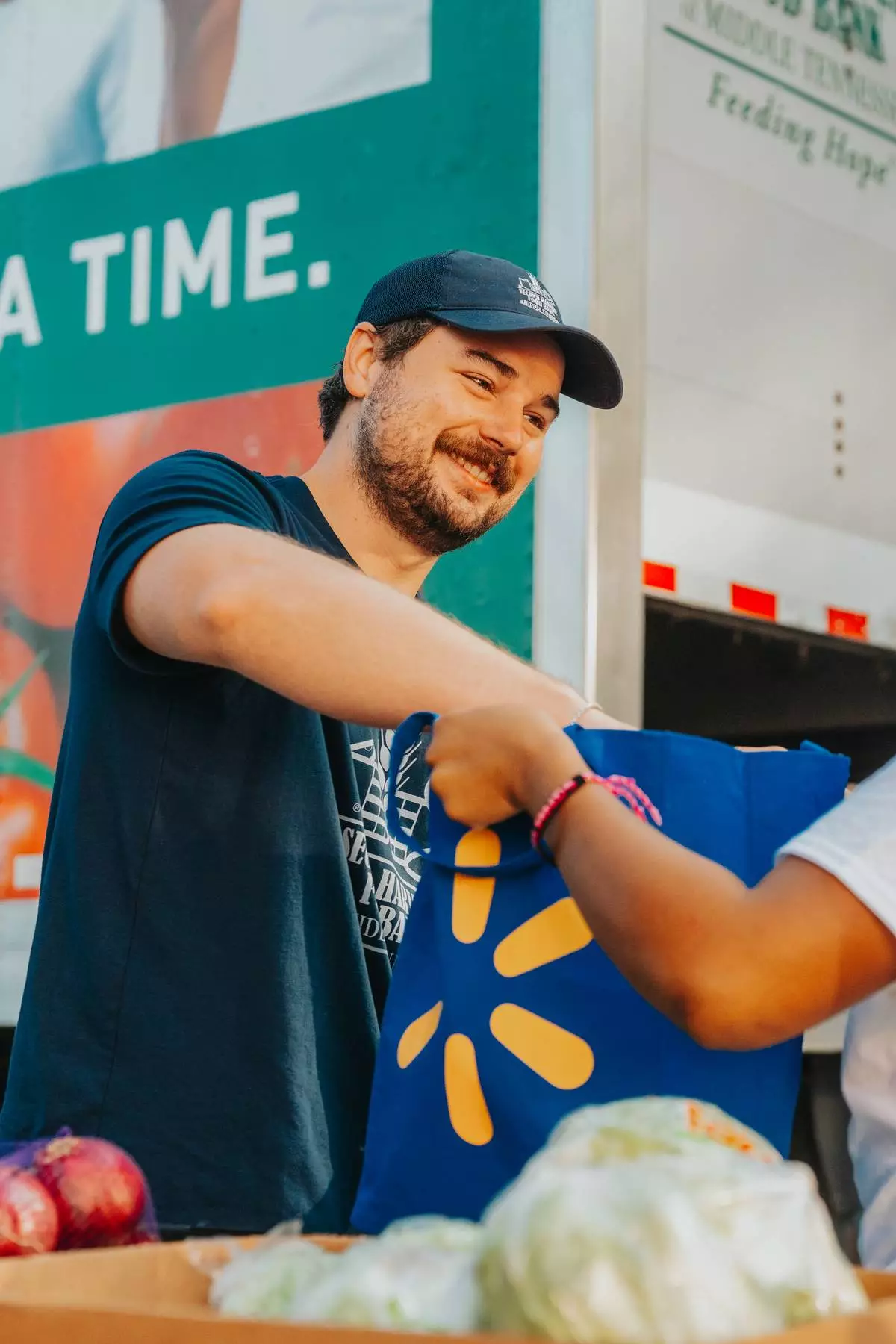
Walmart for Good
NASHVILLE, Tenn. (AP) — Tennessee's execution of Christa Gail Pike for a murder she committed at age 18 was halted Wednesday about an hour before it was set to begin, as a federal appeals court sought to review whether her allegations of childhood sexual abuse and rape were fully considered at her sentencing.
This would have been the state’s first execution of a woman in at least 200 years.
Pike, now 50, and her boyfriend were convicted of stabbing and beating 19-year-old Colleen Slemmer, their classmate at a job training facility in Knoxville in 1995.
The case garnered widespread attention at the time in part because of a pentagram that was carved on Slemmer’s body and other elements of the crime stoked fears of Satan worship during the “satanic panic” of the 1980s and 1990s.
It wasn’t immediately clear if Tennessee’s attorney general was appealing the decision, or how long the execution might be delayed. A phone message and email were left with a spokesperson for the attorney general's office seeking comment.
Execution witnesses had already gathered at the Riverbend Maximum Security Institution in Nashville when the order came down at around 9 a.m. CDT.
As the execution date drew near, it renewed debate over the death penalty for young offenders.
Pike does not deny committing the killing, but her supporters argue the state should consider Pike’s age at the time, mental illness and a history of severe sexual abuse that included being raped from the time she was a toddler. Assistant Federal Defender Stephen Ferrell said Pike’s death sentence is an outlier because other 18-year-olds sentenced to death in Tennessee have had their sentences vacated.
The U.S. Supreme Court on Tuesday denied a request from Pike's attorneys to halt the execution. Tennessee Gov. Bill Lee on Monday denied Pike clemency.
“I was a mentally ill 18-year-old kid. It took me numerous years to even realize the gravity of what I’d done,” Pike said in a statement included in her clemency petition. “Even more to accept how many lives I affected. I took the life of someone’s child, sister, friend. It sickens me now to think I had the ability to commit such a crime.”
Slemmer’s mother wants the lethal injection to go forward, saying she has waited decades to see Pike’s sentence carried out.
“Every time I think about it, I think about Colleen feeling that pain and trying to get up and run,” May Martinez said in a telephone interview.
Martinez said a group helped raise money so she and her husband could travel from Florida to witness the execution.
The 1995 killing rocked the city of Knoxville. Prosecutors said Pike, fearing Slemmer was trying to steal her boyfriend, lured her to a wooded area on Jan. 12, 1995. Pike cut Slemmer with a box cutter and beat her with a large chunk of asphalt. Shipp, Pike’s boyfriend, has admitted that he was the one who carved a pentagram, a star-shaped symbol associated with Satanism, into her body.
Shipp was 17 when the crime happened and received a sentence of life in prison with the possibility of parole. Pike was the only one sentenced to death.
Tennessee has not executed a woman for at least 200 years, according to Robin M. Maher, executive director of the Death Penalty Information Center. Older records can be spotty, though, so it’s difficult to know precise details about the last woman who was put to death there.
It's a rarity across the U.S. Since 1976, 18 women have been put to death in the country, representing about 1% of all executions, according to the center.
Most recently, Missouri in 2023 executed Amber McLaughlin for a 2003 killing, in what is believed to be the first execution of a transgender woman in the U.S. In 2021, the federal government executed Lisa Montgomery, marking the first time in nearly seven decades that the U.S. government put a female inmate to death.
Chandler reported from Montgomery, Alabama.
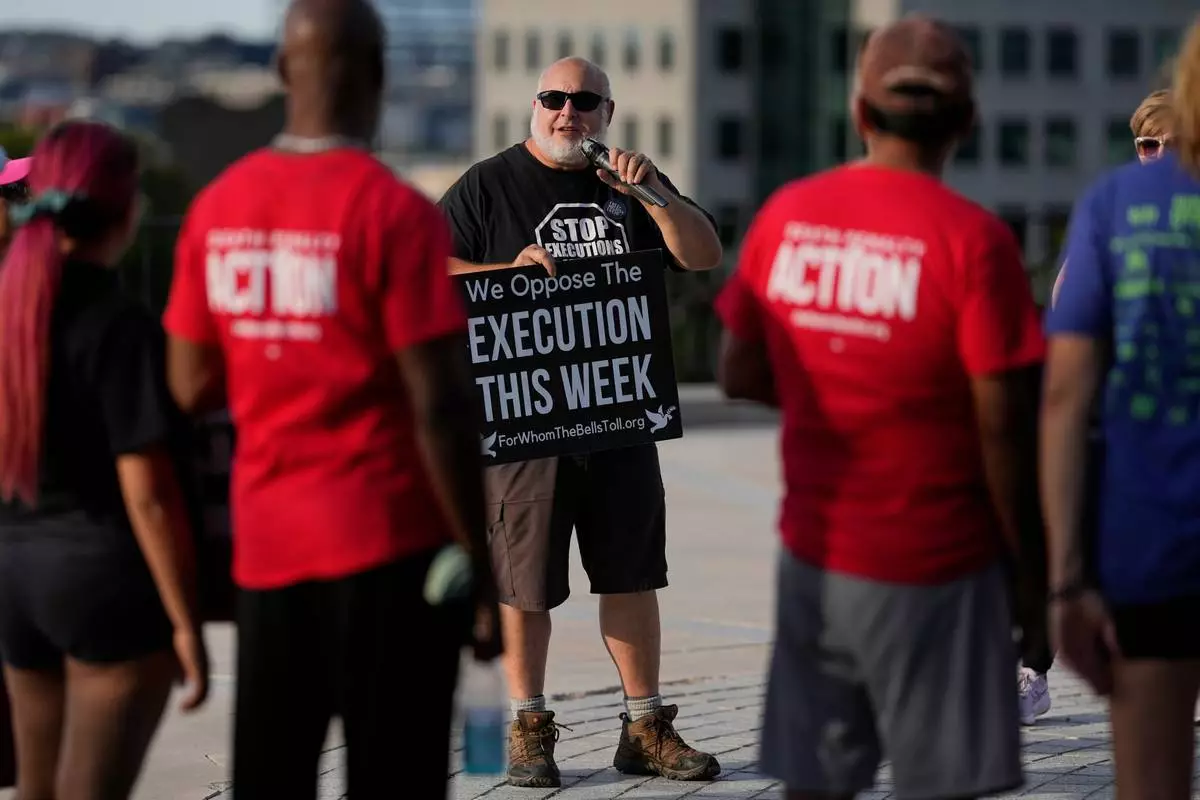
Abraham Bonowitz speaks during a March 4 Mercy protest against the death penalty at the Tennessee State Capitol, Sunday, Sept. 27, 2026, in Nashville, Tenn. ahead of the Sept. 30th scheduled execution of Christa Pike. (AP Photo/George Walker IV)

Alonzo Hughes participates in a March 4 Mercy protest against the death penalty at the Tennessee State Capitol, Sunday, Sept. 27, 2026, in Nashville, Tenn. ahead of the Sept. 30th scheduled execution of Christa Pike. (AP Photo/George Walker IV)
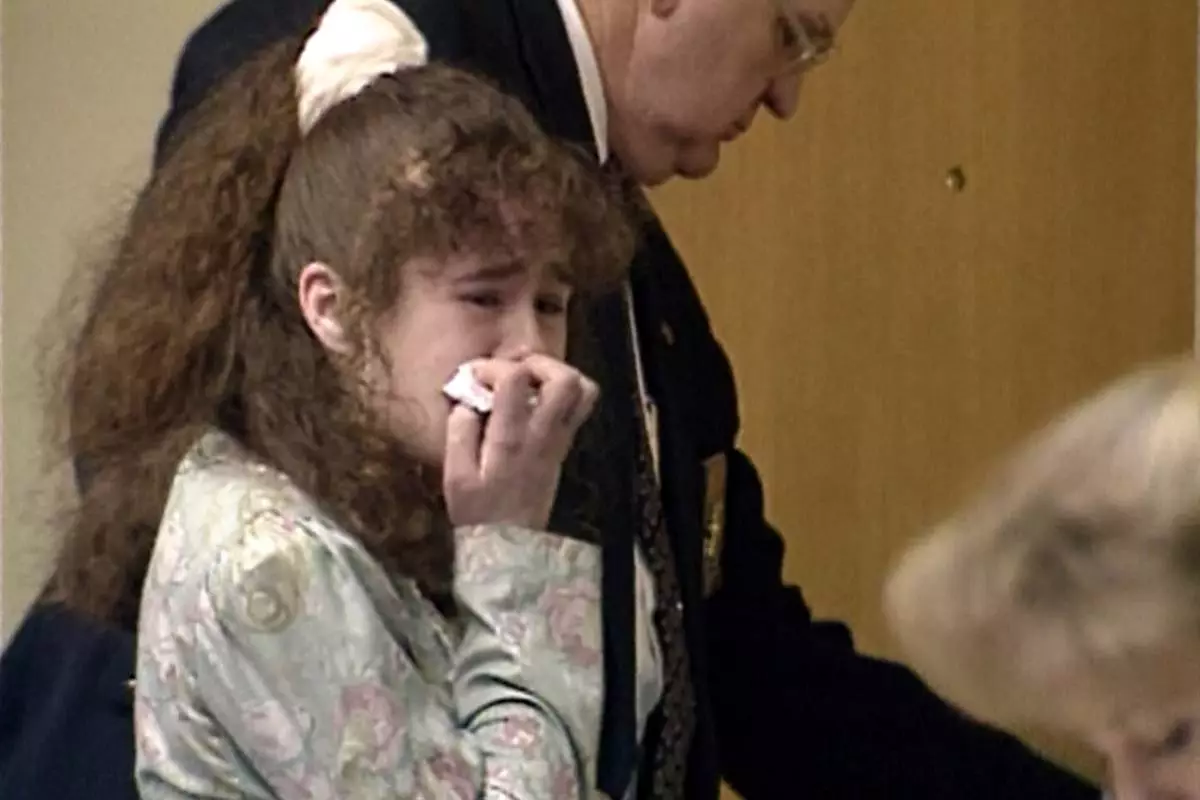
In this image from video provided by WBIR-TV, Christa Pike cries after being sentenced to death on March 30, 1996 in Knoxville, Tenn. (WBIR-TV via AP)
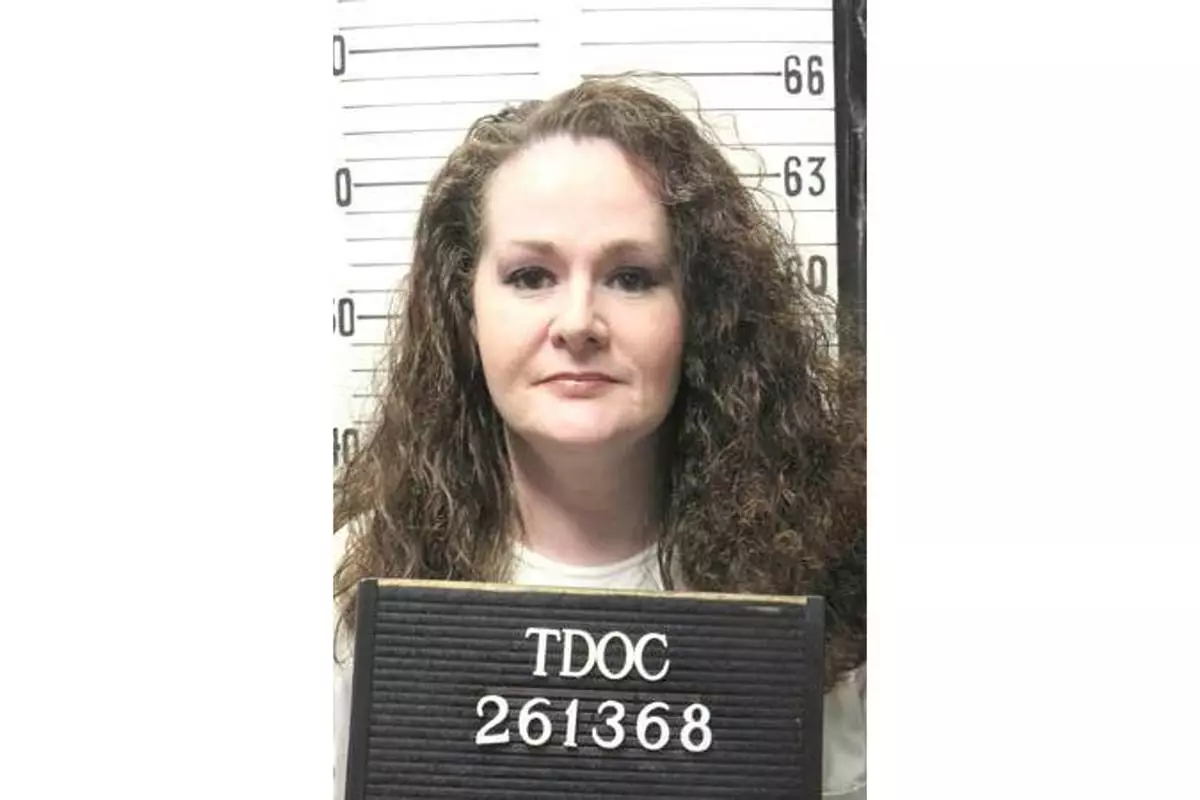
This photo provided by the Tennessee Department of Correction shows Christa Pike on Jan. 12, 2023. (TDOC via AP)