Skip to Content Facebook Feature Image

Blasts reported in Ethiopian capital hours after government banned drone flights

News

Blasts reported in Ethiopian capital hours after government banned drone flights
News

News

Blasts reported in Ethiopian capital hours after government banned drone flights

2026-10-01 19:38 Last Updated At:19:41

ADDIS ABABA, Ethiopia (AP) — A series of blasts were heard across the Ethiopian capital of Addis Ababa on Wednesday night, hours after the government banned the use of drones and as fighting continued in the northern region of the country.

An intelligence service official, who was not authorized to speak to the media, confirmed that there had been three blasts in three different locations but declined to provide further details.

A diplomatic source who requested anonymity for his safety described hearing a blast at 7 p.m. near the defense headquarters, followed by a siren.

Residents near the defense headquarters also said they heard a blast near a factory in the area past midnight.

It remains unclear whether the blasts were related to an attack or were part of training exercises at the defense headquarters.

The explosions came hours after the National Intelligence and Security Service banned the flying of drones in Addis Ababa and surrounding areas.

Ethiopia's federal forces are fighting regional forces in the northern Tigray region, where rebels took control of several towns and the Tigray People’s Liberation Front recently took over the region's main airport, forcing a suspension of flights.

The United Nations has called for de-escalation of the fighting and dialogue between the government and seven opposition groups that recently formed an alliance to challenge Prime Minister Abiy Ahmed.

Displaced people living in camps since the 2020 war in Tigray said on Thursday they could hear gunfire from miles away near the Hitsats camp in northwestern Tigray.

The camp is home to about 16,000 people who have been living there for six years and are now afraid they may be displaced again.

“We hear fighting supported by heavy artillery, and drones hover in the sky every day,” a resident told The Associated Press over the phone.

Residents in the Tigrayan capital, Mekelle, say communication, banking and other essential services have been disrupted by the fighting.

Abdelaziz Ahmed, 35, a merchant, said the lack of cash caused by disruptions to banking services was affecting his business.

“People cannot buy anything because they lack cash, so we cannot sell. My current stock won’t last more than a month. My only hope is that all these challenges pass and peace is restored in Tigray,” he said.

A taxi driver who declined to be named because of fears for his safety said fuel prices had doubled on the black market.

"The war has made life extremely difficult. We don’t even have money for food or rent,” he said.
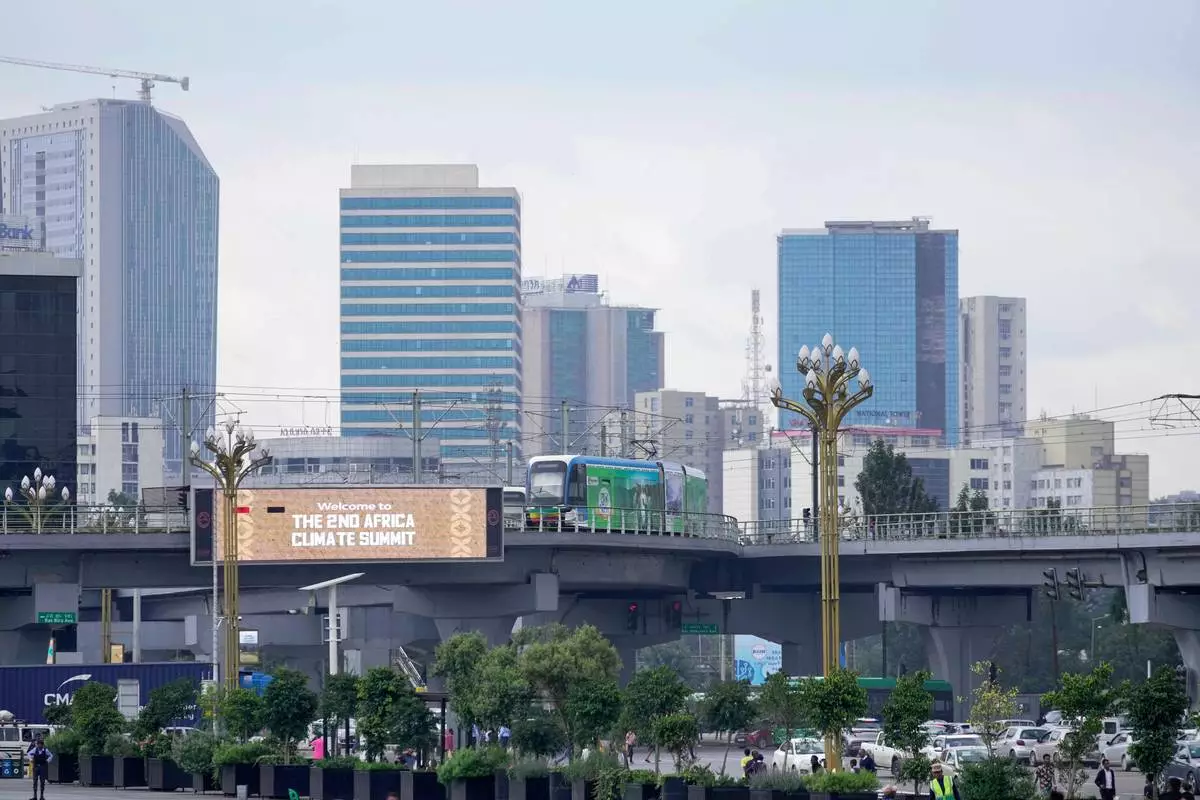
FILE - A view of Addis Ababa, Ethiopia, Sept. 9, 2025. (AP Photo/Brian Inganga, File)

FILE - A view of Addis Ababa, Ethiopia, Sept. 9, 2025. (AP Photo/Brian Inganga, File)

TOKYO (AP) — A Tokyo court has awarded legal protection to the human voice in a landmark case in which a popular Japanese anime voice actor demanded that TikTok close an account over its unauthorized use of an artificial intelligence clone of his trademark baritone.

The Tokyo District Court's decision Wednesday was the first acknowledgment of the right to one's voice in Japan. The ruling was good news for many anime voice actors at a time when they are increasingly concerned about the use of AI-generated versions of their voices on social media.

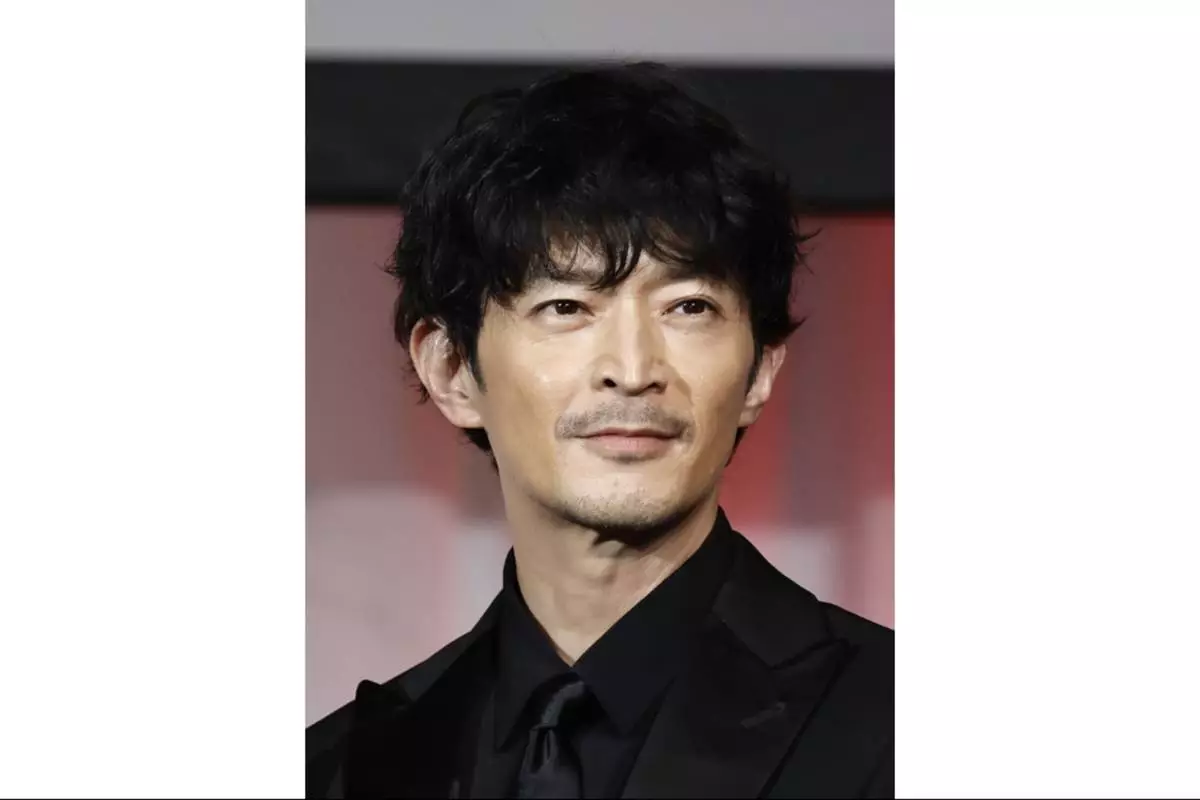
The plaintiff, Kenjiro Tsuda, is an actor best known for his “lustrous and deep” voice in starring characters such as Kento Nanami in “Jujutsu Kaisen,” a popular anime series.

In his lawsuit, Tsuda said that the anonymous operator of the TikTok account “Nanami" wrongfully profited by attracting viewers with his voice narrating in more than 180 videos about urban legends and paranormal phenomena, and asked for the material to be deleted.

“The human voice is symbolic of individual personality, just like one's portrait," Presiding Judge Aya Takahashi said, according to a court document seen by The Associated Press.

It is appropriate to consider the unauthorized use with an obvious intention to take advantage of the commercial appeal of Tsuda's voice “an infringement of publicity rights,” Takahashi said.

As of November 2025, the account had more than 200,000 subscribers, with viewers often noting the similarities between the narrator's voice and Tsuda's.

The defendant argued that the videos used an AI-generated voice that sounded like Tsuda's but was not his, and that the videos did not damage the actor's reputation as a voice actor.

The ruling dismissed Tsuda's demand that all the videos using his voice be deleted, because the account had already been closed.

Wednesday's decision comes at a time of growing concern among Japanese voice actors about the AI cloning of their trademark voices in anime.

In 2024, OpenAI announced plans to halt the use of one of its ChatGPT voices after “Her” actor Scarlett Johansson said it sounded “eerily similar” to her own.

Last year, Oscar-winning actors Michael Caine and Matthew McConaughey made deals with voice-cloning company ElevenLabs to allow its AI technology to replicate their voices.

Kenjiro Tsuda, a Japanese actor is seen on a stage, November, 2024, in Tokyo, Japan. (Kyodo News via AP)

Kenjiro Tsuda, a Japanese actor is seen on a stage, November, 2024, in Tokyo, Japan. (Kyodo News via AP)

Recommended Articles