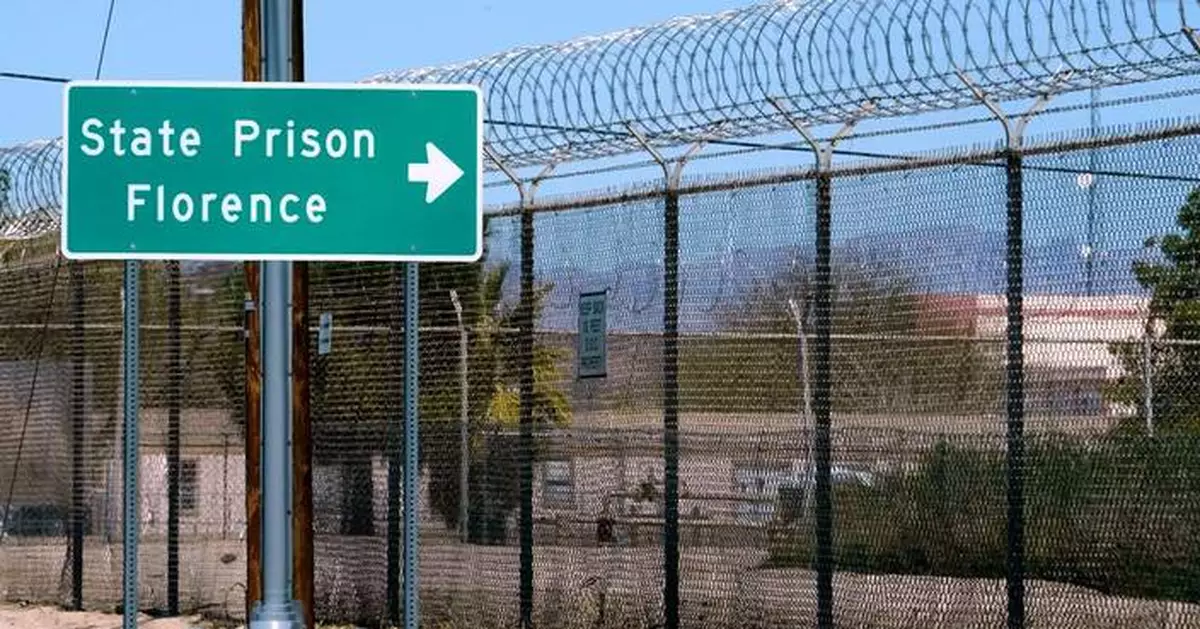
PHOENIX (AP) — The U.S. Supreme Court has rejected Arizona's eleventh-hour bid to block the upcoming start of a court-ordered takeover of healthcare operations in its prisons after the state was found to have provided constitutionally inadequate care to incarcerated people and dragged its feet for over a decade in making required improvements. Justice Elena Kagan denied the state's request Thursday, leaving an outside corrections professional set to take over healthcare management for 25,000 incarcerated people on Oct. 19.
Arizona had asked the courts to delay the takeover while it appealed that decision and the appointment of former Ohio corrections director Annette Chambers-Smith to lead the effort. The state sought the delay from the Supreme Court after lower courts rejected by the request.
Over the past 14 years, Arizona has been dogged by complaints that its prison healthcare system was run shoddily and callously and that it repeatedly failed to improve a system found to have exposed prisoners to harm and preventable deaths.
Under a 2014 settlement, the state pledged to overhaul medical and healthcare services for prisoners but was soon accused of failing to make promised improvements. That led to more than $2 million in contempt-of-court fines and the eventual revocation of the agreement by U.S. District Judge Roslyn Silver, who said corrections officials had shown little interest in making required changes.
After a 2021 trial, Silver ruled against the state, issuing an injunction that required corrections authorities to address the constitutional violations. Earlier this year, she ordered the takeover after concluding the state hadn’t gotten a semblance of compliance with court-ordered changes and the U.S. Constitution after more than a decade of litigation. Silver found that prisoners remained exposed to grave threats of harm and suffering because of systematic deficiencies in their health care.
The Arizona Department of Corrections, Rehabilitation and Re-entry did not immediately respond to a request for comment on Thursday's decision.
In a statement, Corene Kendrick, an American Civil Liberties Union attorney who represents prisoners in the lawsuit, applauded the court's refusal to delay the takeover, also known as a receivership. She said Arizona fought accountability at every turn while prisoners suffered. “Today’s decision clears the way for a receiver to do what the state has failed to do for more than a decade,” Kendrick said.
In seeking a delay, Arizona’s attorneys said Silver adopted a drastic takeover remedy without first trying intermediate fixes to speed compliance. They also said the judge hadn't given the corrections department enough time to continue making progress and argued that the official appointed to run healthcare operations wouldn’t be politically accountable. They said the agency is committed to improving health care in prisons, has made significant progress since 2023 and that the prisoners won’t suffer harm if the start of the takeover were delayed by a few months.
Lawyers for prisoners said the state was minimizing its noncompliance, disputed its claim it had not been given enough time to comply after 14 years of litigation and said Silver had already tried less-intrusive remedies. They also said the state’s proposal of a months-long delay in the takeover “grievously minimizes” the harm prisoners face from the state’s inability to provide adequate care.
Complaints about health care in Arizona’s prisons have spanned both Republican and Democratic administrations.
The lawsuit was filed in 2012 during Republican Gov. Jan Brewer’s administration and continued under Republican Gov. Doug Ducey, when both contempt fines against the state were issued. Under Ryan Thornell, the corrections director in Democratic Gov. Katie Hobbs administration, the department has complained that its progress in overhauling health care operations in recent years hasn’t been acknowledged.
The lawsuit over healthcare for incarcerated people covers Arizona’s nine state-run prisons but not the nearly 10,000 Arizona inmates held in private prisons.
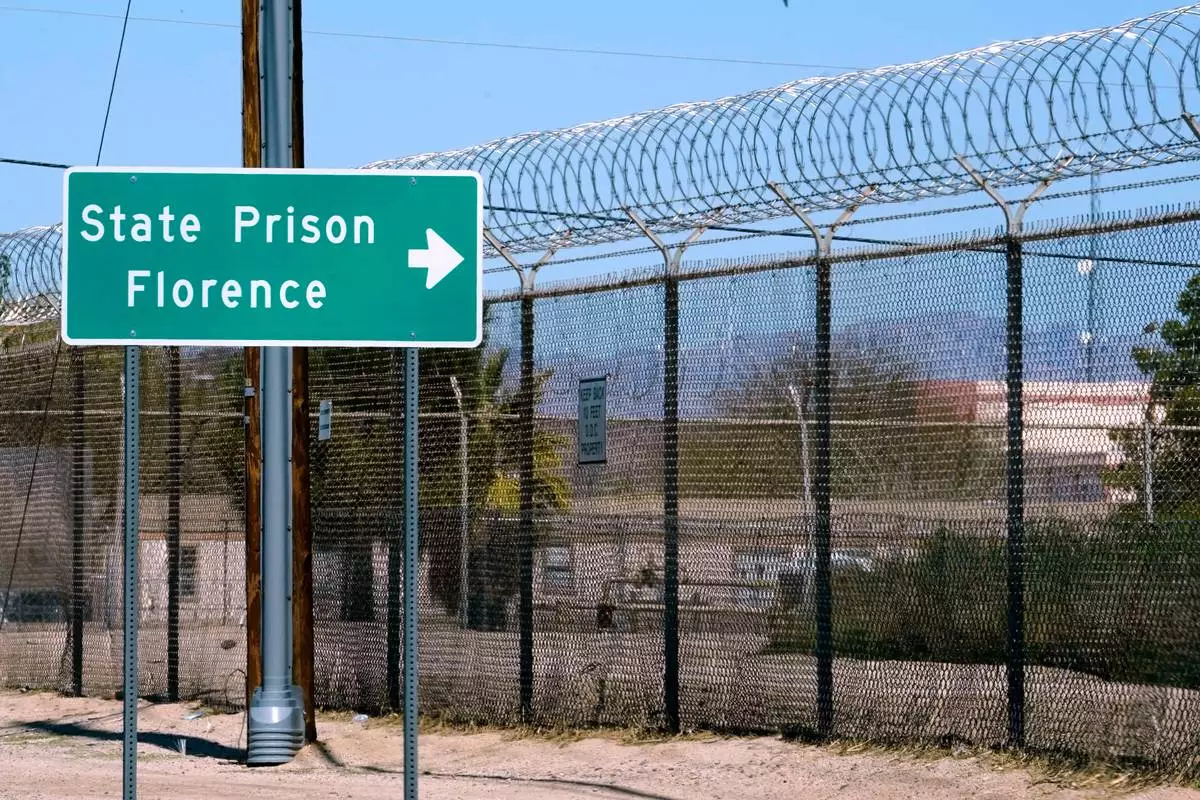
FILE - A sign points in the direction of the Arizona State Prison in Florence, Ariz., March 19, 2025. (AP Photo/Darryl Webb, File)
NASHVILLE, Tenn. (AP) — Christa Pike was in critical condition Thursday and receiving “lifesaving care” at a hospital, her lawyers said, a day after a failed attempt to execute her pushed Tennessee’s governor to halt further executions this year and order an independent review.
Pike, who was sentenced to death for a 1995 murder, was taken to a hospital Wednesday night after surviving a double dose of the drug Tennessee uses to execute prisoners.
“We don’t have a sense of her prognosis or much update on her health at the moment," attorney Randy Spivey said during a news conference. "But we know she is alive right now.”
The failed execution, which one death penalty expert described as unprecedented, led Republican Gov. Bill Lee to order a review, calling what happened “deeply disturbing” and indefinitely postponing Pike’s execution and another one that had been scheduled for this year. It also reignited the debate over the state’s execution procedures, including its single-drug lethal injections.
Spivey called the process cruel and torturous, saying he was “haunted” by watching and hearing Pike talking, singing and then snoring loudly during her more than 90 minutes in the death chamber. Her attorneys also said it was unclear if she might have suffered brain damage from being deprived of oxygen.
May Martinez, whose daughter was murdered by Pike and her boyfriend and who traveled to Nashville to watch the execution, was also upset.
“I didn’t get justice for my daughter,” Martinez told The Associated Press on Thursday.
“I watched the whole thing. She was awake. She was laughing. She was moving her head, moving her feet. She was trying to sit up," Martinez said. "Didn’t work the first time they gave her a shot. It didn’t work the second time.”
It was not immediately clear what went wrong. Pike’s attorneys said there were a number of possibilities.
The execution team worked for an hour to administer the lethal drugs, said Spivey, who counted at least seven needles in her left arm.
During the struggle to locate a vein, Pike even suggested where they might find one, he said.
“Please try here, please try here,” Spivey recalled her saying. “She told them over and over, please try higher on my shoulder.”
At one point, Pike asked prison officials if her arm was supposed to feel that way, though it’s unclear if it was after the first dose entered her body because officials don’t share that information.
Neither the initial nor backup dose of pentobarbital worked. Pike was still snoring when the execution chamber’s microphone was cut off more than an hour into the attempt.
Another of Pike's attorneys, Steve Ferrell, said she feared there would be complications because of a lifelong blood disorder that made it tough to get needles into her veins. “Throughout her life, she’s explained to us that she had trouble having blood drawn,” he said.
It was quite possible, Ferrell said, that the IV line didn't enter her vein properly and that the drug was filling her arm instead of entering her bloodstream.
Pike's lawyers now want her death sentence to be commuted. Now age 50, she was sentenced to death for a murder she committed at 18. She would have been the first woman executed in Tennessee in more than 200 years.
An appeals court had stopped her execution an hour before it was scheduled to begin Wednesday morning, but the U.S. Supreme Court overturned that stay hours later.
It was the second time this year that Tennessee was unable to complete an execution. In the other case, officials couldn't find a suitable vein for an IV line so the drugs weren't administered.
Lee said it appeared prison staff followed procedure.
Pentobarbital, the barbiturate Tennessee uses for executions, has been used to carry out death sentences in multiple states and by the federal government. But there have been concerns raised about the potential for “unnecessary pain and suffering.”
Dr. Ervin Yen, an Oklahoma City anesthesiologist who has no link to Pike's execution but who has witnessed others, said it’s possible that if the prison staff was using a small vein, there could have been some burning, as mentioned by Pike’s attorneys.
“It just depends on the vein that you’re injecting it in and how fast you are injecting,” Yen said.
Tennessee in 2024 switched from a three-drug series for lethal injections to a single drug, pentobarbital. That came about two years after the state abruptly halted the execution of Oscar Smith and acknowledged it had failed to ensure its lethal injection drugs had been tested properly.
Robin M. Maher, executive director of the Death Penalty Information Center, said what Pike experienced is “singular and unparalleled” in that she survived long enough to be moved to a hospital.
Seven others have survived medical problems due to an execution team's failure to access a vein to administer lethal injection drugs, but no one has stayed alive after receiving the drugs used in executions, she said.
Executions in the U.S. have fallen sharply since the beginning of this century, but the number nearly doubled last year behind a record increase in Florida.
Pike would have been the 30th person executed in the U.S. this year.
Strapped to a gurney in the execution chamber, Pike described herself as at peace and said "I’m ready to be free. ... This is a happy day.”
But she remained awake, and at one point complained about a feeling in her arm.
An hour after officials first raised the curtains, witnesses reported that a second dose of pentobarbital was administered. Pike could still be heard snoring behind a closed curtain until the microphone was cut off almost 30 minutes later.
Her lawyers filed an emergency motion with the Tennessee Supreme Court seeking to immediately halt and stay the execution, saying she was in “unnecessary agony” and the procedure violated her right to be executed free of cruel and unusual punishment.
Pike and her boyfriend were convicted of the fatal stabbing of 19-year-old Colleen Slemmer, a classmate. The killing stoked fears of Satan worship because of a pentagram carved on Slemmer’s body.
She didn't dispute that she helped kill Slemmer, but supporters argued that her mental illness and allegations of severe sexual abuse should be considered. She was diagnosed with bipolar disorder and post-traumatic stress disorder after the killing.
“It took me numerous years to even realize the gravity of what I’d done,” she once said.
This story was updated to correct the spelling of Randy Spivey's last name.
Associated Press writers Jeffrey Collins in Columbia, South Carolina, Ed White in Detroit, Russ Bynum in Savannah, Georgia, Hallie Golden in Seattle, Hannah Schoenbaum in Salt Lake City and John Seewer in Toledo, Ohio, contributed.
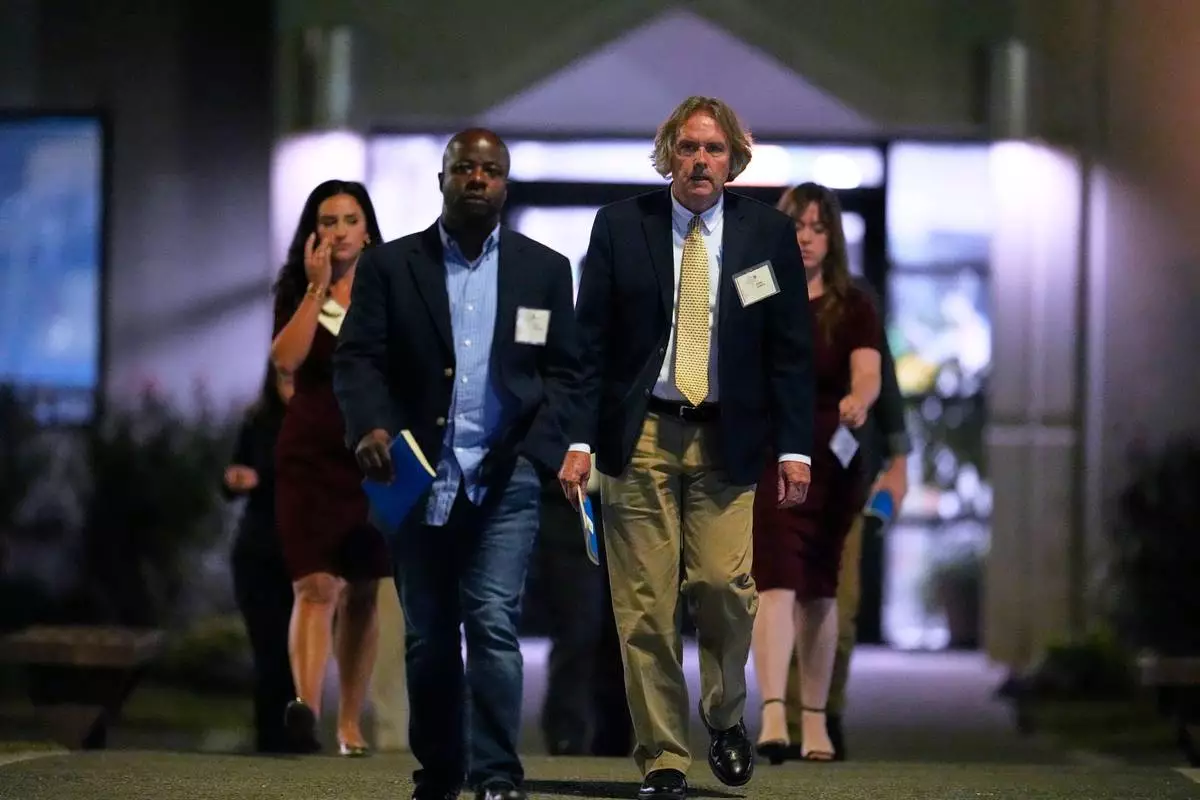
Media witnesses leave Riverbend Maximum Security Institution after the execution of Christa Pike was halted Wednesday, Sept. 30, 2026, in Nashville, Tenn. (AP Photo/George Walker IV)

Associated Press reporter Kimberly Chandler recounts the moments before the execution of Christa Pike was halted at Riverbend Maximum Security Institution, Wednesday, Sept. 30, 2026, in Nashville, Tenn. (AP Photo/George Walker IV)
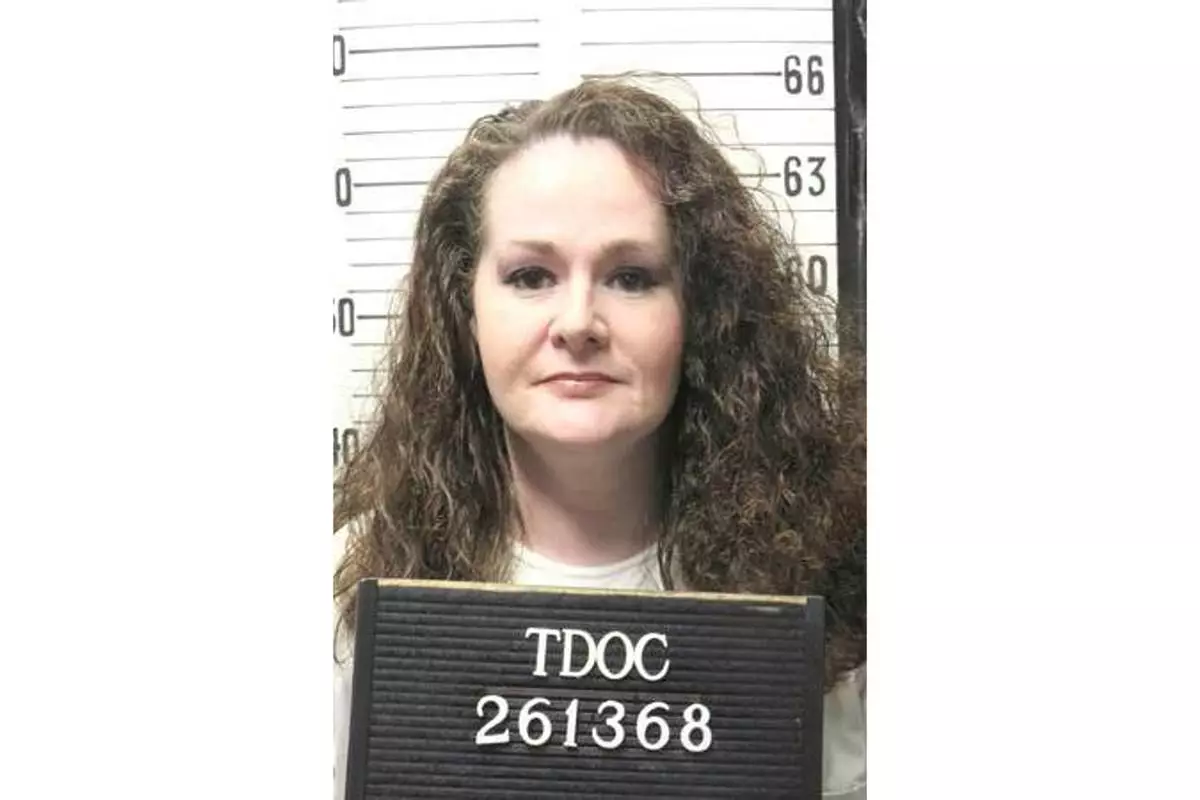
This photo provided by the Tennessee Department of Correction shows Christa Pike on Jan. 12, 2023. (TDOC via AP)
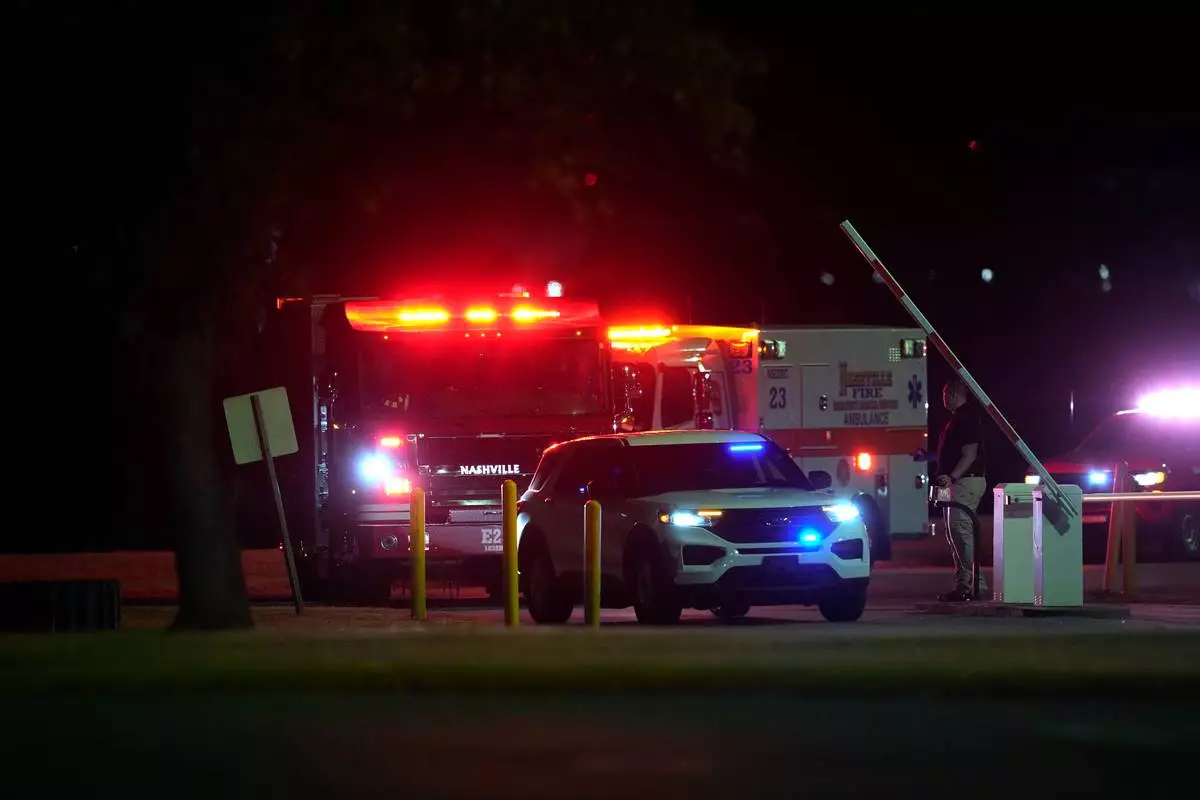
Emergency vehicles arrive at Riverbend Maximum Security Institution after the execution of Christa Pike was halted Wednesday, Sept. 30, 2026, in Nashville, Tenn. (AP Photo/George Walker IV)
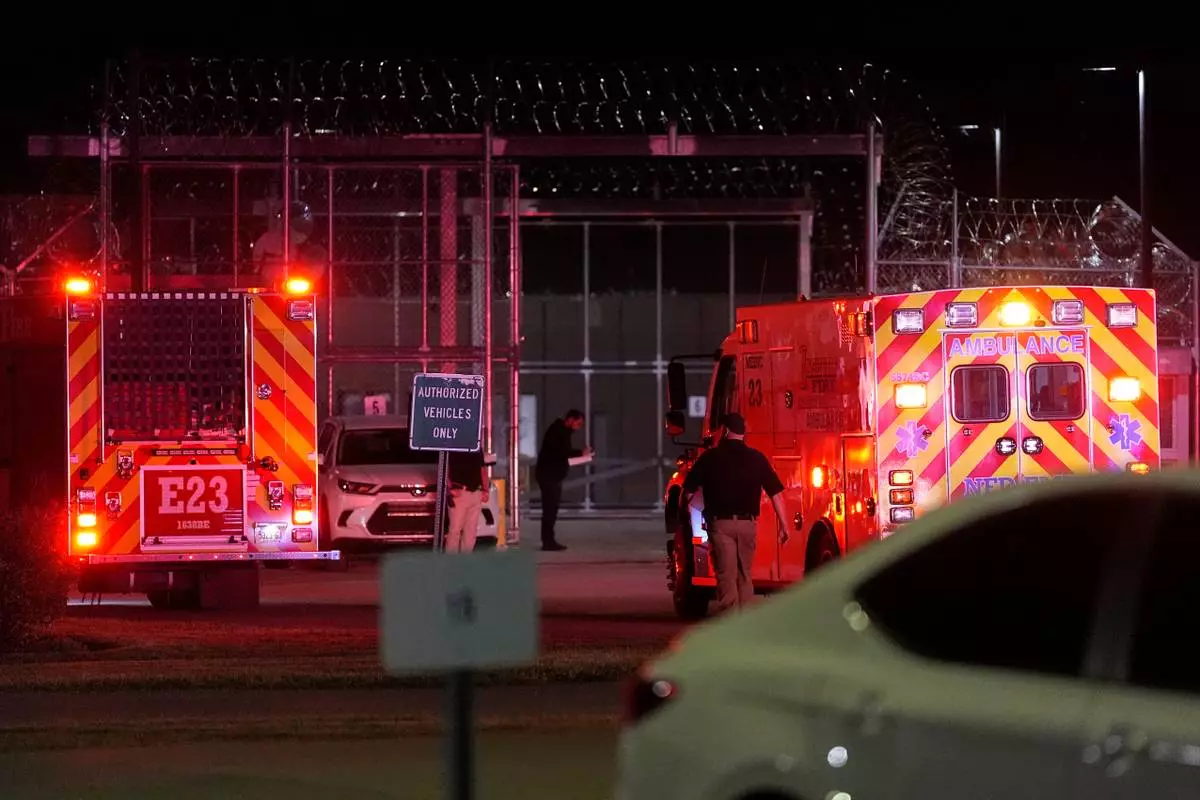
Emergency vehicles arrive at Riverbend Maximum Security Institution after the execution of Christa Pike was halted Wednesday, Sept. 30, 2026, in Nashville, Tenn. (AP Photo/George Walker IV)

Media witnesses recount the moments before the execution of Christa Pike was halted Wednesday, Sept. 30, 2026, in Nashville, Tenn. (AP Photo/George Walker IV)