NASHVILLE, Tenn. (AP) — Christa Pike was scheduled to be executed. But after two injections, she kept breathing. She made snoring sounds, she talked, she said her arm was hurting.
Pike, sentenced to die for torturing and killing 19-year-old Colleen Slemmer in 1995, said as her scheduled lethal injection began that she was at peace.
Click to Gallery
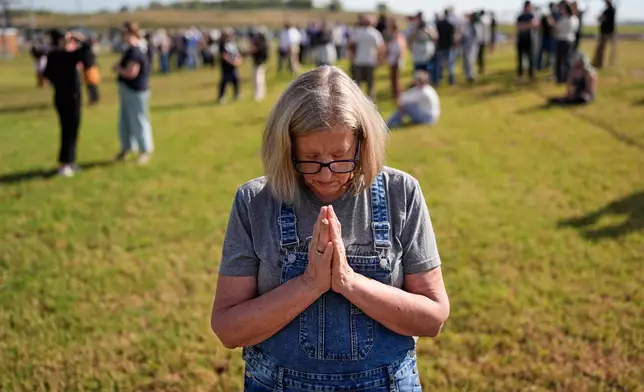
Kathleen Walter prays in the area reserved for people opposed to the death penalty outside Riverbend Maximum Security Institution before the planned execution of Christa Pike, Wednesday, Sept. 30, 2026, in Nashville, Tenn. (AP Photo/George Walker IV)
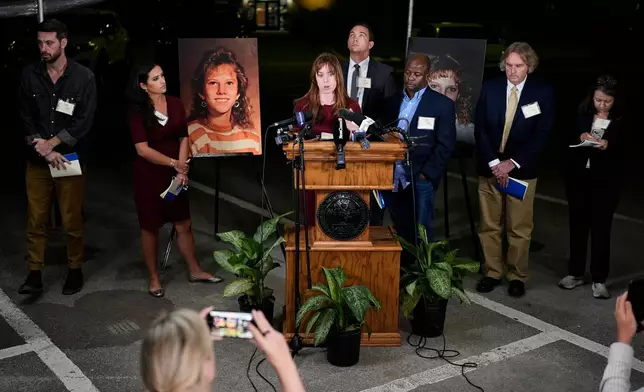
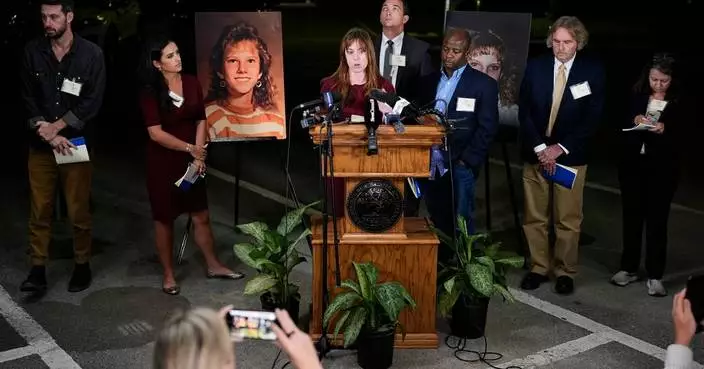
Media witnesses recount the moments before the execution of Christa Pike was halted Wednesday, Sept. 30, 2026, in Nashville, Tenn. (AP Photo/George Walker IV)
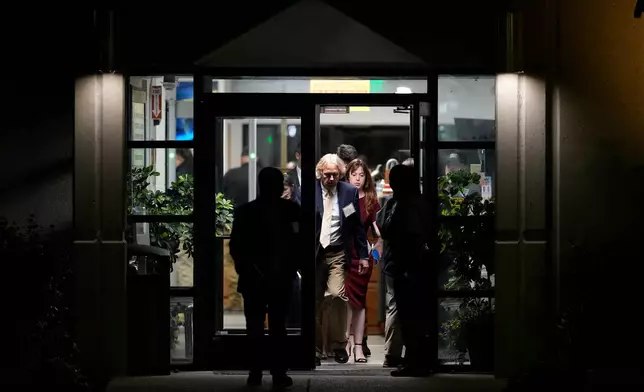
Media witnesses leave Riverbend Maximum Security Institution after the execution of Christa Pike was halted Wednesday, Sept. 30, 2026, in Nashville, Tenn. (AP Photo/George Walker IV)
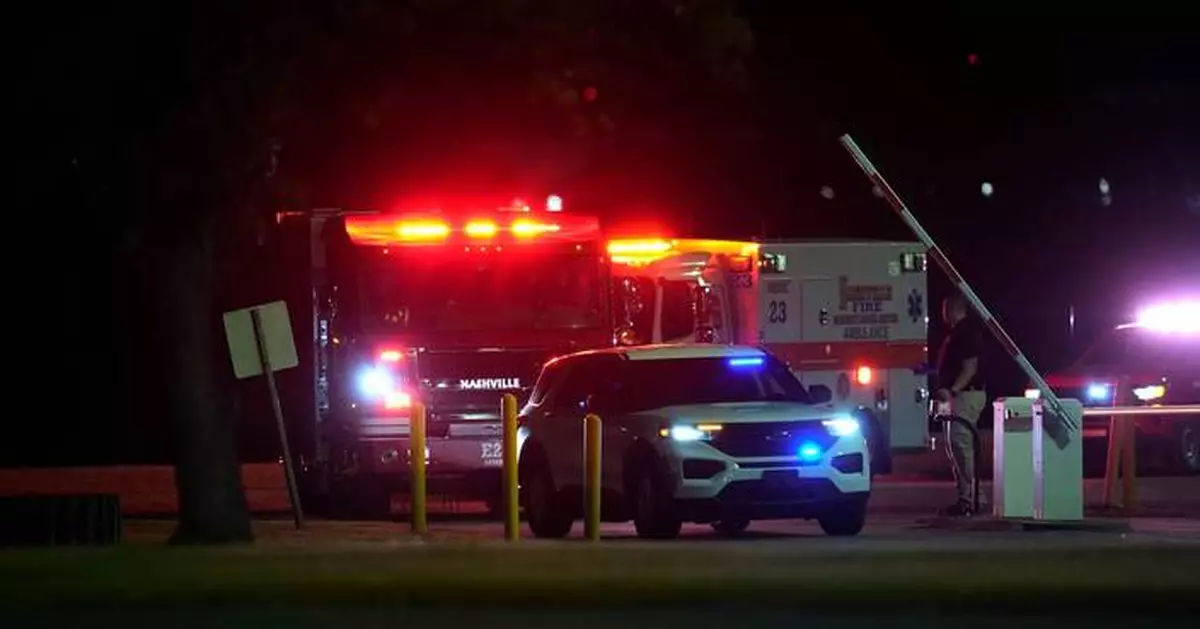
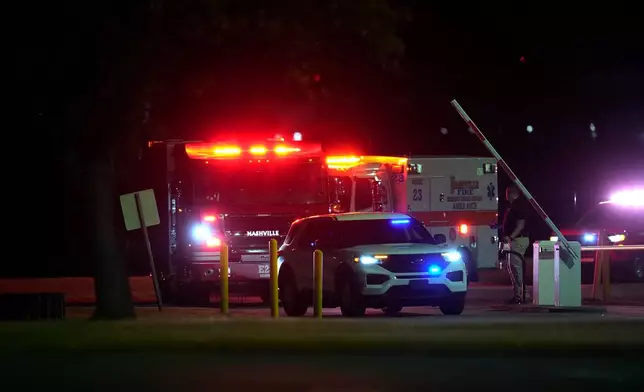
Emergency vehicles arrive at Riverbend Maximum Security Institution after the execution of Christa Pike was halted Wednesday, Sept. 30, 2026, in Nashville, Tenn. (AP Photo/George Walker IV)
Strapped to a gurney around 7:30 p.m. Wednesday, Pike, who was allowed to give a final statement, said she was leaving the world with love.
“I’m ready to be free,” she said. "This is a happy day.”
Pike, now 50, was 18 when she committed the murder and would have been the first woman executed in Tennessee in more than 200 years.
But instead she survived two doses of the pentobarbital meant to kill her. She left the prison in an ambulance instead of a hearse.
The Associated Press was among those who witnessed her failed execution. She was already strapped to the gurney, with IV inserted in her arm, when prison officials raised the curtain to the execution room at 7:27 p.m.
Her spiritual adviser was standing beside the gurney near her head. He spoke to her. They sang a song. The lyrics were not audible, but included repeating the phrase — "I love you.” The spiritual adviser stroked her forehead.
Minutes ticked by. She raised her head and looked around; she smiled. Then she said her arm was hurting and asked a prison official in the room if it was supposed to feel that way.
Ten minutes in, at 7:37 p.m., she sighed, the IV in her arm fed from a control room adjacent to the death chamber, separated by a ledge. At 7:41 p.m., a rock or paper weight about the size of a golf ball was placed on the ledge. Prison officials have not confirmed what it means, but its placement appeared to coincide with a direction in the protocol that says after the drugs are administered, a five-minute countdown begins until the curtain is closed.
At 7:46 p.m., officials closed the curtain, blocking the witnesses’ view of the death chamber. Pike’s spiritual adviser left the chamber and sat briefly with her attorney in the media witness room.
The curtain rose again three minutes later. The Tennessee lethal injection protocol calls for a second round of pentobarbital if the inmate is not deceased after the first round.
Her spiritual adviser returned to the chamber and stood beside Pike with his hands folded. Pike appeared to begin to lose consciousness at some point and started making a sound like snoring. She continued to do so for the next hour, a sign that she was alive long after she was expected to be dead.
Her head raised slightly off the gurney and turned to the side at about 7:56 p.m. She kept breathing.
Officials closed the curtain again at 8:06 p.m.
For the next 40 minutes, Pike could be heard from behind the curtain. She sounded like she was snoring, a rhythmic, regular breathing pattern.
Inside the prison, Pike's attorney, Randy Spivey, later told the media that at about 8:22 p.m. he demanded access to a telephone to contact other lawyers on the team. He said he demanded the execution be halted and that life-saving medical care be given to Pike. He said he received confirmation at about 8:50 p.m. that an ambulance was on the way.
At 8:53 p.m., an announcement came: “Will witnesses please exit the area.” The media was escorted out, and a prison spokesperson said she had no information to provide about what had happened.
Fire trucks and ambulances arrived in front of the prison at around 9:14 p.m. Pike’s attorneys later issued a statement that she had been taken to a hospital and was being treated, though they did not know the specifics of her condition. On Thursday afternoon, they said she was in critical condition receiving medical care.
The Tennessee Department of Correction issued a statement saying the department followed protocol.
“The lethal injection chemical in the protocol has consistently been effective, and the protocol does not allow for additional procedures beyond what was carried out this evening,” the agency wrote. “Christa Pike has been transported to an off-site medical facility.”
The agency has not said what went wrong. It was the second time this year that Tennessee has been unable to complete an execution, though in the other case, officials couldn’t find a suitable vein for an IV line so the drugs weren’t administered.
Gov. Bill Lee ordered a review and postponed another execution scheduled for later this year, calling what happened in the death chamber “deeply disturbing.”
Slemmer’s mother, May Martinez, had traveled to Nashville to see the sentence carried out.
"I didn’t get justice for my daughter,” Martinez told the AP by telephone.
“I watched the whole thing. She was awake," Martinez said. "She was moving her head, moving her feet. She was trying to sit up. Didn’t work the first time they gave her a shot. It didn’t work the second time so she’s in the hospital and alive.”
“This isn’t justice for Colleen.”
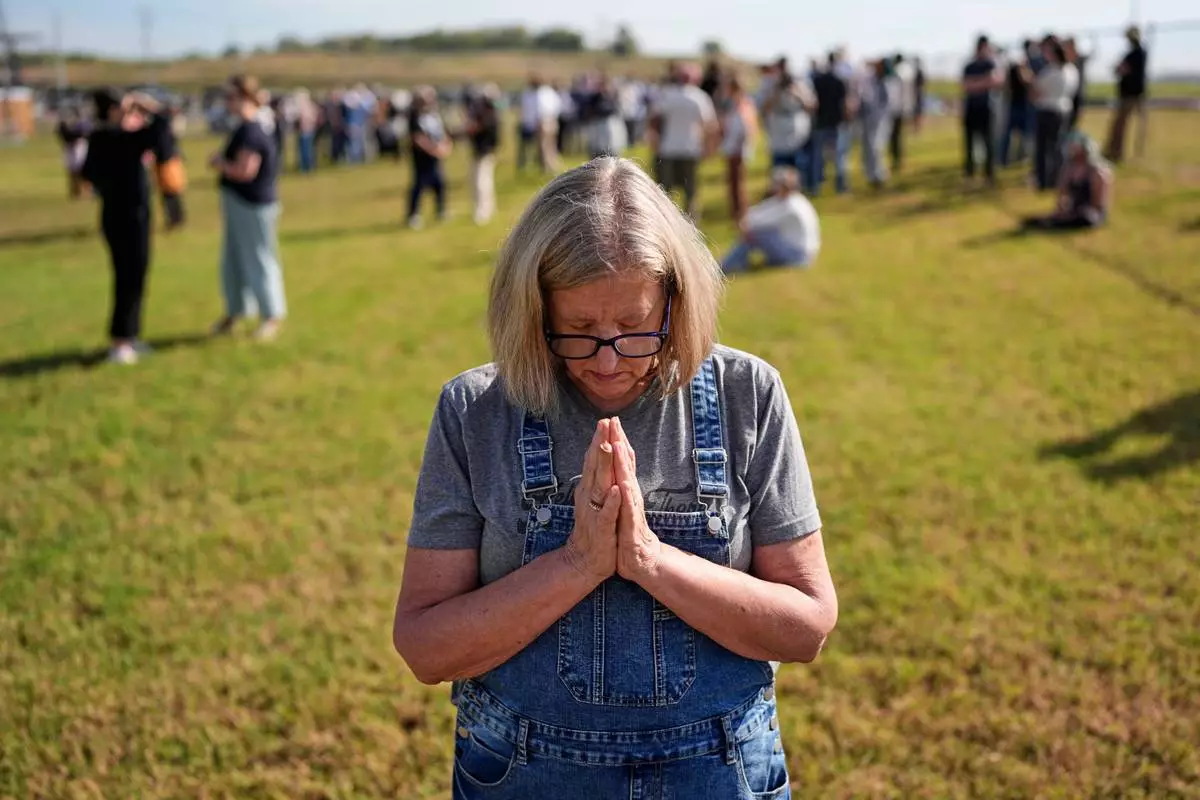
Kathleen Walter prays in the area reserved for people opposed to the death penalty outside Riverbend Maximum Security Institution before the planned execution of Christa Pike, Wednesday, Sept. 30, 2026, in Nashville, Tenn. (AP Photo/George Walker IV)
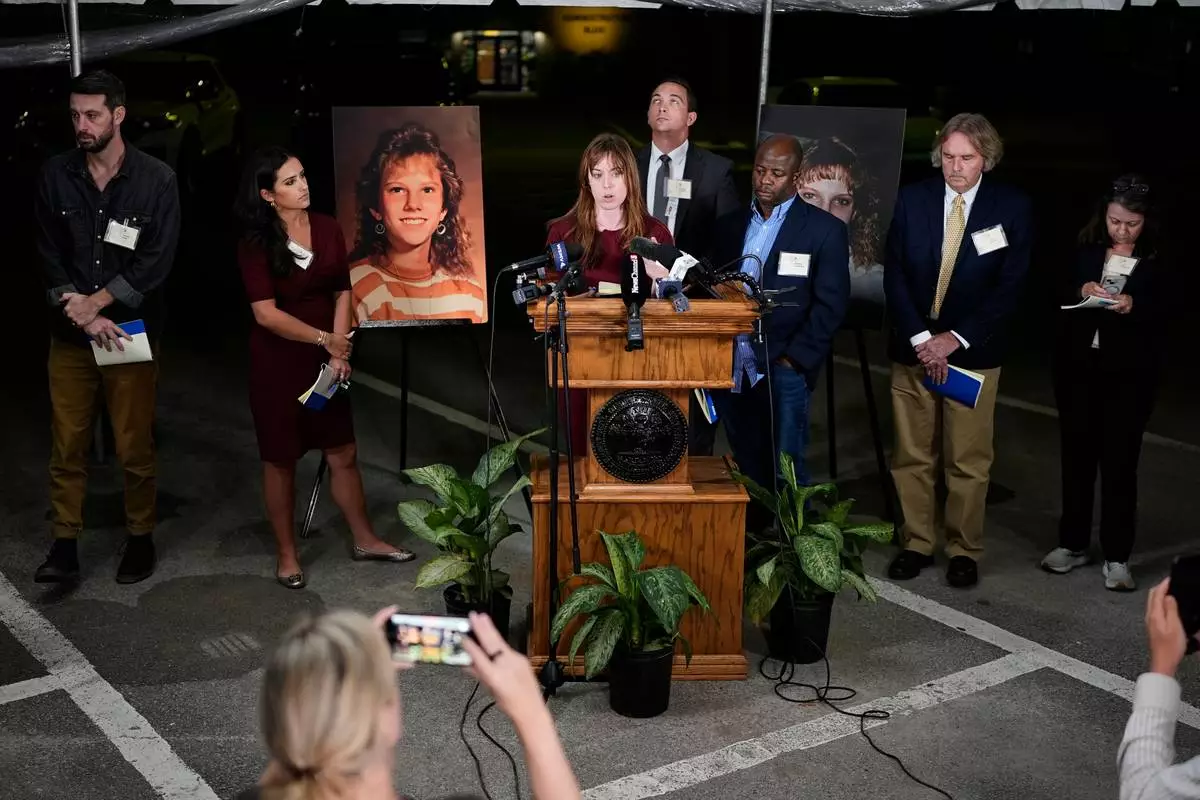
Media witnesses recount the moments before the execution of Christa Pike was halted Wednesday, Sept. 30, 2026, in Nashville, Tenn. (AP Photo/George Walker IV)
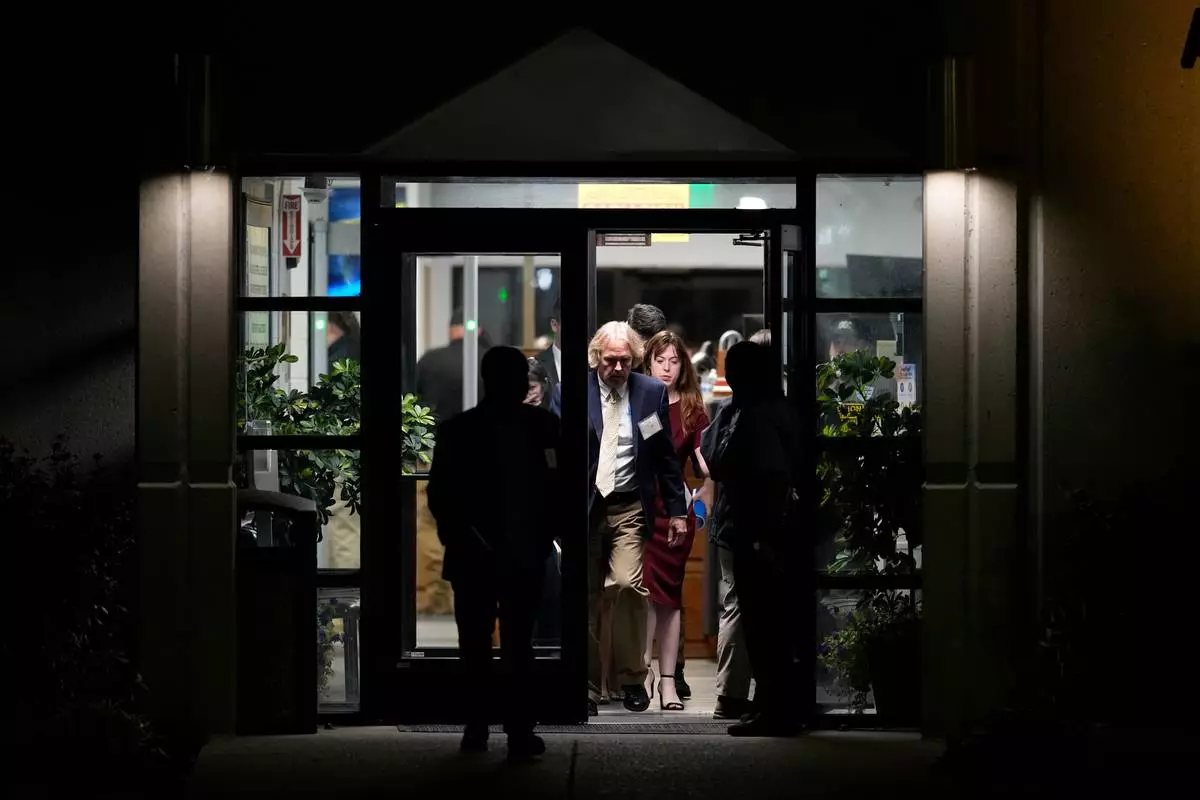
Media witnesses leave Riverbend Maximum Security Institution after the execution of Christa Pike was halted Wednesday, Sept. 30, 2026, in Nashville, Tenn. (AP Photo/George Walker IV)
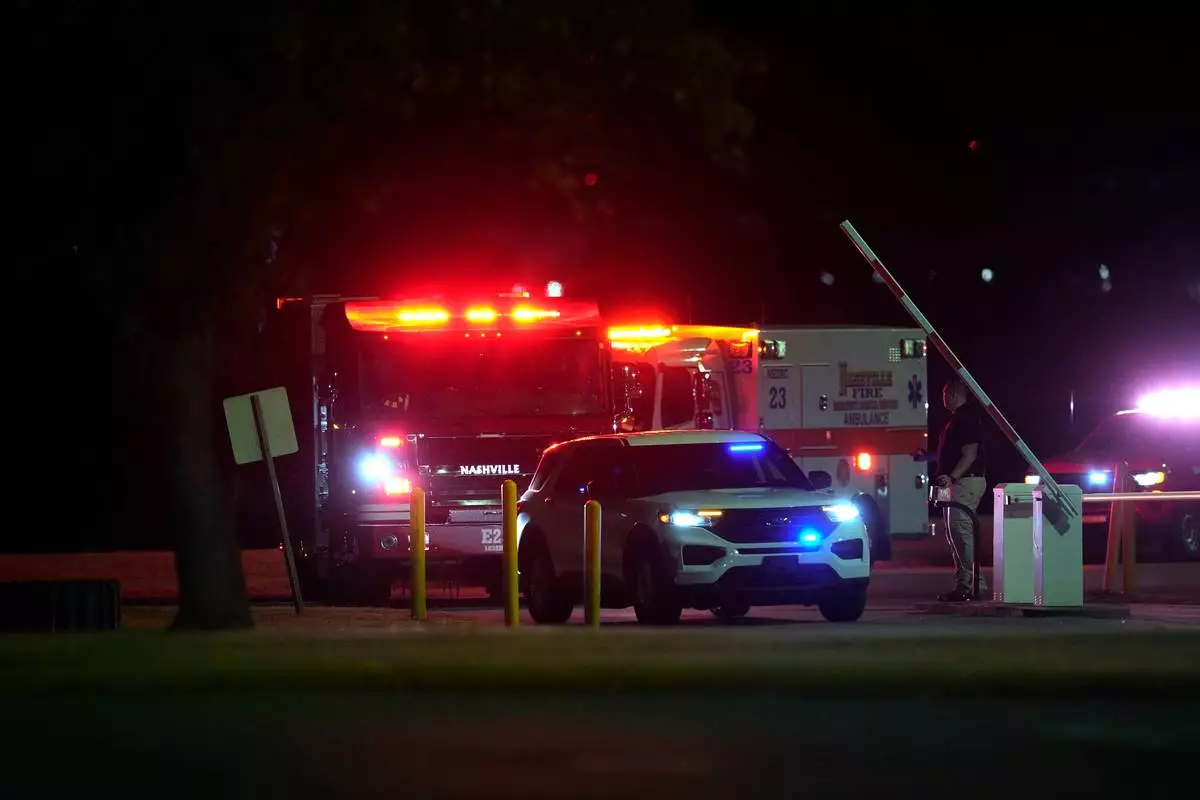
Emergency vehicles arrive at Riverbend Maximum Security Institution after the execution of Christa Pike was halted Wednesday, Sept. 30, 2026, in Nashville, Tenn. (AP Photo/George Walker IV)
JERUSALEM (AP) — U.S. President Donald Trump said Thursday that if Iran is linked to the copilot who tried to crash an Israel-bound flight, the Islamic Republic would be struck “very hard” for the attempt on the lives of more than 180 people aboard the jet.
Trump issued the warning as investigators worked to determine why the copilot stabbed the flight's captain, causing the FlyDubai plane to plummet before others on board stopped the attack and landed the airliner in Saudi Arabia.
The president was asked by reporters at the White House whether he had been briefed about any links between the pilot behind the attack and Tehran. He said, “We’re working on it right now.”
“I would say the answer, based on what I’m hearing, is yes, but we’re working on it right now,” Trump said. He did not elaborate about why he suspects Iran might be involved.
Asked if the U.S. would retaliate against Tehran if it was behind the attack, Trump said, “Oh they’ll be hit, very hard, don’t worry.”
“You just ask them,” he added. “They know what happened. They’ll be hit very hard.”
His remarks came as diplomatic efforts to end the war appear to have stalled.
Iranian officials indicated Wednesday that they received an official U.S. response to Tehran’s latest proposal to end the seven-month war, which Trump had publicly rejected just days earlier. The officials did not say what the response contained and whether it was a rejection.
Trump said in a Time magazine interview published Thursday that he will not accept proposals from Iran that “he wouldn’t have approved a year ago,” and left open the possibility of resuming bombing after the Nov. 3 election in the U.S.
Meanwhile, the American military has dispatched roughly 9,000 troops aboard a group of ships to the Middle East, a U.S. official said Thursday. That could mean three carriers will be in the region as soon as late October, according to the official, who spoke to The Associated Press on condition of anonymity to discuss sensitive military operations.
Despite Trump’s public rebuff, mediators have continued working with Iran and the U.S. to try to broker a deal to end the fighting and open the Strait of Hormuz, according to officials who were not authorized to comment publicly and spoke on condition of anonymity.
Passengers on the plane — which was carrying 182 people, mostly Israelis, from the United Arab Emirates to Tel Aviv — have described how the bloodied Indian captain managed to open the cockpit door to let them in before they grappled with the copilot and stabilized a descent so sharp that the plane’s rudder was torn away.
“We felt helpless, suspended in midair, and I didn’t know who to turn to. But it was all instinct to survive,” Asaf Rajuan, who was among those who intervened, said in a statement shared by Israel’s presidency.
A regional official briefed on the investigation said the suspect, an Omani citizen, was under arrest and confirmed that Saudi authorities were working with countries, including Israel, to try to determine a motive. He said the UAE, the United States and Oman also were involved. Saudi Arabia said the copilot had been handed over to the UAE.
“All possible scenarios, from terrorism to mental disorders, are being looked into. Nothing is ruled out for now,” said the official, speaking on condition of anonymity because they were not authorized to discuss an ongoing probe.
Israeli Prime Minister Benjamin Netanyahu, without giving details, claimed the attacker underwent Islamist indoctrination. Asked who helped radicalize him, the prime minister told Fox News channel’s “Fox and Friends" he did not know.
When asked by AP how the prime minister knew the copilot underwent indoctrination, Netanyahu’s office said it would not comment.
Netanyahu told Fox that the suspect apparently got through a loophole in Israeli aviation rules that normally bar pilots from flying to Israel if they are from countries that do not have diplomatic relations with Israel, which Oman does not.
The copilot has not been publicly identified. Video shot inside the plane by Dr. Shota Musayev, a dentist who treated the captain, shows the copilot on his knees, with his hands tied behind his back.
Capt. Smit Machchhar, widely praised as one of the heroes of the flight, was recovering in the Emirati capital of Abu Dhabi, the Indian government said Thursday.
It was not clear what the copilot used as a weapon.
Israeli intelligence and security officials were in Saudi Arabia to help investigate the copilot, according to another regional official who spoke on condition of anonymity because they were not authorized to speak to the media.
Israel has requested that the copilot be sent to Israel for the investigation, though it was unclear if that request would be granted, the official said.
Saudi Arabia does not have formal diplomatic ties with Israel, but the countries have long cooperated on security and intelligence matters through alternative channels.
The UAE government said its own investigation team had begun looking into the attack and “whether it was linked to any terrorist purpose,” noting that Emirati authorities have jurisdiction because the plane is registered there and UAE law applies to crimes committed on board.
Asked if there is any indication of Iranian involvement, Netanyahu told Fox News it was “too early to say.”
Netanyahu earlier said he also spoke with the UAE’s president, Sheikh Mohamed bin Zayed Al Nahyan, who agreed that Israel would join the interrogation of the suspect.
On Wednesday, Trump told reporters at the White House that he and Netanyahu discussed the incident “at length” by phone. He said it seemed as though the copilot “was perhaps a terrorist or perhaps a whack job.”
Oman's government has not commented.
Netanyahu had warned in recent days of heightened security threats, though he told CNN that Israel had received no specific warning. The country is a week away from the anniversary of the Hamas-led Oct. 7, 2023, attack on Israel, which has triggered the war in Gaza, and weeks away from an election.
The Israeli Foreign Ministry said most of the people aboard the flight were from Israel, along with others from India and the UAE. The U.S. State Department said four passengers had American citizenship.
Someone in the cockpit sent out two four-digit codes to discreetly signal distress while the plane flew erratically near the Jordanian border with Saudi Arabia, according to Flightradar24.com. The first code was “7700,” the universal “squawk” signal for an emergency, then “7500,” which indicates unlawful interference, including a possible hijacking.
The codes are used by pilots when it’s impossible or dangerous for them to speak over the radio.
FlyDubai said Wednesday that the jet was secured by on-duty crew members “who diverted and landed the aircraft safely.” A regional official said the crew members were pilots in training. The official spoke on condition of anonymity because they were not authorized to speak to the media.
In the chaos that began about two and a half hours after takeoff, the Boeing 737 Max 8 descended from 33,000 feet to 17,000 feet (around 10,000 meters to 5,100 meters) in about a minute, before making an erratic circle close to the Jordanian border and landing in Tabuk, according to Flightradar24.
Magdy reported from Cairo. Price reported from Washington. Associated Press writers Josef Federman in Jerusalem and Laurie Kellman in London contributed to this report.
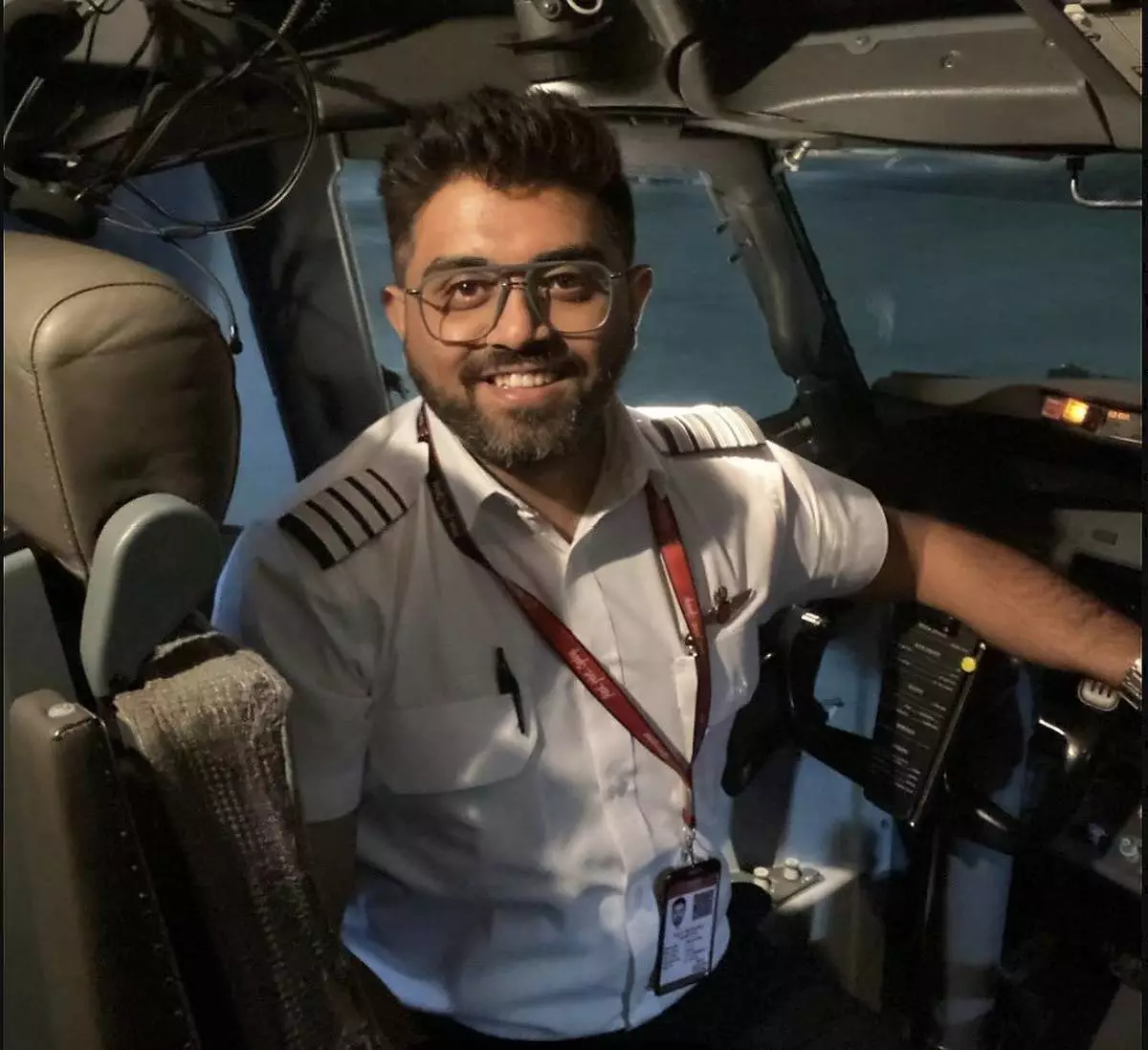
This undated photo released on Israel's Foreign Ministry social media shows Indian Capt. Smit Machchhar in the cockpit of a plane in an unknown location. Machchhar was at the controls of a FlyDubai flight that was diverted to Tabuk in northwestern Saudi Arabia for an emergency landing on Wednesday, Sept. 30, 2026. (Israel's Foreign Ministry via AP)
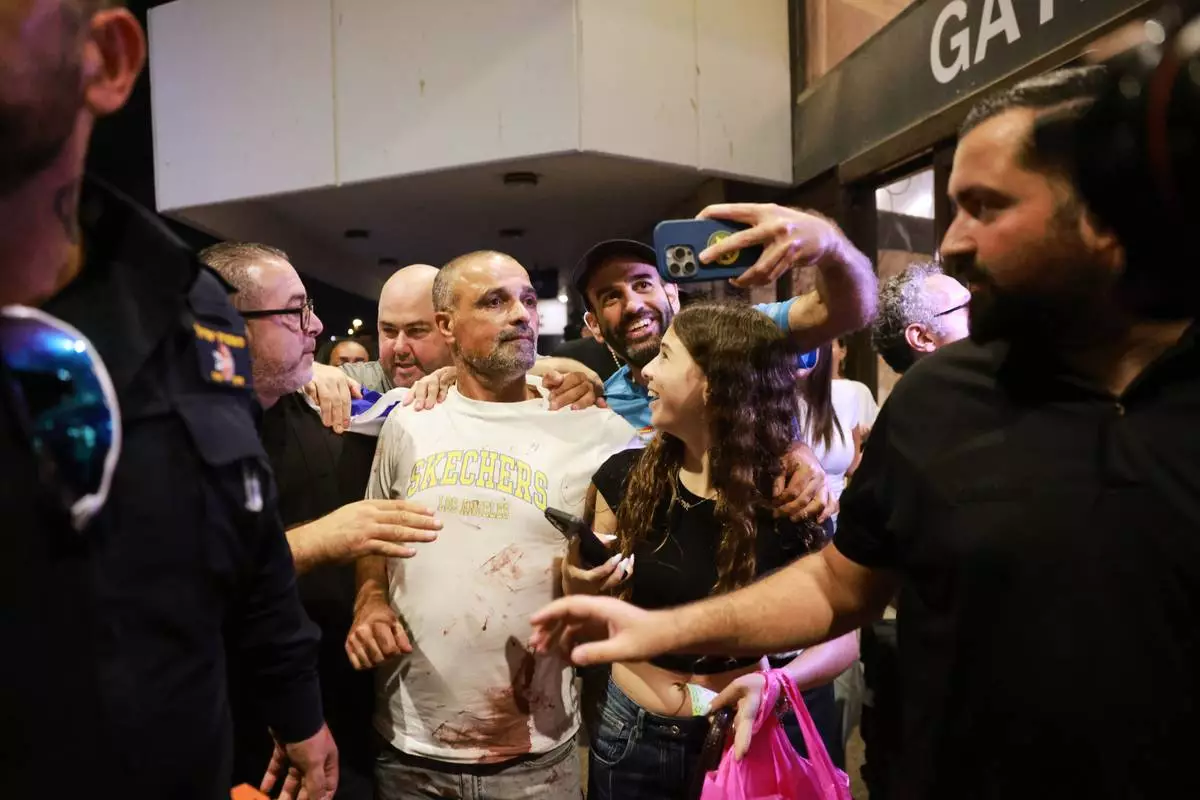
Israeli passenger Yaniv Hayoun, with blood stains on his shirt, who was aboard a Flydubai aircraft that made an emergency landing in Saudi Arabia, is welcomed at the arrivals gate at Ben Gurion International Airport near Tel Aviv, Israel, Wednesday, Sept. 30, 2026. (AP Photo/Tomer Appelbaum)
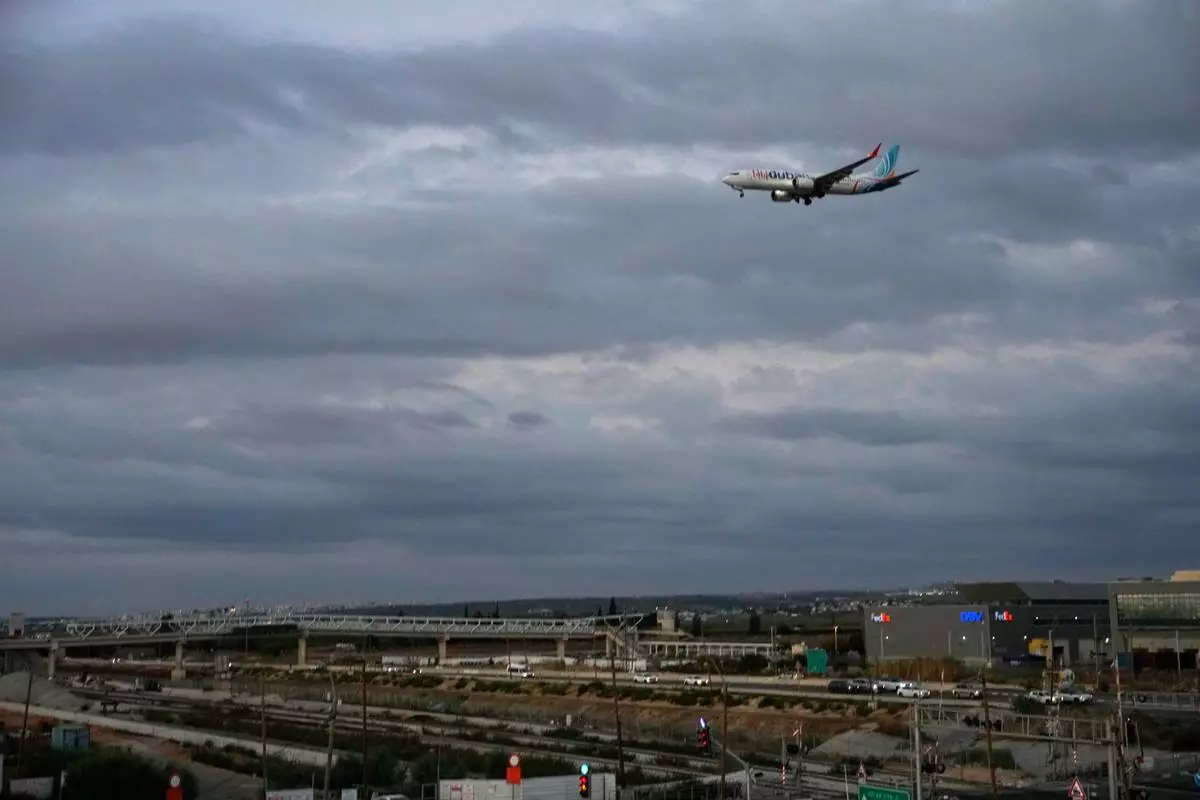
An FlyDubai plane carrying Israeli passengers who had earlier been aboard another FlyDubai aircraft that made an emergency landing in Saudi Arabia approaches Ben Gurion International Airport near Tel Aviv, Israel, Wednesday, Sept. 30, 2026. (AP Photo/Ohad Zwigenberg)
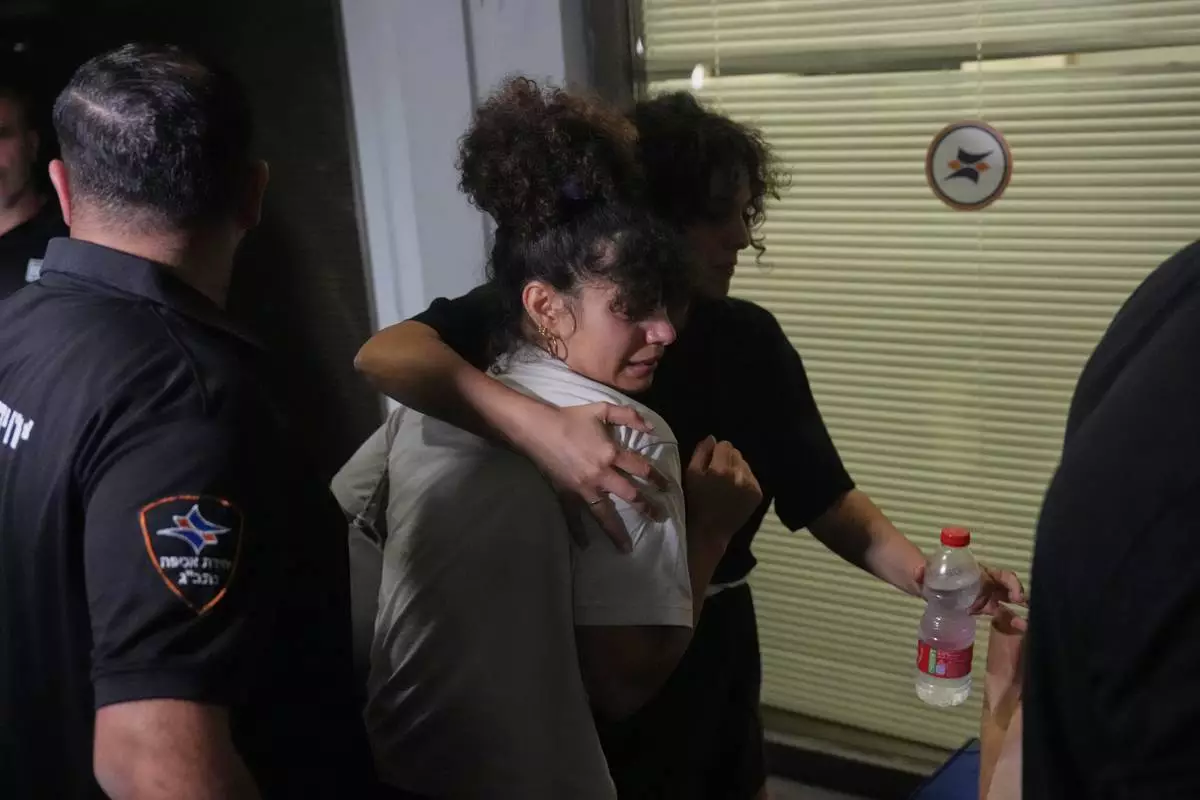
Passengers who experienced an emergency landing in Saudi Arabia, during a flight on FlyDubai plane, arrive at Ben Gurion International Airport, near Tel Aviv, Israel, Wednesday, Sept. 30, 2026. (AP Photo/Ariel Schalit)
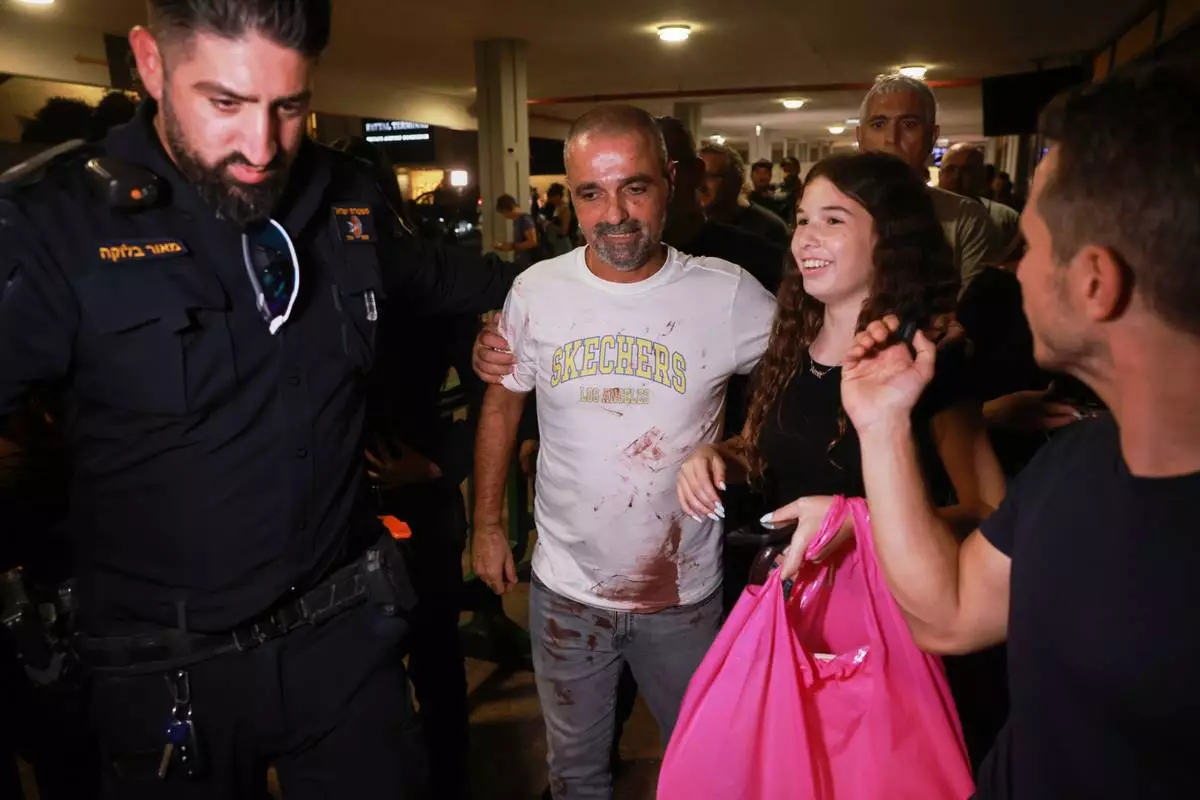
Israeli passenger Yaniv Hayoun, with blood stains on his shirt, who was aboard a Flydubai aircraft that made an emergency landing in Saudi Arabia, is welcomed at the arrivals gate at Ben Gurion International Airport near Tel Aviv, Israel, Wednesday, Sept. 30, 2026. (AP Photo/Tomer Appelbaum)