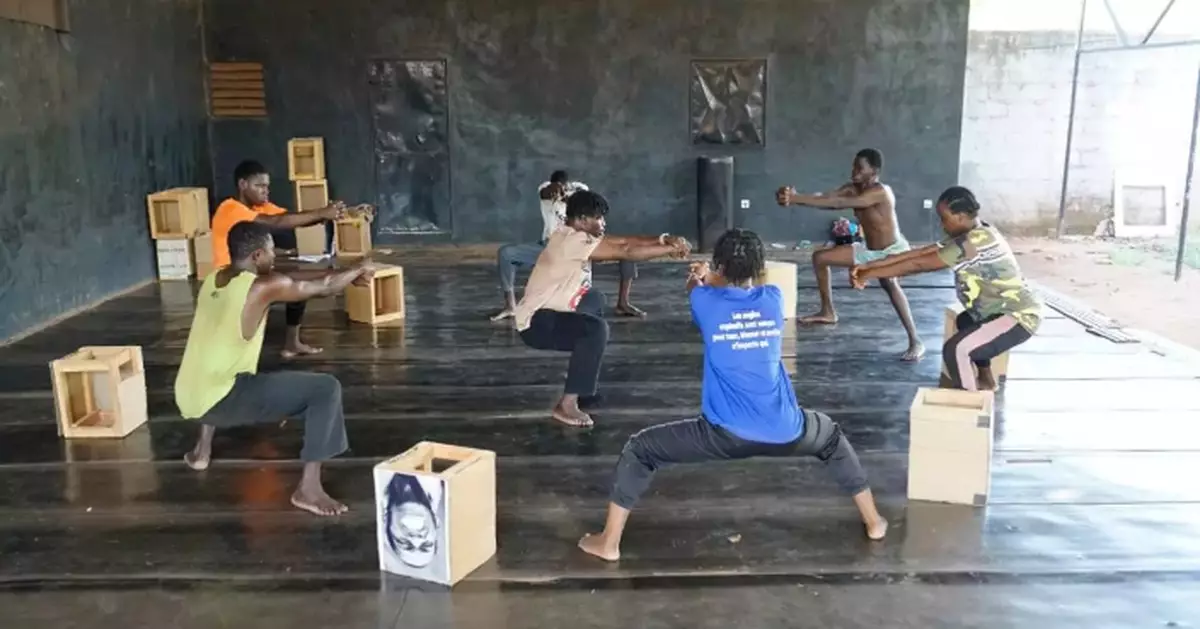
BOBO-DIOULASSO, Burkina Faso (AP) — The music is turned all the way up, sending vibrations through the rubber-covered stage as Yaya Sanou translates the beat with his face and gestures for a small group gathered around in Burkina Faso’s western city of Bobo-Dioulasso.
The group of deaf and non-verbal dancers follow the rhythm and music through the vibrations and body gestures, part of a local technique created by Sanou to make it possible to follow music even without hearing it.
Click to Gallery
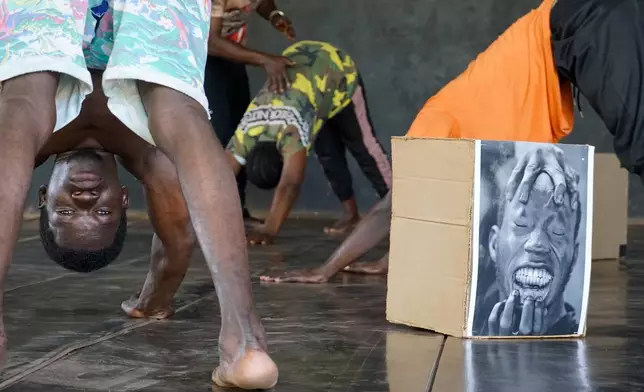
Adama Sanoua, a deaf, non-speaking Burkinabé dancer and member of the Fientan Compagnie, participates in a physical training session, with part of the performance's set beside him in Bobo-Dioulasso, Burkina Faso, Tuesday, May 5, 2026. (AP Photo/Elia Borras)
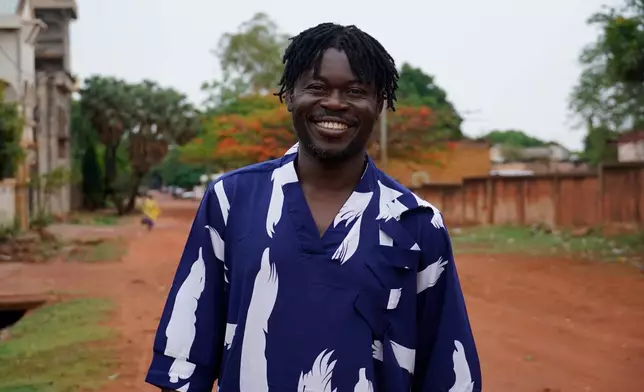
Yaya Sanou, founder of the Association Au-delà de l'Handicap and artistic director of the Fientan Company in Bobo-Dioulasso Burkina Faso, Tuesday, May 5, 2026. (AP Photo/Elia Borras)
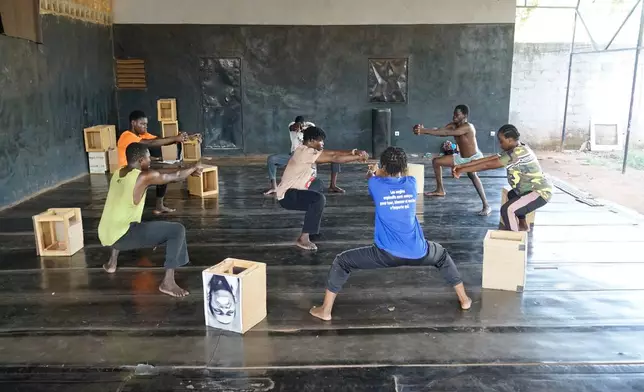
Members of the Fientan Compagnie take part in a physical training session at the headquarters of the Au-delà de l'Handicap Association in Bobo-Dioulasso, Burkina Faso, Tuesday, May 5, 2026. (AP Photo/Elia Borras)
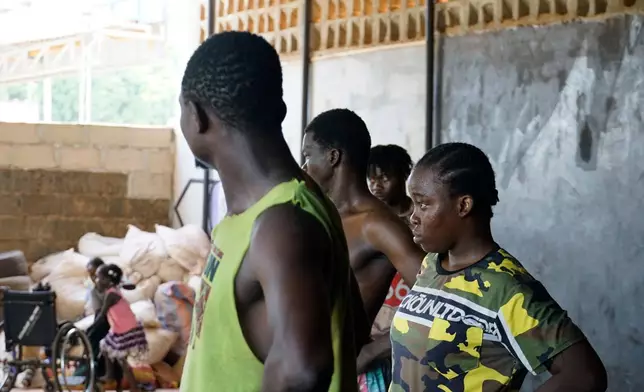
Burkinabé dancer Ouaramata Sanou, with her colleagues, looks to Yaya Sanou, who gives them guidance in Bobo-Dioulasso, Burkina Faso, Tuesday, May 5, 2026. (AP Photo/Elia Borras)
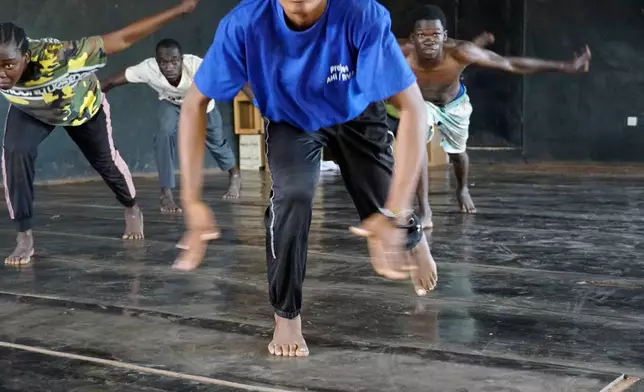
Members of The Fientan Compagnie, a group of young deaf and non-speaking people, take part in a dance training, in Bobo-Dioulasso, Burkina Faso, Tuesday, May 5, 2026. (AP Photo/Elia Borras)
The Vibra-Signe technique has gained popularity in and outside Burkina Faso with its use by members of the Fientan dance company, which Sanou, a dance tutor and choreographer, founded a decade ago in Bobo-Dioulasso for deaf and hard-of-hearing dancers.
Vibra-Signe translates music into vibrations, touch and visual cues. Dancing barefoot, performers feel the percussion through the floor, while taps, signs, gestures and facial expressions communicate the tempo, transitions and emotional intensity of the choreography.
With Vibra-Signe, Fientan won a gold medal for dance creation at the 2023 Francophone Games in Congo’s capital of Kinshasa. The group has also performed its latest production, “Adepte de mon être,” which in English means “Devoted to my being,” in Germany and Ivory Coast.
In the West African nation, where government support is limited and resources are inadequate, Vibra-Signe has empowered the dancers and improved their social skills.
Even the group’s name is empowering, they say, as Fientan means “without disability” in the local Dioula language.
“This teaching method is an opportunity (for us) and also a solution to a problem … that gives young people the possibility to express themselves and to say what they want to say,” Adama Sanou, one of the dancers, said in sign language.
Sanou, the tutor, began his dance career many years ago on the streets of Bobo-Dioulasso, Burkina Faso's second-largest city, blending the traditional dances he learned at home with modern styles.
That was when he noticed that the children at the Institut des Jeunes Sourds du Faso, a local school for deaf children and others with disabilities, rarely socialize. He said he took it up as a challenge to hold dance classes for them.
He developed Vibra-Signe as his dance group became more popular, with children from within and outside Bobo-Dioulasso joining his sessions.
He explained it could take time to master the technique to follow the rhythm, vibrations and body movements, but that the result has been fulfilling for him and his students.
“With this project, we give these young people the possibility to express themselves and to say what they want to say,” he said.
There’s no recent data available on the number of deaf and hard-of-hearing people in Burkina Faso, but the 2019 census recorded about 46,500 people aged 2 or older who had significant difficulty hearing or could not hear at all.
The country of around 24 million people has adopted education programs and measures intended to improve living conditions for people with disabilities, including deaf and hard-of-hearing people. But rights advocates and experts say there are still shortages of teachers, sign-language interpreters and support services.
Although American Sign Language is taught in schools, it doesn't reflect the local languages spoken in homes. Moreover, many deaf children never get the chance to learn sign language until they enroll in school, sometimes not until they're 10 years old.
Burkina Faso's Institute of Social Sciences published a study showing that 58% of respondents have a “negative” perception of deafness because it is considered a “curse” or a “spiritual punishment.”
Vibra-Signe is a great way to improve inclusion for children with disabilities and could be modified to be integrated into other programs including education, said Philo Camara, a disability advocate in the country.
At the dance studio in Bobo-Dioulasso, members of Fientan have developed ways to identify themselves and communicate.
Souleymane Barro, a 24-year-old deaf dancer, introduces himself with a sign combining the “B” in Barro with the “S” in Souleymane. “As a deaf person, it is difficult to get ahead,” Barro said. “But I am working to become a professional and teach the younger ones to dance.”
Cultural and societal norms meant some of the children faced resistance from families when they talked about joining the dance group.
“When I suggested it to my father, he did not like it at first but I kept dancing,” said dancer Sanou, who is not related to trainer Yaya Sanou.
At a recent rehearsal, curious children drifted in, captivated by the dancers. The music played nonstop as the tutor communicated with his hands, face and body. The dancers repeated the movements, their eyes fixed on him.
Ouaramata Sanou, 26, once watched from the sidelines, but joining the group has opened up a new life, she said.
“Before, I watched people doing things, dancing, and I did nothing,” she said. “But now I dance, and I can travel.”
For more on Africa and development: https://apnews.com/hub/africa-pulse
The Associated Press receives financial support for global health and development coverage in Africa from the Gates Foundation. The AP is solely responsible for all content. Find AP’s standards for working with philanthropies, a list of supporters and funded coverage areas at AP.org.
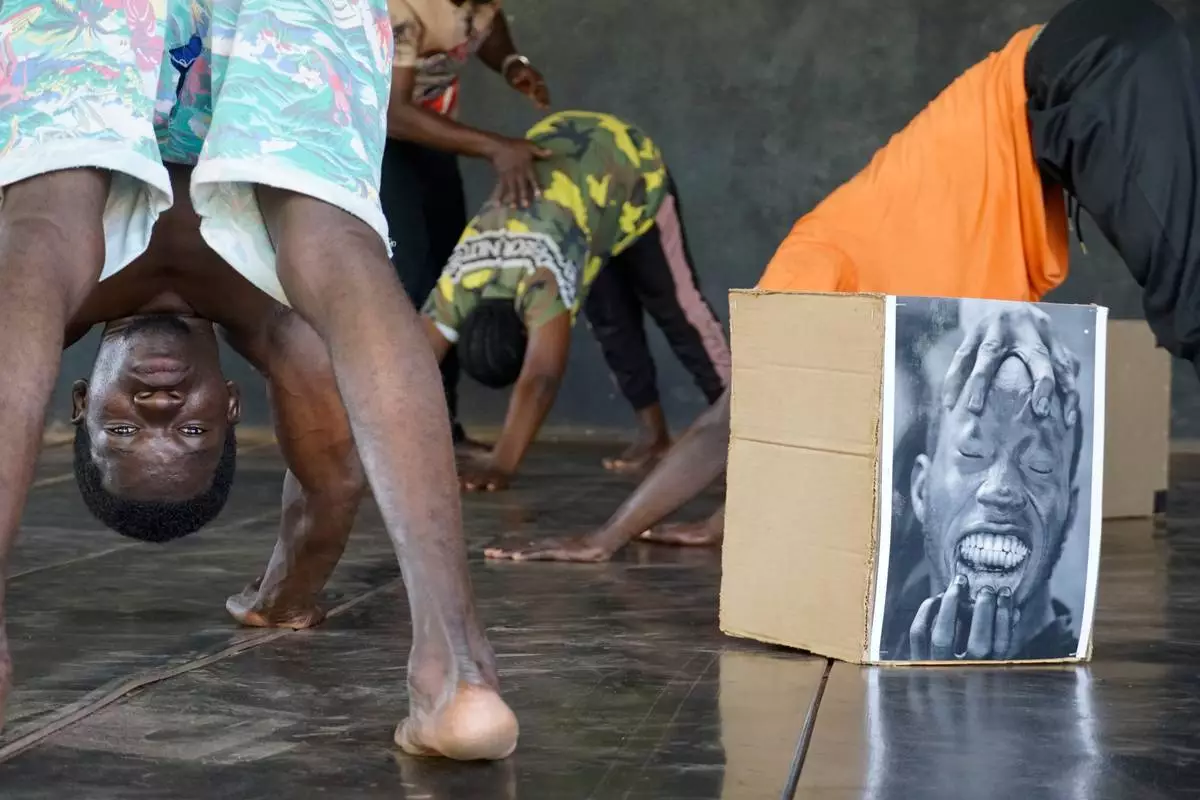
Adama Sanoua, a deaf, non-speaking Burkinabé dancer and member of the Fientan Compagnie, participates in a physical training session, with part of the performance's set beside him in Bobo-Dioulasso, Burkina Faso, Tuesday, May 5, 2026. (AP Photo/Elia Borras)
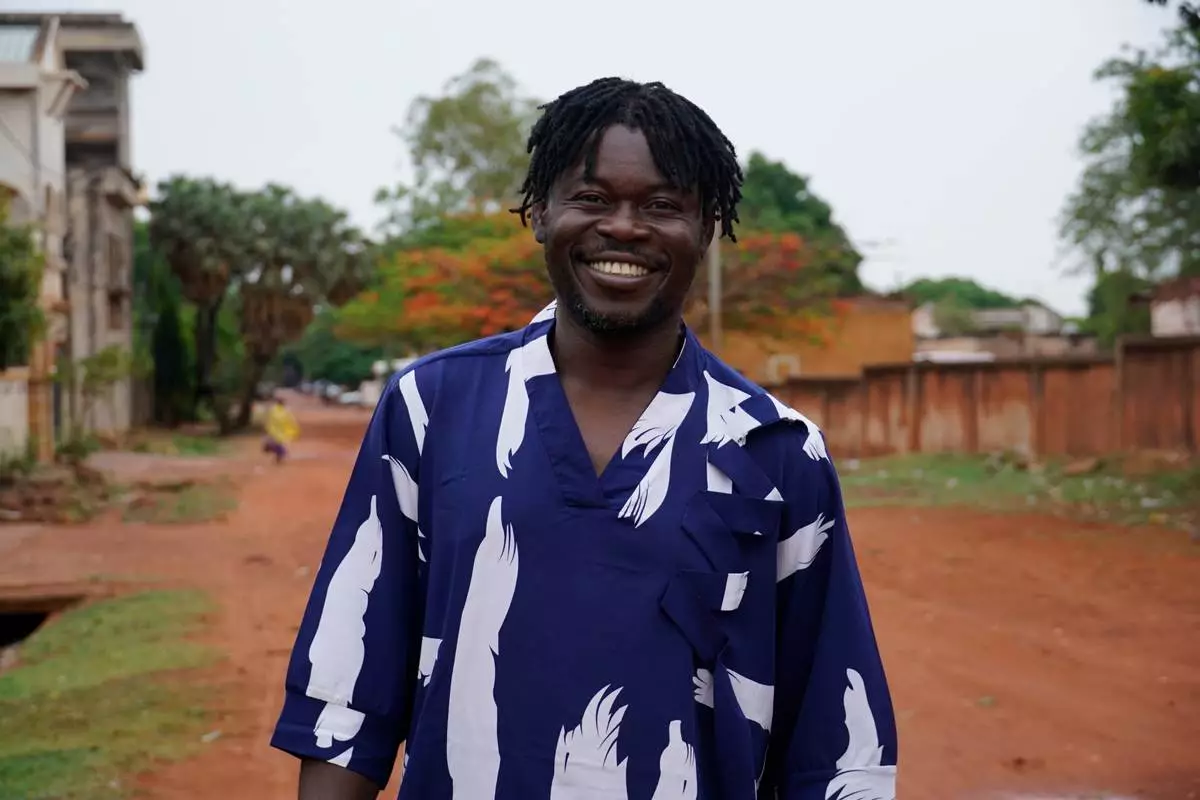
Yaya Sanou, founder of the Association Au-delà de l'Handicap and artistic director of the Fientan Company in Bobo-Dioulasso Burkina Faso, Tuesday, May 5, 2026. (AP Photo/Elia Borras)
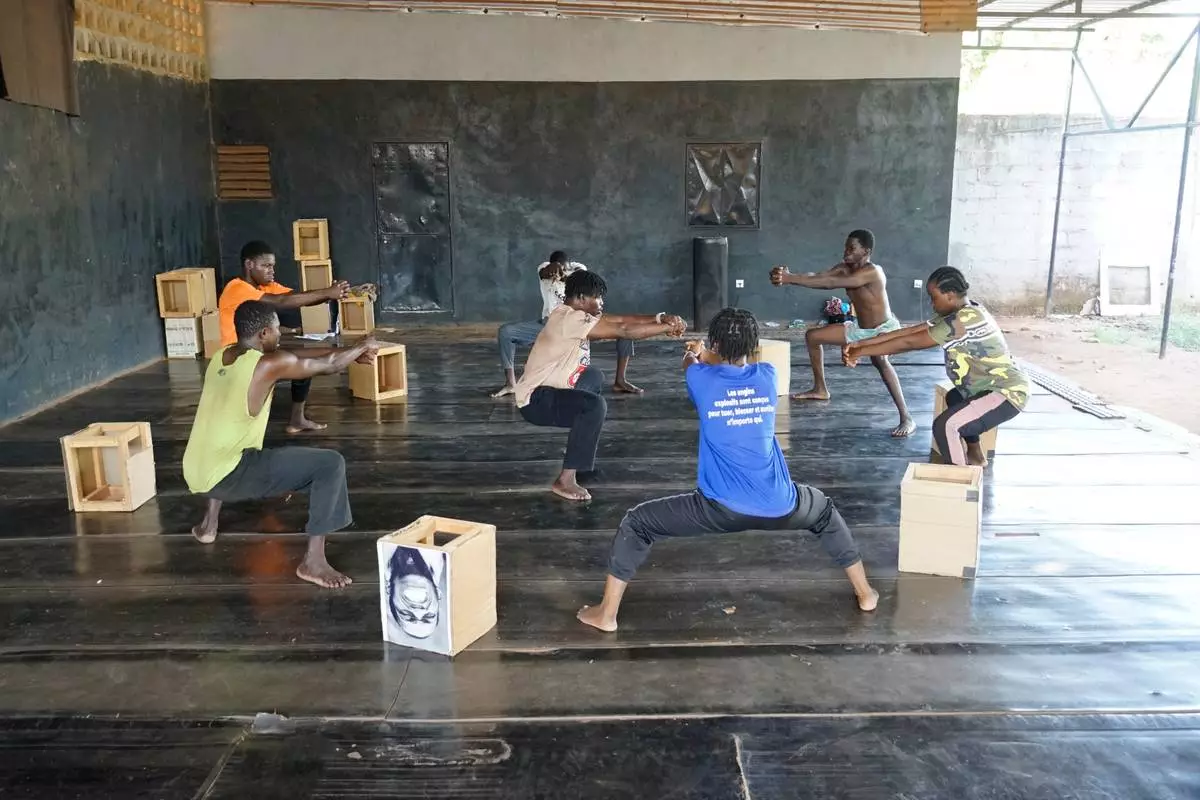
Members of the Fientan Compagnie take part in a physical training session at the headquarters of the Au-delà de l'Handicap Association in Bobo-Dioulasso, Burkina Faso, Tuesday, May 5, 2026. (AP Photo/Elia Borras)
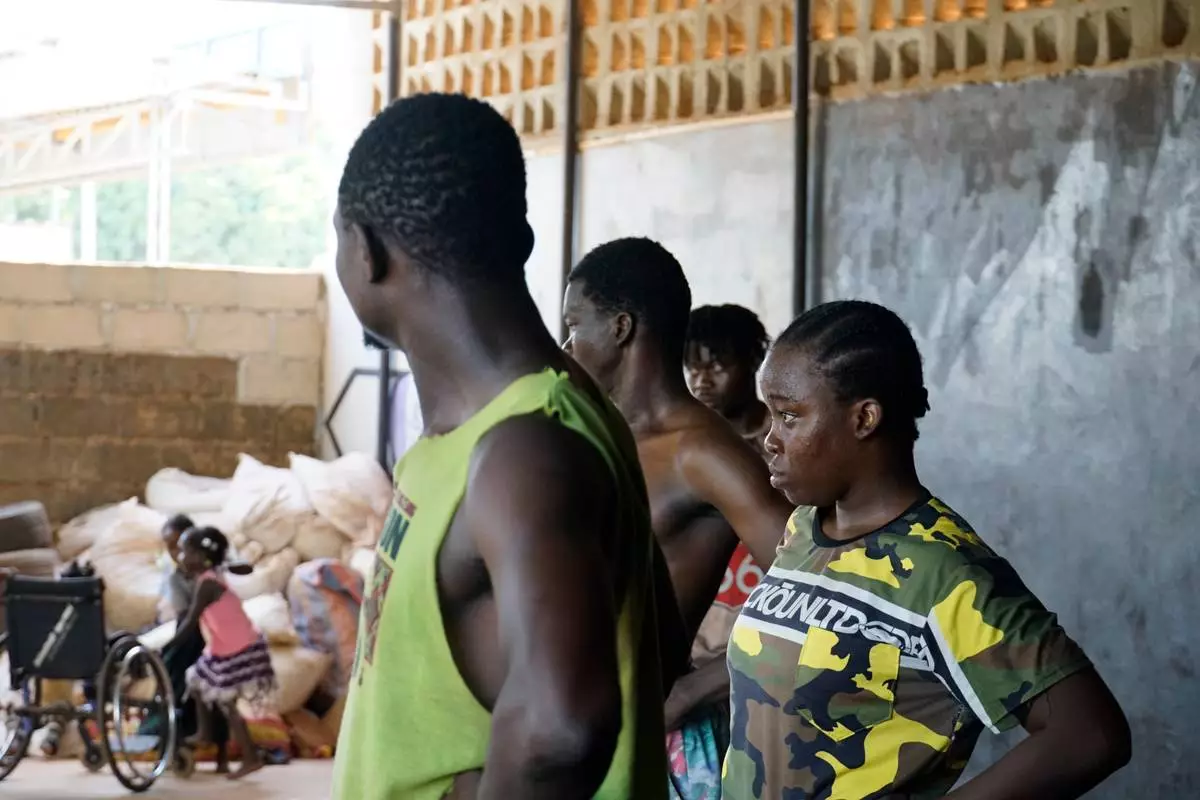
Burkinabé dancer Ouaramata Sanou, with her colleagues, looks to Yaya Sanou, who gives them guidance in Bobo-Dioulasso, Burkina Faso, Tuesday, May 5, 2026. (AP Photo/Elia Borras)
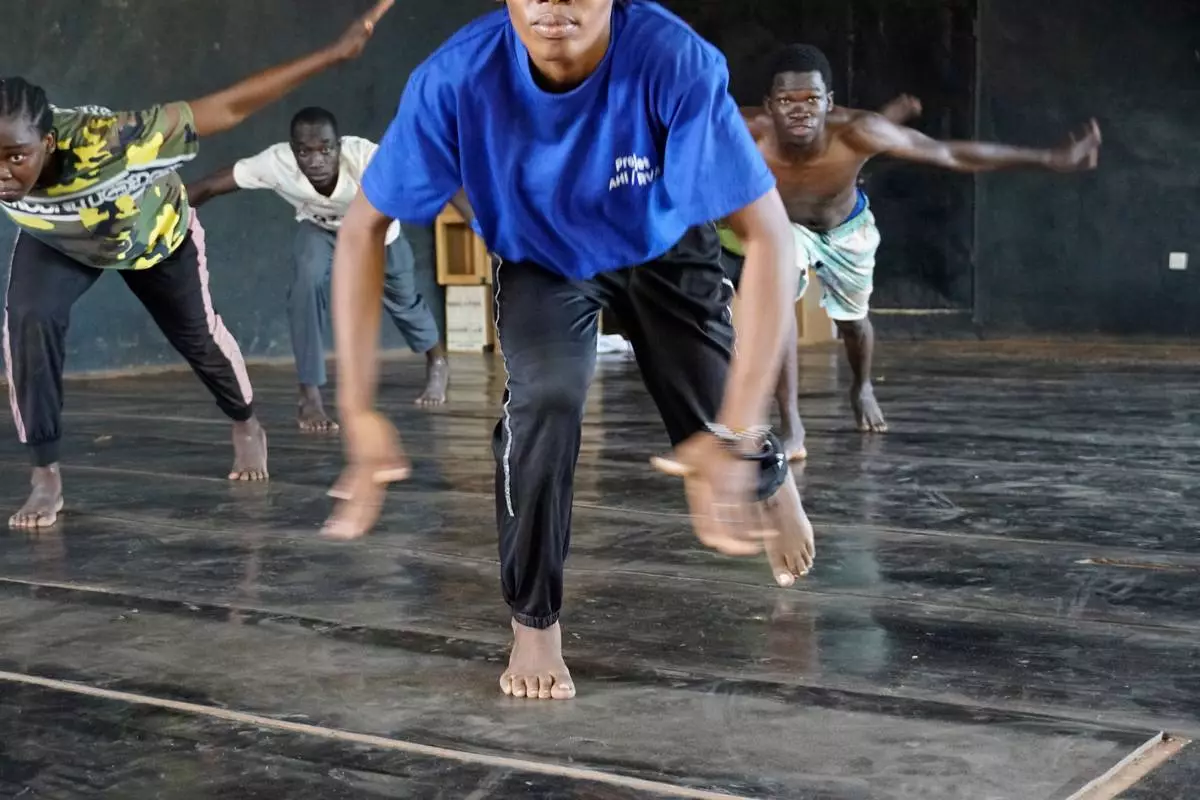
Members of The Fientan Compagnie, a group of young deaf and non-speaking people, take part in a dance training, in Bobo-Dioulasso, Burkina Faso, Tuesday, May 5, 2026. (AP Photo/Elia Borras)