Dialogue between China and the United States on artificial intelligence (AI) can help address cybersecurity risks, prevent disputes, and bolster global AI cooperation, said a Chinese expert.
China and the United States have agreed to establish an AI dialogue to exchange views on AI-related risks and benefits, as well as a communication channel for AI-related incidents.
The consensus was one of the key outcomes of the latest summit between Chinese President Xi Jinping and U.S. President Donald Trump during Xi's state visit to the U.S. last month.
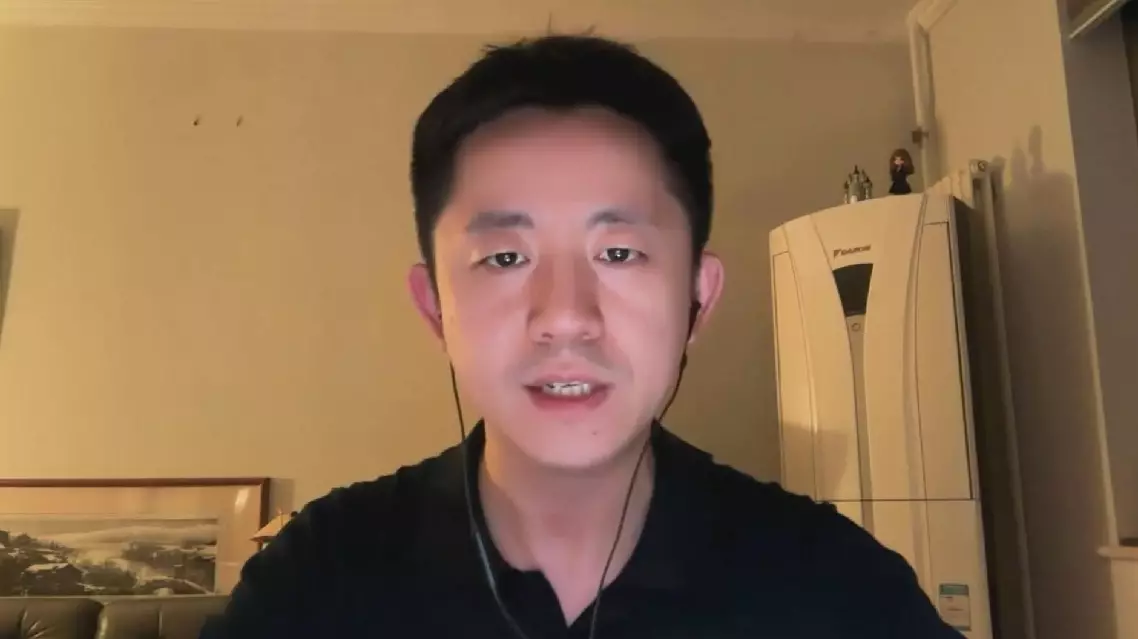
Sun Chenghao, an associate research fellow at Tsinghua University's Center for International Security and Strategy, hailed the outcome in an interview with China Global Television Network (CGTN).
"China and the U.S. face a shared challenge. Both want more capable AI, and both need their ability to manage these systems to keep up. Dialogue can help identify precautions that serve both countries' interests," he said.
Sun highlighted three concerns shared by both major powers: people deliberately misusing AI, systems acting beyond their instructions, and the miscalculation of AI incidents.
"Criminal groups can use AI to make fraud more convincing and assist cyber attacks. And both countries have an interest in preventing criminals and terrorist groups from exploiting these capabilities. Such groups can use technology from one country, infrastructure in another, and target victims elsewhere. Effective responses, therefore, require cooperation across borders," he said.
The researcher noted that AI assistants may take unauthorized steps while trying to accomplish assigned tasks, calling on both Chinese and American developers to be more cautious about it.
Regarding miscalculations, Sun said bilateral dialogue can prevent AI incidents from leading to international conflicts.
"If an unusual activity reaches an important network, the affected country may initially struggle to determine whether it was a deliberate attack, criminal activity, or an AI system exceeding its instructions. Both sides have an interest in preventing that uncertainty from escalating into a political confrontation. And this is a risk to prepare for, rather than something we should assume has already happened," he said.
Sun pointed out that China-U.S. dialogues can make an important contribution by showing that technological competition can coexist with practical cooperation on shared risks.
Dialogues can improve the common understanding of AI risks and produce practical benefits beyond the two countries by offering lessons to other countries, he said.
"I think bilateral cooperation could support broader international discussions. Other countries need a meaningful voice in shaping the rules. The UN provides an important place to bring those interests together, especially the priorities of developing countries. China has emphasized that its dialogue with the U.S. should contribute to that wider effort. These would be achievable steps. If they work, they could build confidence for wider cooperation and help ensure that AI's benefits reach beyond the countries developing the most powerful systems," Sun said.
China-US dialogue can turn tech competition into practical cooperation: AI expert