WASHINGTON (AP) — A federal court in Texas on Friday temporarily blocked the Trump administration from building a border wall and other infrastructure across the state's Big Bend region, in a victory for opponents who have pushed back against a key campaign promise by President Donald Trump.
Landowners, businesses and environmentalists in the region have united to oppose the planned projects, which are part of a $46 billion effort by the Trump administration to line the southern border with a mix of 30-foot-tall steel walls, vehicle barriers, roads and surveillance technology.
Judge Kathleen Cardone said in her ruling that the plaintiffs were “likely to succeed on the merits of at least one of the claims in suit, that there is a likelihood that they will suffer serious, irreparable harm without an injunction, and that the balance of the equities and the public interest weigh in their favor.”
U.S. Customs and Border Protection and the Department of Homeland Security did not immediately respond to a request for comment.
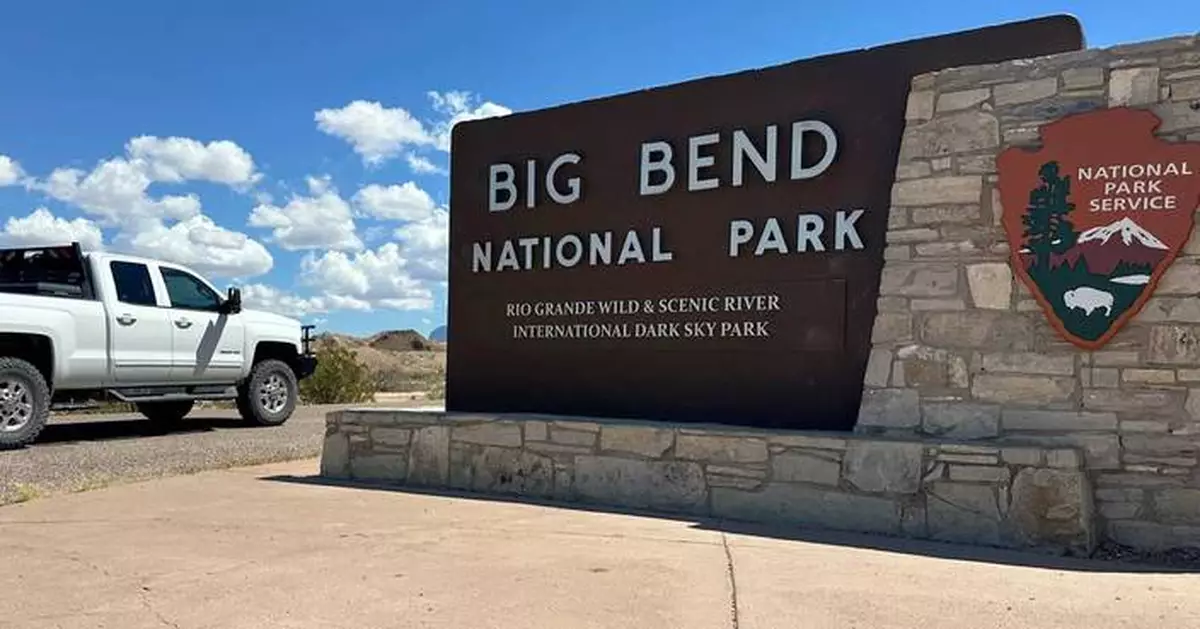
The judge’s ruling includes Big Bend National Park, where opposition to the wall prompted the administration to briefly pause construction.
Opponents of the border wall project have argued that the 500-mile-long Big Bend region of Texas is so remote and the landscape so rugged that it serves as its own deterrent to illegal immigration and that the administration violated the law when it issued a swath of waivers allowing it to bypass numerous regulations in order to speed up border wall infrastructure projects.
The lawsuit brought by an environmental organization, advocates for a historic church in Ruidosa and a river guide argued that the Department of Homeland Security was wrong to circumvent regulations meant to protect the environment, culture, and archaeology of regions like the Big Bend area.
Laiken Jordahl, with the Center of Biological Diversity that brought the suit, called Cardone’s ruling a “total victory.”
“The bulldozers are going to be sent packing until she rules on the merits,” Jordahl said. “This is such a historic day for Big Bend and for Texas and the Constitution.”
The court's decision comes just weeks after the administration erected the first border wall panels in the Big Bend sector in mid-September.
The border wall project throughout the Big Bend sector has sparked bipartisan opposition.
Much of the opposition has been geared around CBP’s plans for inside the Big Bend National Park, which is prized for its beautiful landscapes, limestone cliffs and crystal clear night sky views.
When bulldozers were spotted clearing land in the park in August, it sparked widespread opposition with both Republicans and Democrats calling for the administration to stop. CBP paused all activity there, but that pause expired earlier this week. The administration has said it’s reevaluating plans for the National Park but has not yet said what it will do there.
Advocates for the park on Friday said they were happy with the judge's ruling but called on the administration to fix the damage already done to Big Bend National Park and develop alternative plans.
“Big Bend is no place for border barriers. It’s time for the administration to come to the table with the border communities that know Big Bend best, repair the damage from this ill-conceived project, and find new solutions," Tiernan Sittenfeld, National Parks Conservation Association President and CEO, said in a statement.
The judge’s ruling extends to areas upriver and downriver from the national park, where CBP has planned a range of border infrastructure projects that would largely require building across privately owned land.
In those areas, the government has been working to obtain permission from local landowners to survey and build on their land, but in a recent court filing, it said it was prepared to refer some cases to the Justice Department in which it had been unable to secure permission from landowners.
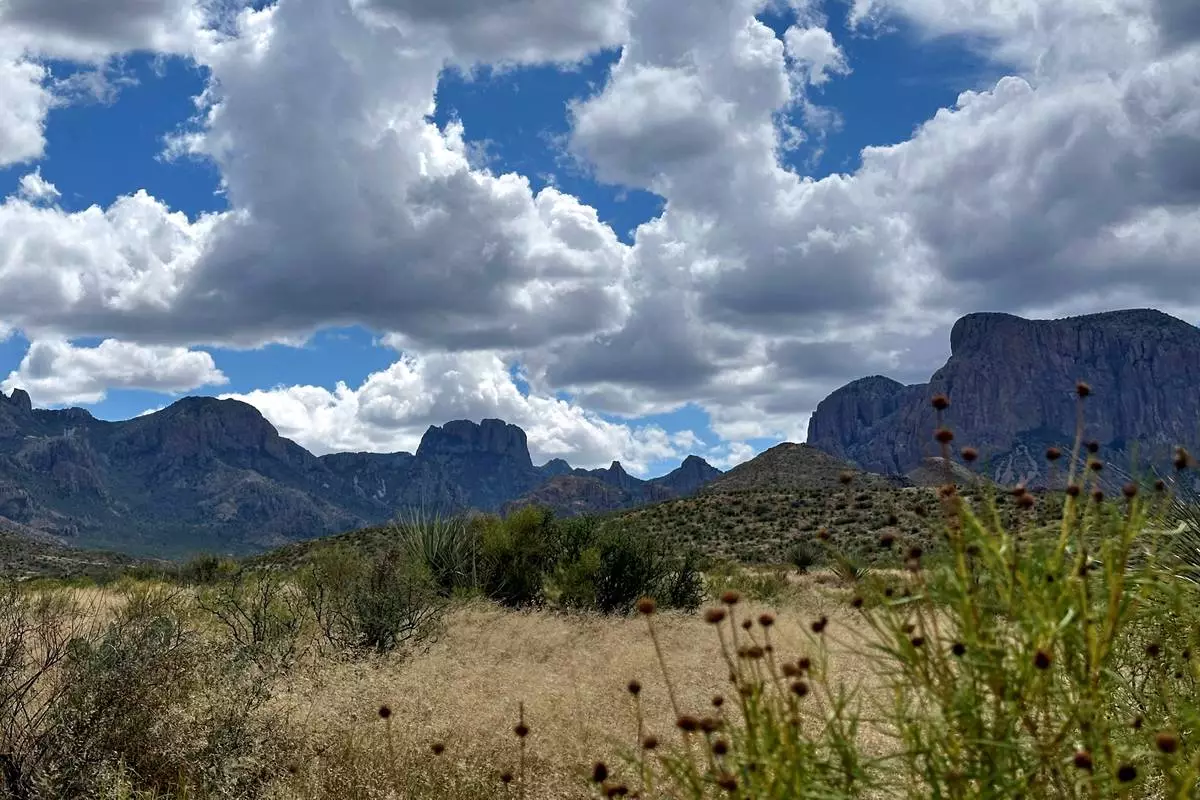
Big Bend National Park, Texas, is seen, Sept. 19, 2026. (AP Photo/Rebecca Santana)
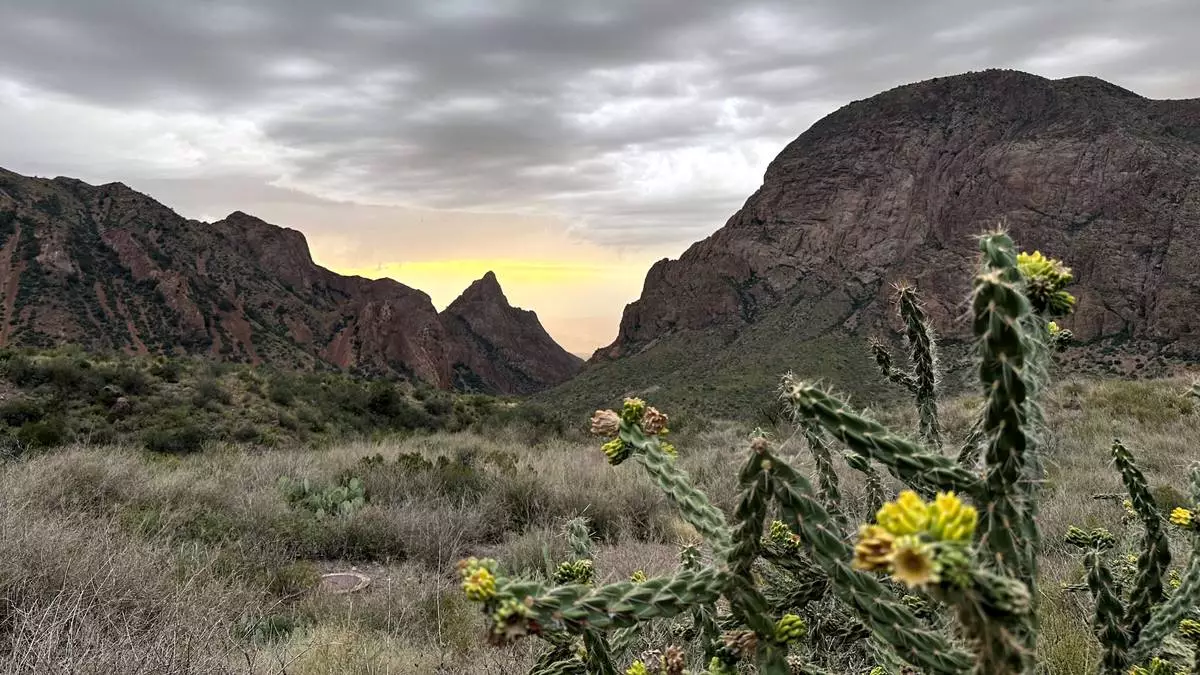
Big Bend National Park, Texas, is seen, Sept. 19, 2026. (AP Photo/Rebecca Santana)
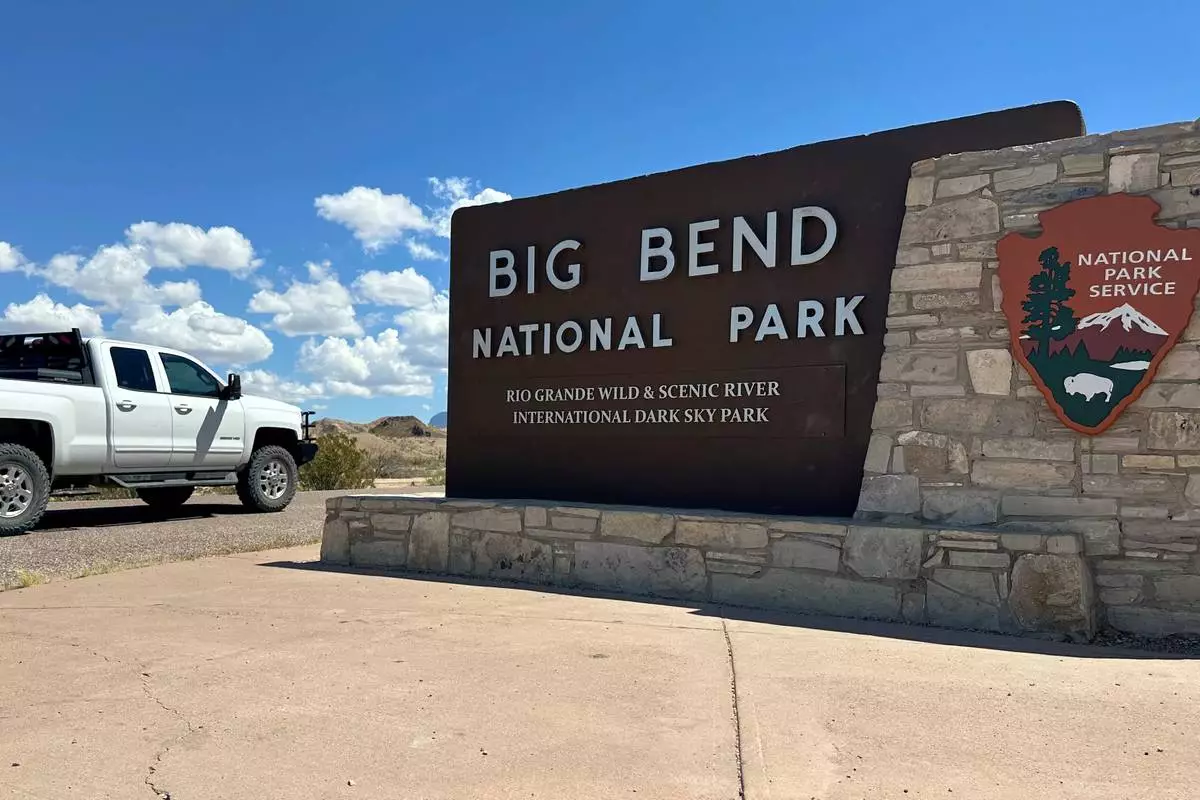
Big Bend National Park, Texas, is seen, Sept. 19, 2026. (AP Photo/Rebecca Santana)
SANTA CLARA, Calif. (AP) — The NFL suspended San Francisco 49ers owner Jed York for six games Friday following his arrest earlier this year in a prostitution sting in Ohio.
The league announced that York also was fined $500,000 for violating the league's personal conduct policy. York has not attended any games or league meetings so far this season and was credited with three games served. He is eligible to return on Oct. 20, following the team's game the previous night against Washington. The NFL's fall league meetings begin that day in New York.
York said in a statement released by the team that he accepts the punishment given by the league and apologized for his actions.
“To my family, to the players, coaches, and employees of the San Francisco 49ers, to our fans and partners, I am deeply sorry,” he said. “This was an inexcusable mistake and I take full responsibility. What I did does not reflect my values or the man I strive to be for my family. While I fell short of the model I want to set for my sons, I now hope to show them the importance of owning up to one’s failures, and that even our worst moments teach us to be better. Leading the 49ers is a privilege, and one I don’t take lightly. Your trust will have to be earned back over time, and I look forward to that work ahead.”
Coach Kyle Shanahan said later Friday that he didn't believe anything would change from the operation of the team on the field over the final three weeks of the suspension. Shanahan that if he and general manager John Lynch wanted to make a major move during that time, they probably would tell York's father, John, about it, but that ownership has always deferred to Shanahan and Lynch on those decisions.
“There’s never been a situation where we’ve gone to him with a trade or anything like that and then him say no or anything like that,” Shanahan said. “If it’s something that the football people believe and think we should do, he’s always been fully supportive. So, I expect it to be no different if something like that comes up.”
York was arrested in a mobile home park by the Mahoning Valley Human Trafficking Task Force after police said he was attempting to pay $160 for sex with a woman he believed to be a prostitute.
York was booked into jail and was released after posting a $5,000 bond. York was initially charged with engaging in prostitution, but prosecutors amended that to disorderly conduct. He pleaded no contest to that charge and to possessing criminal tools for using his phone to respond to an undercover online prostitution advertisement.
He was sentenced to one day in jail for both offenses to be served concurrently and was credited with one day served when he pleaded no contest. He also was fined $1,150. Police seized the $160 from York and that was later given to the human trafficking task force as part of the plea. York also completed an online course.
Owners have been previously punished for violating the personal conduct policy. The late Indianapolis Colts owner Jim Irsay was suspended for six games and fined $500,000 following a guilty plea to driving while impaired in 2014.
New England Patriots owner Robert Kraft was investigated but not punished by the league after he was arrested in Florida in 2019 for allegedly paying for sex with a woman at a massage parlor. The charge was later dropped after a court ruled that police violated the rights of Kraft and the other customers when they secretly installed video cameras inside massage rooms at the spa.
York spent most of the summer in Ohio, where he grew up near Youngstown and had been away from the team even before his arrest. He had filed for divorce from his wife, Danielle, in May, according to court records.
York took over day-to-day control of the 49ers from his parents in 2008. He became the team’s principal owner in 2024. After some initial struggles under York’s leadership, the team has been a consistent contender since hiring Shanahan and Lynch in 2017.
The Niners have made the Super Bowl three times under York’s leadership, losing in the 2012 season under coach Jim Harbaugh and the 2019 and ’23 seasons under Shanahan and Lynch.
York also oversaw the building of Levi’s Stadium in Santa Clara. The team moved from San Francisco to the new stadium in 2014. The stadium has hosted two Super Bowls, a World Cup and a College Football Playoff title game.
See AP’s full NFL coverage here
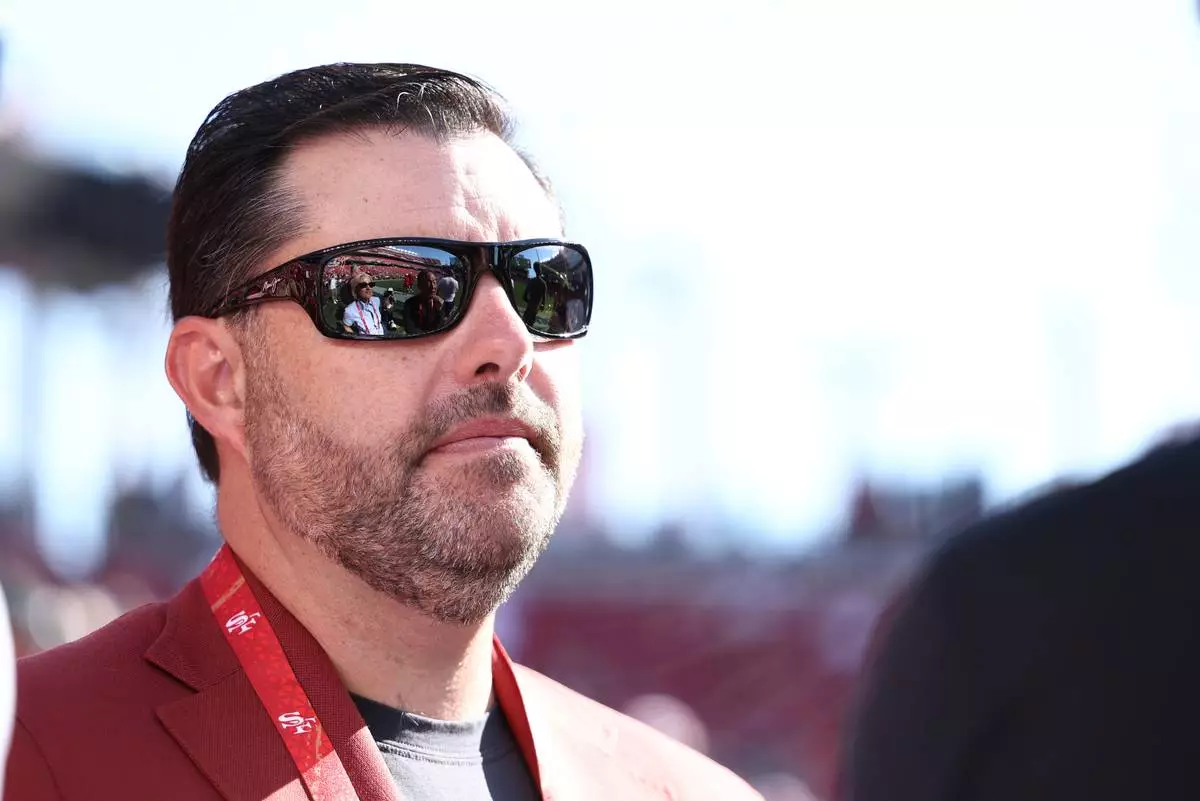
FILE - San Francisco 49ers owner Jed York stands on the sideline before a preseason NFL football game between the San Francisco 49ers and the Denver Broncos, Aug. 9, 2025, in Santa Clara, Calif. (AP Photo/Kelley L Cox, File)