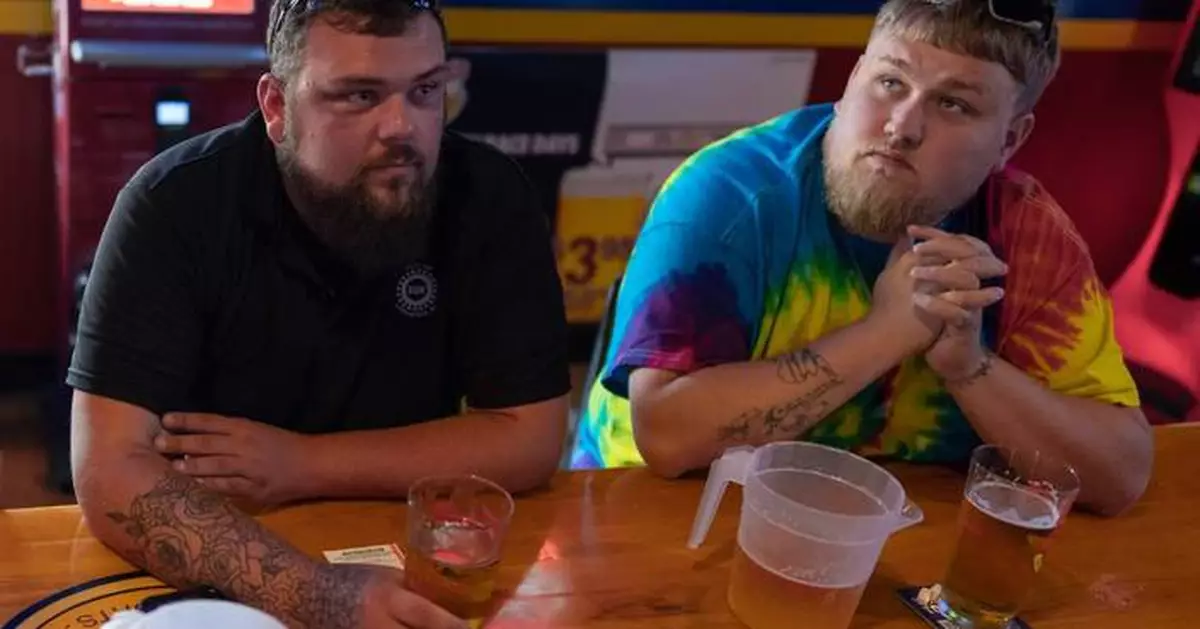
SPRINGFIELD, Ohio (AP) — Sipping tea from beer mugs with his co-workers, Kyle Bos listed the ways his life is changing.
Bos has two daughters, with a third due in January. At the grocery store, five items cost as much as a full cart once did. And on Wednesday, Bos and nearly 1,400 other people were laid off from their jobs at what had been the Navistar truck factory in southwestern Ohio.
Click to Gallery
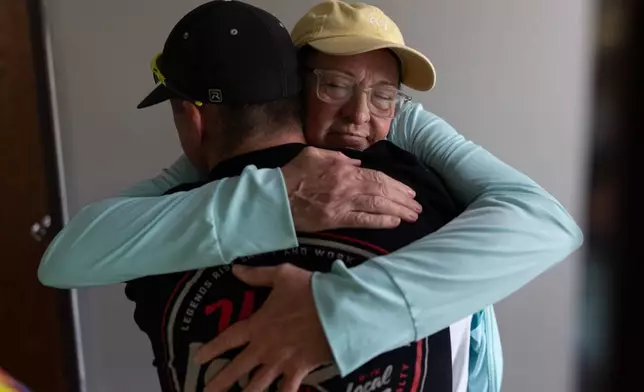
UAW Local 402 members, Brad Cloud, left, and Marianne Donnelly, right, embrace at the union hall, in Springfield, Ohio, Wednesday, Sept. 30, 2026, old Navistar last day at its Springfield plant. (AP Photo/Carolyn Kaster)
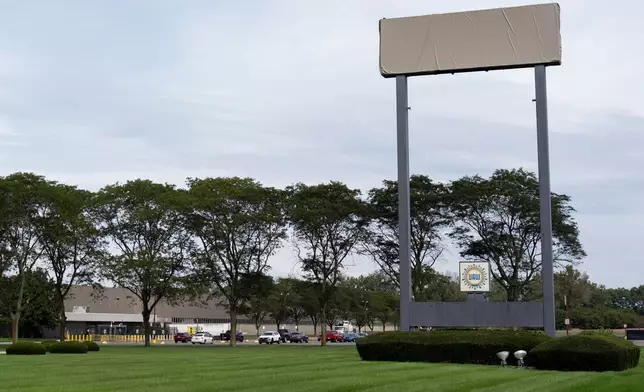
A UAW sign is posted outside old Navistar's plant in Springfield, Ohio, Wednesday, Sept. 30, 2026. (AP Photo/Carolyn Kaster)
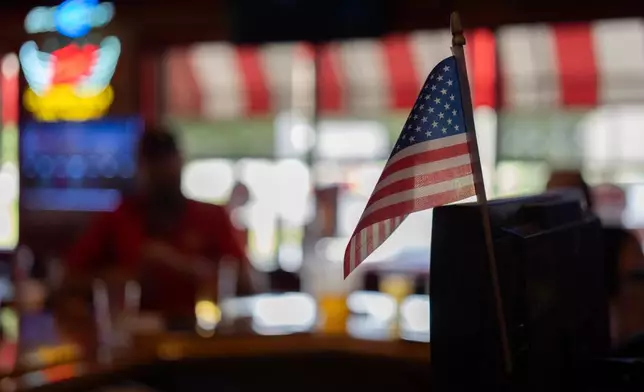
An American flag is posted on the register at Fricker's restaurant and bar in Springfield, Ohio, on Wednesday, Sept. 30, 2026, as UAW Local 402 members have a drink on old Navistar's last day at its Springfield plant. (AP Photo/Carolyn Kaster)
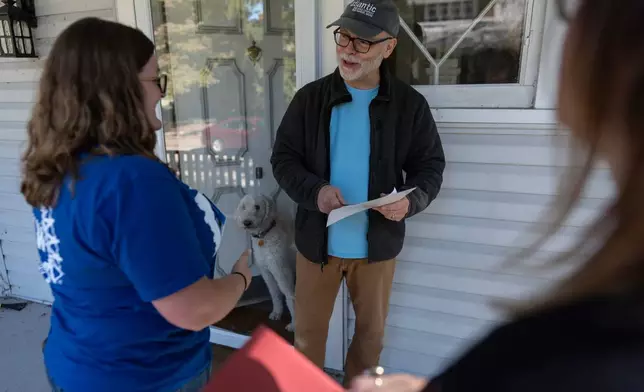
Morgan Hughes, left, and Jordan "JoJo" Burkhard, right, both members of UAW Local 402, in Springfield, Ohio, talks with Barry Milligan, center, as his dog Lorna, looks out form the doorway, as Jughes and Burkhard canvas for votes in Kettering, Ohio, Monday, Sept. 28, 2026. (AP Photo/Carolyn Kaster)
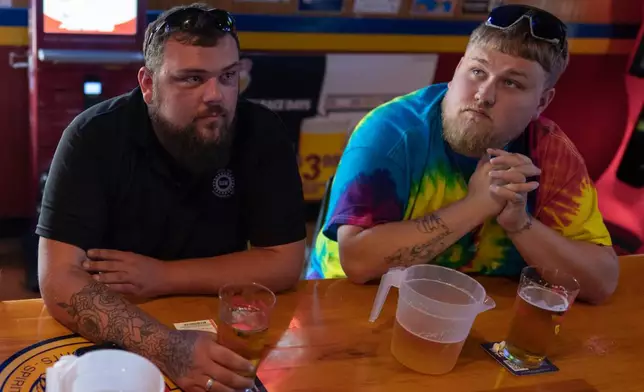
UAW Local 402 members Chaz Graham, left, and Kyle Bos, right, share a beer at Fricker's restaurant and bar in Springfield, Ohio, on Wednesday, Sept. 30, 2026, on old Navistar's last day at its Springfield plant. (AP Photo/Carolyn Kaster)
The layoffs — occurring just three days before President Donald Trump’s rally on Saturday at a nearby high school — were large enough to basically erase an entire year of job growth in the greater Dayton, Ohio, area. And they are one reason why Bos, 30, plans to spend the final weeks before the November election canvassing votes for Democrats.
Asked how many times he had voted for Trump, Bos held up three tattooed fingers. But he said he’s done with the president.
“Something has to change politically in this country,” said Bos, a member of the United Auto Workers who identifies as a centrist. “Seems like it just kept getting worse and worse and worse.”
This year’s election is a test for the working-class coalition that lifted Trump into the White House and gave majorities to Republicans in the House and Senate. The outcome will be decided in places like Dayton, which once sprouted factories because it led America in patents per capita. The Wright brothers’ airplane, the cash register, the stepladder and the electric car starter were all invented in this city of 137,000.
Trump's blunt talk and status as a celebrity businessman initially helped him around Dayton, where voters sensed that politics as usual had failed them. Republicans secured wins in the larger metro area, but this year, the party is vulnerable with voters who are disgruntled about inflation, the Iran war and a president who seems unsympathetic to their struggles.
An Ohio race could help determine control of the Senate. Republican Sen. Jon Husted is facing a challenge from former Democratic Sen. Sherrod Brown, who is trying to harness that disenchantment as he attempts a comeback two years after losing his seat.
Trump's visit to the Dayton area is part of what he says will be a 32-day marathon of rallies to try to convince the public that the economy is better than they think.
“All over the country, they’re building factories, plants — manufacturing’s coming back,” Trump said on Thursday at a truck plant in Texas. “The only thing we’re doing badly at is public relations.”
Americans increasingly blame Trump for the high cost of living with just 17% approving of his handling of the issue. Trump has largely sneered at concerns about affordability, but he has promised to give people $5,000 checks if Republicans win the House and Senate next month — something Bos said he found offensive.
“It feels like a bribe, a slap in the face, and, like, that we’re all ignorant,” Bos said.
The Dayton area has shed about half of its 90,000 factory jobs since 1990, according to federal data, after the North American Free Trade Agreement shifted many jobs to Mexico where auto parts could be made more cheaply. That trend accelerated after China joined the World Trade Organization.
As steady paychecks vanished, drug addiction and crime increased. Things seemed to hit bottom after the 2008 financial crisis, prompting Phil Plummer — who was then Montgomery County Sheriff — to enter politics.
“My jail was 40% drug addicts, 50% mental health patients, 10% criminals,” said Plummer, who has been a Republican state representative since 2019. “We got it upside down — that’s what drove me to the state house.”
Plummer, the Montgomery County Republican chairman, is now on the ballot for the Ohio state Senate and stressed that Trump has been what keeps the GOP's coalition of businesses and working-class families together.
In recent years, the local economy has improved as the Wright-Patterson Air Force Base expanded, now directly employing 38,000 people. The base's innovations have attracted new aerospace companies to the area, including Joby Aviation, the Sierra Nevada Corporation and Electra.
The White House pointed to the $850 million investment by aircraft maker Electra — along with announcements in Ohio from Honda, Stellantis and others — as evidence Trump's policies were creating jobs.
Dayton rebounded because Republicans and Democrats alike saw the value coming out of Wright-Patterson over the past two decades, said Jeff Hoagland, CEO of the Dayton Development Coalition.
“In economic development, it takes time, and you have got to give it a little bit of time to bake, and then once it does, then you’re going to have something special,” Hoagland said.
Downtown Dayton has added lofts for housing, and the historic Dayton Arcade complex with its glass dome and mosaic-tiled floors has been renovated into shops, an art gallery and eateries.
On Monday, the gallery echoed with the sounds of an acoustic guitar and flute during a fundraiser for Rose Lounsbury, a former schoolteacher who, for the second time, is running as a Democrat for state representative.
The guests radiated optimism that Democrats might pick up a U.S. Senate seat, a governorship and enough spots in the Ohio House of Representatives to end a Republican supermajority.
“There is a gap between what people want and what they feel is available,” Lounsbury said. “People don’t want to live a life of subsistence. They want to live the middle-class dream and they feel it’s not available like it once was.”
Lounsbury’s Republican opponent, State Rep. Andrea White, was in the state capital, Columbus, during the past week, where she helped lead a push to pass a temporary suspension of the state gas tax of 38.5 cents per gallon to offer some relief at the pump.
White said the Republican-led state government has helped to cushion the blow of inflation by flattening the state income tax and reining in property tax hikes.
“The concept is, put it back in the hands of the people who pay the taxes — so they have more of their own money,” White said.
The White House said Trump's tax cuts and trade deals have helped Ohio. But the experiences at what had been the Navistar plant show that policies that were supposed to help the working class were not enough.
His broad tariffs failed to boost demand and the plant's former owner, International Motors, chose to offload the facility. And Trump's major legislative achievement — the One Big Beautiful Bill — contributed little to people's take-home pay, even as it temporarily stripped taxes from tips and overtime.
“We weren’t getting a lot of overtime because of the economy,” said Marianne Donnelly, who drove a forklift at the factory. “There just wasn’t any to be had, very little to be had.”
Meanwhile, costs have kept climbing. Donnelly said she buys marked-down beef, pork and chicken and stows them in her freezer. She canceled her subscriptions to The Columbus Dispatch and The Washington Post newspapers, along with some streaming services.
Laid-off workers like Donnelly say they expect to be rehired in six to 12 months by Roshel, a Canadian manufacturer of armored vehicles that is buying the plant. Roshel said in a statement that it's “working with everyone involved not only to protect the current workforce, but to more than double it over the coming years through a phased process.”
On the Monday before the layoffs, Morgan Hughes and JoJo Burkhard were knocking on doors in Kettering, a Dayton suburb named after the inventor of the electric car starter. They were trying to convince union members and retirees to vote for Democrats.
The Navistar job had helped Hughes, 35, buy a house at age 21 and work alongside her father.
When her hours were first cut, Hughes moonlighted for DoorDash and got a real estate license. On her wrist, she has a tattoo of a cross and the words “Be Still And Know,” a reference to Psalm 46:10, which speaks to how faith in God can overcome fear.
Hughes said that what union members and retirees want is to be heard after feeling ignored by politicians. Burkhard said inflation and the economy have made it easier to swing voters to their side.
“It isn’t a hard pitch at all,” she said. “And even if they don’t want to stay Democratic long-term, they’ll at least give the candidates a chance this election, which could be a turning point for us.”
After a morning of talking to voters, the pair settled down at a Chinese restaurant for some potstickers, and the weight of the week hit them.
Burkhard cracked open a fortune cookie and tears began to well up. The layoffs meant no work for her, her boyfriend and her mother — and the words in small print almost seemed prophetic. She said she needed the hope they conveyed.
Her fortune read: “You’ll find your inner strength to overcome challenges.”
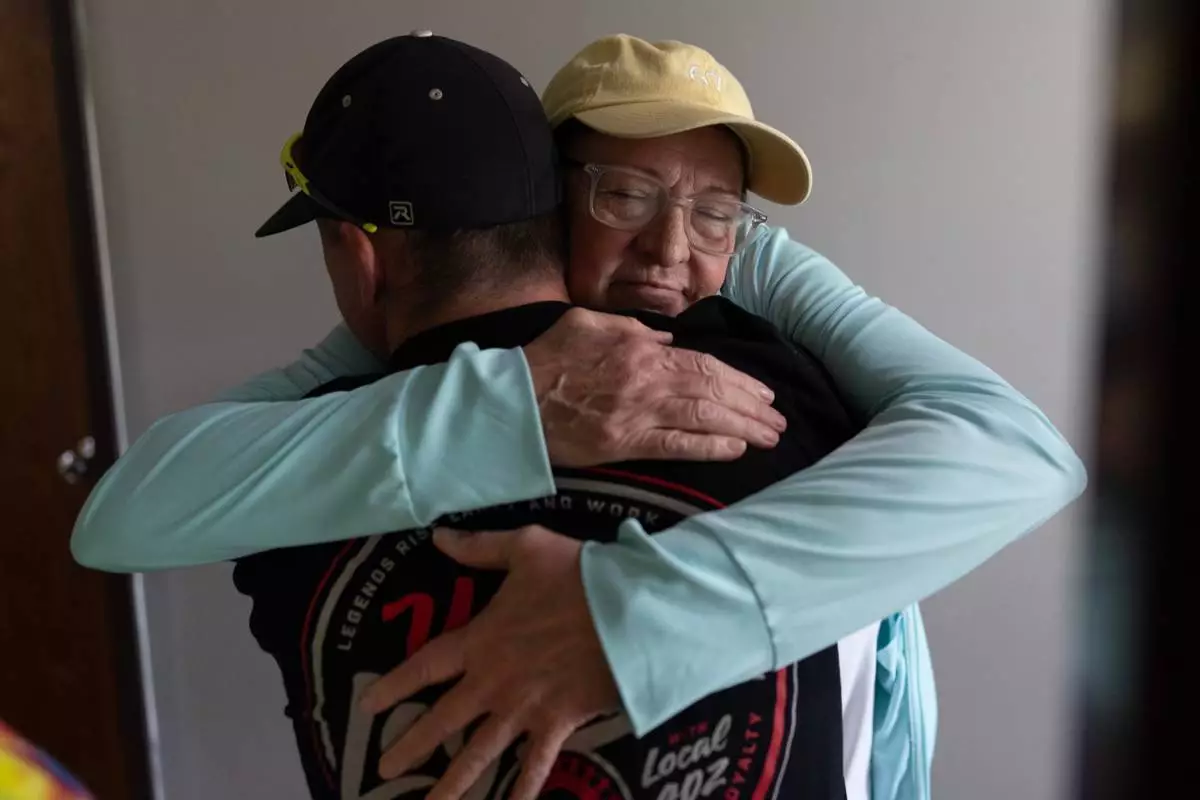
UAW Local 402 members, Brad Cloud, left, and Marianne Donnelly, right, embrace at the union hall, in Springfield, Ohio, Wednesday, Sept. 30, 2026, old Navistar last day at its Springfield plant. (AP Photo/Carolyn Kaster)
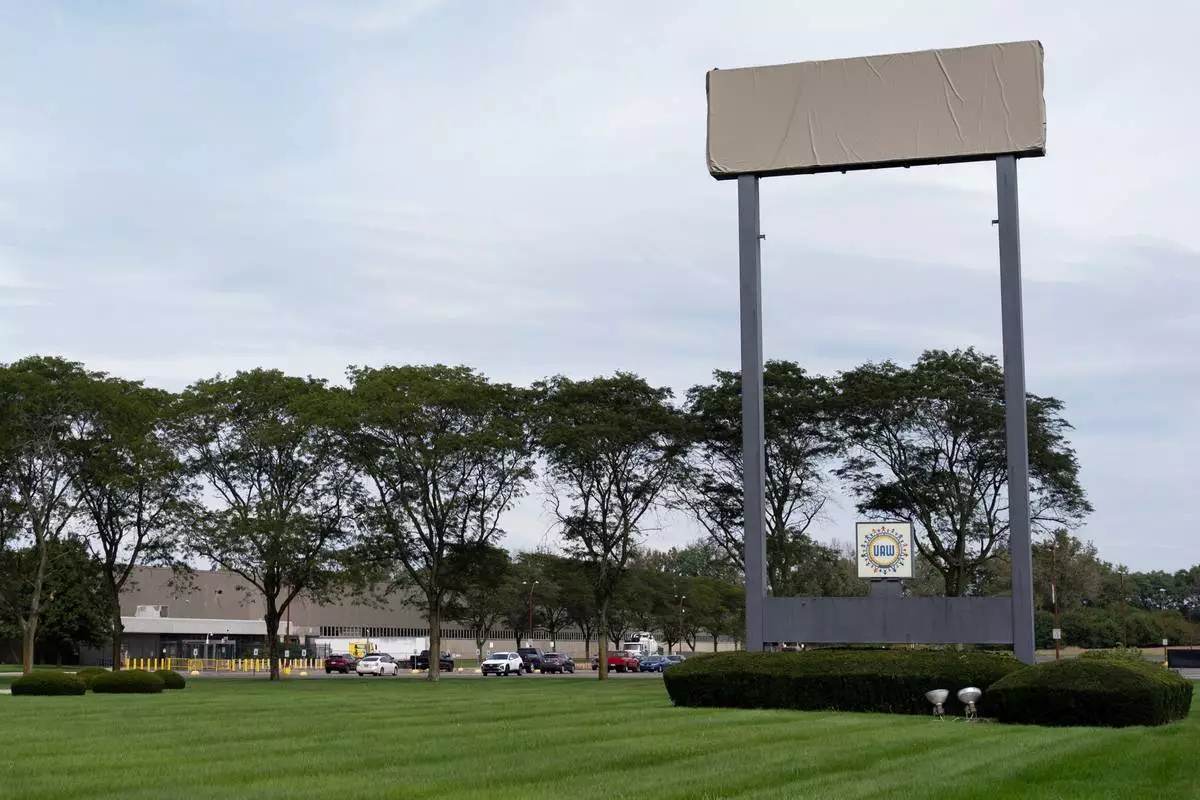
A UAW sign is posted outside old Navistar's plant in Springfield, Ohio, Wednesday, Sept. 30, 2026. (AP Photo/Carolyn Kaster)
An American flag is posted on the register at Fricker's restaurant and bar in Springfield, Ohio, on Wednesday, Sept. 30, 2026, as UAW Local 402 members have a drink on old Navistar's last day at its Springfield plant. (AP Photo/Carolyn Kaster)
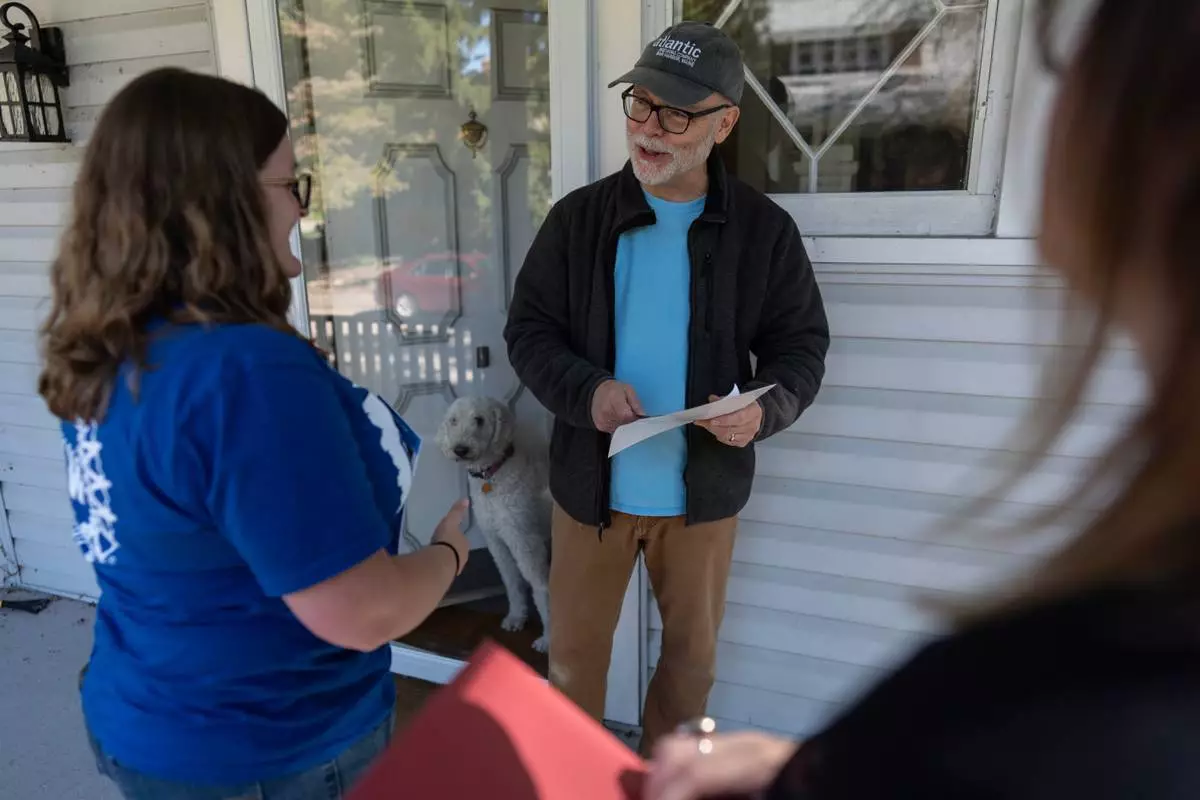
Morgan Hughes, left, and Jordan "JoJo" Burkhard, right, both members of UAW Local 402, in Springfield, Ohio, talks with Barry Milligan, center, as his dog Lorna, looks out form the doorway, as Jughes and Burkhard canvas for votes in Kettering, Ohio, Monday, Sept. 28, 2026. (AP Photo/Carolyn Kaster)
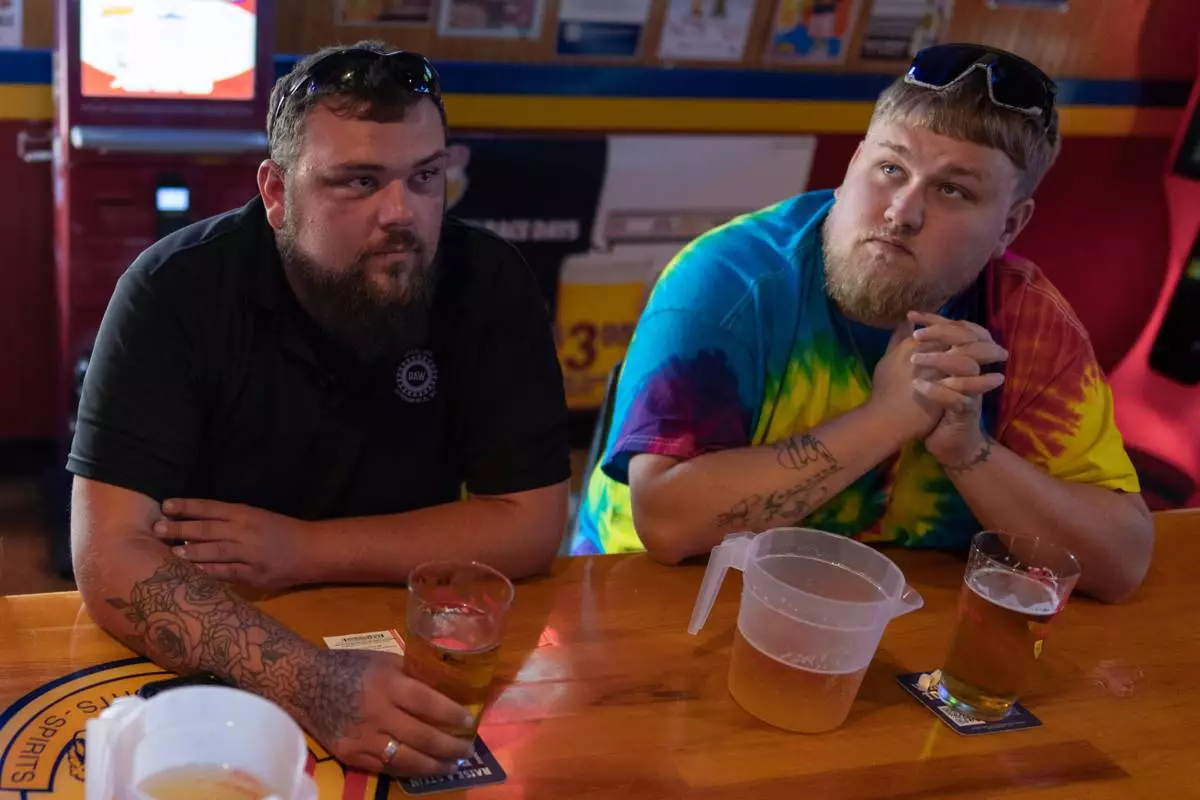
UAW Local 402 members Chaz Graham, left, and Kyle Bos, right, share a beer at Fricker's restaurant and bar in Springfield, Ohio, on Wednesday, Sept. 30, 2026, on old Navistar's last day at its Springfield plant. (AP Photo/Carolyn Kaster)