Various old towns across China have rolled out night tour programs during the ongoing week-long National Day holiday that started on Thursday, adding festive cheer to the holiday and drawing droves of visitors.
In Anju, a thousand-year-old town built along the Fujiang River in southwest China's Chongqing Municipality, the river surface is turned into a stage for lanterns, fireworks, and molten iron fireworks, presenting a dazzling view for visitors.
"The combination of fireworks, lights, and the flowing waters is very beautiful. I usually came to Anju Ancient Town during the day, but this time I made a special trip at night for the fireworks show. It is very stunning and breathtaking, so it's a trip worth taking," said Yang Xia, a visitor.
In east China's Fujian Province, the Changting Old Town has been crowded with visitors during the holiday. In addition to watching Chinese-style art performances, they can also take a cruise along the Tingjiang River to enjoy the picturesque nighttime scenery on both banks.
"I feel like I had stepped back into ancient times. The scenery is fantastic and the atmosphere is lively. So it's really worthwhile to travel here during the National Day holiday," said Ye Baoxuan, another visitor.
Meanwhile, the Bencha Ancient Town in east China's Jiangsu Province has staged themed nighttime performances such as fish lantern parades, intangible cultural heritage acrobatic shows, and water-based live-action performances, offering visitors an immersive audiovisual experience.
"These performances have made this place very lively, so it's nice to unwind with my family here," said a visitor named Lin.
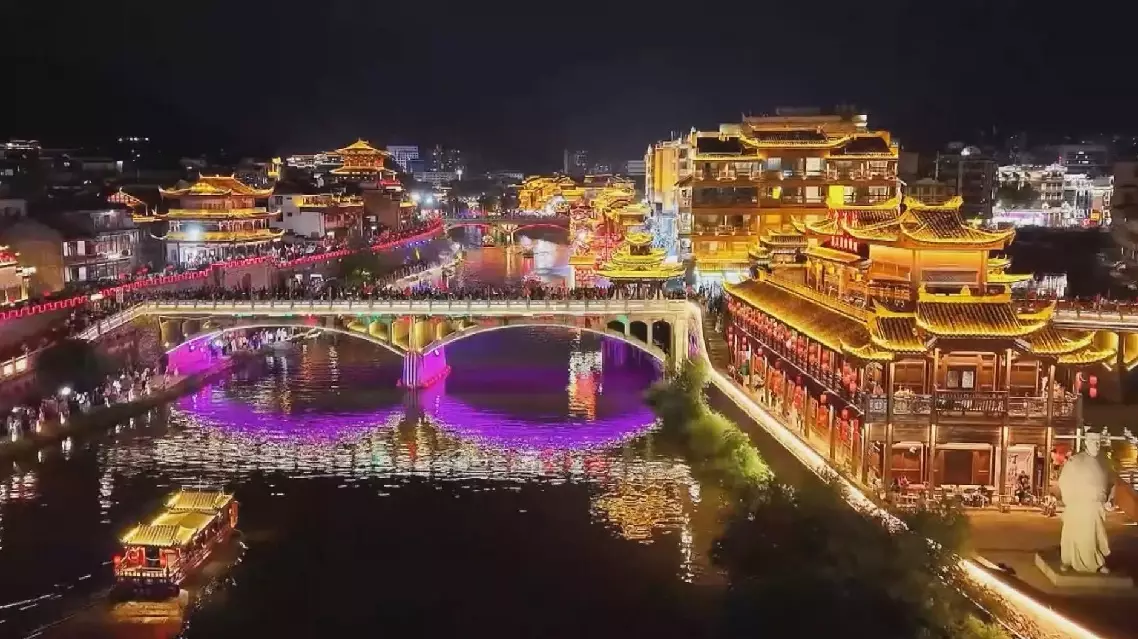
Old towns across China shine in nighttime tourism during National Day holiday
A Pakistani scholar has stressed the importance of dialogue in resolving the conflict between the United States and Iran, as the two sides remain deadlocked over access to the Strait of Hormuz and Iran's nuclear program.
In recent months, Pakistan has emerged as a key mediator between Washington and Tehran, pushing diplomacy as a path to ending the conflict.
In a recent interview with China Global Television Network (CGTN), Rabia Akhtar, dean of the Faculty of Social Sciences at the University of Lahore, affirmed Pakistan's role as a mediator but stressed that whether an agreement is reached and implemented ultimately rests with the two countries.
"Pakistan's role is valuable because keeping a channel open gives the parties somewhere to take those agreements. A mediator can clarify a proposal, explore a sequence of reciprocal steps, and help each side understand what the other might accept. But a mediator cannot make the commitments on their behalf. Ultimately, Washington and Tehran have to decide that an agreement serves their interests and that they are prepared to implement it," she said.
Throughout the conflict, she noted, leaders have publicly deployed strong rhetoric against the other side. Akhtar called on both parties to withdraw from such practices, as they make reaching an agreement all the more difficult.
"There's also the domestic political problem. If you have told your public that anything short of the other side's surrender will be a defeat, you have made your own diplomacy much harder. Leaders need room to explain that a negotiated outcome can protect national interest. And quiet diplomacy helps because it allows options to be explored before every proposal becomes a public test of resolve," she said.
As the need for dialogue over conflict grows, Akhtar highlighted the potential role of China's Global Security Initiative (GSI), which focuses on addressing the world's growing security challenges through cooperation, dialogue, and shared responsibility, and offers a framework for managing crises.
"So for me, the GSI's emphasis on dialogue is relevant to what happens between crises as well as during them. So we need communication that survives political disagreements and commitments, that gives both sides a reason to exercise restraint. We cannot simply wait for trust to appear before we start talking. We have to use dialogue to establish whether commitments can be tested and whether restraint can be reciprocated," the scholar said.
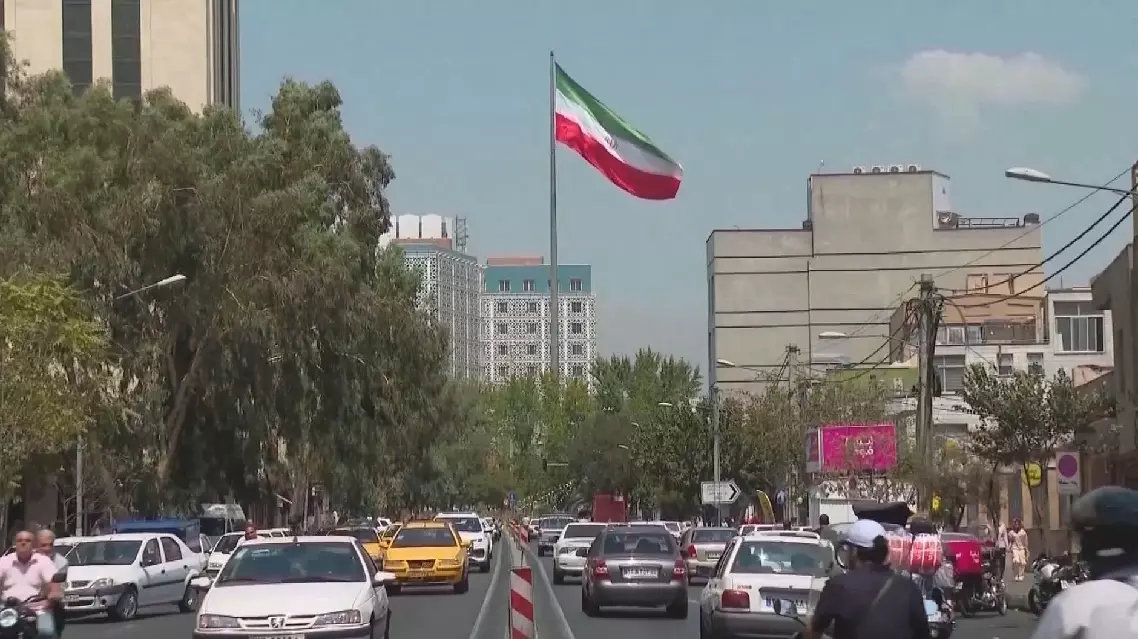
Dialogue essential to resolving US-Iran deadlock: Pakistani scholar