Russia said on Saturday that its forces controlled another settlement in Ukraine, while Ukrainian President Volodymyr Zelenskyy vowed that his country would ramp up its attacks on Russian oil refineries.
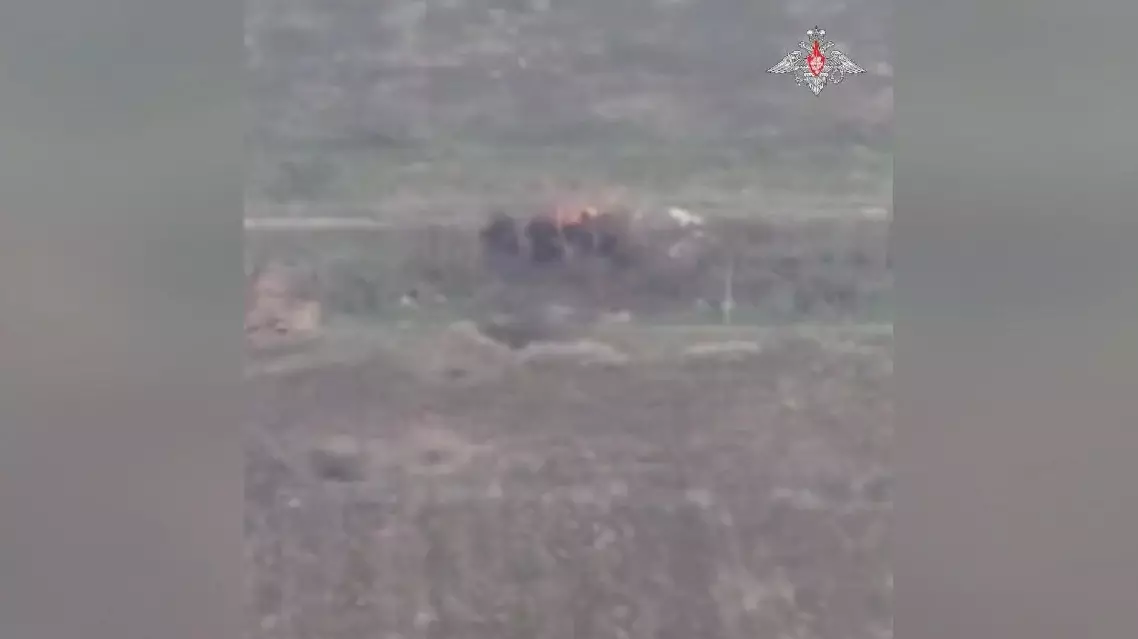
In a 24-hour briefing, the Russian Ministry of Defense said that Russian forces had taken control of a settlement in the Kharkiv region in northeastern Ukraine.
According to the report, Russian troops struck Ukrainian drone storage sites and temporary deployment areas for Ukrainian forces and foreign mercenaries across 149 zones, while Russia's air defense systems intercepted six guided aerial bombs and 680 fixed-wing drones.
On the same day, Zelenskyy said that Ukrainian forces carried out long-range strikes against Russian targets over the past day. These operations reached targets in Russia's Samara and Bryansk regions, including Iskander missile system positions.
Ukrainian forces also achieved new advancements in the direction of the Black Sea, according to Zelenskyy.
Zelenskyy said that Ukraine will ramp up its attacks on Russian oil refineries in response to Russia's large-scale airstrike campaign. He also stressed in an interview that Ukraine's counteroffensive operations remain ongoing.
Russia claims settlement control, Ukraine vows to intensify refinery strikes
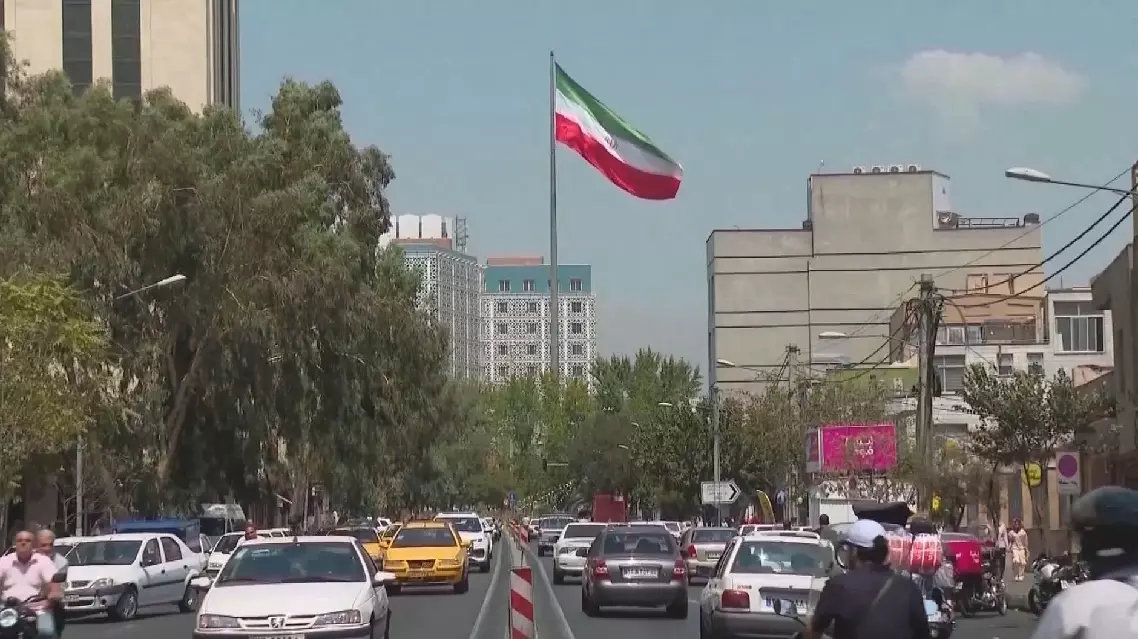
A Pakistani scholar has stressed the importance of dialogue in resolving the conflict between the United States and Iran, as the two sides remain deadlocked over access to the Strait of Hormuz and Iran's nuclear program.
In recent months, Pakistan has emerged as a key mediator between Washington and Tehran, pushing diplomacy as a path to ending the conflict.
In a recent interview with China Global Television Network (CGTN), Rabia Akhtar, dean of the Faculty of Social Sciences at the University of Lahore, affirmed Pakistan's role as a mediator but stressed that whether an agreement is reached and implemented ultimately rests with the two countries.
"Pakistan's role is valuable because keeping a channel open gives the parties somewhere to take those agreements. A mediator can clarify a proposal, explore a sequence of reciprocal steps, and help each side understand what the other might accept. But a mediator cannot make the commitments on their behalf. Ultimately, Washington and Tehran have to decide that an agreement serves their interests and that they are prepared to implement it," she said.
Throughout the conflict, she noted, leaders have publicly deployed strong rhetoric against the other side. Akhtar called on both parties to withdraw from such practices, as they make reaching an agreement all the more difficult.
"There's also the domestic political problem. If you have told your public that anything short of the other side's surrender will be a defeat, you have made your own diplomacy much harder. Leaders need room to explain that a negotiated outcome can protect national interest. And quiet diplomacy helps because it allows options to be explored before every proposal becomes a public test of resolve," she said.
As the need for dialogue over conflict grows, Akhtar highlighted the potential role of China's Global Security Initiative (GSI), which focuses on addressing the world's growing security challenges through cooperation, dialogue, and shared responsibility, and offers a framework for managing crises.
"So for me, the GSI's emphasis on dialogue is relevant to what happens between crises as well as during them. So we need communication that survives political disagreements and commitments, that gives both sides a reason to exercise restraint. We cannot simply wait for trust to appear before we start talking. We have to use dialogue to establish whether commitments can be tested and whether restraint can be reciprocated," the scholar said.
Dialogue essential to resolving US-Iran deadlock: Pakistani scholar