NEW ORLEANS (AP) — Saints veteran defensive end Cameron Jordan's first exposure to the epic displacement caused by Hurricane Katrina occurred when a group of new students from New Orleans arrived at his high school in the Phoenix suburb of Chandler, Arizona.
“Katrinians,” the 37-year-old Jordan said after a recent practice. “That’s what we called them."
Five years later, Jordan arrived in New Orleans as a 2011 first-round draft choice and participated in community service projects at properties still scarred by storm damage.
“I think about the city I came to,” Jordan said, “and how much we’ve grown since then.”
The Saints (1-2) had an extra day this past week to prepare for Monday night's game against the Atlanta Falcons (1-2). They used it to educate players — many of whom were toddlers in 2006 — about the Saints' Week 3 Monday night game against the Falcons 20 years ago.
The “Domecoming,” as it's known in New Orleans, is best remembered for Steve Gleason's block of the game's first punt. Curtis Deloatch recovered the ball in the end zone and reverse-dunked it over the goal post (which was permitted back then) as the crowd unleashed an explosive, cathartic roar — a moment Gleason would say felt like “infinite joy.”
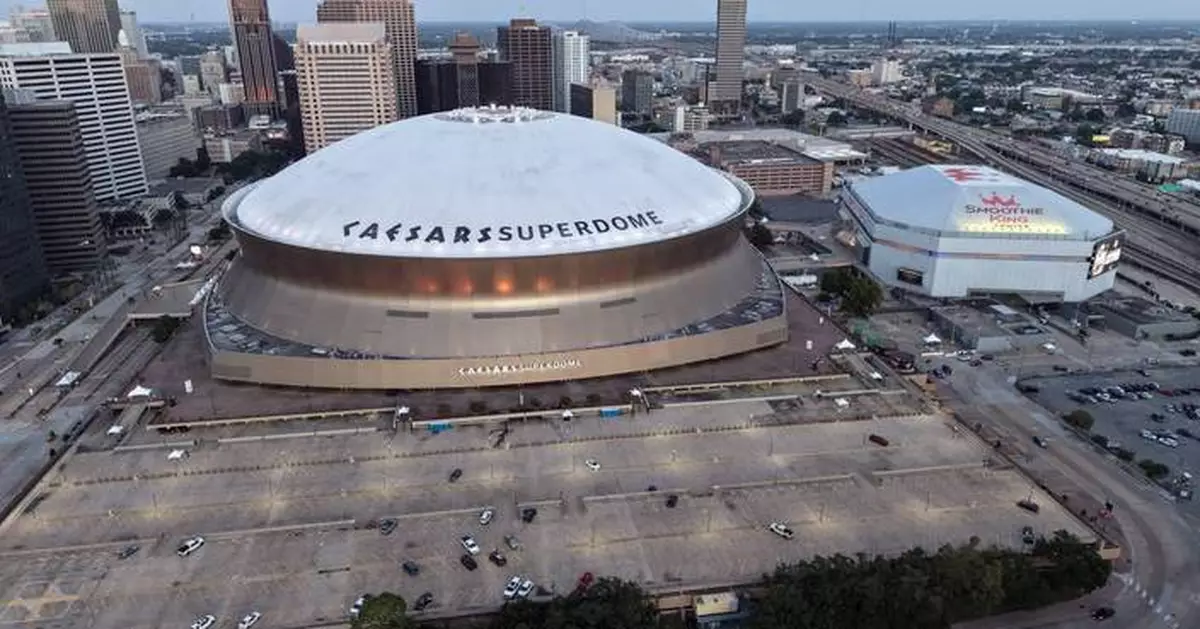
The stadium, used as a shelter of last resort, was damaged by Katrina, contaminated by mold and left in foul-smelling squalor after thousands of evacuees were stuck there — surrounded by flooded streets — for days without power or plumbing. It was closed for 13 months and underwent extensive, fast-tracked repairs before it could welcome back fans, many of whom were still rebuilding their own homes.
Saints coach Kellen Moore gathered the team for a team-produced video about Katrina and the dome's reopening, hoping it would help players appreciate the “unique connection between our city and our football team."
"It’s very much one, very much tied together,” Moore said.
“You see the different videos and recognize streets that we all drive on nowadays and those different things," Moore continued. "They recognize and realize the impact that it had.”
Quarterback Tyler Shough said he teared up while seeing the images of devastation and listening to longtime team employees and former Saints players discuss their memories of Katrina's aftermath.
“It was emotional,” Shough said. “You really feel just how important the Saints are and how important our work is."
Gleason, who has been living ALS for more than a decade, is set to be an honored guest Monday night. So is Hall of Fame quarterback Drew Brees, who'd been acquired by the Saints as an injured free agent less than a year after the storm and was playing his first home game in New Orleans on that Monday night 20 years ago, leading the Saints to a 23-3 triumph.
Gleason's block is immortalized in a bronze statue named “Rebirth” on an exterior Superdome plaza. There also is a larger-than-life poster of Gleason's block on a wall inside the Saints' indoor practice field.
Longtime fans joke that the play might have set a record for simultaneously spilled beverages as fans jumped from their seats, yelled with everything they had, danced, hugged and even cried as the spray of whatever they were drinking rained down on them.
Then-"Monday Night Football" play-by-play announcer Mike Tirico says he's never experienced anything like it.
“It wasn’t just: ’Hey, our team is playing,'” Tirico said in a video posted on the Saints’ website.
Tirico recalled rehearsing how he would call the Saints' first touchdown, intent on exclaiming, “Touchdown, New Orleans,” to emphasize what it would mean to the city.
He did so as Deloatch recovered the blocked punt in the end zone, and then stopped talking while holding up his hands to fellow members of the broadcast team, urging everyone to remain silent and let the sights and sounds of celebrating fans speak for themselves.
“There was nothing any human alive could say that could be better,” Tirico said.
Saints safety Justin Reid was 8 years old and living near Baton Rouge when Katrina hit on Aug. 29, 2005.
While his community did not flood, power was out for about two weeks and evidence of wind damage was everywhere. He took cold showers by candlelight and recalls his father driving around their neighborhood with a trailer, helping neighbors pick up storm debris.
Later, his father took the family to witness storm damage in New Orleans. Reid remembers seeing waterlines left behind on homes after flooding — caused by multiple levee breaks — had receded.
About 80% of New Orleans experienced some flooding. In some neighborhoods, the water level climbed above front doors. Some homes closest to levee breaks had been swept off their foundations and torn apart. Estimates of storm-related deaths range from about 1,400 to 1,800.
For Reid (who does not recall watching the 2006 game live), the Saints' triumph over the Falcons on that Monday night was “poetic,” as was the NFL's decision to schedule another Monday night game with Atlanta at the Superdome within days of its 20th anniversary.
“I grew up in Louisiana, so I know how much football at all levels means to the state,” Reid said. “Football is something that people spend their whole week looking forward to. It’s a beacon of hope for the city. It’s something that brings people together. It’s something that transcends socioeconomic status. It transcends race. And it’s a big deal in the City of New Orleans.”
See AP’s full NFL coverage here

New Orleans Saints quarterback Tyler Shough (6) throws a pass during the first half of an NFL football game against the Las Vegas Raiders in New Orleans, Sunday, Sept. 27, 2026. (AP Photo/Gerald Herbert)
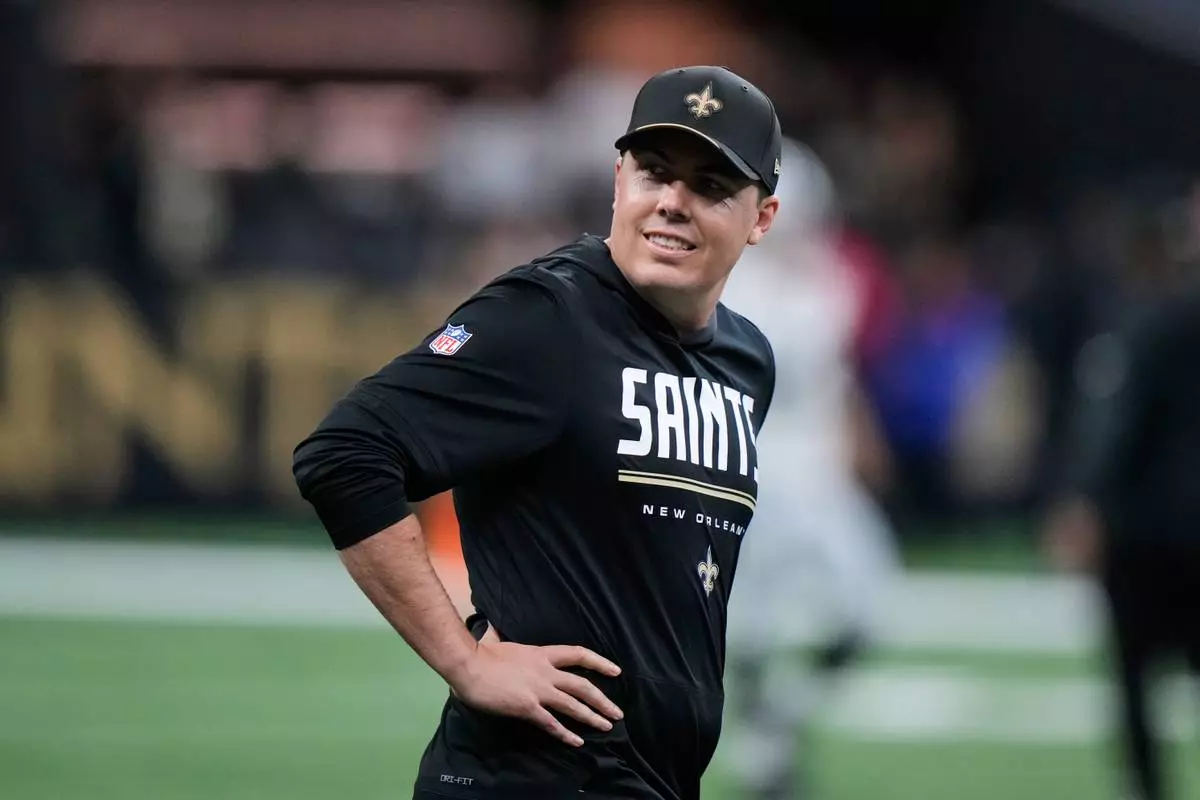
New Orleans Saints head coach Kellen Moore watches warmups before an NFL football game against the Las Vegas Raiders in New Orleans, Sunday, Sept. 27, 2026. (AP Photo/Gerald Herbert)
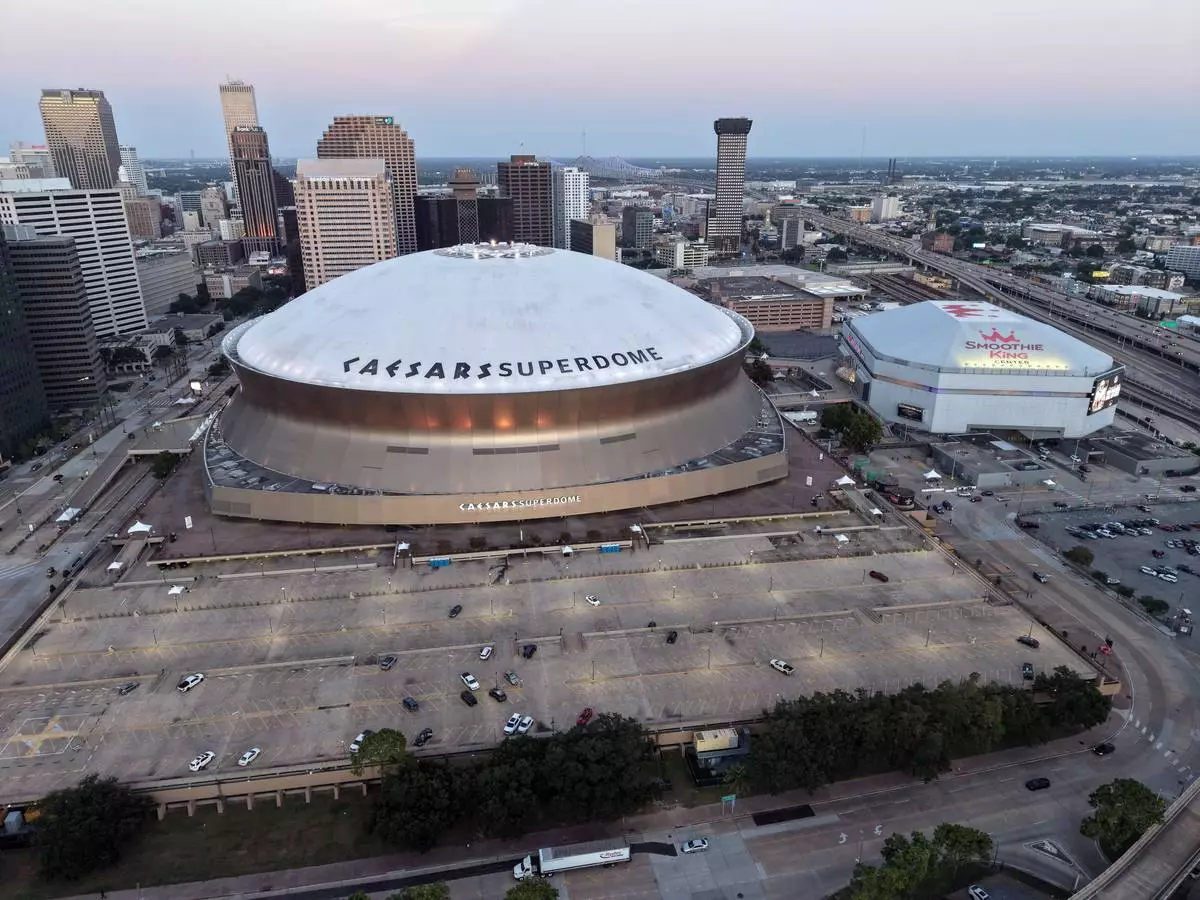
FILE - An aerial overall exterior general view of Caesars Superdome in New Orleans, Aug. 15, 2026. (AP Photo/Tyler Kaufman, File)
SAO PAULO (AP) — Brazilians began voting Sunday in a high-stakes presidential election pitting incumbent Luiz Inácio Lula da Silva against Sen. Flávio Bolsonaro at a moment when the region is shifting to the right in line with the Trump administration.
Bolsonaro, 45, is the son of far-right former President Jair Bolsonaro who is serving a 27-year sentence for a coup attempt and an ally of U.S. President Donald Trump. Lula, who at 80 is one of the world’s oldest heads of state, is running in his seventh presidential election and has strengthened Brazil's ties with Beijing.
Trump allies have fared well in recent elections in Latin America, including in Argentina, Colombia, Honduras and Peru.
If none of the 12 presidential candidates gets more than 50% of the vote, the top two will head to a runoff on Oct. 25 in Latin America’s economic powerhouse.
Brazil's nearly 159 million eligible voters will also elect 27 state governors, members of state legislatures, all 513 federal members of the lower house of congress and 54 of the country’s 81 senators in Sunday’s vote.
While the once widely popular Lula saw his approval ratings plummet during his third term, standing up to the U.S. has given him a boost. And he still enjoys a strong base of supporters who credit his social policies for improving millions of Brazilians’ lives.
The incumbent president has often spoken about risks of U.S. intervention in the Brazilian elections after the Trump administration imposed high tariffs against Brazilian exports, revoked the visa of the country’s ambassador and sanctioned a Supreme Court justice who chaired the investigation that eventually sentenced Jair Bolsonaro, Lula's predecessor.
Lula told journalists after voting Sunday that he needs “to do double of what we have done” if reelected, and expressed confidence in a first-round win.
But the incumbent faces a tough battle because of an affordability crisis and a corruption scandal that ensnared the same justice who led the investigation into Bolsonaro.
“Many in the Lula campaign were not expecting such a difficult election a few weeks ago, and it is clear to them that the present election is a tough battle and the next ones, without Lula, could be even more so,” said Carlos Melo, a political science professor at Insper University in Sao Paulo.
Flávio Bolsonaro has touted his proximity to the White House, although he denies his campaign received help from the U.S. government.
He has promised to crack down on Brazilian criminal groups and insisted that Brazil needs to strike better deals with the Trump administration, including in the rare minerals economy, second only to China. Bolsonaro also has campaigned on releasing his father and bringing him back to politics.
“Brazil needs change. Brazil can’t stand so much suffering,” he told reporters at the Rio de Janeiro voting center, where he cast his vote Sunday.
The senator faces his own challenges. He has seen his political career tainted by several corruption accusations, including receiving millions of dollars from a disgraced banker to allegedly produce a movie on his father’s life.
Rosane Wink, 67, a retired engineer, is a lifelong conservative voter who supports Bolsonaro and his promise to classify criminal groups as terrorist organizations.
“It’s a kind of terrorism that they’re doing with us,” said Wink as she voted in Rio de Janeiro. Last month she had a gun held to her stomach as a criminal bit her hand and removed her wedding ring, she said.
Maria Ribeiro, a 50-year-old cellphone vendor from Brasilia, said she voted for Bolsonaro because she wants freedom to express her Evangelical religion. She hopes he follows in his father's footsteps.
“I voted for his father, and I don't regret it,” she said.
Rosângela Resende da Rocha, a 69-year-old who was previously a stay-at-home mom, said she supported Lula's social policies that help the “less fortunate” and how he stands up to Trump.
“That crazy guy wants to come in here to buy our country, so that our country will be like it is over there,” she said at a voting center in Brasilia. “He won’t succeed if Lula wins.”
Even for those outside the country, Lula's social programs, including his flagship welfare program Bolsa Familia, drove many to continue supporting him.
“Thank God I do not need (the help of) social programs, but I vote for those that need them: health, education, basic sanitation, housing, food," said Catia Oliveira, a 61-year-old Brazilian who cast her vote from Portugal.
Trump has made his opinions clear on recent Latin American elections, endorsing candidates in Colombia and Honduras. He has spoken out against former President Bolsonaro's conviction and declared Brazilian gangs to be foreign terrorist organizations, a move Lula opposes and Sen. Bolsonaro supports.
Lula has repeatedly warned the U.S. not to meddle in Brazil’s elections. His supporters wore shirts Sunday with messages denouncing U.S. interventionism.
Retired Portuguese teacher Maria Lucia Gerson Alo wore a T-shirt that read “neither colony, nor backyard, sovereign Brazil" as she voted in Rio de Janeiro.
“We’re not a colony, that time is over,” Gerson Alo said. “Trump should look after his own country’s problems, we will look after ours.”
The Trump administration did not respond to a request for comment on whether it is seeking to interfere in the vote.
No significant fraud has ever been detected since Brazil adopted its electronic voting system in the 1990s.
The Organization of American States' electoral observation mission reported Sunday that “the voting has been going smoothly and under adequate safety conditions.” Electoral authorities have assured that electronic votes are secure and verifiable.
“We are almost three hours away from the end of the voting and everything is proceeding normally and with the greatest possible transparency,” the president of the Superior Electoral Court, Kassio Nunes Marques, said Sunday afternoon, adding that there was “no concrete indication of international interference.”
Voters appeared largely confident that the country's voting system can't be tampered with.
Josemar Lauriano Pereira, a 46-year-old lawyer in Rio de Janeiro, said that the rapid availability of results helped combat fraud and uncertainty.
“When results take a lot of time, it creates an opening for people to cast doubt on the results, to say there’s been a problem,” he said.
Alex de Almeida Souza, a 49-year-old social project analyst in Brasilia, worried about international interference to influence public opinion on social media, but said he trusts the credibility of the Brazilian electoral system.
“Who decides is the people,” he said.
Hughes reported from Rio de Janeiro and Brigida from Brasilia. Helena Alves in Lisbon, Portugal, contributed to this report.
Follow AP’s coverage of Latin America and the Caribbean at https://apnews.com/hub/latin-america
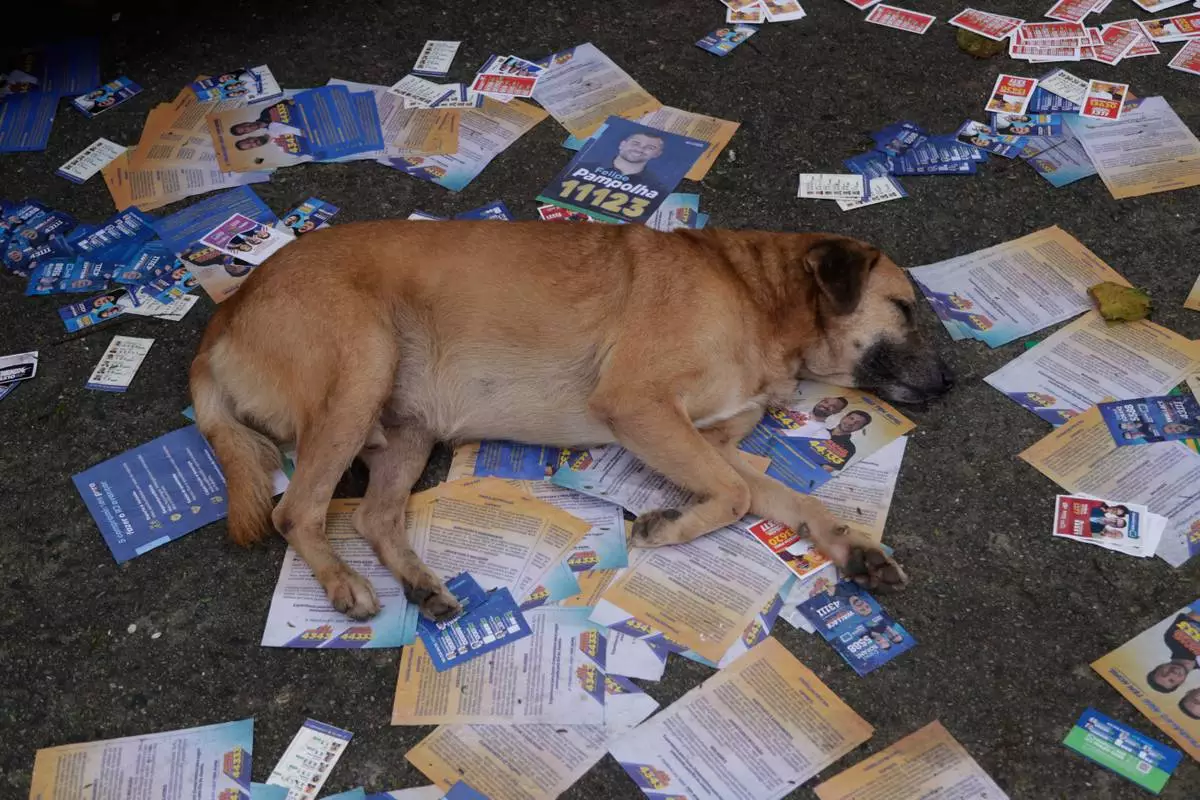
A dog sleeps on campaign leaflets outside a polling station during general elections in Rio de Janeiro, Brazil, Sunday, Oct. 4, 2026. (AP Photo/Bruna Prado)
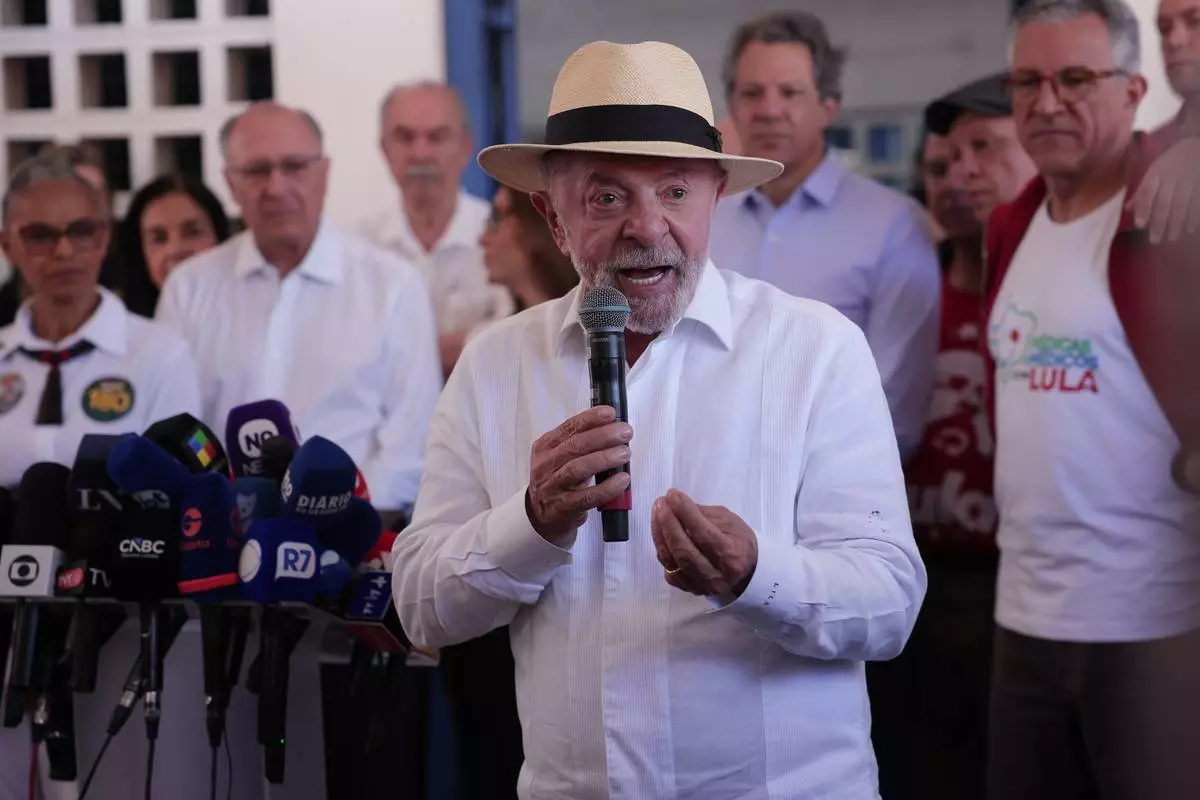
President Luiz Inacio Lula da Silva, who is running for reelection, speaks after voting during general elections in Sao Bernardo do Campo, Brazil, Sunday, Oct. 4, 2026. (AP Photo/Ettore Chiereguini)
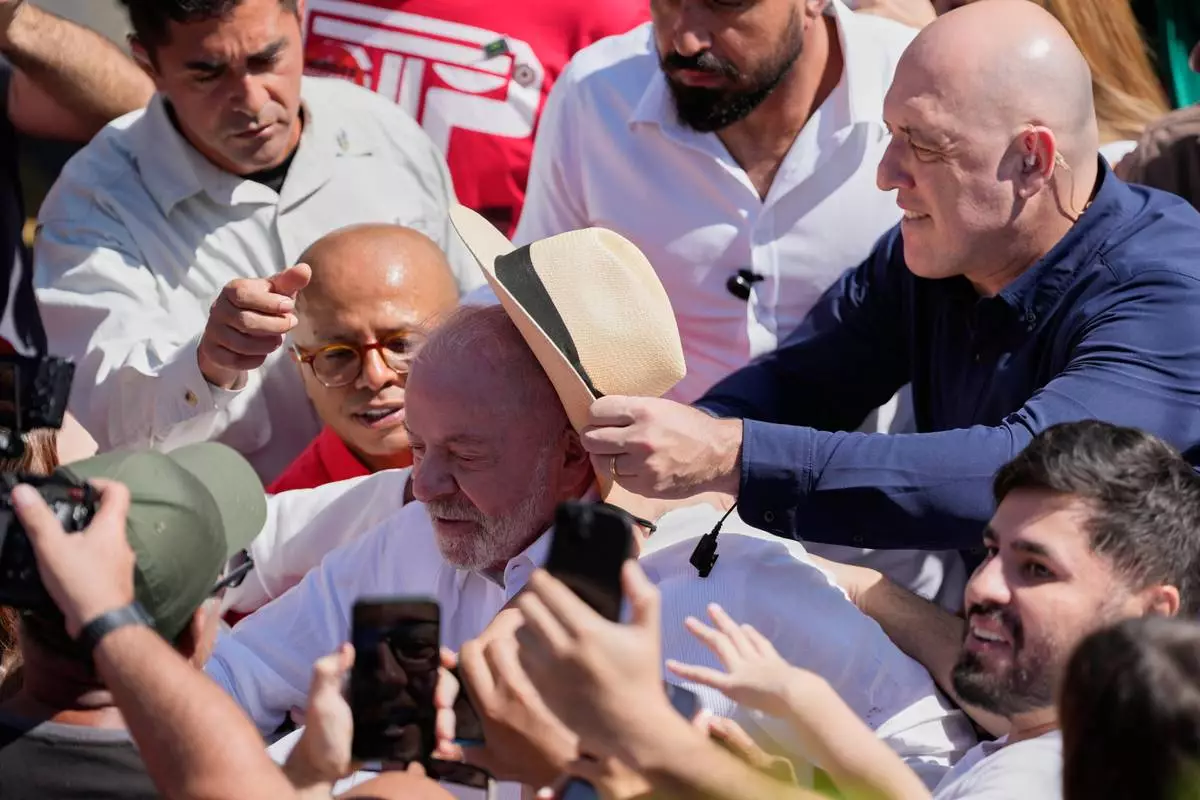
A security officer places a hat on President Luiz Inacio Lula da Silva as he leaves after voting during general elections amid a crowd in Sao Bernardo do Campo, Brazil, Sunday, Oct. 4, 2026. (AP Photo/Andre Penner)
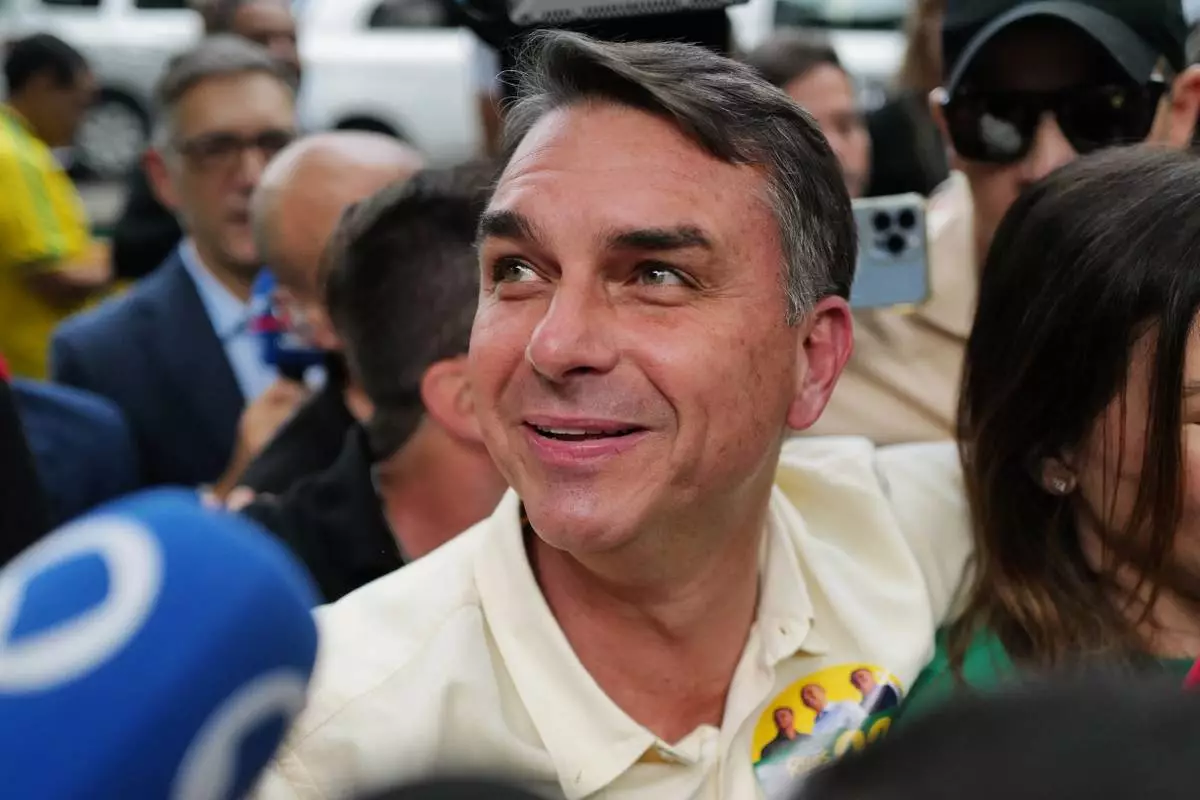
Opposition presidential candidate Sen. Flavio Bolsonaro arrives to vote during general elections in Rio de Janeiro, Sunday, Oct. 4, 2026. (AP Photo/Lucas Landau)
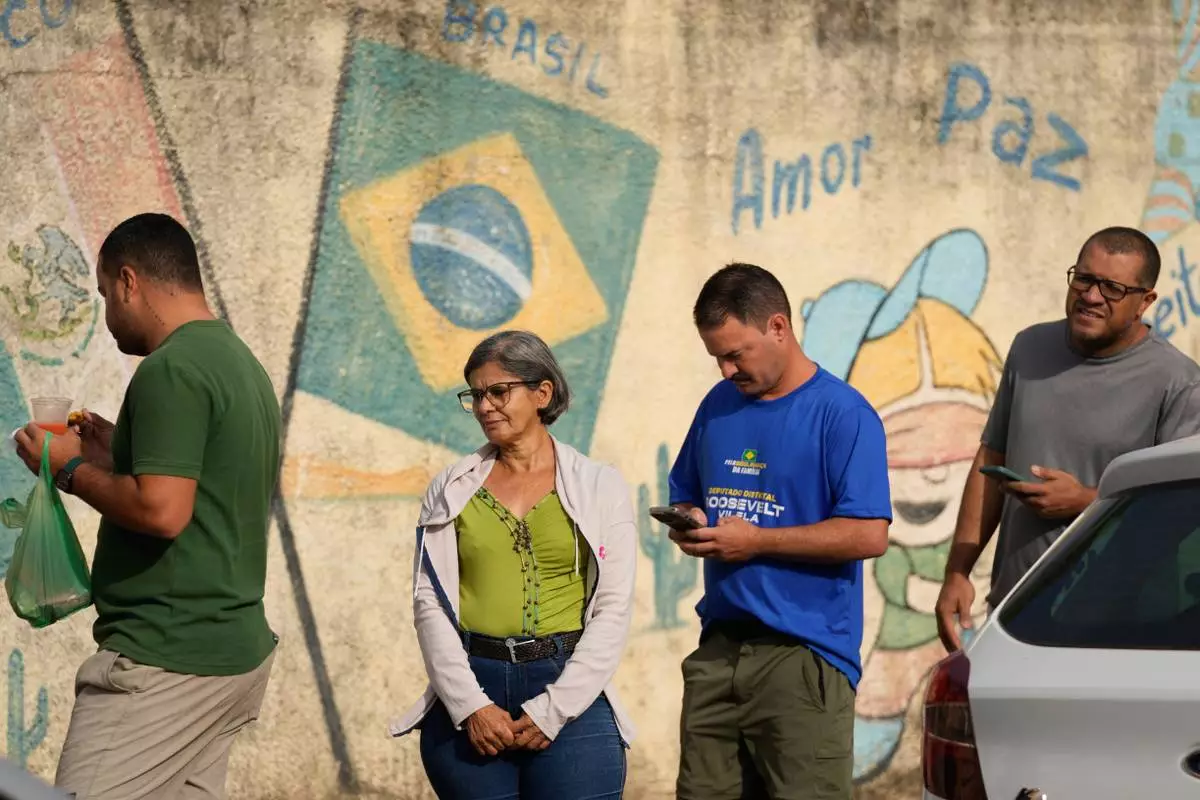
Voters line up at a polling station during general elections in Brasilia, Brasilia, Sunday, Oct. 4, 2026. (AP Photo/Eraldo Peres)
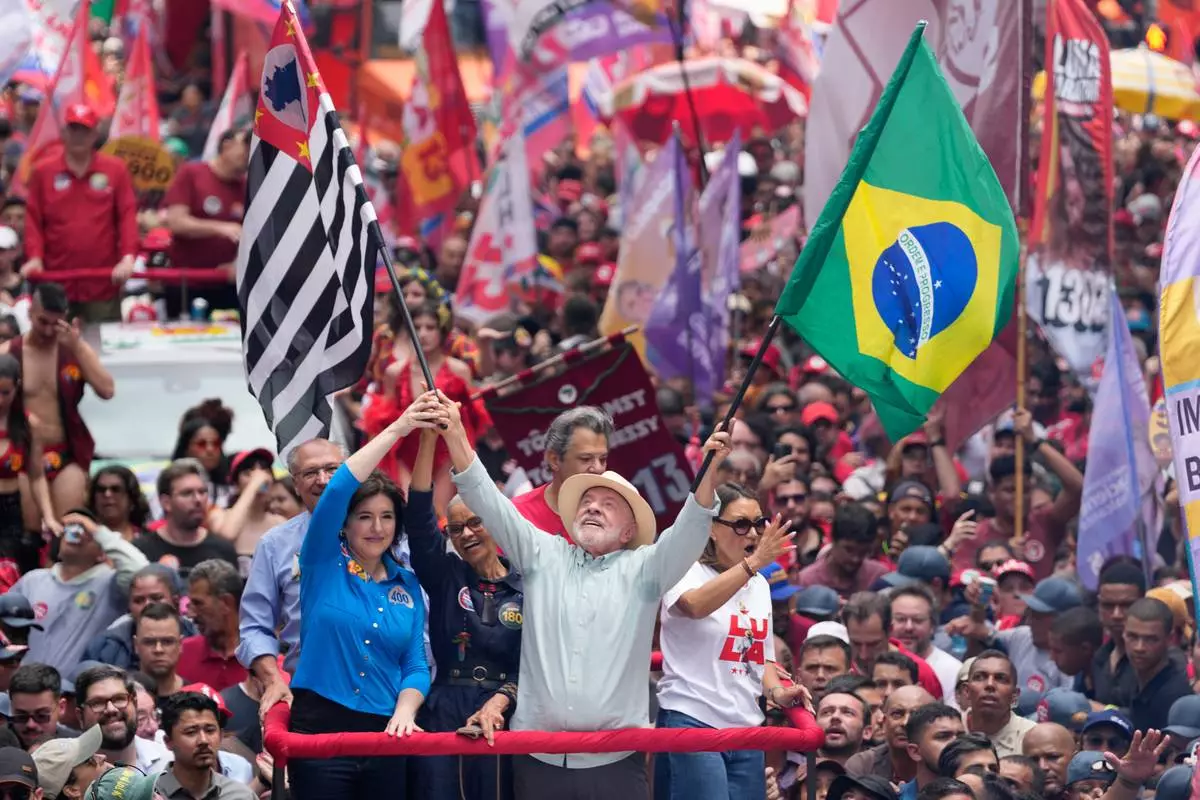
President Luiz Inacio Lula da Silva, who is running for reelection, waves a Brazilian and Sao Paulo state flags during a campaign rally a day ahead of the country's general election in Sao Paulo, Saturday, Oct. 3, 2026. (AP Photo/Andre Penner)
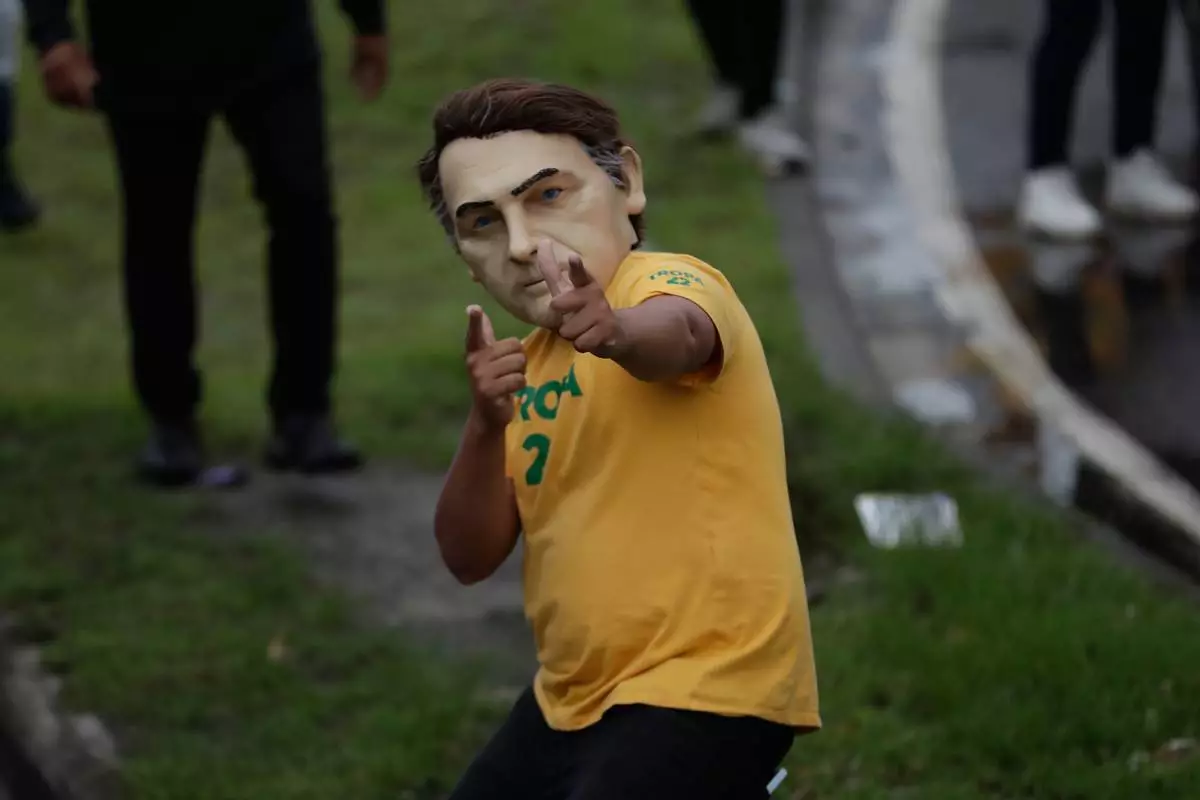
A supporter of opposition presidential candidate Flavio Bolsonaro wears a mask of his father, former President Jair Bolsonaro, during a campaign rally a day ahead of the country's general election, in Campo Grande, Rio de Janeiro state, Saturday, Oct. 3, 2026. (AP Photo/Bruna Prado)
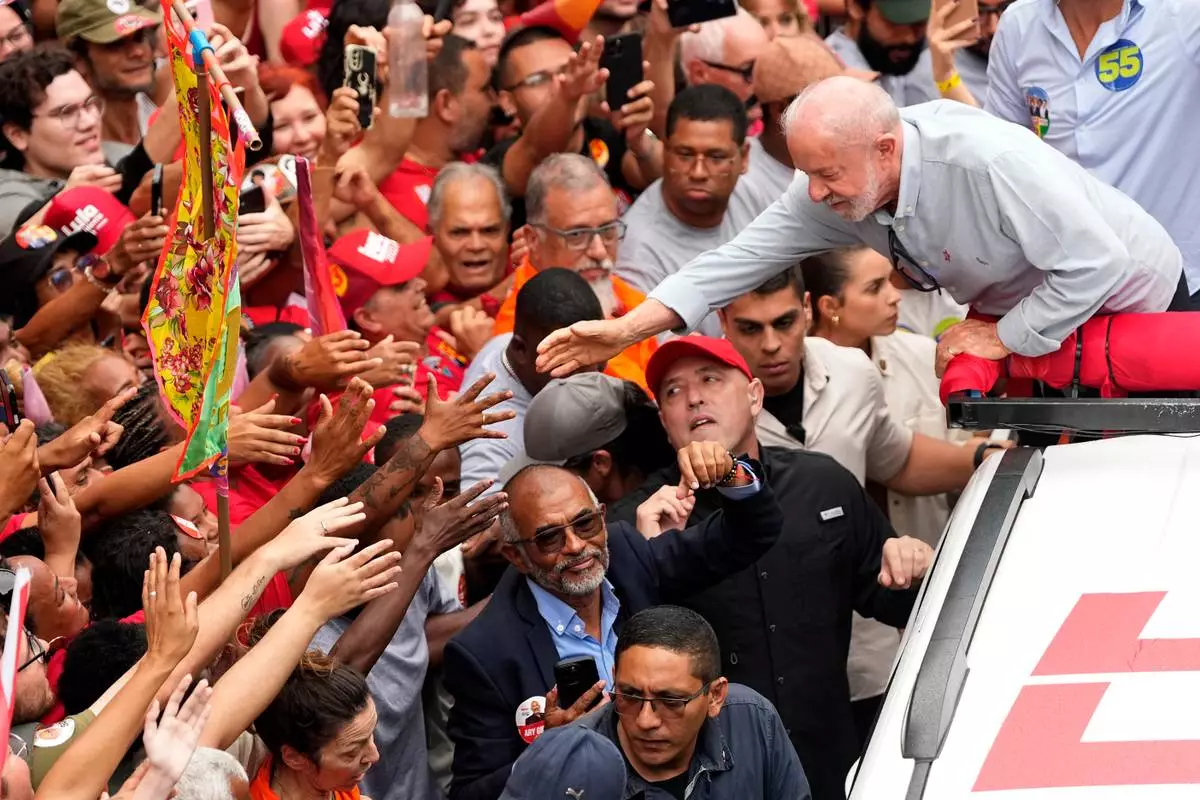
Brazilian President Luiz Inacio Lula da Silva, who is running for reelection, greets supporters during a campaign rally in Rio de Janeiro, Brazil, Friday, Oct. 2, 2026. (AP Photo/Silvia Izquierdo)