As cities worldwide look for ways to respond more quickly to residents, locals on the streets of Madrid, Spain, shared which public service platforms they rely on most to solve everyday problems.
Residents highlighted apps from the Regional Transport Consortium, Madrid City Council and social security, which make transit tracking, public maintenance reporting and medical appointment booking much easier.
"The Regional Transport Consortium's transit app, where you can check when the bus or train is coming and so on," said resident Mateo.
"Well, essentially, things related to tax management, searching for information and applying for aid or grants," said another resident Juan.
"On my phone, I mainly use the Madrid City Council app to report incidents, for instance, a broken streetlamp or any other issue I spot," said a third resident Juan Antonio.
"The Social Security app for healthcare appointments. When you need to get bloodwork done or have a checkup. The Social Security app is very useful, and when they give you the appointment, you have it right there. You get the message in the app, with the day and time," said Freddy, also a local resident.
The interviewees also rated the response speed and efficiency of the city's public service systems they use, and whether those systems actually solve their problems.
"Well, I think everything can be improved, but in general, we are moving forward with digitization, which is something that helps us a lot, in my opinion," said Isidro, another local.
"Well, they work reasonably well. I mean they provide the right response, with relatively quick or specific answers. For example, with the Madrid City Council app, when I report an incident, I have to check for myself afterward, because I don't receive any confirmation. They tell me they're going to look into it, but that's all. Overall though, they're good," Antonio said.
The 2026 Beijing Forum on Swift Response to Public Complaints will be held on Oct 12 and 13, bringing together discussions on digital technology and people-centered urban governance. The forum will explore how smart technology empowers city management and shapes modern, people-driven governance, with international experts from more than 70 countries and regions taking part.
Ahead of the event, Madrid residents also shared their views on China's public service systems, including Beijing's "Swift Response to Public Complaints" mechanism.
"I would really like to know whether services in China are more efficient when it comes to responding to inquiries or incidents, or whether they have some kind of confirmation system," Antonio said.
"Beijing is a huge city. Do you have any apps for public transport, for example, to manage public transportation," Isidro said.
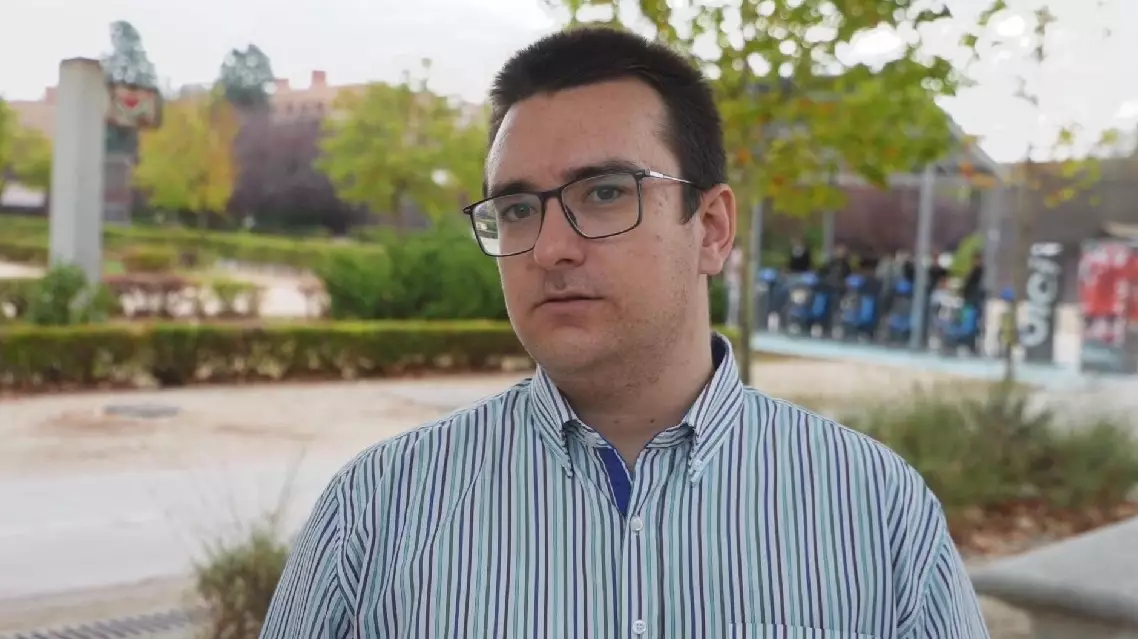
Madrid residents rate local public service platforms, response speed