Picarro was the only system to detect all 10 methane events during real-world field testing, demonstrating the effectiveness of its AMLD technology and survey methodology
SANTA CLARA, Calif., Oct. 6, 2026 /PRNewswire/ -- Picarro, Inc., the global leader in Network Intelligence and methane emissions reduction solutions, today announced that its Advanced Mobile Leak Detection (AMLD) solution achieved the highest overall performance in the Deutscher Verein des Gas- und Wasserfaches (DVGW)-funded Fahrzeuggestützte Methanmessung (FaMeGQ) research project, a rigorous evaluation of vehicle-based methane detection technologies conducted in Germany.
Six vehicle-based systems were evaluated in a two-stage qualification process that included controlled test-field validation in Düsseldorf and real-world operational validation on an active gas distribution network in Regensburg. Picarro, identified as Vehicle Fz-1 in the DVGW report, successfully passed both stages and obtained qualification without limitations.
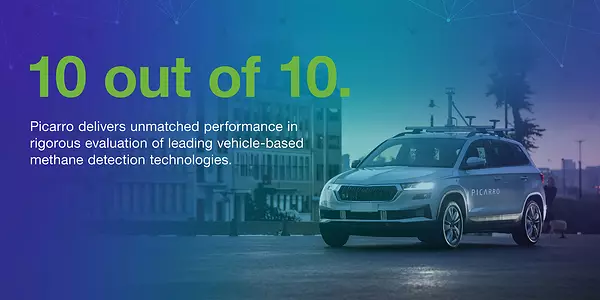
Most notably, Picarro was the only system to detect all 10 methane events available for evaluation during the real-world field test, eight controlled releases plus two previously unknown leaks that were subsequently independently confirmed. This represented a 100% detection rate, the highest result achieved in the field validation.
"FaMeGQ provides important independent evidence that advanced vehicle-based methane detection can deliver the performance utilities need to protect network safety while meeting increasingly demanding methane regulations," said François-Xavier Rongère, Vice President, Natural Gas at Picarro. "Detecting every methane event in the live-network test — including two leaks that were not part of the test itself — demonstrates the strength of both Picarro's technology and the survey methodology we have refined through years of deployments around the world."
Delivering the Best Performance in Controlled and Real-World Testing
During the controlled test-field evaluation in Düsseldorf, methane releases ranging from 5 to 15 liters per hour were positioned at varying distances from vehicle routes and exposed to different wind and environmental conditions. Participating systems were required to achieve a minimum detection rate of 90%. Picarro achieved a 96% detection rate, the best result among all competitors, successfully passing the qualification requirements.
Testing then moved to approximately 50 kilometers of active gas distribution network in Regensburg, where eight controlled methane releases were installed. Picarro identified all eight and discovered two additional unknown leaks that were independently confirmed, resulting in a 100% detection rate across all 10 methane events — the only system in the study to do so.
Validating the Picarro Survey Methodology
Beyond detection performance, the FaMeGQ findings reinforce key elements of Picarro's established AMLD methodology. The DVGW evaluation concluded that repeated surveys, robust quality-control procedures and optimized operating conditions are critical to detection reliability. It also found advantages to nighttime surveying and near-ground sampling using multiple sampling nozzles.
These findings align directly with Picarro's deployment model, which combines repeated surveys performed primarily at night with four front-mounted sampling nozzles, high-precision methane and ethane measurements, wind characterization and atmospheric analytics. Picarro also automates data validation and quality assurance, continuously monitoring system health, wind and positioning data and excluding measurements collected outside approved operating conditions.
Supporting Safety and EU Methane Regulation Compliance
The FaMeGQ project comes as the European Methane Regulation (EU Regulation 2024/1787) increases requirements for leak detection and repair inspections. FaMeGQ was designed to determine whether vehicle-based methane measurement technologies can reliably detect leaks while maintaining the high safety standards established within the DVGW framework.
The results demonstrate how advanced mobile measurement can help utilities efficiently scale network inspections while supporting broader methane management objectives. The same measurement data used for leak detection can also support emissions quantification, methane inventory reporting, risk-informed leak prioritization, asset integrity management and capital investment planning.
"Utilities increasingly need to address network safety, methane emissions and regulatory compliance together," added Rongère. "Picarro gives operators the trusted measurement data and actionable intelligence they need to manage all three within a unified approach."
About the FaMeGQ Research Project
The DVGW-funded FaMeGQ research project evaluates methods for vehicle-based methane measurements in response to the European Union's methane regulation and its requirements for more frequent leak detection and repair inspections. The project examines whether vehicle-mounted technologies can reliably detect methane leaks while maintaining established DVGW safety standards, as well as their potential to support methane emissions quantification and measurement, reporting and verification (MRV).
About DVGW
For more than 165 years, DVGW has advanced technical safety and innovation across the gas and water industries. Through its network of experts, institutes and research facilities, DVGW helps identify and advance new technologies, research and industry practices at both the national and international level. Its services and technical guidance continuously evolve to address new technical developments and the changing needs of the gas and water industries.
About Picarro
Picarro is the global leader in Network Intelligence and methane emissions reduction solutions, providing natural gas operators with tools to revolutionize risk management. Its enterprise solution helps increase safety, lower emissions, optimize asset management and reduce costs within a unified framework. With Picarro technology and analytics, operators representing more than 30% of global gas distribution networks have been proactively managing leaks for more than 10 years, prioritizing critical issues, and continuously assessing gas system health and performance for enhanced safety and reduced methane emissions.
Media Contacts:
Francois Rongere
VP Natural Gas Industry
Picarro, Inc.
frongere@picarro.com
Mona Alkindi
Director, Sales Operations & Communications
Picarro, Inc.
malkindi@picarro.com
** This press release is distributed by PR Newswire through automated distribution system, for which the client assumes full responsibility. **
Picarro Delivers Top Performance in DVGW FaMeGQ Research Project for Vehicle-Based Methane Leak Detection