Three years into the latest round of Palestinian-Israeli conflict, a ceasefire has reduced fighting, but key issues needed to end the conflict remain unresolved.
The conflict reached its three-year mark on Wednesday.
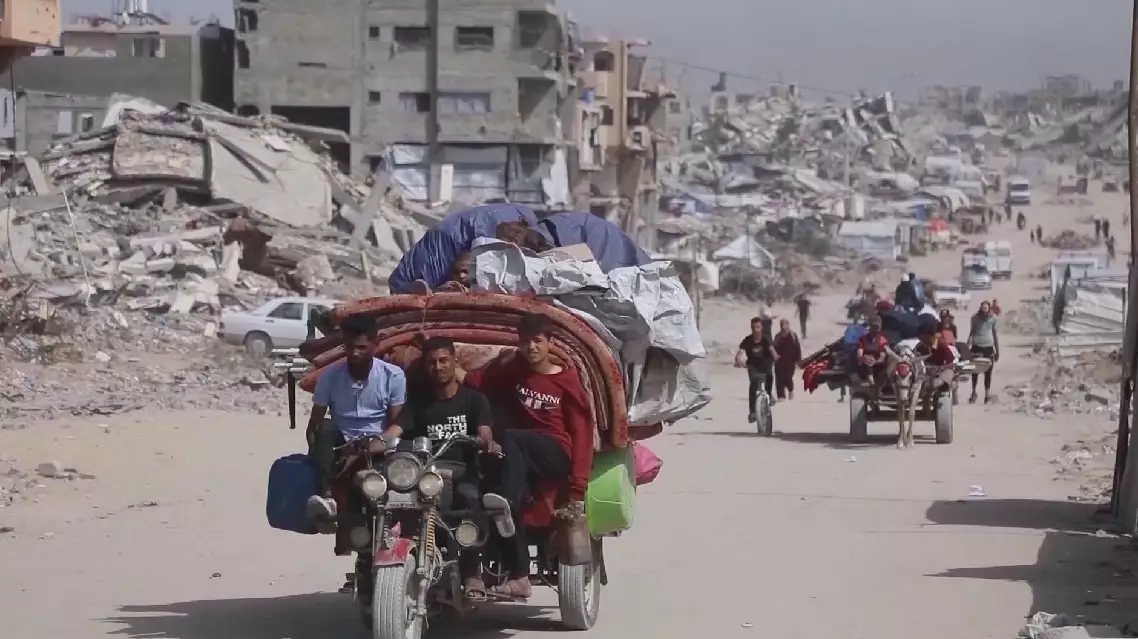
The ceasefire that took effect in October 2025 brought a halt to major fighting and facilitated the release of hostages and prisoners, raising hopes for an end to the war. But throughout the year, Israel continued to carry out near-daily strikes in Gaza and controlled nearly two-thirds of the enclave, leaving the region in rubble and worsening the humanitarian situation.
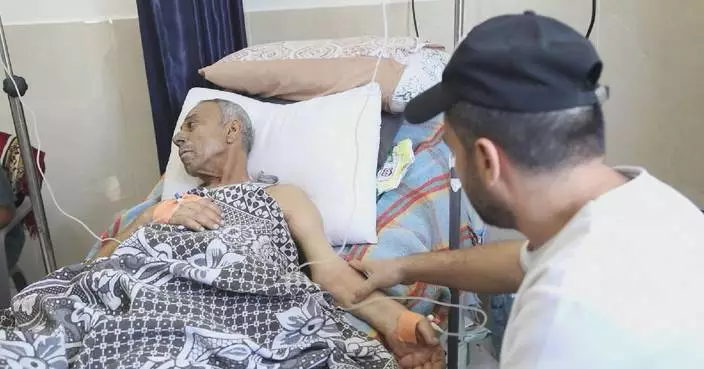
Data released this month by Gaza's health authorities shows Israeli attacks on the Gaza Strip have killed more than 74,000 people and injured over 175,000 since Oct 7, 2023.
The United Nations said most of Gaza lies in ruins, its people displaced, and the Palestinian economy and public finances face severe strain. The UN estimates recovery and reconstruction of the Gaza Strip will cost roughly 70 billion U.S. dollars.
Over the past three years, international mediators have repeatedly pushed for ceasefires and a broader political settlement based on the two-state solution. With Israel and the United States advancing plans for Gaza's demilitarization, questions remain over how the process can move from a ceasefire toward a lasting political settlement.
Three years on, fighting persists in the Gaza Strip, the security situation across the West Bank has turned increasingly dangerous, and the peace and stability sought by the Palestinian people have yet to arrive.
Three years into Palestinian-Israeli conflict: strikes persist, core issues unresolved despite ceasefire