Skip to Content Facebook Feature Image

Keysight Introduces Velocity 4900 Series to Accelerate Test Lab Modernization for AI and 6G

Business

Keysight Introduces Velocity 4900 Series to Accelerate Test Lab Modernization for AI and 6G
Business

Business

Keysight Introduces Velocity 4900 Series to Accelerate Test Lab Modernization for AI and 6G

2026-10-07 23:02 Last Updated At:23:11

SANTA ROSA, Calif.--(BUSINESS WIRE)--Oct 7, 2026--

Keysight Technologies, Inc. (NYSE: KEYS) today announced the Keysight Velocity 4900 Series, a new line of cost-effective Layer 1 automation switches designed to transform and automate physical connectivity in network test labs. Through software-controlled testbed configuration and management, the Velocity 4900 Series enables engineering teams to dynamically connect and automate the management of test equipment using an intuitive graphical user interface. Teams can securely access and share valuable lab resources remotely, improve equipment utilization, and create repeatable testing workflows for increasingly complex networks and infrastructure supporting AI, 6G, and next-generation services.

This press release features multimedia. View the full release here: https://www.businesswire.com/news/home/20261007221060/en/

As the speed, scale, and complexity of next-generation network technologies and services increase, test teams face growing pressure to perform accurate, comprehensive validation and keep pace with rising traffic volumes. Yet many test labs still depend on manual cabling and time-consuming physical topology changes, leaving valuable equipment underutilized or inaccessible to remote teams. These limitations slow testing, increase the risk of configuration errors, and prevent physical lab infrastructure from integrating fully with automated development and continuous integration and continuous delivery (CI/CD) workflows. Without greater lab automation, organizations risk delays to product releases and critical network updates, with significant business and operational consequences.

The Velocity 4900 Series addresses this physical-connectivity bottleneck by replacing manual testbed configuration with software-controlled Layer 1 connectivity. Engineering teams can quickly create, save, modify, and reproduce physical test topologies while securely sharing expensive or scarce test resources with authorized users across teams and locations.

The first two models in the series are:

Both switches provide true Layer 1 forwarding through an ultra-low-latency, fully transparent switching matrix. They support single-mode fiber, multimode fiber, direct-attach copper, and active optical cables, with port speed and media configuration available on a per-port basis. Additional capabilities include port tapping for diagnostics and monitoring and one-to-many traffic replication for broader test coverage and more efficient reuse of traffic-generation resources.

Key benefits of the Velocity 4900 Series include:

Anil Kollipara, Vice President and General Manager of Automated Testing and Assurance, Keysight, said: “Engineering teams developing services and infrastructure to support AI, 6G, and next-generation systems need test environments that can change as rapidly as the technologies they are creating. The Velocity 4900 Series gives organizations a practical and cost-effective way to begin modernizing the physical lab. By automating Layer 1 connectivity and making test resources easier to share, Keysight is helping customers improve utilization, expand test coverage, and accelerate development without requiring a complete lab transformation.”

The Velocity 4900 Series integrates with the broader Keysight Velocity portfolio, enabling organizations to extend software-controlled physical connectivity into resource reservation, lab orchestration, test automation, and CI/CD workflows. The Keysight Velocity 4902 and 4906 are available for order immediately with initial deliveries planned for January 2027.

Resources

About Keysight Technologies

Keysight (NYSE: KEYS) serves technology innovators as a mission-critical design enablement partner for the world’s most complex engineering challenges. By connecting market-leading design, emulation, and test solutions across the full life cycle, Keysight helps engineering teams accelerate innovation, reduce risk, and bring new technologies to market faster. Customers across AI infrastructure, communications, industrial automation, aerospace and defense, automotive, semiconductor, and general electronics rely on Keysight to bridge virtual design and physical reality, enabling confident decisions earlier. Learn more at www.keysight.com.

AEM URL to image:https://keysight-author.adobecqms.net/sites.html/content/keysight/language-masters/en/products/ethernet-traffic-emulation/lab-test-automation
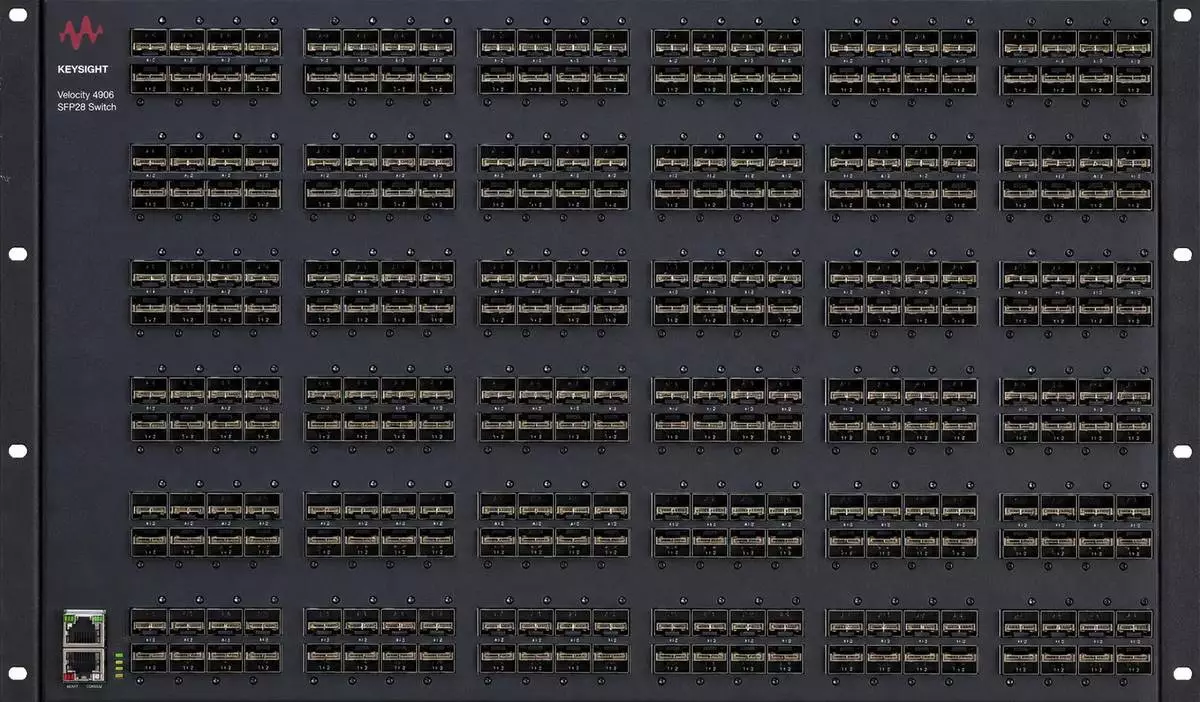
Velocity 4906 Automation Switch: 6RU Layer 1 switch provides up to 288 connections from 100 Mbps to 25 Gbps.

Velocity 4906 Automation Switch: 6RU Layer 1 switch provides up to 288 connections from 100 Mbps to 25 Gbps.
NASHVILLE, Tenn. (AP) — Christa Pike has regained consciousness and is able to speak after Tennessee’s failed attempt to execute her by lethal injection last week, and her attorneys are heading to court Wednesday to request more information about what went wrong.

Pike, 50, survived even after executioners tried to give her two lethal doses of pentobarbital on Sept. 30. She was sentenced to death for the 1995 beating and stabbing death of classmate Colleen Slemmer.

Pike’s attorneys are set to attend a status hearing on the case in Nashville on Wednesday, where they are planning to request a court order compelling the Tennessee Department of Correction to preserve evidence in the case and provide more information.

“Against all odds, Christa Pike is conscious, speaking and continues to receive critical medical care,” attorneys for Pike said in a statement. Pike’s prognosis remains unclear and, at a minimum, she faces a lengthy recovery, the attorneys said. Pike's arms were burned and blistered after the attempted lethal injection and she is handcuffed to the hospital bed, they said.

The failed execution has renewed scrutiny over how states carry out the death penalty, in particular the use of lethal injection. Texas was set on Wednesday to carry out the first execution in the U.S. since Tennessee attempted to put Pike to death.

Pike’s attorneys are seeking a court order to require the prison system to preserve information from the attempted execution, including drug lot numbers, needles, execution logs and other information.

Attorneys with the Tennessee attorney general’s office wrote in a Tuesday court filing that a court order is unnecessary because the prison system is “obliged to maintain this evidence in other cases and must assure it is preserved.” They said state officials have taken “the necessary steps to obtain medical care for Pike and ascertain what occurred.”

Republican Gov. Bill Lee called what happened “deeply disturbing” and ordered a “comprehensive, third-party review to determine exactly what occurred.” The governor postponed the state’s only other execution scheduled for this year.

The state's prison chief resigned in the wake of the failed execution.

Medical and lethal injection experts have focused on the possibility that a problem with the IV line caused the drug to pool in her tissue rather than entering her bloodstream. Pike’s attorneys wrote in their court filing that “apparently at no point did any member of the execution team realize that the IV lines were not correctly placed or that the veins had blown.”

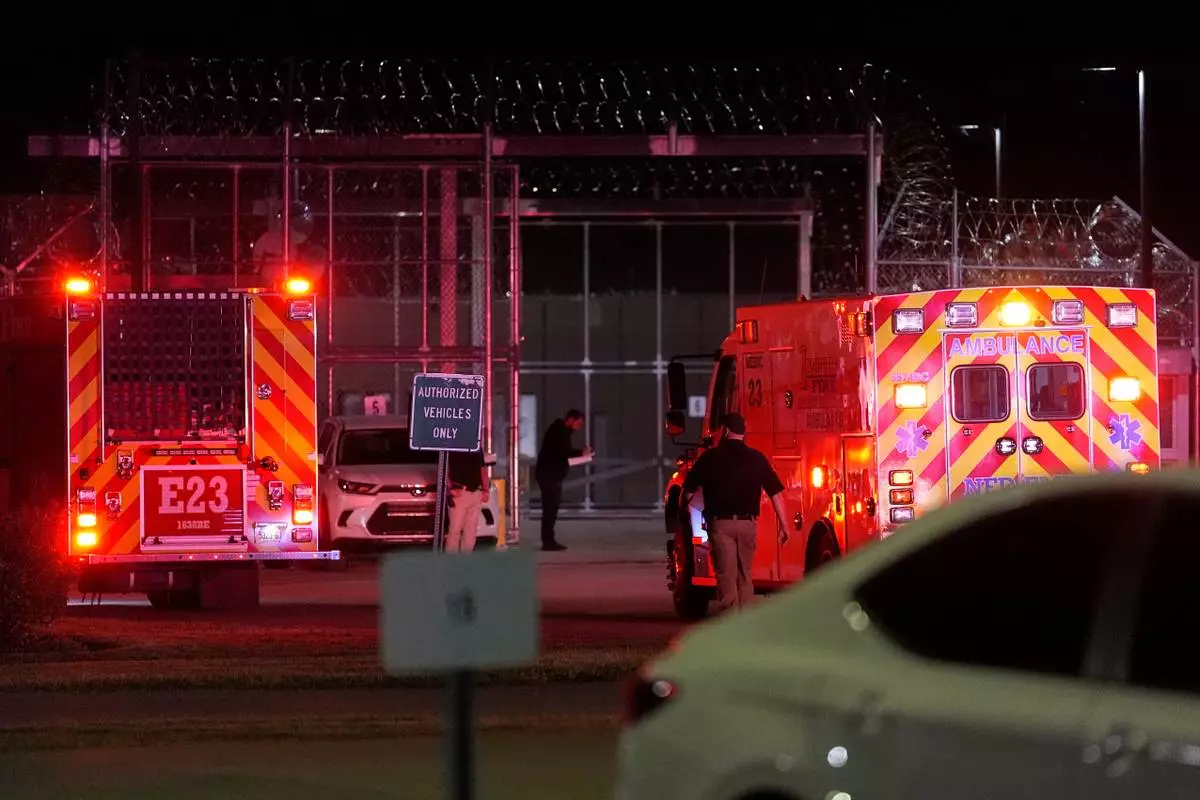
The attempted execution got underway around 7:30 p.m. on Sept. 30 when Pike was given a chance to make a final statement. About five minutes later, Pike raised her head and said her arm was hurting. At some point she appeared to lose consciousness, but she could be heard audibly breathing until media were escorted from the witness room at 8:53 p.m. An ambulance arrived at the prison at 9:14 p.m. to take Pike to a hospital.

Dr. Joel Zivot, a professor of anesthesiology and surgery in Atlanta who consulted as an expert for Pike’s legal team, said it could be weeks or months before anyone knows exactly what her recovery might look like, and whether her competency could be restored so the state can try again to execute her.

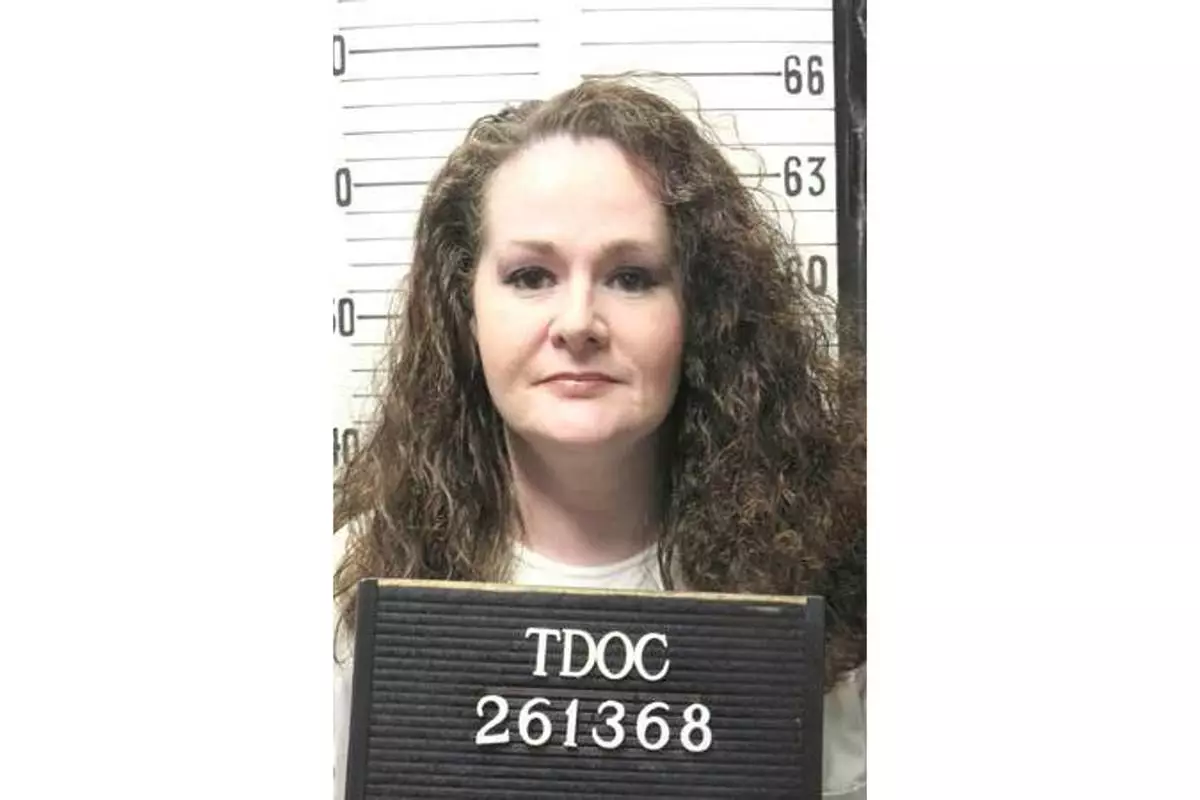
This photo provided by the Tennessee Department of Correction shows Christa Pike on Jan. 12, 2023. (TDOC via AP)

This photo provided by the Tennessee Department of Correction shows Christa Pike on Jan. 12, 2023. (TDOC via AP)

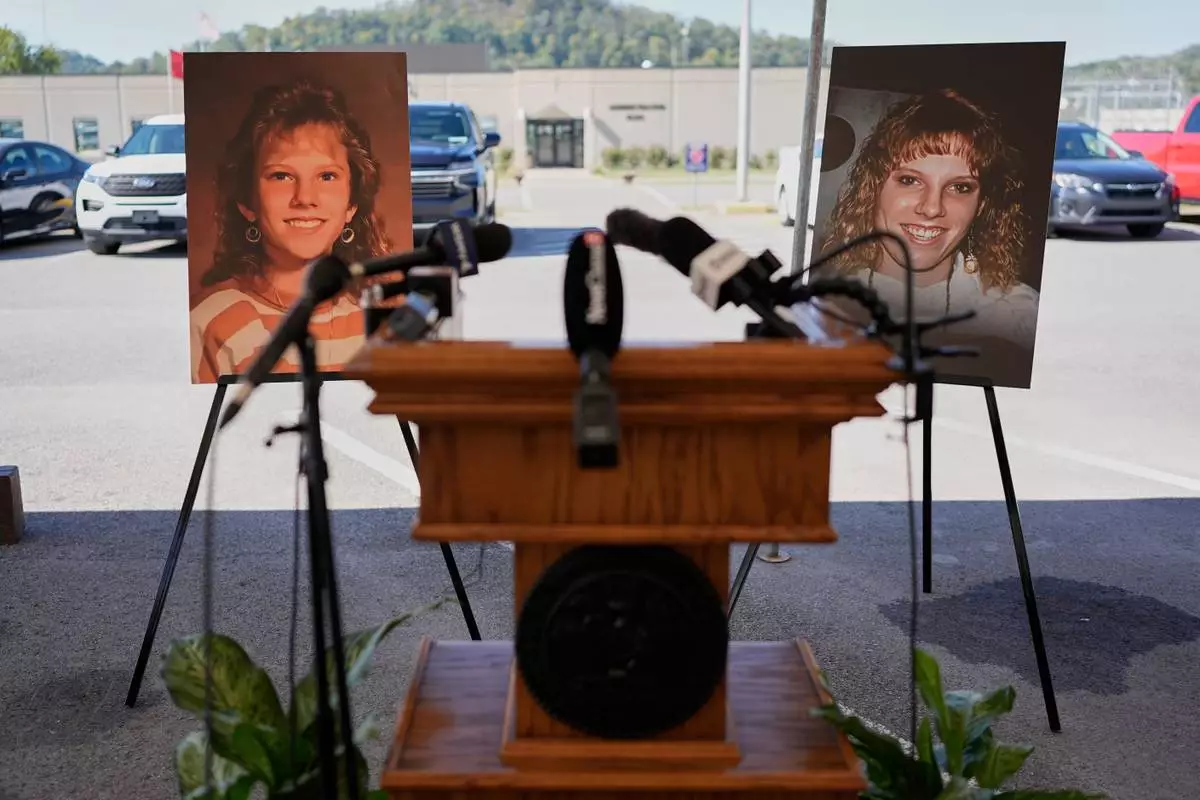
Photographs of Colleen Slemmer, who was murdered in 1995, are displayed outside Riverbend Maximum Security Institution before the planned execution of Christa Pike, Wednesday, Sept. 30, 2026, in Nashville, Tenn. (AP Photo/George Walker IV)

Photographs of Colleen Slemmer, who was murdered in 1995, are displayed outside Riverbend Maximum Security Institution before the planned execution of Christa Pike, Wednesday, Sept. 30, 2026, in Nashville, Tenn. (AP Photo/George Walker IV)

Emergency vehicles arrive at Riverbend Maximum Security Institution after the execution of Christa Pike was halted Wednesday, Sept. 30, 2026, in Nashville, Tenn. (AP Photo/George Walker IV)

Emergency vehicles arrive at Riverbend Maximum Security Institution after the execution of Christa Pike was halted Wednesday, Sept. 30, 2026, in Nashville, Tenn. (AP Photo/George Walker IV)

Recommended Articles