TUCSON, Ariz. (AP) — The University of Arizona has suspended activities at its fraternities following persistent reports of misconduct, including assault, hazing, and drug and alcohol-related behavior, a university official said.
Just seven weeks into the fall semester, the university's Dean of Students Office was investigating multiple misconduct reports involving nearly half the school's Interfraternity Council chapters, Dean Chrissy Lieberman said Monday in a letter to the school's fraternities and sororities announcing the suspension.
The reports follow misconduct findings against some interfraternity chapters in the spring and multiple criminal investigations, according to the letter.
“The number of cases under investigation and the severity of the concerns is egregious,” Lieberman wrote.
University spokesman Nick Prevenas did not immediately respond to a request for more information about the criminal investigations on Wednesday.
The Associated Press left messages with the university’s police agency. Officer Frank Magos, a spokesperson for the Tucson Police Department, said he was unaware of recent cases involving fraternities that were investigated by the city’s police agency.
Prevenas also did not say whether the suspension was triggered by recent public outcry over how Cornell University handled allegations that multiple fraternity brothers sexually assaulted a woman in 2024. Lieberman's letter noted that “the value of the Greek experience is under scrutiny nationwide.”
The suspension prohibits fraternities from hosting, attending, participating in and sponsoring any organizational activities at least until their advisers have met with Lieberman at one of three meetings that were scheduled for Tuesday, Wednesday and Oct. 12, according to the letter.
The letter said the dean's office had reached “capacity” to investigate misconduct reports, and that reports continued even after the university’s president warned Interfraternity Council presidents at an August meeting about the possibility of additional consequences.
“It is time for the University of Arizona Greek community to step up and set an example for good,” the letter said. “It is time to have difficult conversations with each other and the members of the community.”
The university had previously suspended activities at the Sigma Tau Gamma fraternity after new members last year were reportedly forced to consume large quantities of alcohol and live goldfish and were subjected to screaming, degradation, and threats, according to a Sept. 2 letter from a university official to the fraternity.
An email and phone message at the fraternity's national headquarters were not immediately returned. The AP also reached out to six other fraternity chapters at the University of Arizona’s campus via social media seeking comment on the suspensions.

The main gate at the University of Arizona is shown, Friday, July 31, 2015, in Tucson, Ariz. (AP Photo/Ross D. Franklin)
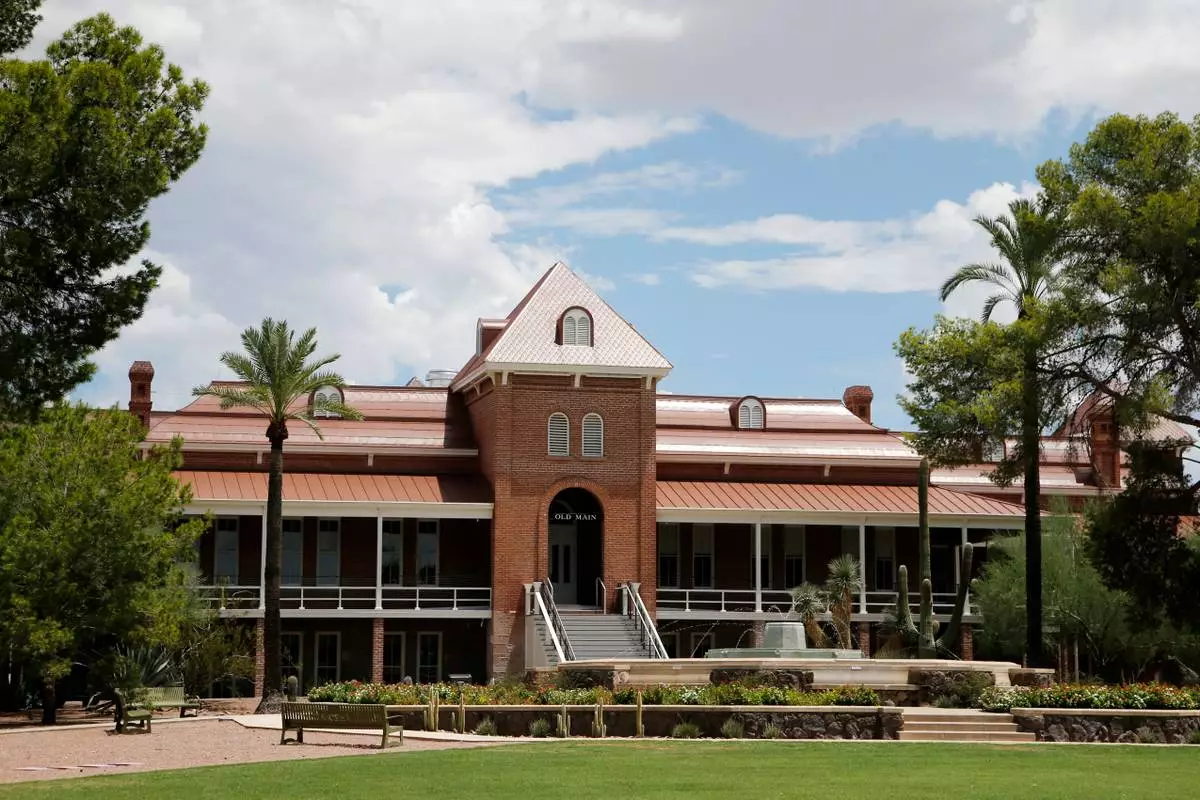
The original Old Main building on the University of Arizona campus is seen Friday, July 31, 2015, in Tucson, Ariz. (AP Photo/Ross D. Franklin)
HUNTSVILLE, Texas (AP) — A Texas court on Wednesday refused to halt the execution of a man who fatally shot a convenience store clerk after his attorneys cited the failed lethal injection of Christa Pike in Tennessee.
The Texas execution was scheduled to take place later Wednesday and would be the first in the U.S. since Pike survived the attempted execution last week.
Because Texas planned to inject the same drug used in Pike's attempted execution — pentobarbital — attorneys for 46-year-old Jamaal Howard argued to the Texas Court of Criminal Appeals that the drug poses similar risks. They also raised concerns about the quality of the state's execution drugs.
The court denied the request for a stay and later denied a second attempt to stop the execution over the drug. The court denied both without elaboration. The U.S. Supreme Court also denied a late appeal Wednesday evening without comment.
Pike's lawyers are seeking more information about what went wrong after the 50-year-old woman survived two doses of pentobarbital on Sept. 30. They said she was unconscious at a hospital after the attempt but was awake and speaking by Tuesday.
“Texas should not be eager to follow in Tennessee’s footsteps; a stay would keep that from happening,” Howard's attorneys argued in their earlier filing.
Texas has executed six people so far this year, with two more lethal injections scheduled after Howard. He would become the 30th person executed nationwide in 2026.
On Wednesday, Howard was described as “chatty” during the 45-mile (70-kilometer) drive from the death row prison to the Huntsville Unit where executions are carried out, said Amanda Hernandez, a spokesperson for the Texas Department of Criminal Justice.
“He made small talk with the officers through the whole trip,” she said, adding he was taken to a small holding cell near the death chamber where he remained talkative.
“He was asking questions and was very engaged in the process,” Hernandez said.
Howard was convicted of capital murder in the 2000 killing of Vickie Swartout, 42, who was shot once in the chest during a store robbery. Evidence presented at trial included store surveillance video that showed Howard shooting Swartout.
Howard, then age 20, took $114 and a carton of cigarettes from the store in the small, rural town of Silsbee, about 100 miles (160 kilometers) northeast of Houston, according to court records.
His attorneys have argued to the U.S. Supreme Court that Howard's execution should be halted because he is intellectually disabled. But the state said his attorneys haven't presented evidence showing he meets the requirements for a claim of intellectual disability. The court late Wednesday rejected Howard's appeal in a brief notice without elaborating.
In 2002, the Supreme Court had barred the execution of intellectually disabled people. But it has given states some discretion in determining intellectual disability.
In their filings in the Texas Court of Criminal Appeals, Howard's attorneys said they filed requests for information about the lethal dose of pentobarbital the Texas Department of Criminal Justice planned to use.
The attorneys said the department asked for a state attorney general opinion about whether it must disclose that information, but that opinion is not expected to be returned until after Wednesday.
Texas officials did not immediately return a request for comment Wednesday.
Florida has carried out 16 executions so far this year, the most of any state. Most states that allow executions use lethal injection as their primary method.
Tennessee's Republican Gov. Bill Lee has halted the one remaining execution there for the rest of the year.
Stengle reported from Fort Worth, Texas.
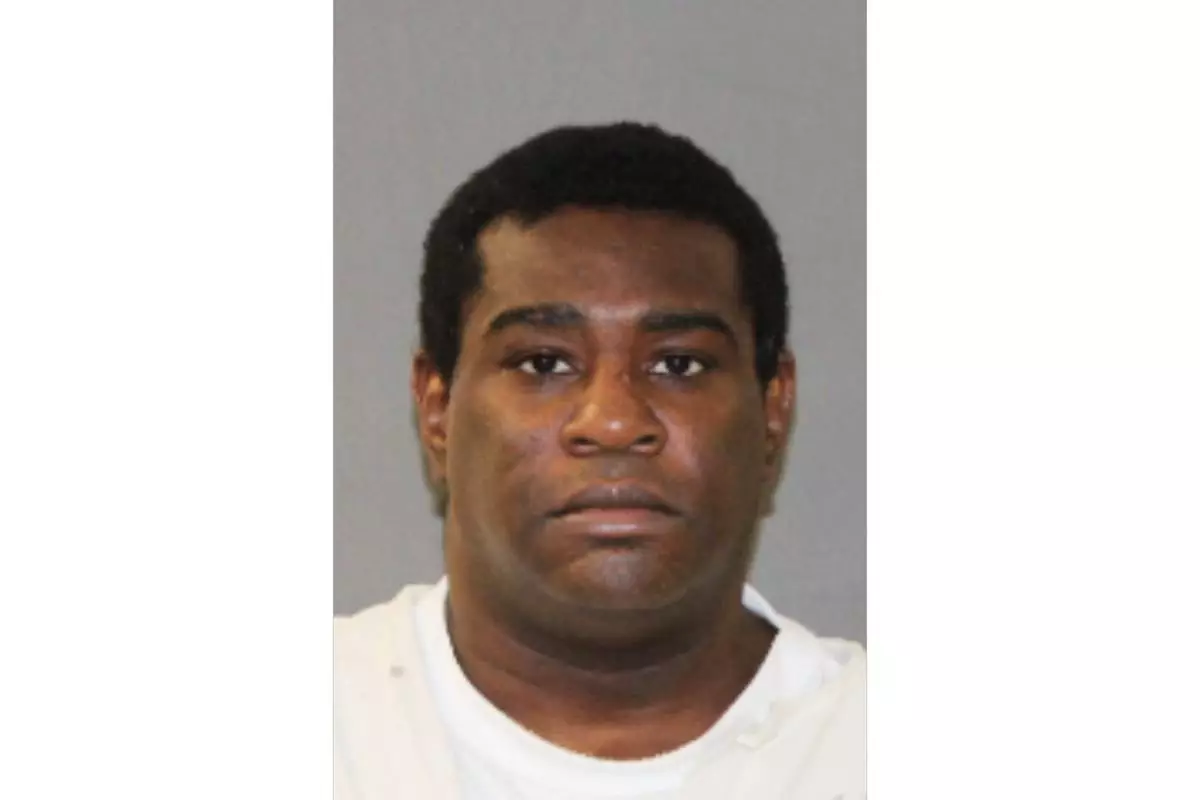
This photo provided by the Texas Department of Criminal Justice shows Jamaal Howard on Oct. 28, 2022. (Texas Department of Criminal Justice via AP)
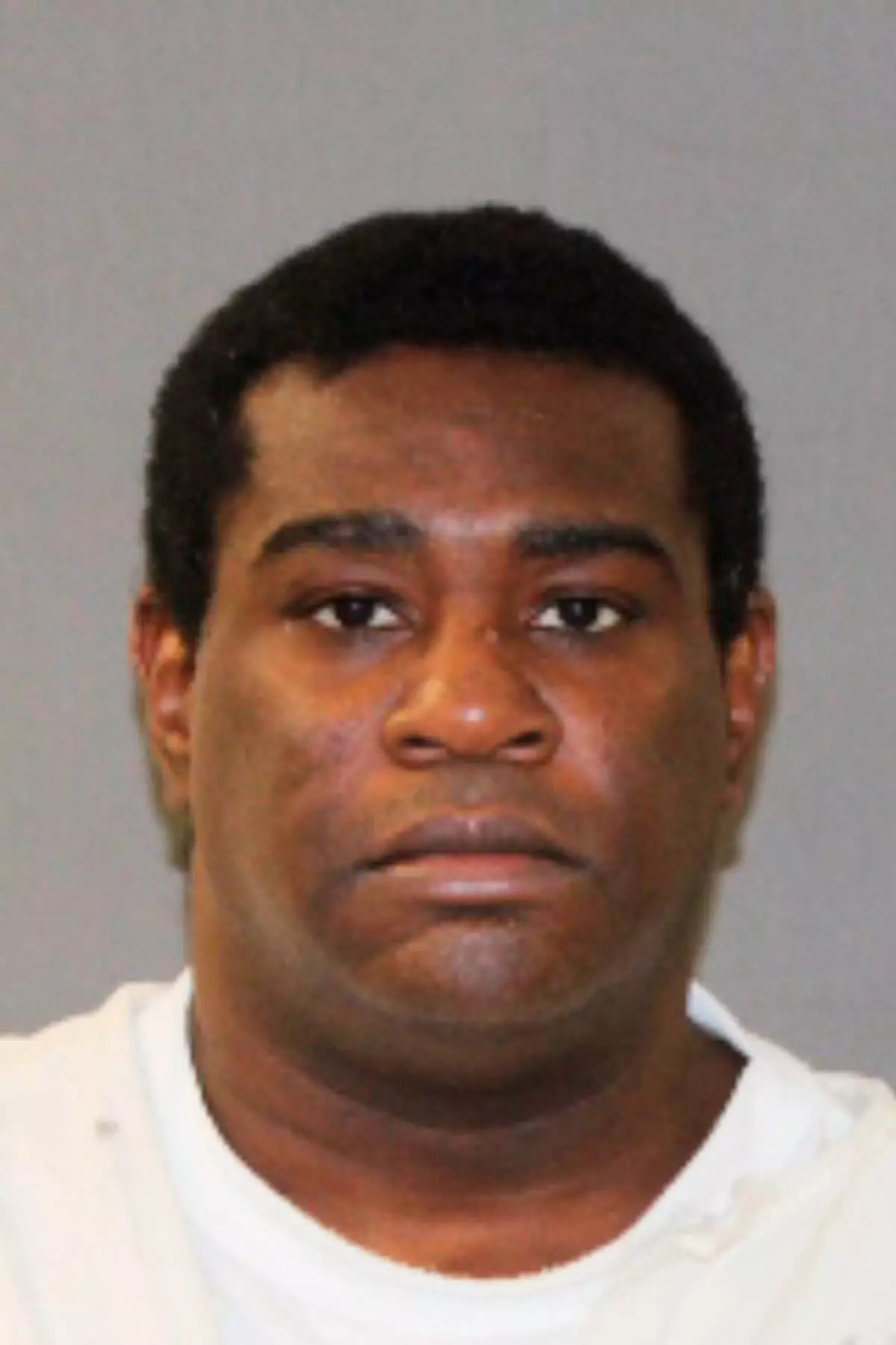
This photo provided by the Texas Department of Criminal Justice shows Jamaal Howard on Oct. 28, 2022. (Texas Department of Criminal Justice via AP)