OSAKA, Japan--(BUSINESS WIRE)--Oct 7, 2026--
Gunze Limited (Headquarters: Osaka, Japan; President: Takahiro Oka) [TOKYO:3002] has developed a next-generation antistatic sewing thread that uses neither carbon nor metal as its conductive material. By applying proprietary resin processing technology, cultivated through its plastic film business, Gunze has succeeded in combining high antistatic performance with a wide range of color options, including white and vivid colors.
This press release features multimedia. View the full release here: https://www.businesswire.com/news/home/20261007568836/en/
The new product overcomes a key limitation of conventional antistatic threads - the difficulty of producing white and light colors. Its advanced technology enables a wide range of colors, from pure white to vibrant hues, while delivering superior antistatic performance and longer-lasting effectiveness than conventional products.
Development Background
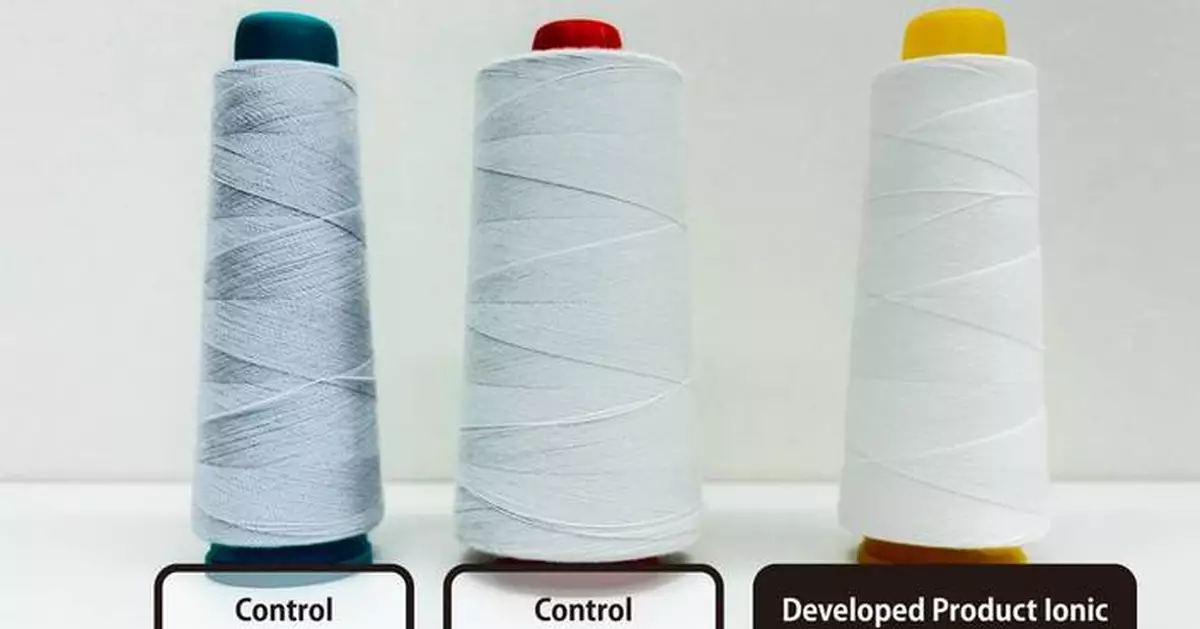
Conventional antistatic sewing threads primarily use carbon to quickly dissipate static electricity. However, the use of carbon makes the threads black or gray, limiting their application in white, light-colored, and brightly colored clothing and materials.
To overcome this challenge, Gunze applied its core resin processing technology, developed through its Plastic Film Division. Drawing on its expertise in laminating materials with different properties, Gunze applied this technology to textile development and successfully harnessed the potential of ion-conductive polymers.
Key Features of the New Antistatic Sewing Thread
1. Broad Design Flexibility: “White and Multi-Color” Options
Instead of carbon or metal, this product uses ion-conductive polymers to dissipate static electricity. Because it contains no carbon or metal, the thread maintains its inherent whiteness and can be produced in pure white or dyed in a wide range of colors, including vibrant and multi-color variations.
This expands the potential applications of antistatic threads beyond conventional limitations—from design-focused apparel to industrial materials where visibility and appearance are important.
2. Superior Antistatic Performance
Gunze’s resin molding and processing technologies, developed over many years, enable the ion-conductive polymer to be optimally distributed throughout the fibers. This allows the thread to dissipate static electricity quickly and efficiently, delivering superior antistatic performance compared with conventional antistatic threads.
The product is suitable for delicate work environments where static electricity must be minimized, as well as high-performance apparel designed to reduce the discomfort caused by static electricity, particularly during the winter months.
3. Long-Lasting Antistatic Effect
The newly developed thread continuously dissipates static electricity as it is generated, helping prevent static buildup on clothing and other materials. Its long-lasting antistatic performance reduces the occurrence of unpleasant static shocks and helps maintain comfort over time.
Potential Applications
1. High-Performance and Fashion Apparel
White knitwear, sportswear, outdoor wear and winter clothing requiring antistatic properties without compromising design.
2. Uniforms and workwear
For precision machinery manufacturing, medical and pharmaceutical facilities, and cleanrooms, where both antistatic performance and a clean appearance are required.
3. Interior and Industrial Materials
Potential applications include carpets, curtains, automotive interiors and various types of filters.
A New Possibility Created by Cross-Business Technology
Gunze is committed to strengthening cross-business technology in order to provide people around the world with "Comfort Solutions for Life" through our proprietary technologies. One prime example of this is the development of antistatic sewing threads through the integration of technologies from our Textiles and Plastic Films divisions. Going forward, the company intends to expand its product range based on this technology and actively promote it in B2B markets in Japan and abroad.
About Gunze and its Threads and Accessories Business
Founded in Kyoto in 1896, Gunze Limited is a global manufacturer and technology developer with businesses in apparel, plastic films, engineering plastics, and medical devices.
Gunze’s Threads and Accessories business is known for advanced manufacturing technology and consistent quality. Its industrial sewing threads are widely used in apparel and industrial applications, including high-performance threads for automotive airbags that require strict safety standards. Gunze holds the leading share of Japan’s industrial sewing thread market and is expanding globally while promoting sustainable initiatives such as recycled threads and elastic products.
Website: https://www.gunze.co.jp/english/products/thread/
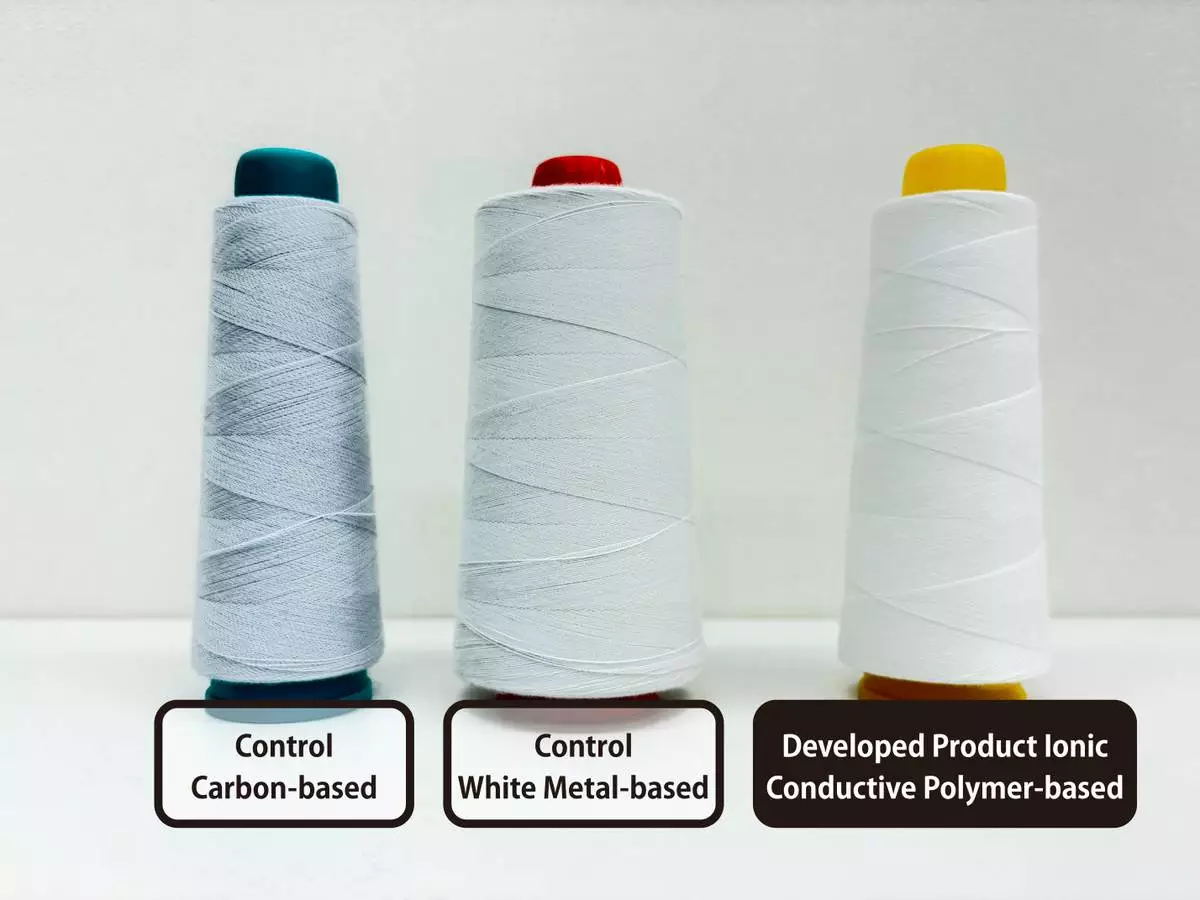
A product based on ionic conductive polymer technology was developed by Gunze.