Skip to Content Facebook Feature Image

Police fire tear gas at a barricaded high school in Paris as school protests show no sign of ending

News

Police fire tear gas at a barricaded high school in Paris as school protests show no sign of ending
News

News

Police fire tear gas at a barricaded high school in Paris as school protests show no sign of ending

2026-10-08 17:16 Last Updated At:17:30

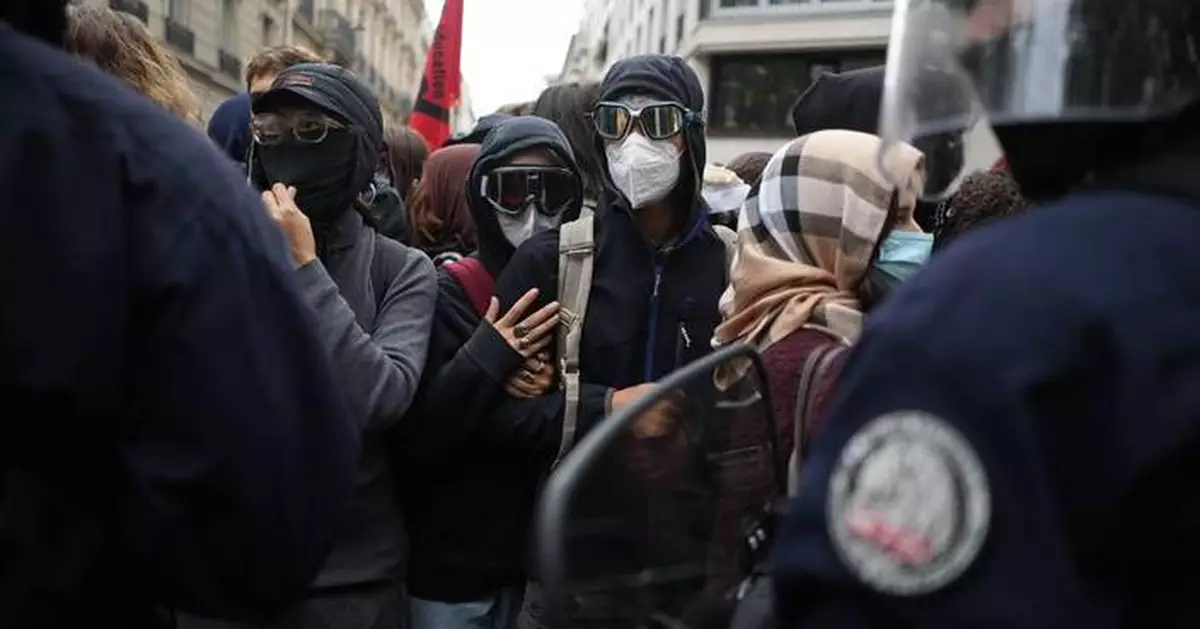
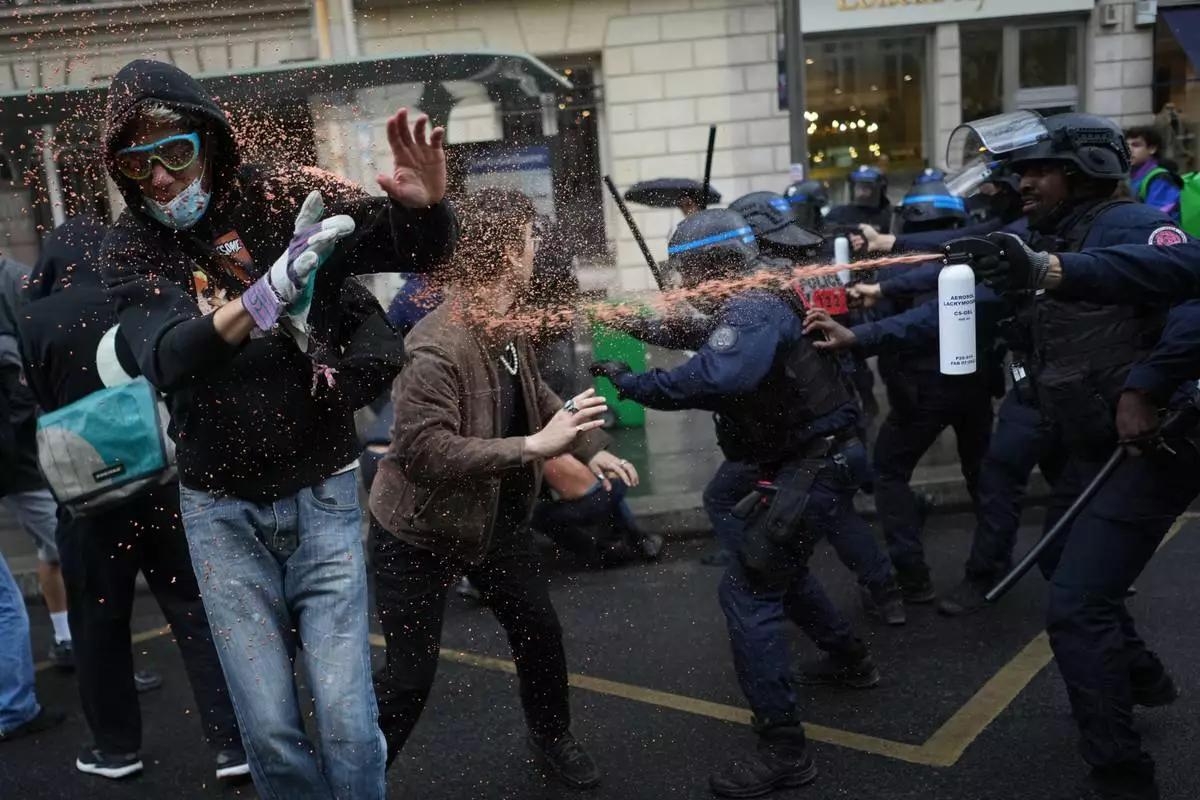
PARIS (AP) — Dozens of students dragged rubbish bins into position outside a high school in northeastern Paris early on Thursday, erecting fresh barricades before police moved in with tear gas as France’s nationwide protests show few signs of ending.

The Helene Boucher Lycee has been a flashpoint for clashes in the French capital, and is one of hundreds of schools disrupted by protesters Thursday.

At least a dozen demonstrations in support of the high school students' movement are planned around France later in the day.

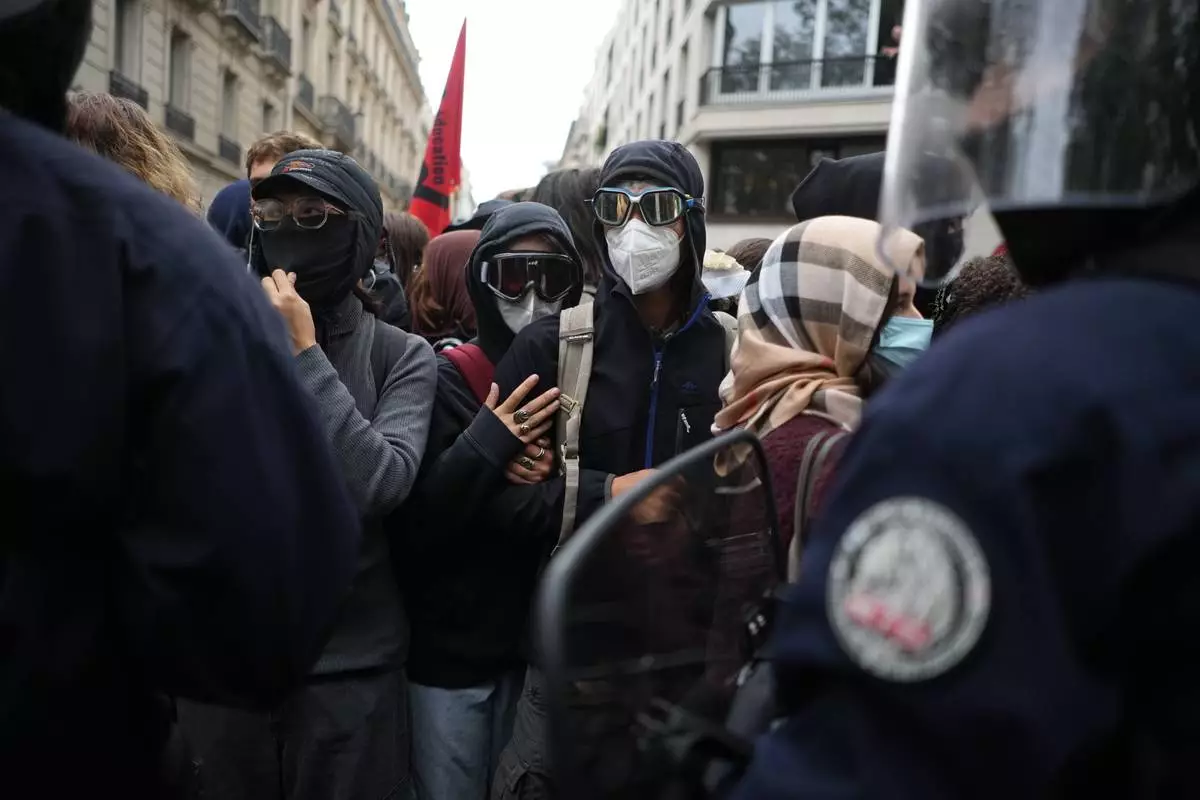
Riot police gathered in side streets as students converged on the school. Many protesters wore surgical masks or hoodies, apparently afraid to be recognized.

Police have made more than 6,600 arrests since late September, when students, most of them under 18, started protesting to demand more education funding, according to the Interior Ministry. The Education Ministry said that 375 schools were either fully or partially closed on Thursday.

While the number of school closures was down compared to Tuesday, pressure is mounting on the government of outgoing President Emmanuel Macron.

The protests against the under-funding of schools — many of them struggling with dilapidated facilities and insufficient staff — have drawn troublemakers not concerned about the aims of the protest movement as well as unions and political groups.

In a TV address, Prime Minister Sebastien Lecornu lamented the “violence, students and staff being attacked, police officers and gendarmes injured, schools set on fire or vandalized, thousands of hours of classes lost, not to mention threats and insults.”

He took aim at “political leaders who use this anger to conduct their electoral battles." France goes to the polls for a presidential election in April. “We cannot play with the safety of France’s youth,” Lecornu said.

At the Lycee, 18-year-old university student Emma Khelil came to offer support to those at the barricades at her former high school. She told The Associated Press that she’s really concerned about police violence.

“We’re here to defend our rights, not to lose an eye or a hand,” Khelil said. She also said that she had noticed insulation problems and water leaks in the school building and had even seen rats on occasion. Other students confirmed that they’d seen rats too.

She was not convinced by Lecornu’s efforts to calm the situation.

“I don’t think the movement is going to lose momentum. As long as things don’t change, we’re going to see the movement grow stronger, and potentially a convergence of struggles, especially with the next presidential election coming up,” she said.

Not long after she spoke, police surrounded a nearby square. The crowd surged, and tear gas was fired.

The impact of France's protests is also being felt north of the border, in Belgium.

Liege Mayor Willy Demeyer issued a ban on public gatherings until midnight on Oct. 16, given what he described as the “real, serious and imminent risk” of repeated clashes and vandalism that authorities expected in coming days.

City police said they used water cannon and tear gas on Wednesday to keep several hundred protesters at bay. Authorities sent emergency mobile text messages warning shopkeepers to close their premises due to rioting.

Almost 90 people were arrested and several police were injured. Police reinforcements were sent from the capital Brussels and from Antwerp, and more are coming. Smaller protests have been held in Mons and Charleroi.

In a post on social media, Belgium’s Interior Minister Bernard Quintin said the “perpetrators will have to answer for their actions before the courts.”

The Belgian protests, organized through social media chat groups, include demands for more teachers and smaller classes as well as complaints about education reform in Belgium, but are also likely inspired by events in France.

Cook reported from Brussels. Masha Macpherson in Paris contributed to this report.
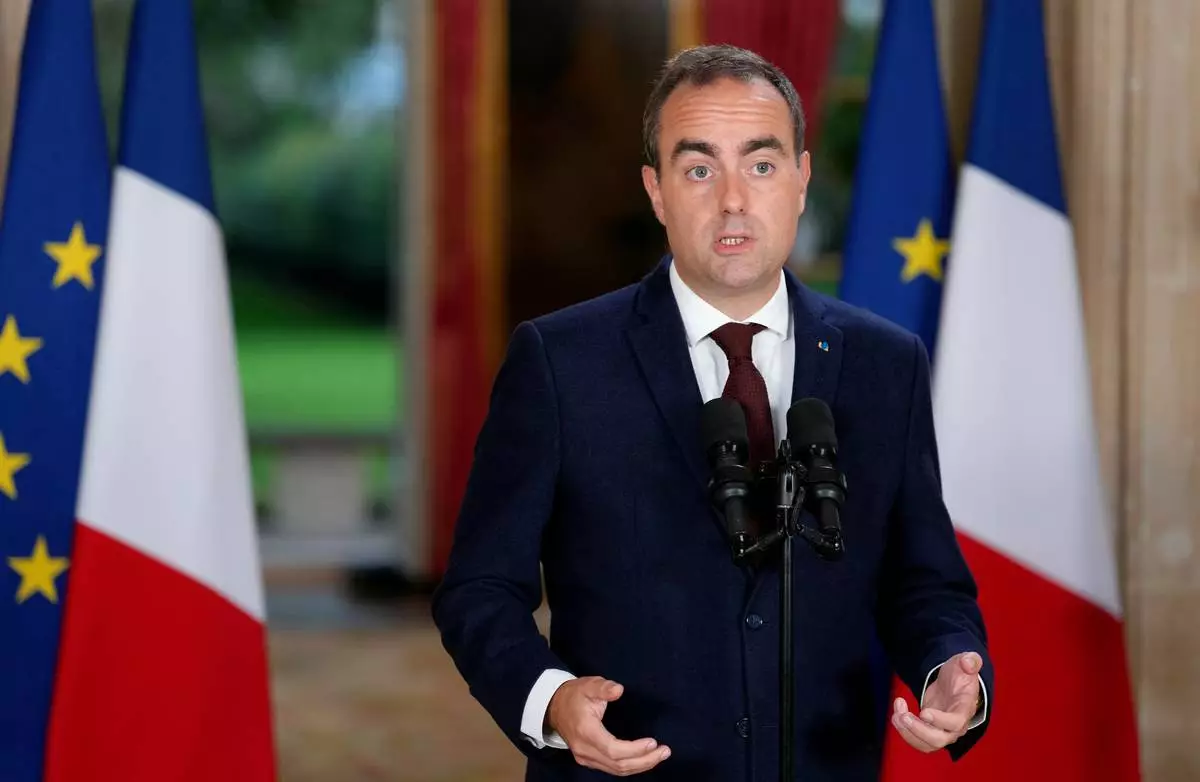
France's Prime Minister Sebastien Lecornu makes a statement at the Hotel de Matignon in Paris, Wednesday, Oct. 7, 2026. (Dimitar Dilkoff/Pool Photo via AP)
France's Prime Minister Sebastien Lecornu makes a statement at the Hotel de Matignon in Paris, Wednesday, Oct. 7, 2026. (Dimitar Dilkoff/Pool Photo via AP)

Police officers spray students with pepper spray near Sciences Po university as they protest against under-resourced schools, in Paris, Wednesday, Oct. 7, 2026. (AP Photo/Thibault Camus)
Police officers spray students with pepper spray near Sciences Po university as they protest against under-resourced schools, in Paris, Wednesday, Oct. 7, 2026. (AP Photo/Thibault Camus)

Students face policemen near Sciences Po University as they protest against under-resourced schools, in Paris, Wednesday, Oct. 7, 2026. (AP Photo/Thibault Camus)
Students face policemen near Sciences Po University as they protest against under-resourced schools, in Paris, Wednesday, Oct. 7, 2026. (AP Photo/Thibault Camus)
JERUSALEM (AP) — Israel said on Thursday that the British Consulate in east Jerusalem has “ceased to function” in that capacity and that 20 staffers will leave the country, the latest move in the biggest diplomatic rift between the close allies in decades.

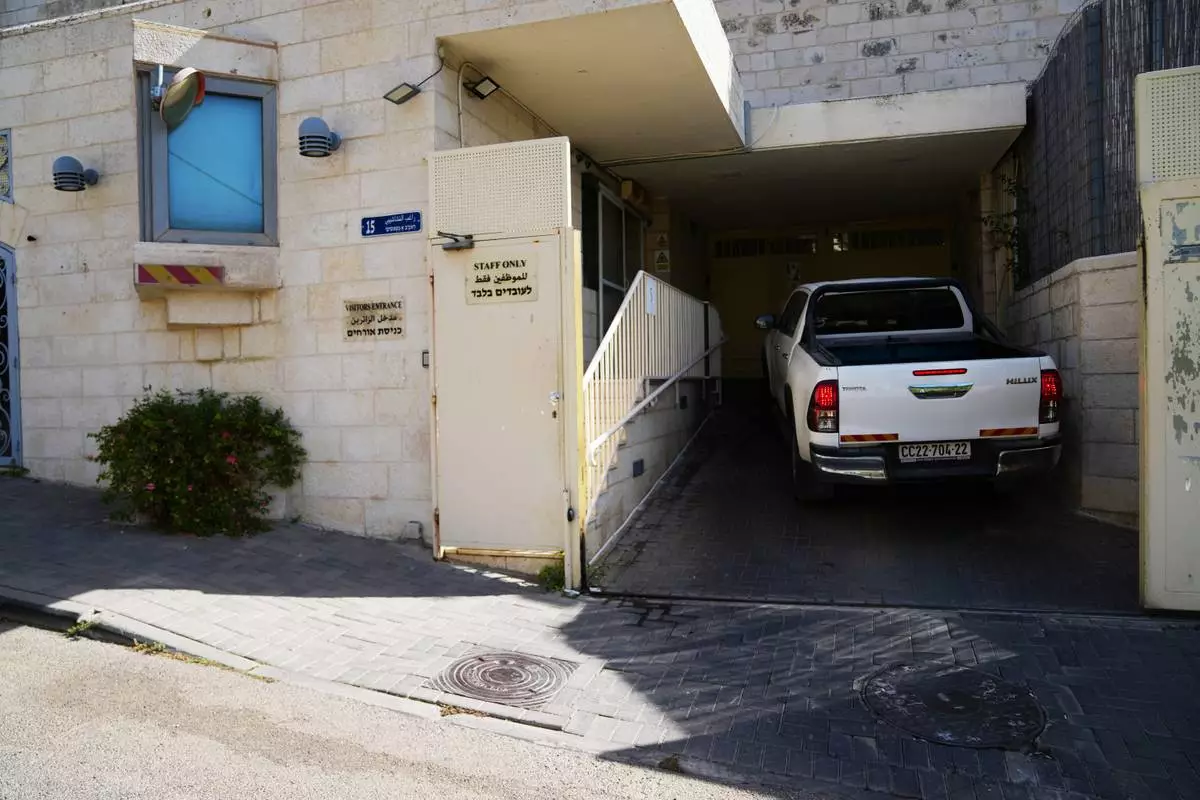
The sign outside the consulate was taken down, but Britain said the building remains open and a core staff will continue to deliver “vital services” and work with Palestinians. The U.K. government said would not retaliate by expelling Israeli diplomats as it seeks to rebuild its staff.

The dispute began last month when the United Kingdom banned trade with Israeli settlements in the occupied West Bank. The United Nations and much of the international community consider all settlements as illegal.

“Israel will no longer turn its cheek to diplomatic attacks against it," Israeli Foreign Minister Gideon Saar said in a statement, adding that the building would continue to operate with a “task force” of seven diplomats and a “very limited” scope of activity. Twenty British diplomats will leave Israel, including the consul general.

British Foreign Secretary Ed Miliband said in a statement that the building "will be known as the U.K. Mission, Jerusalem” after discussions with Israel’s government, and a small team of diplomats would continue to operate there.

“This will ensure that we maintain our longstanding British presence and the U.K.’s role in support of a two-state solution,” Miliband added.

Britain had threatened to expel Israeli diplomats if the consulate was closed, but said it would not do so for now because it's in talks with Israel about expanding the mission.

“We will work in the coming months to build back up our presence,” Miliband said.

Meanwhile, “our diplomats are going to be able to carry out their important work in relation to, for example, relations with the Palestinians, but also supporting British nationals visiting the area,” Middle East Minister Stephen Doughty told Times Radio.

Miliband made clear that Britain does “not accept that the government of Israel has the legal right to close the British Consulate General in Jerusalem, which has been there for nearly 200 years.”

The foreign secretary added that the U.K. government reiterates its view that east Jerusalem "is occupied territory."

The U.K. and Israel continue to have close defense and security cooperation, but diplomatic relations have deteriorated over Israel’s conduct of the war with the Hamas militant group in Gaza and Britain’s decision last year to recognize a Palestinian state.

Last month’s announcement of a ban on trade Israeli settlements in the occupied West Bank marked a significant toughening of Britain’s stance toward a longtime ally.

Doughty, the Middle East minister, said the U.K. has “a strong and ongoing relationship with Israel.”

Israel captured the West Bank, along with Gaza and east Jerusalem, in the 1967 Mideast war, territories the Palestinians want for a future state.

Since then, the Israeli government has built scores of settlements that are home to well over 500,000 Jewish settlers. Many settlements resemble fully developed suburbs.

The current government under Prime Minister Benjamin Netanyahu, the most nationalist and religious in Israel’s history, views the West Bank as the biblical and historical homeland of the Jewish people and sees the settlements as key to maintaining security.

Lawless reported from London.

A car enters the British Consulate after the sign outside the consulate was taken down, in east Jerusalem, Thursday, Oct. 8, 2026. (AP Photo/Mahmoud Illean)

A car enters the British Consulate after the sign outside the consulate was taken down, in east Jerusalem, Thursday, Oct. 8, 2026. (AP Photo/Mahmoud Illean)

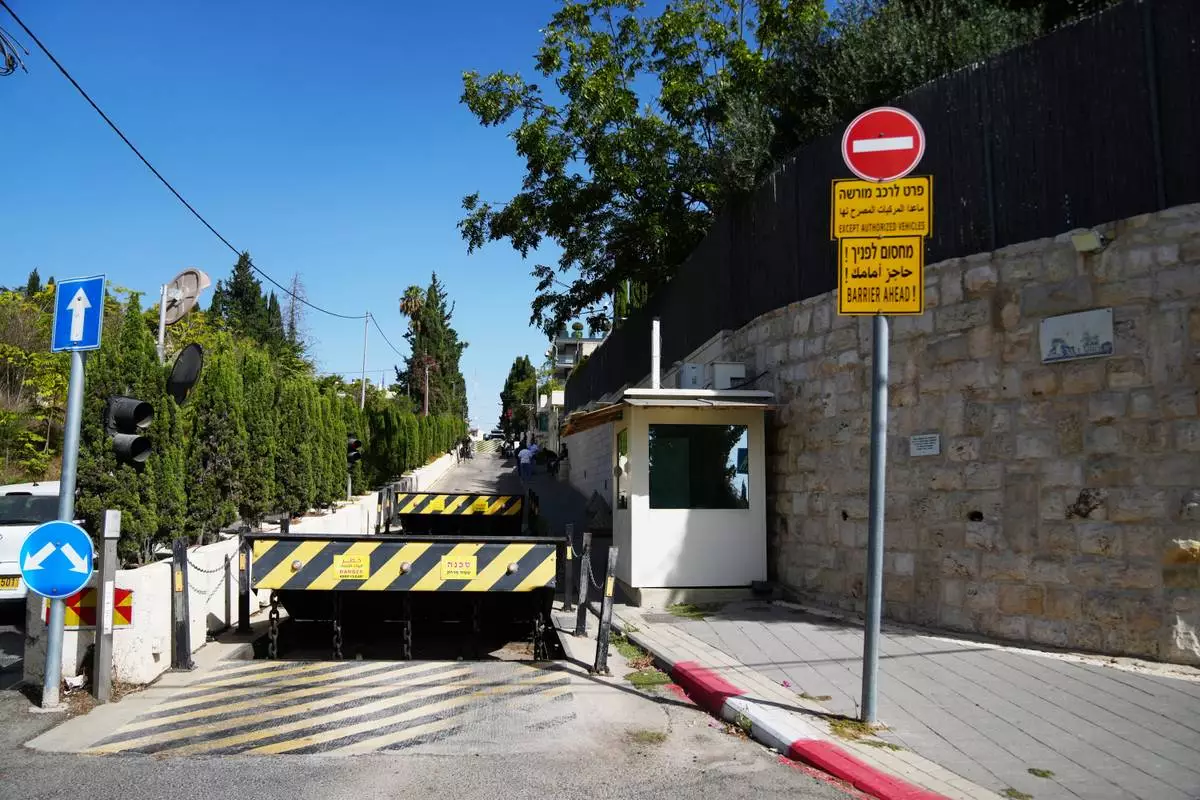
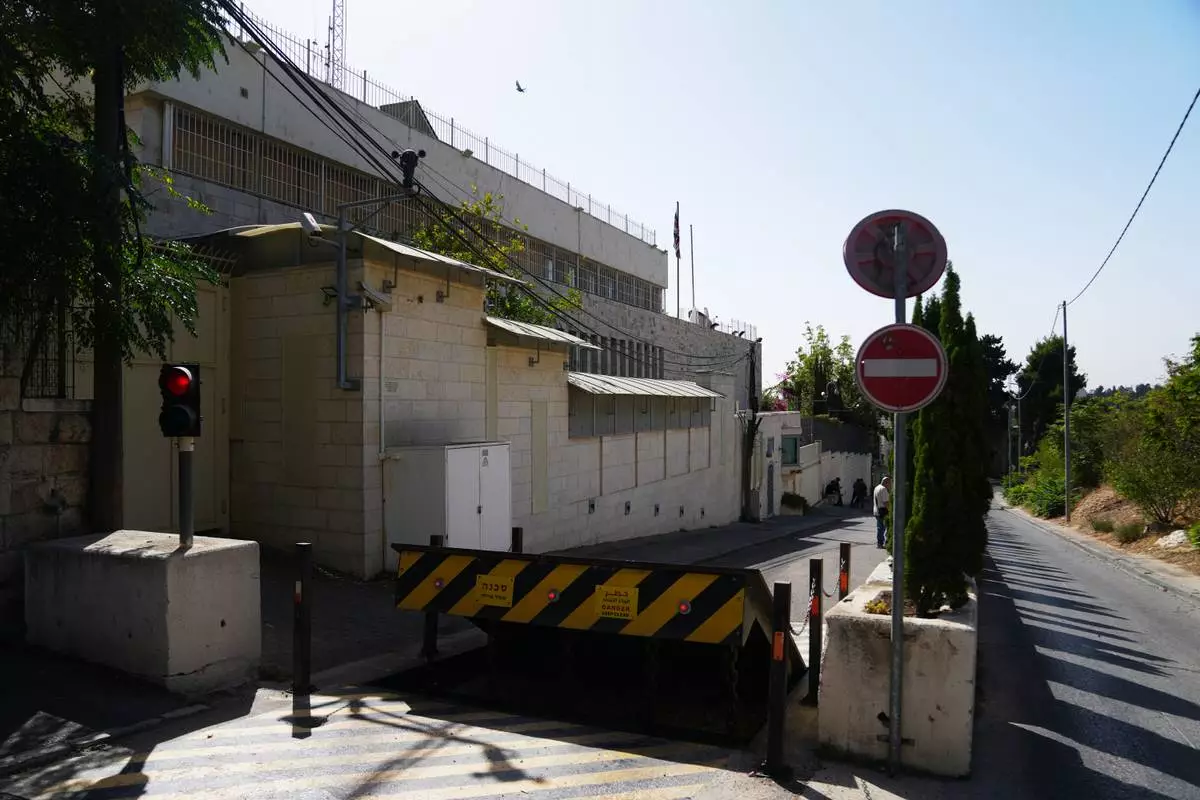
Barricades block the main road leading to British Consulate after the sign outside the consulate was taken down, in east Jerusalem, Thursday, Oct. 8, 2026. (AP Photo/Mahmoud Illean)

Barricades block the main road leading to British Consulate after the sign outside the consulate was taken down, in east Jerusalem, Thursday, Oct. 8, 2026. (AP Photo/Mahmoud Illean)

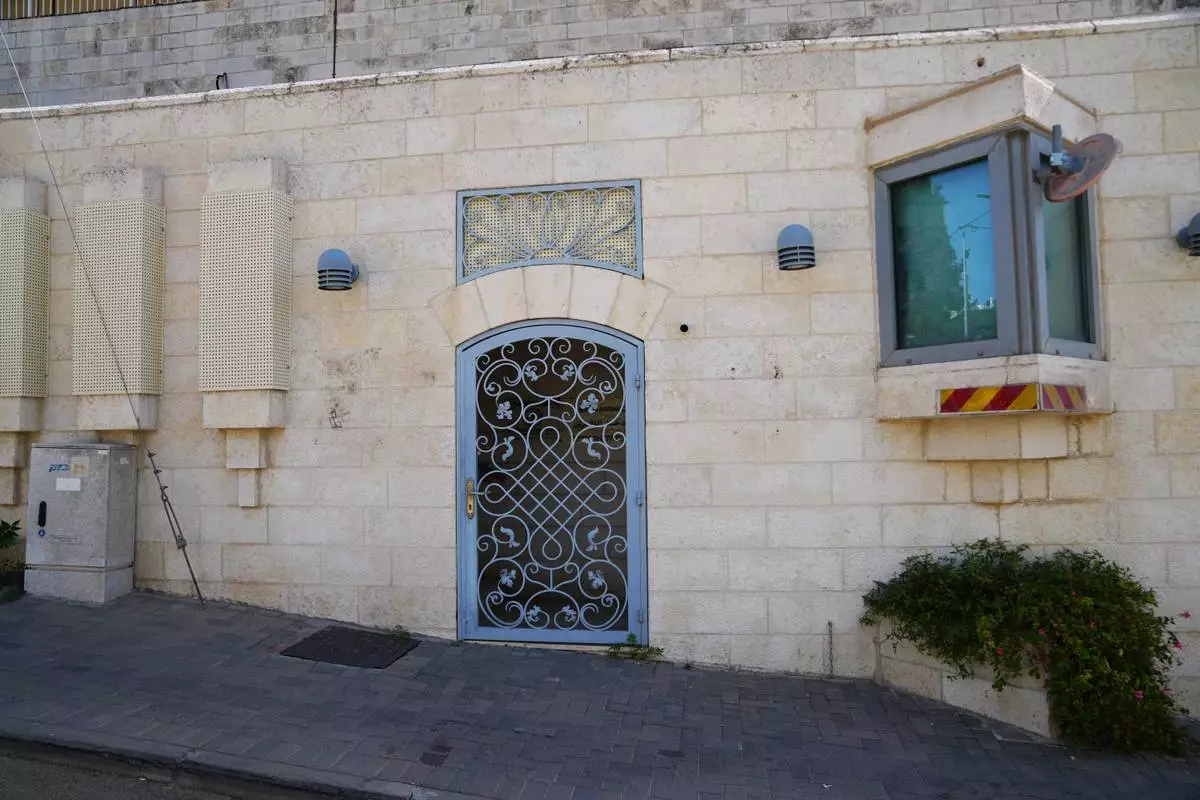
Main entrance to the British Consulate is seen after the sign outside the consulate was taken down, in east Jerusalem, Thursday, Oct. 8, 2026.(AP Photo/Mahmoud Illean)

Main entrance to the British Consulate is seen after the sign outside the consulate was taken down, in east Jerusalem, Thursday, Oct. 8, 2026.(AP Photo/Mahmoud Illean)

Barricades block the main road leading to British Consulate after the sign outside the consulate was taken down, in east Jerusalem, Thursday, Oct. 8, 2026. (AP Photo/Mahmoud Illean)

Barricades block the main road leading to British Consulate after the sign outside the consulate was taken down, in east Jerusalem, Thursday, Oct. 8, 2026. (AP Photo/Mahmoud Illean)

Recommended Articles