September's monthly gravidtrap index for Aedes albopictus mosquitoes continues to drop
The Food and Environmental Hygiene Department (FEHD) today (October 8) announced that the monthly gravidtrap index (MGI) for Aedes albopictus mosquitoes in September was 5.2 per cent, lower than the 6.6 per cent in August. This reflects the continued efforts by the FEHD and relevant government departments to intensify mosquito prevention and elimination operations, resulting in the improvement of the overall mosquito infestation situation this month.
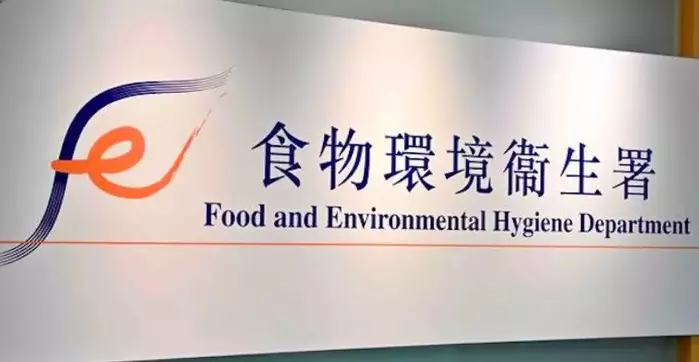
The Food and Environmental Hygiene Department, Photo source: reference image
In September, among the 62 survey areas, the area gravidtrap index (AGI) in one area exceeded the alert level of 20 per cent. The decreases in the MGI and the AGI are attributable to the continuous and intensified mosquito prevention and elimination operations by various government departments and stakeholders, and may also have been affected by factors such as weather. Overall, the MGI for Aedes albopictus mosquitoes in September was 5.2 per cent, at Level 2 (indicating the distribution of Aedes albopictus mosquitoes in the survey areas was fairly extensive). Relevant departments and stakeholders will persistently intensify mosquito prevention and elimination operations.
Moreover, the monthly density index for Aedes albopictus in September was 1.2, which represented that an average of 1.2 Aedes albopictus adults were found in the Aedes-positive gravidtraps, indicating that the number of adult Aedes albopictus was not abundant in the survey areas. The gravidtrap and density indexes for Aedes albopictus in different survey areas, as well as information on mosquito prevention and control measures, are available on the department's website at www.fehd.gov.hk.
A spokesman for the FEHD said, "The FEHD continues to monitor mosquito infestation and conduct risk assessments in all districts, promptly taking appropriate and targeted mosquito prevention and elimination measures. The FEHD, together with relevant departments and stakeholders, has implemented rapid response measures and targeted deployments, and has continued to intensify mosquito prevention and control work with relevant government departments in areas under their purview, including eliminating mosquito breeding places, applying larvicides, conducting fogging operations to eradicate adult mosquitoes, and placing mosquito trapping devices at suitable locations. The FEHD has also conducted site inspections with relevant departments, and provided them with professional advice and technical support to assist them in formulating and implementing effective anti-mosquito measures swiftly. At the same time, the FEHD has strengthened publicity and education.
The FEHD continues to conduct a three-phase Anti-mosquito Campaign this year. The third phase of the Anti-mosquito Campaign was launched on August 3 and will run until October 23. During the period, the district offices of the FEHD will target residences, schools, construction sites, public housing estates, hospitals, illegal cultivation sites, waterfront public and private cargo working areas, land boundary control points, typhoon shelters and cross-boundary ferry terminals to remove accumulated water and carry out mosquito prevention and control work. To further enhance the effectiveness of mosquito control, the FEHD and relevant government departments have launched the first and second phases of the All-out Anti-mosquito Operations on March 25 and April 30 respectively. The departments will continue with the work of phase one, including eliminating potential mosquito breeding places and arranging for necessary structural repairs to minimise mosquito breeding places, and will consistently carry out the work of phase two by conducting regular ultra-low volume fogging operations at places with mosquito infestation to control the mosquitoes. The FEHD calls on property management entities to continue actively participating in the All-out Anti-mosquito Operations.
The FEHD currently makes regular announcements on gravidtrap indexes for Aedes albopictus on its webpage. To allow more citizens to quickly grasp the mosquito infestation situation, the FEHD has strengthened information dissemination by promptly announcing the latest gravidtrap indexes through press releases and social media.
To reduce the risk of transmission of chikungunya fever (CF) and dengue fever (DF), the FEHD continues to step up mosquito prevention and control measures across all districts and conduct vector investigations and targeted mosquito control operations within a 250-metre radius of the residences of patients and the places that patients had visited during the infectious period. Actions include removing mosquito breeding grounds, applying larvicides to stagnant water that cannot be cleared, and carrying out ultra-low volume fogging operations in adult mosquito habitats such as densely wooded areas, dark and secluded places, and abandoned structures to eliminate adult mosquitoes.
The FEHD appeals to members of the public to continue to stay alert and work together to carry out mosquito prevention and control measures early, including inspecting their homes and surroundings to remove potential breeding grounds, changing water in vases and scrubbing their inner surfaces, removing water in saucers under plant pots at least once a week, and properly disposing of containers such as empty cans and disposable meal boxes. The FEHD also advises members of the public and estate management bodies to keep drains free of blockage and level all defective ground surfaces to prevent the accumulation of water. They should also scrub all drains and surface sewers with an alkaline detergent at least once a week to remove any mosquito eggs.
Aedes albopictus is a kind of mosquito that can transmit DF and CF. DF and CF are commonly found in countries in tropical and subtropical regions, and the risk of importation persists. Members of the public should check the situation at their destinations before travelling abroad, especially when travelling to Southeast Asian countries. If travellers feel unwell after returning to Hong Kong, they should seek medical advice immediately and provide their travel history to the doctor.
Source: AI-created image