Japan's atomic bomb survivors and Tokyo residents gathered in front of the Second Members' Office Building of the House of Representatives on Thursday to protest against Prime Minister Sanae Takaichi's attempt to revise the country's long-held Three Non-Nuclear Principles.
The Takaichi government has recently accelerated its military buildup, continuing to increase defense spending, easing restrictions on exports of lethal weapons, pushing ahead with the deployment of intermediate- and long-range missiles, expanding offensive military capabilities, and seeking to revise Japan's pacifist Constitution.
At the same time, Takaichi herself has repeatedly avoided clarifying whether Japan will continue to uphold the Three Non-Nuclear Principles. These developments have continued to fuel concern among Japanese peace groups and citizens.
"If Japan reviews the Three Non-Nuclear Principles, and allows nuclear weapons to be brought into its territory, doesn't that mean it could become a perpetrator of nuclear weapons use? I think Japan must not become either a perpetrator or a victim," said Mizuho Fukushima, a member of Japan's House of Councillors.
Other protesters expressed opposition to the government's move to review the Three Non-Nuclear Principles, saying Japan must confront its history of aggression and draw the lessons.
"The principles of not producing, not possessing or not allowing nuclear weapons on Japan's territory are the minimum requirements. Yet now there are attempts to break the principles. It's simply unacceptable," said a protester.
"I am completely opposed to revising Three Non-Nuclear Principles. As others have said, it represents a global trend. The Japanese government must earnestly abide by those principles," said another protester.
"I think the Japanese government should first reflect on that war of aggression and offer a sincere apology. It should also apologize to the Japanese people for dragging the country into the war. We must uphold Article 9 of the Constitution and remain resolute in our determination to build a nation that will never again wage war. We must never forget this," said another protester.
The Three Non-Nuclear Principles were first declared in the Diet, Japan's parliament, by then Japanese Prime Minister Eisaku Sato in 1967 and viewed as a national credo. The National Security Strategy, one of the three security documents approved by the Cabinet in 2022, states, "The basic policy of adhering to the Three Non-Nuclear Principles will remain unchanged in the future."
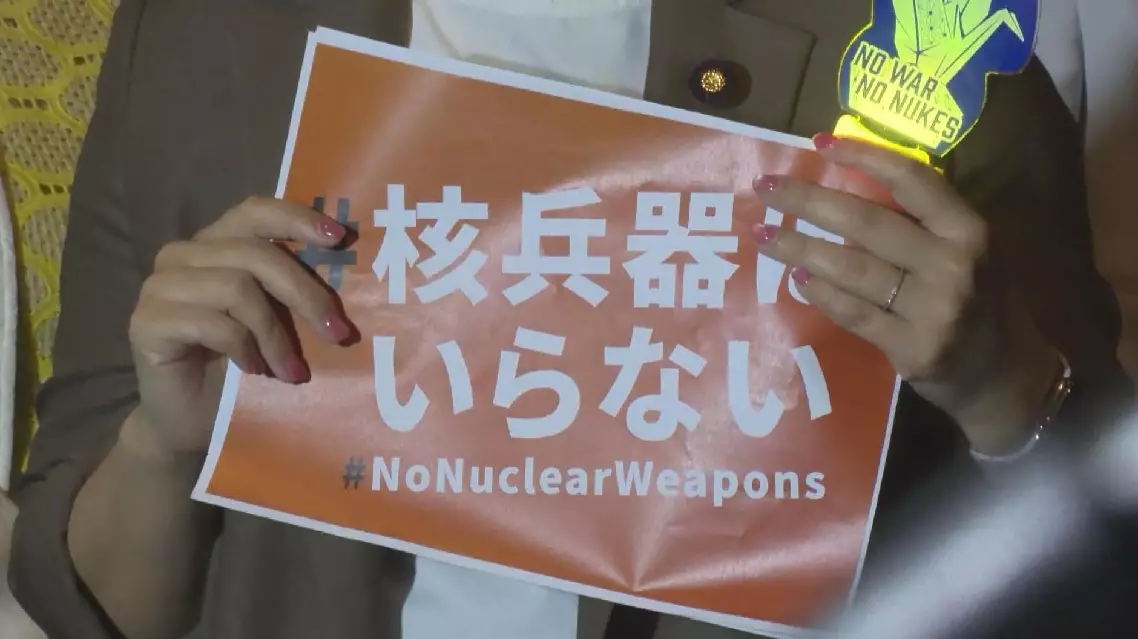
Atomic bomb survivors rally against Japan PM's push to revise non-nuclear principles
Iran and the United States are continuing indirect negotiations through mediators, Iran's Foreign Minister Seyed Abbas Araghchi said on Thursday, while U.S. President Donald Trump described the ongoing talks as productive, saying that Washington would not attack Iran before the November 3 midterm elections.
Speaking on the sidelines of a funeral ceremony in Tehran, Araghchi confirmed that indirect message exchanges with Washington are continuing, according to Tasnim news agency.
He said Tehran is currently reviewing U.S. feedback regarding Iran's proposed "seven-day plan", a framework conveyed through Qatar to reopen the Strait of Hormuz and restore normal maritime traffic, and will submit its formal response in the coming days. Iran conveyed its plan to the United States to cease hostilities and reopen the Strait of Hormuz on Sept 22 through mediators on the sidelines of the 81st session of the UN General Assembly in New York.
Under the plan, Tehran proposed ending the war and reopening the waterway within seven days, provided that the United States accepted its conditions. Iranian authorities have repeatedly said that ending the war on all fronts, including Lebanon, and reopening the Strait of Hormuz are the sole focus of the ongoing diplomatic process.
In a social post published on Thursday, Trump said that the United States would not attack Iran before the Nov 3 midterm elections, even as a U.S. blockade remained in place, while describing ongoing talks with Tehran as productive.
The United States will not be attacking Iran at any time prior to the Midterm Elections in November, Trump wrote on Truth Social.
Trump said that Washington was having productive discussions with the Islamic Republic of Iran which he claimed was in "very bad condition" economically and militarily.
The Pentagon instructed U.S. Central Command several days ago to complete preparations for resuming major combat operations in Iran, news website Axios reported one day earlier, citing U.S. officials. U.S. and Israeli sources said the strikes could take place before the U.S. midterm elections in early November, and possibly before the Israeli parliamentary elections in late October, the report said. On Feb 28, Israel and the United States launched joint attacks on Tehran and other Iranian cities. Iran responded with waves of missile and drone attacks targeting Israel and U.S. bases and assets in the region, and tightened its grip on the Strait of Hormuz.
A ceasefire was achieved between the warring parties on April 8. On June 18, Iran and the United States signed a memorandum of understanding (MoU) on ending the war on all fronts.
Under the MoU, the two countries were scheduled to hold negotiations within 60 days, ending on Aug 17, to reach a final agreement. However, the two sides failed to make sufficient progress as tensions continued to escalate.
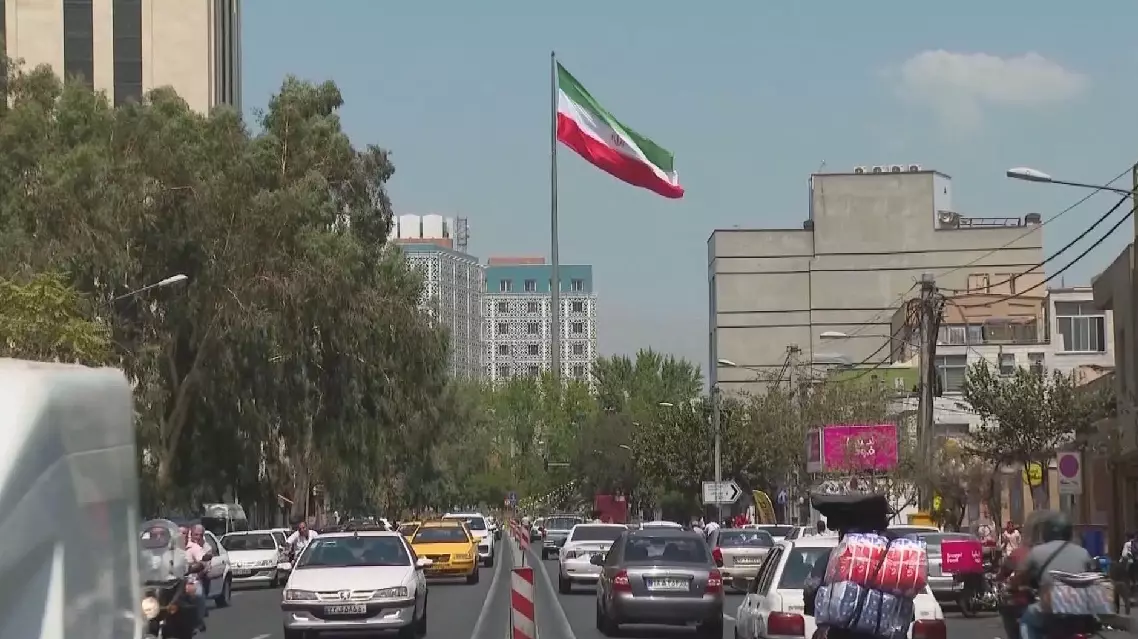
Iran, US talks continue as Trump rules out new attack before Midterms