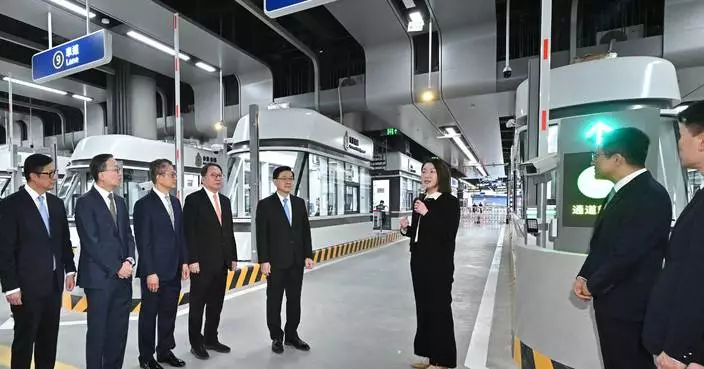
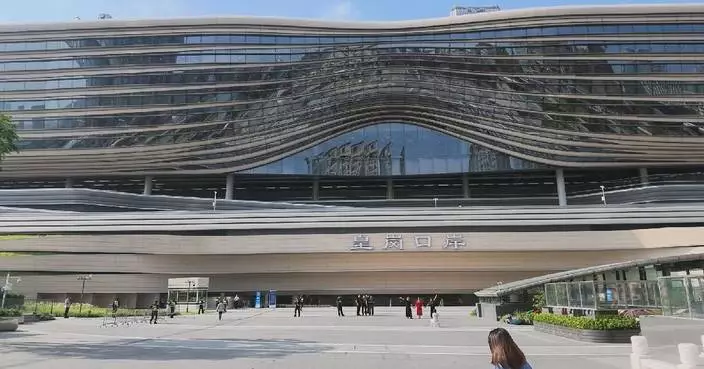
The redeveloped Huanggang Port will officially open on Monday (October 12), following an opening ceremony held at the Shenzhen side of the port on Sunday (October 11). Chief Executive Mr. John Lee attended and delivered remarks, highlighting three key implications of the port’s opening: implementing national planning, practising institutional innovation, and promoting cross-boundary flows.
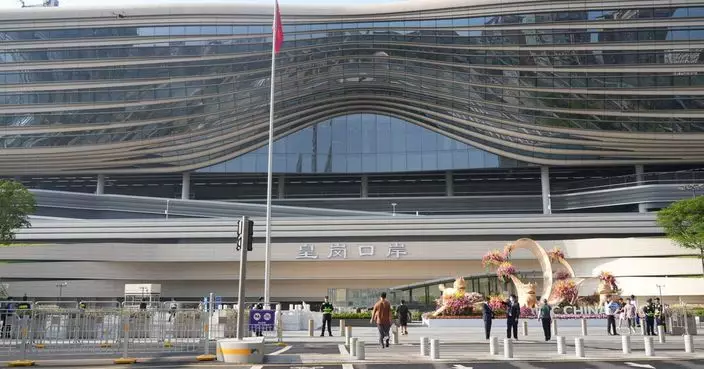
The new Huanggang Port. Photo by Bastille Post
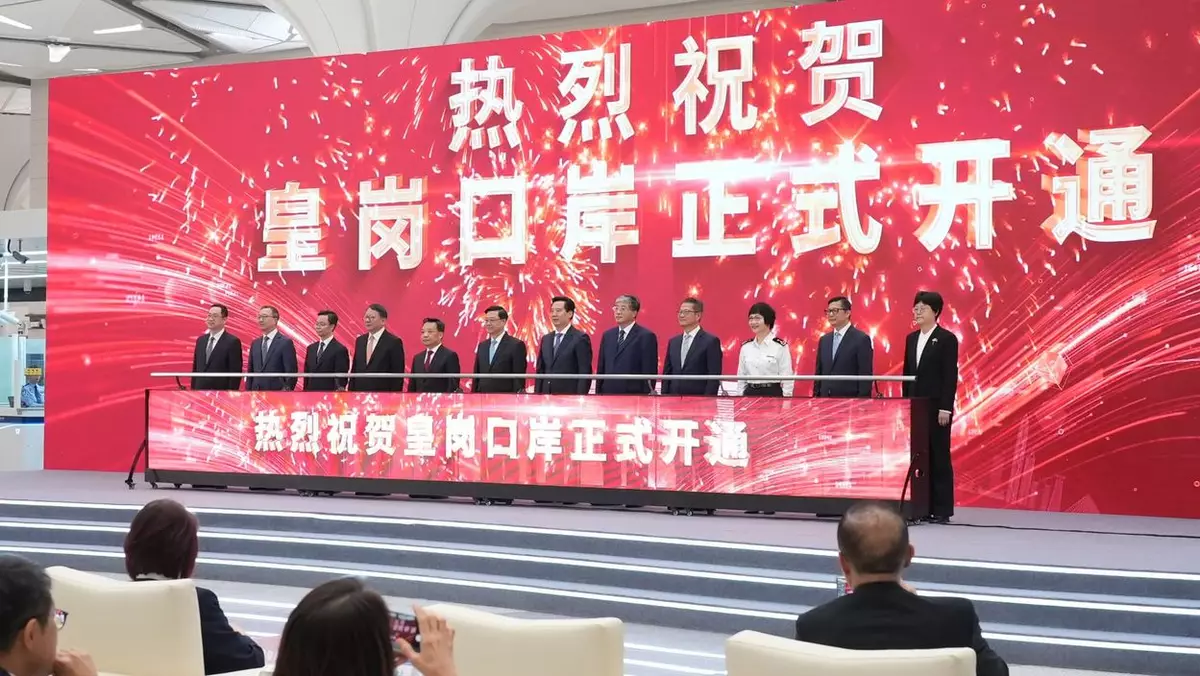
The opening ceremony of the new Huanggang Port. Photo by Bastille Post
Mr. John Lee noted that the HKSAR Government published the first Five-Year Plan last month, proactively aligning with the National 15th Five-Year Plan to better integrate into and serve the country’s overall development. The Plan sets out the need to facilitate cross-boundary personnel exchanges and enhance port clearance efficiency. The opening of the redeveloped Huanggang Port is a concrete action by Hong Kong to align with national development strategies and deeply participate in Greater Bay Area development.
Click to Gallery
The new Huanggang Port. Photo by Bastille Post
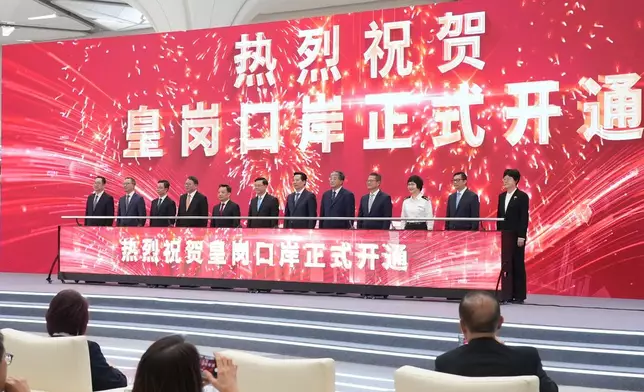
The opening ceremony of the new Huanggang Port. Photo by Bastille Post
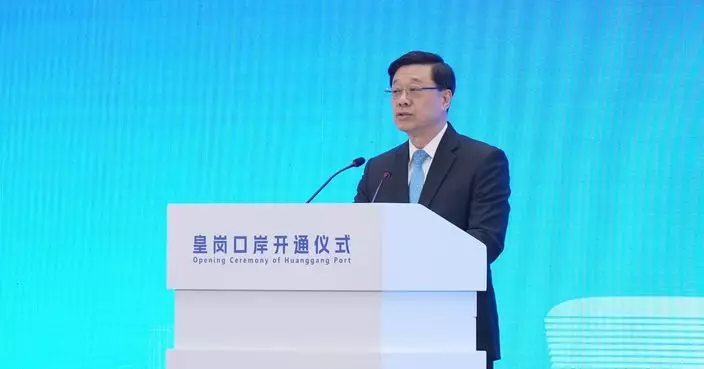
Chief Executive Mr. John Lee. Photo by Bastille Post
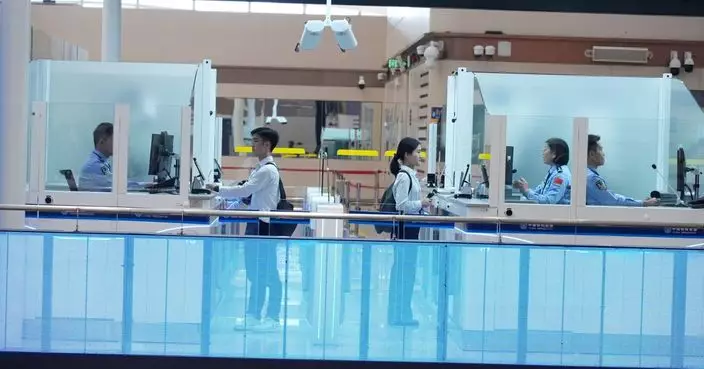
The new Huanggang Port implements the co-location arrangement and is the first land boundary control point between Hong Kong and Shenzhen to adopt the innovative “collaborative inspection and joint clearance” mode. Photo by Bastille Post
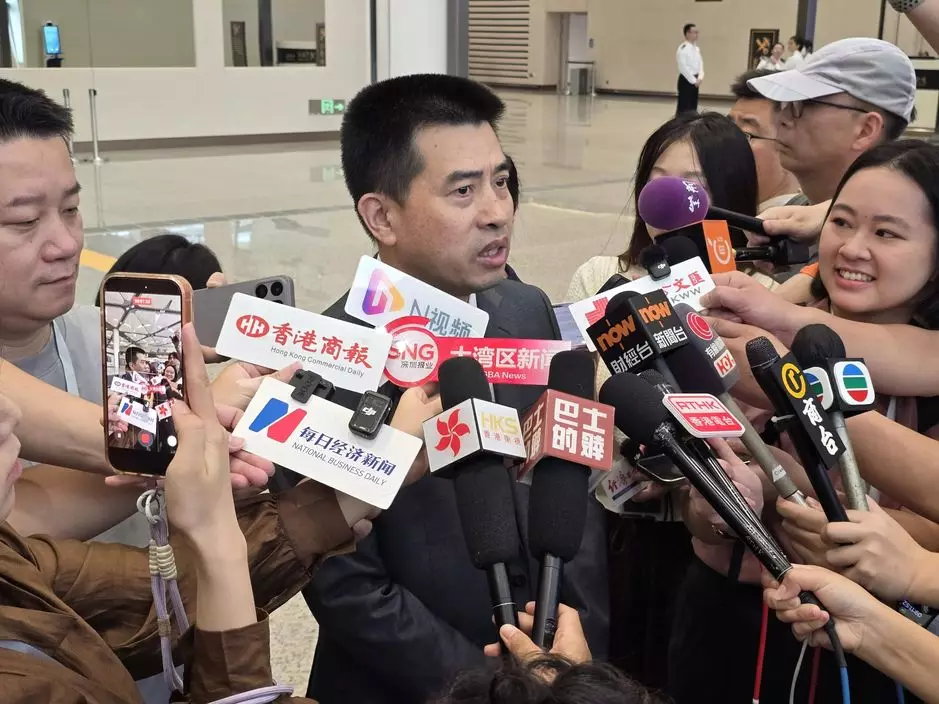
Mr. Xue Huaming, Director of Division I of the Port Office of the Shenzhen Municipal People's Government. Photo by Bastille Post
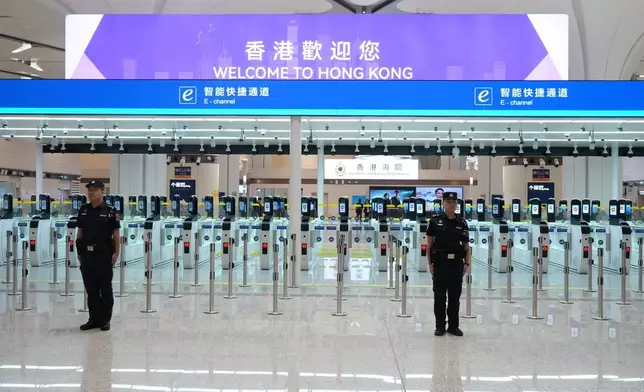
The new Huanggang Port. Photo by Bastille Post
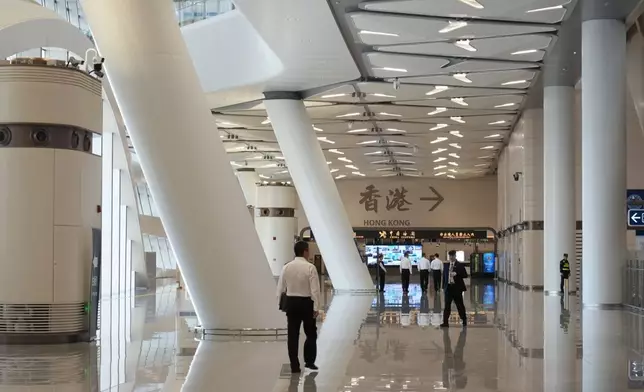
The new Huanggang Port. Photo by Bastille Post
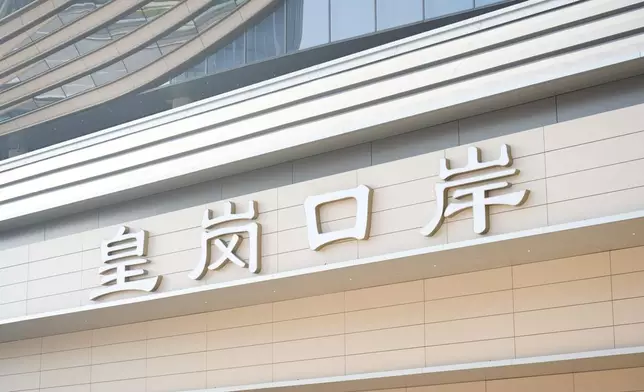
The new Huanggang Port. Photo by Bastille Post
Chief Executive Mr. John Lee. Photo by Bastille Post
He pointed out that the new Huanggang Port implements the co-location arrangement and is the first land boundary control point between Hong Kong and Shenzhen to adopt the innovative “collaborative inspection and joint clearance” mode. Passengers using automated channels need only queue once, present their documents once, and verify their identity once to complete immigration procedures for both sides. Vehicle clearance time has been reduced from around 10 minutes to less than two minutes, while overall passenger clearance time has been cut from around 30 minutes to approximately five minutes. The new mode will significantly enhance the clearance experience and efficiency.
The new Huanggang Port implements the co-location arrangement and is the first land boundary control point between Hong Kong and Shenzhen to adopt the innovative “collaborative inspection and joint clearance” mode. Photo by Bastille Post
Mr. John Lee emphasised that the new Huanggang Port is the most important 24-hour passenger land boundary control point between Hong Kong and Shenzhen, with a designed daily throughput of around 200,000 passenger trips. Upon the opening of the MTR Northern Link spur line, throughput is expected to rise to around 300,000 passenger trips per day. As transport links between Hong Kong and Shenzhen are further strengthened, the flow of people, goods, capital and information between the two places will become more efficient, further driving deep integration within the GBA.
Mr. Xue Huaming, Director of Division I of the Port Office of the Shenzhen Municipal People's Government. Photo by Bastille Post
Mr. Xue Huaming, Director of Division I of the Port Office of the Shenzhen Municipal People's Government, stated that to ensure a smooth opening, Hong Kong and Shenzhen have completed over 200 comprehensive drills across all aspects, and all preparatory work is fully in place, with efforts made to ensure safe, orderly and efficient clearance in the initial period.
He anticipated a large number of residents visiting the port in the initial period to experience clearance and take photos, and that both sides have deployed peak response plans, passenger diversion and control measures, and strengthened security and on-site services.
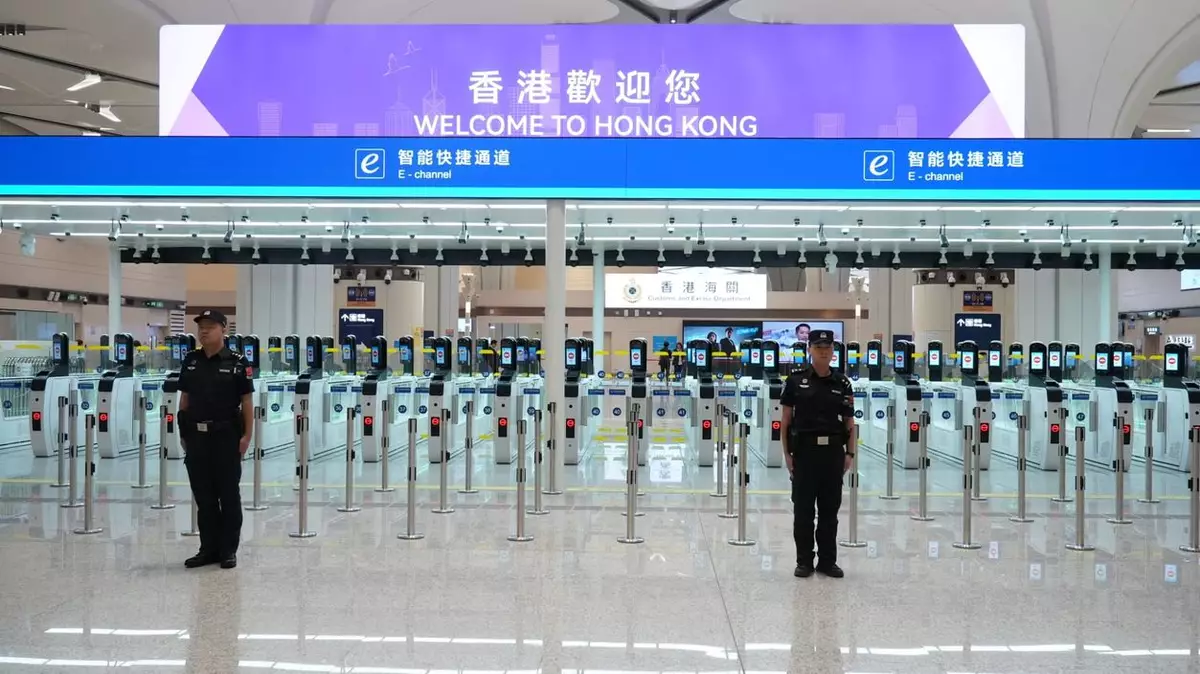
The new Huanggang Port. Photo by Bastille Post
On future traffic volumes, Mr. Xue noted that the old Huanggang Port handled around 50,000 passenger trips daily. After the new port opens, traffic is expected to gradually increase, reaching 100,000 to 200,000 daily trips in the initial phase and potentially exceeding 300,000 in the long term.
He stressed that Huanggang Port is the first Shenzhen-Hong Kong port to implement the new “collaborative inspection and joint clearance” mechanism, and expressed hope that further service optimisation will attract more travellers.
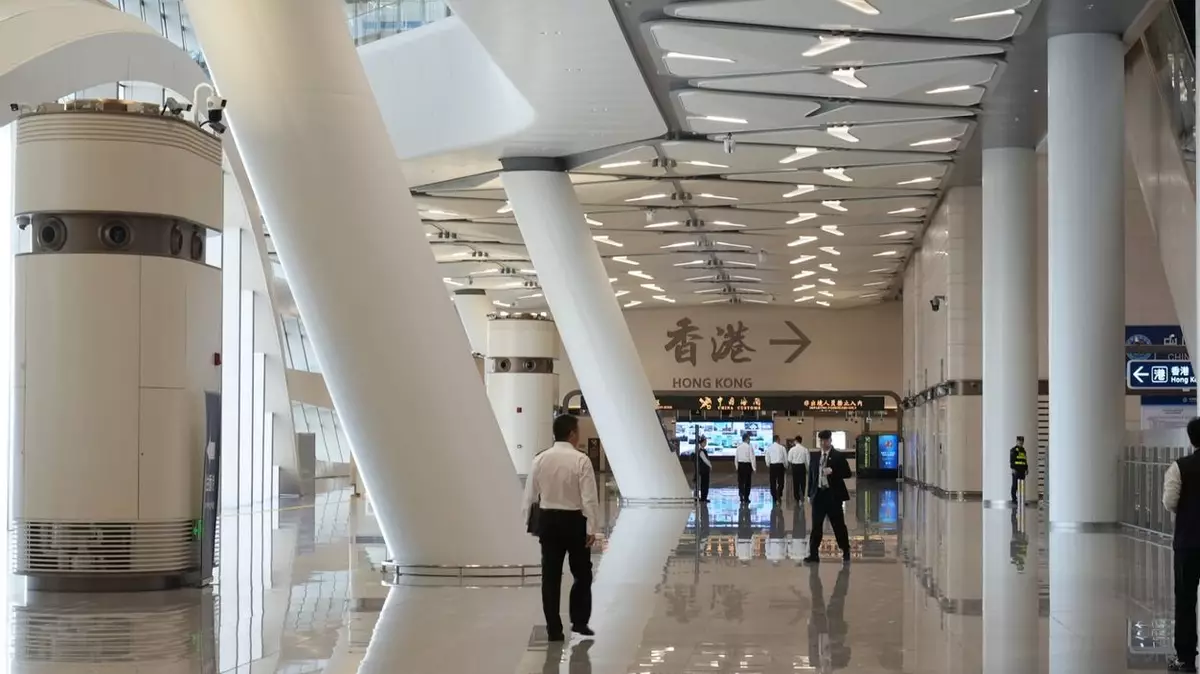
The new Huanggang Port. Photo by Bastille Post
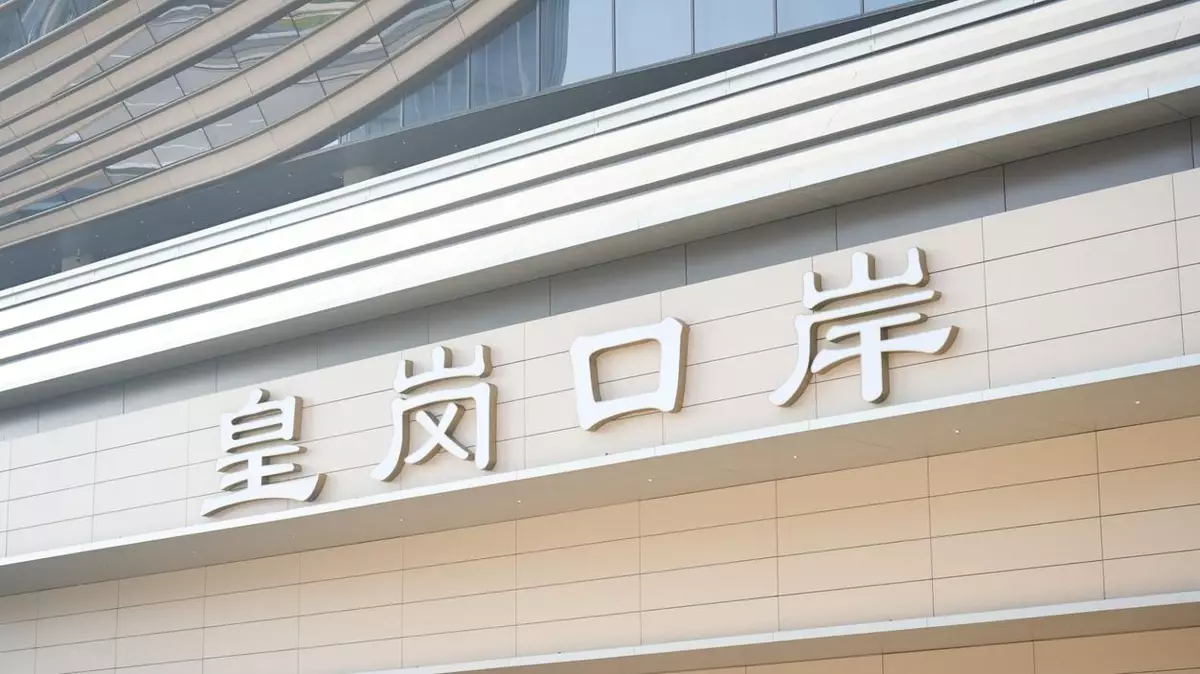
The new Huanggang Port. Photo by Bastille Post