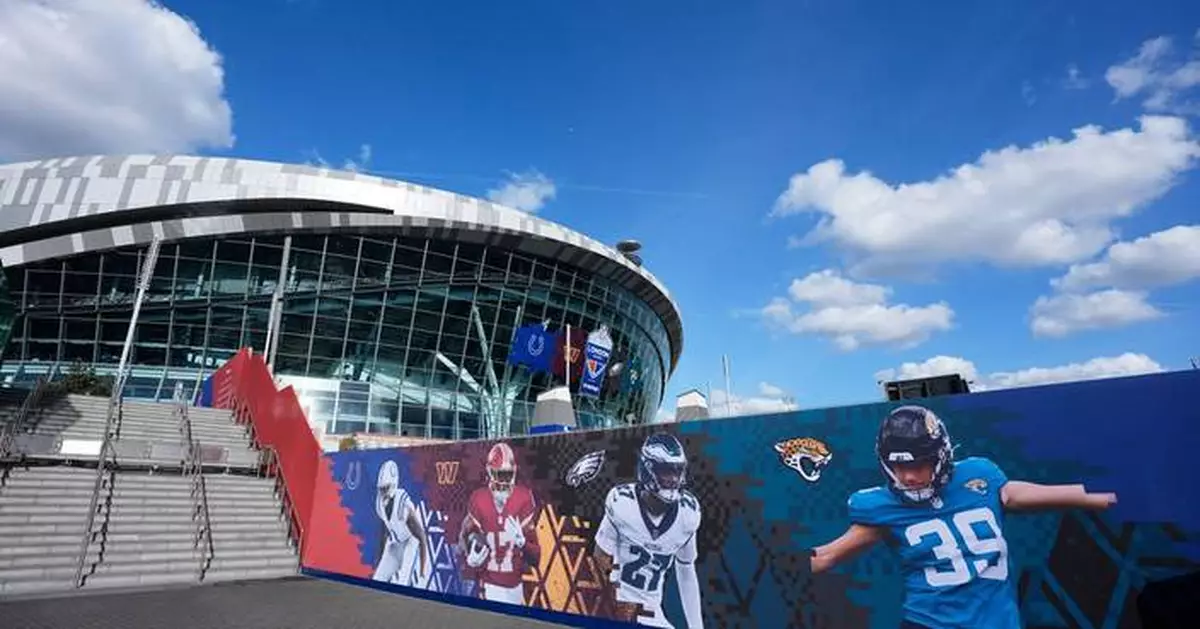
LONDON (AP) — Eagles edge rusher Jonathan Greenard won't play against the Jacksonville Jaguars on Sunday at Tottenham Hotspur Stadium because of an ankle injury.
Greenard, injured in the third quarter against the Los Angeles Rams last week, did not practice this week and had been listed as questionable.
Philadelphia had previously ruled out RB Saquon Barkley (hamstring), WR DeVonta Smith (hamstring), C Drew Kendall (knee), S Marcus Epps (groin) and WR Marquise Brown (ankle).
On Saturday, the Eagles elevated TE Zach Ertz and T John Ojukwu.
For the Jaguars, S Eric Murray (concussion) won't play. He had been limited in practice. DB Jaylon Jones (hamstring) had been ruled out Friday.
The Jags' other inactives were: WR CJ Williams, CB Alijah Huzzie, OL Daniel Faalele, DE Wesley Williams, and DT Albert Regis.
On Saturday, Jacksonville signed LB Jalen McLeod to the active roster from the practice squad, elevated CB Jabbar Muhammad and S Kaevon Merriweather to the active roster from the practice squad, and waived LB Jack Kiser.
See AP’s full NFL coverage here
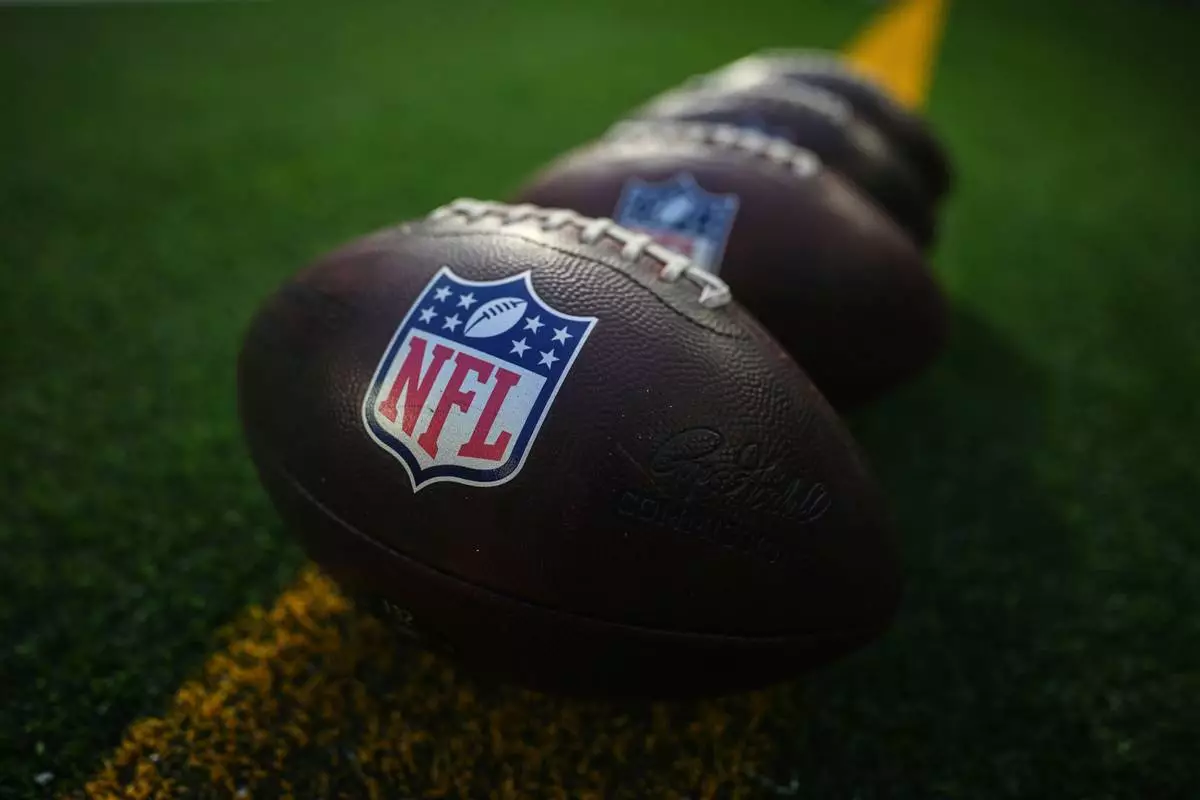
Footballs are placed on the field ahead of an NFL football game between Philadelphia Eagles and Jacksonville Jaguars in London, Sunday, Oct. 11, 2026. (AP Photo/Alastair Grant)
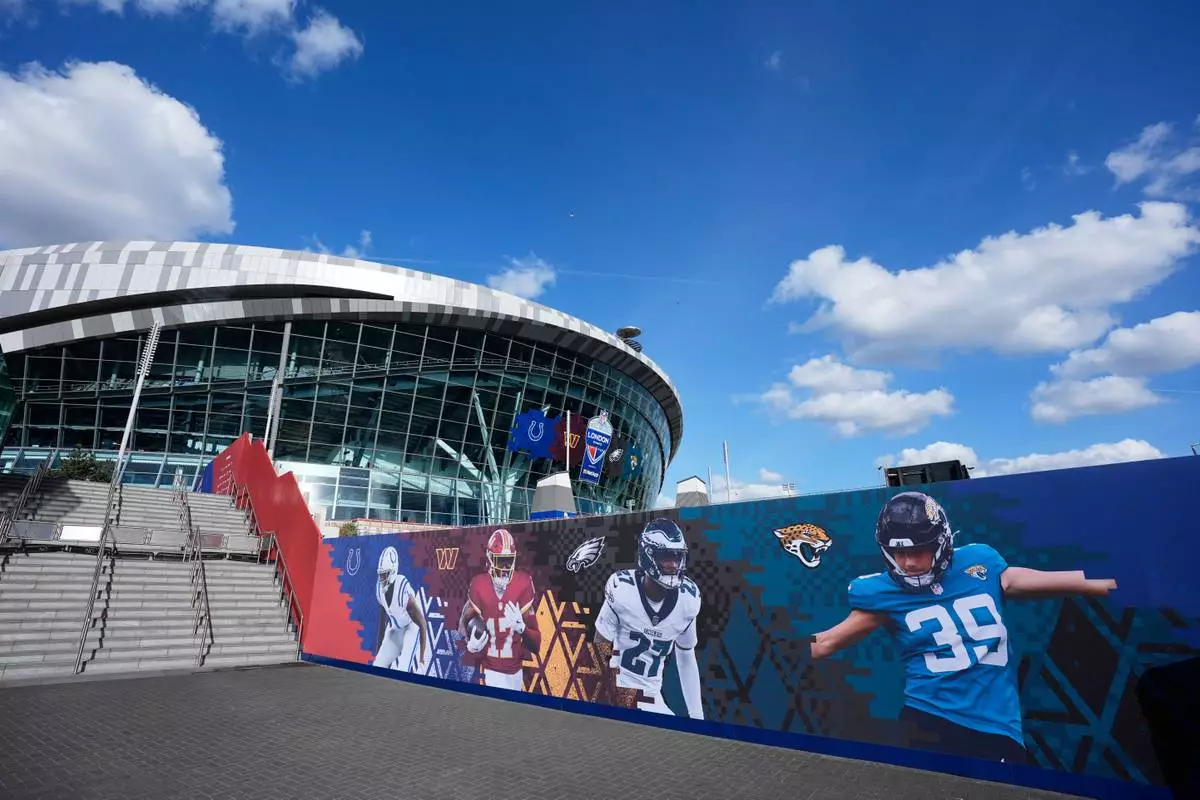
An exterior of Tottenham Hotspur stadium in London ahead of an NFL game between the Washington Commanders and the Indianapolis Colts, Friday, Oct. 2, 2026. (AP Photo/Steve Luciano)
HAVANA (AP) — Every Thursday and Sunday at noon, dozens of people gather outside an apartment building in Havana’s Vedado neighborhood. Laura Mendoza comes downstairs, checks their names against a list and hands out medicine they requested through WhatsApp.
Antihistamines, diuretics, eye drops and antibiotics are among the drugs she distributes. She charges nothing.
Projects like Mendoza’s, called “Medicine Is Not for Sale,” have become a lifeline for Cubans struggling to find increasingly scarce medications as the country’s economic crisis deepens, compounded by U.S. energy and financial restrictions imposed since January.
Online sellers, street vendors and WhatsApp and Telegram groups have also stepped in to fill gaps left by state pharmacies, which for decades were the main source of subsidized medicines.
The shortages have become so severe that Cuban authorities issued regulations in July allowing private pharmacies to operate — a historic change to the country’s state-run health system and part of broader economic reforms.
Until those pharmacies open, projects like Mendoza’s act as a safety net.
“We have five WhatsApp groups in Havana and recently added one in Guanabo,” on the outskirts of the capital, said Mendoza, who estimates that about 100 similar community projects operate in Havana.
Working with the Catholic charity Caritas, her initiative receives more than 13 kilograms (29 pounds) of medicine each week from humanitarian groups in Canada and the United States, travelers carrying donations and local residents.
“People don’t just rely on this main pharmacy. They help each other,” Mendoza said, standing beside shelves of medicine in her apartment.
Volunteers sometimes deliver medicine to patients who cannot collect it themselves. But drugs requiring refrigeration, including some diabetes medications, and cancer treatments are particularly difficult to obtain. Patients also seek gauze, syringes and anesthetics for use in poorly supplied hospitals.
“Six or seven years ago, it was relatively easy to find medicines at state pharmacies,” said Cristina Díaz, a 27-year-old physics teacher who came to Mendoza’s project seeking clonazepam for a relative.
As shortages worsened, “medicines became much harder to find,” she said.
Cuba’s Health Ministry lists 603 medicines in its basic drug program, but only slightly more than one-third are currently available. About 400 are produced by Cuban laboratories using imported raw materials.
Mayda Mauri Pérez, president of the state pharmaceutical company BioCubaFarma, said in June that about 300 of the 395 medicines the company was expected to supply had not been produced because of shortages of imported materials.
The situation is particularly acute in the central province of Ciego de Ávila, where authorities recently acknowledged that state pharmacies had only about 10% of the medicines on the basic list. Officials blamed supply and logistical problems, including fuel shortages.
“Cuba has a medical-pharmaceutical industry that we consider strong,” María Fernández Martínez, head of the province’s pharmacy company, told the official newspaper Granma. But without supplies, “not even the most capable factory can complete the cycle.”
The government also struggles to obtain packaging such as blister packs and bottles and says U.S. financial sanctions complicate payments for imports. Cuban authorities say shipments of medical supplies have also been stranded in third countries because shipping companies fear U.S. penalties for calling at Cuban ports.
Allowing private pharmacies is part of a package of 176 economic measures approved by Cuba’s Parliament in June to expand private enterprise and help address the country’s economic crisis.
The government hopes entrepreneurs can import medicines, as private businesses already do with food and fuel. Authorities say they are reviewing about 36 proposals to open private pharmacies, while state pharmacies will continue to operate.
Private pharmacies will be regulated by the government and barred from selling hospital-only drugs and certain controlled substances. Imports will have to go through state companies, while medicines will require regulatory approval and proper storage.
The Cuban government did not respond to a request for comment.
For many Cubans, however, another question remains unanswered: Will they be able to afford the medicine?
Sara Márquez, 69, takes medication to control her blood pressure. She said a blister pack once cost 0.30 Cuban pesos at state-run pharmacies. In recent months, informal sellers have charged as much as 1,000 pesos ($1.50) for the same amount — more than 30% of her monthly pension.
“At what price will they sell the medicine? ... It will depend on people’s purchasing power. I can’t afford it.”
Follow AP’s coverage of Latin America and the Caribbean at https://apnews.com/hub/latin-america
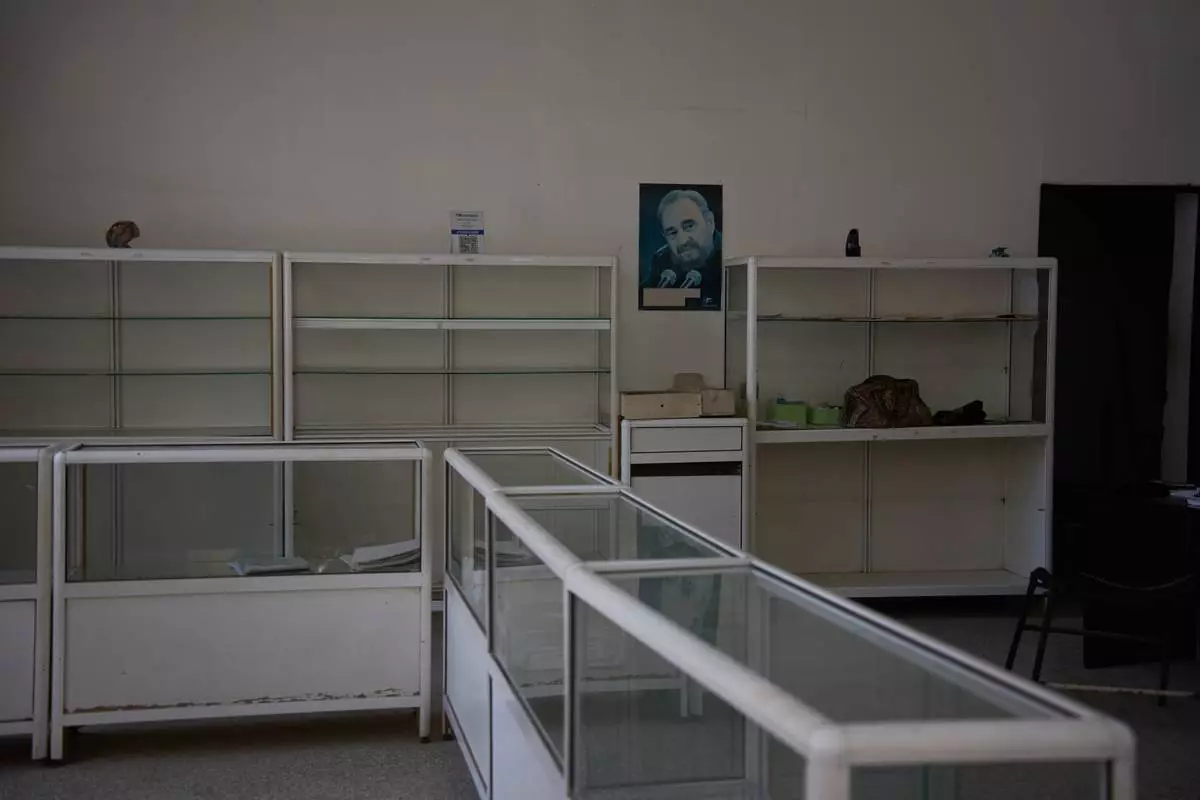
A poster of Fidel Castro hangs on the wall, flanked by empty shelves, at a state-run pharmacy in Havana, Cuba, Thursday, Oct. 8, 2026. (AP Photo/Ramon Espinosa)
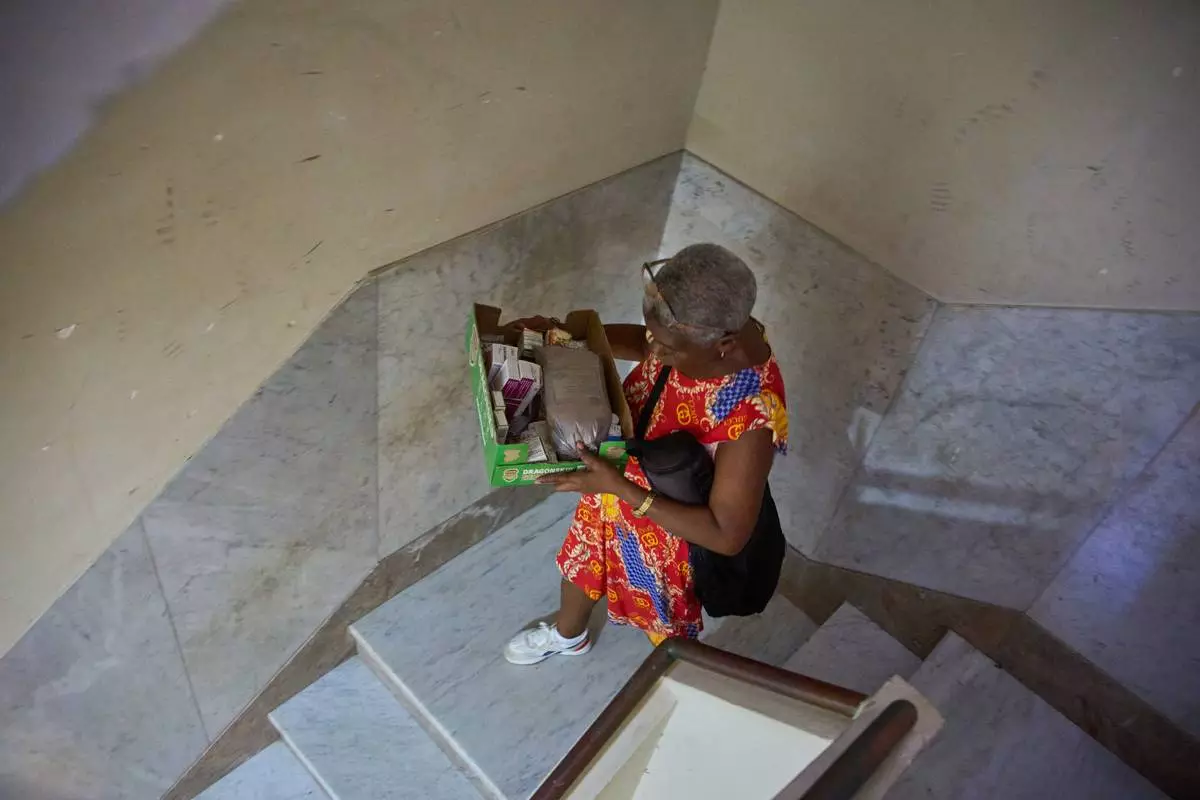
Silvia Perez, a volunteer with the "Medicine Is Not for Sale" community project, carries medicine for free distribution in Havana, Cuba, Thursday, Oct. 1, 2026. (AP Photo/Ramon Espinosa)
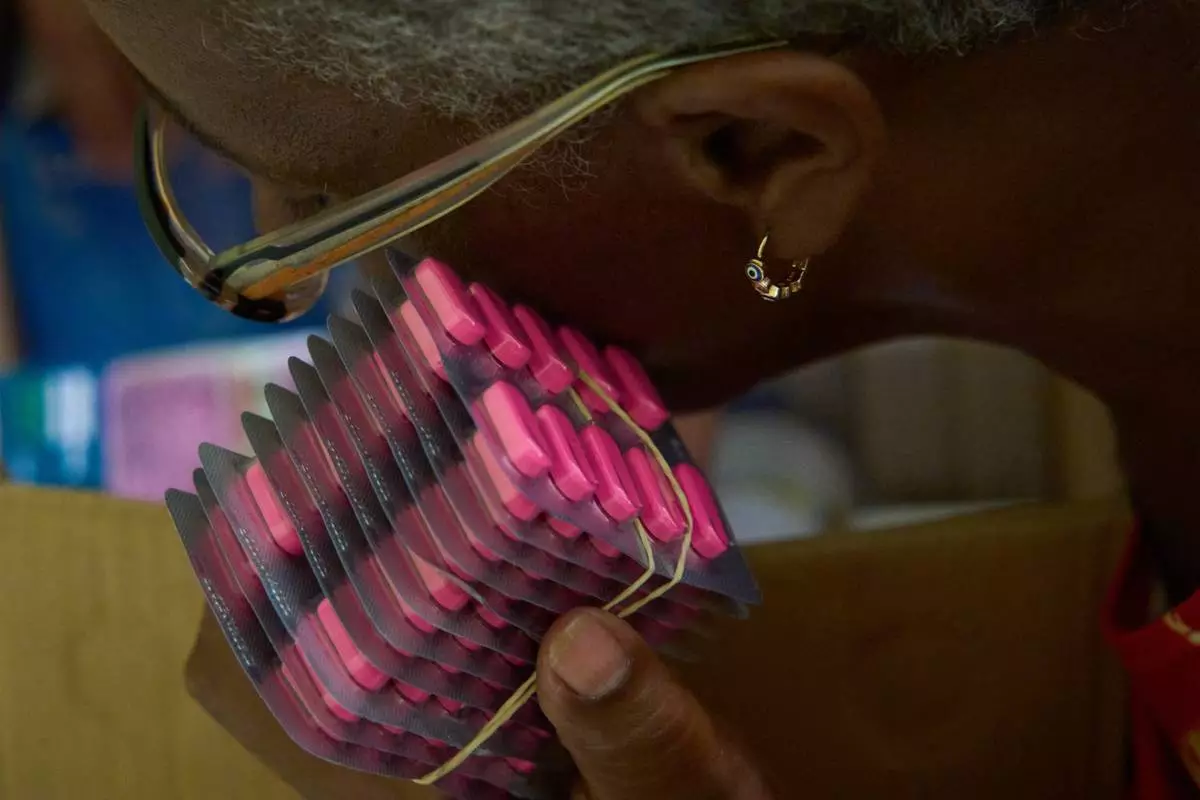
Silvia Perez, a volunteer with the "Medicine Is Not for Sale" community project, prepares medicine for free distribution in Havana, Cuba, Thursday, Oct. 1, 2026. (AP Photo/Ramon Espinosa)
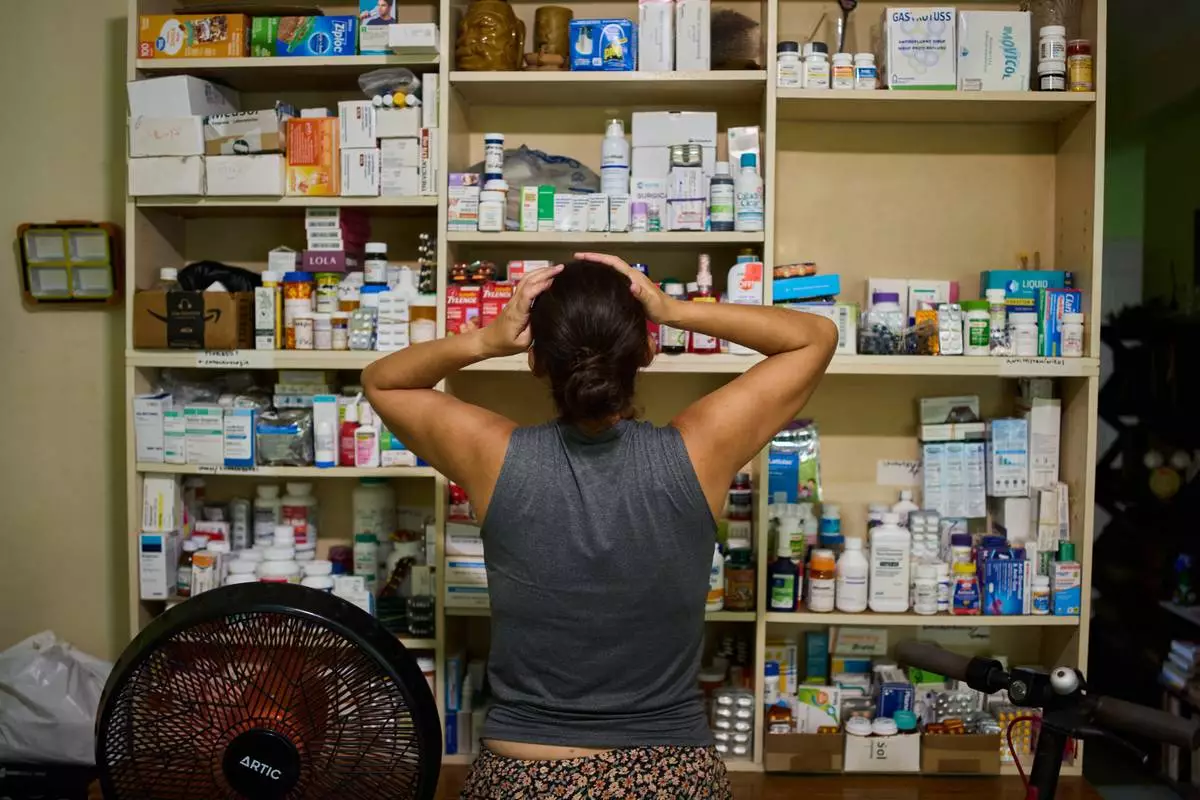
Laura Mendoza, who runs the “Medicine Is Not for Sale” community project, stands in front of a shelf stocked with medicine donated by humanitarian groups for free distribution in Havana, Cuba, Thursday, Oct. 8, 2026. (AP Photo/Ramon Espinosa)
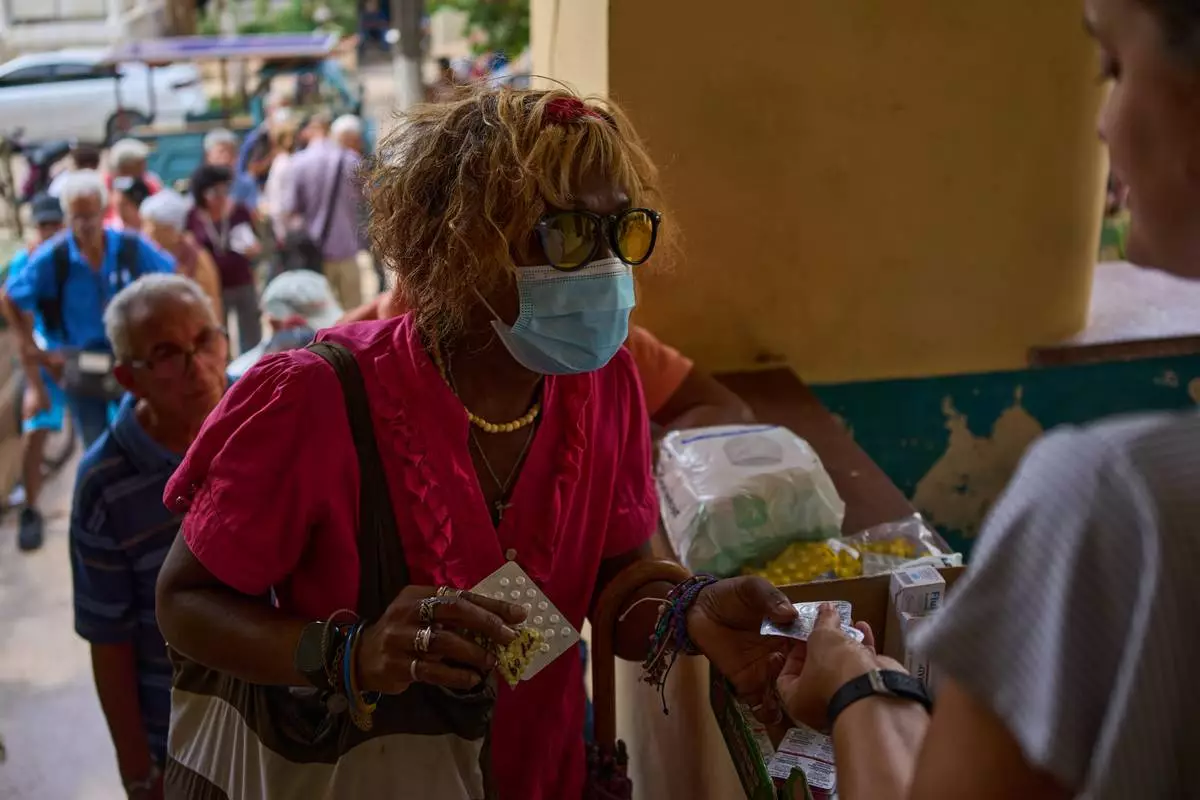
A woman receives medicine distributed through the “Medicine Is Not for Sale” community project in Havana, Cuba, Thursday, Oct. 8, 2026. (AP Photo/Ramon Espinosa)