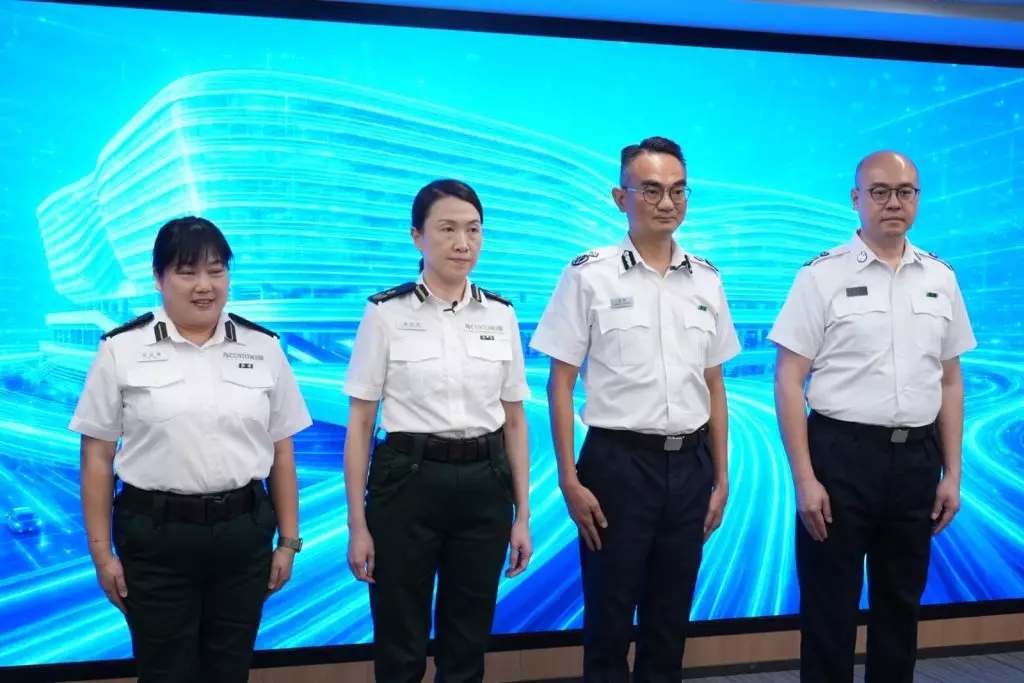
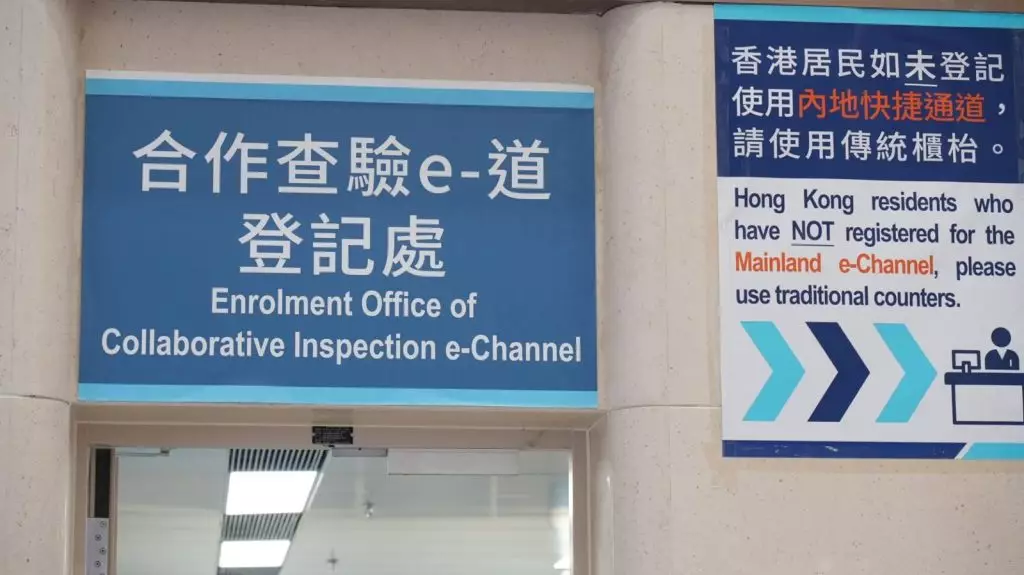
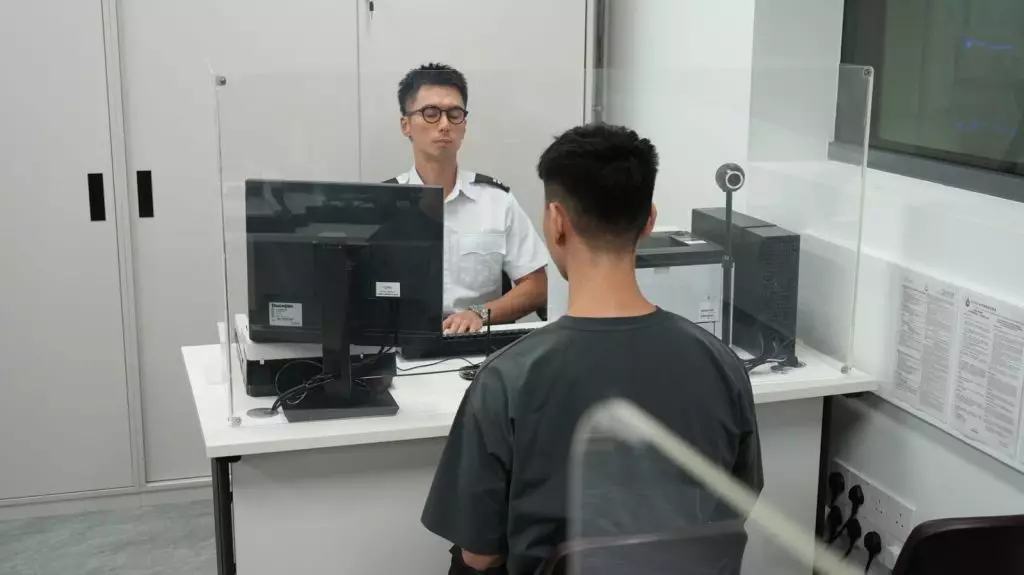
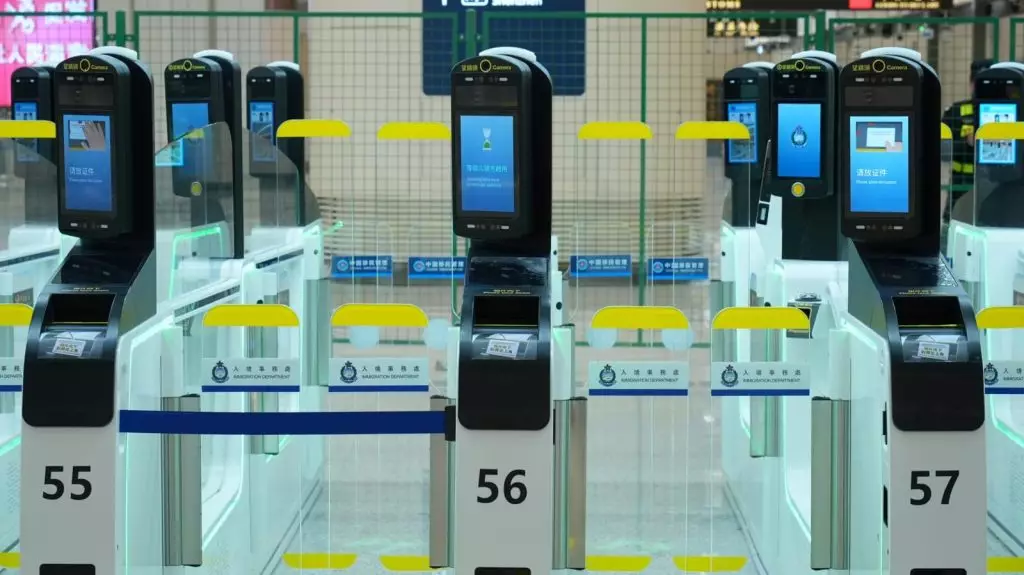
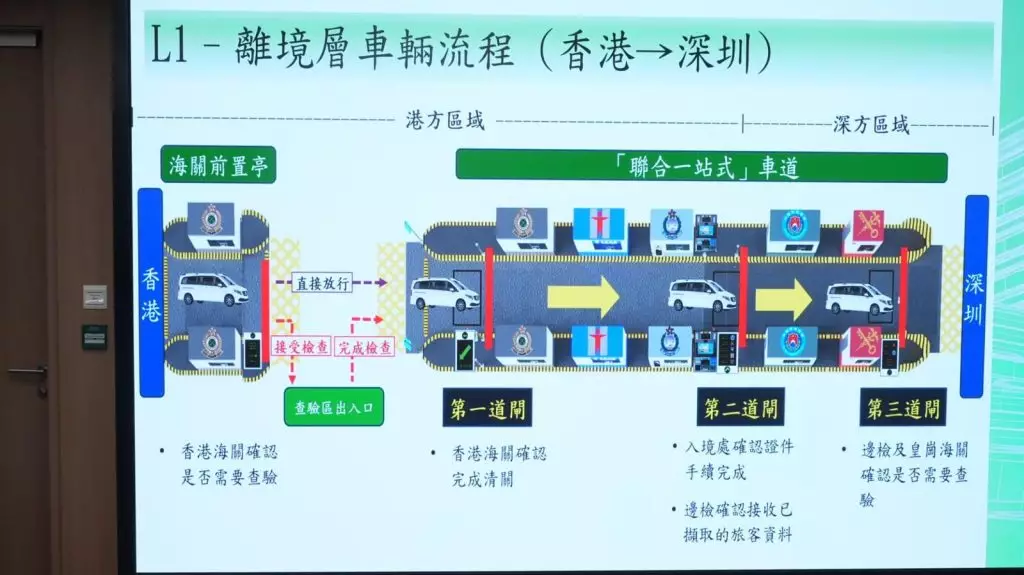
On its first day of operation, the new Huanggang Port saw Secretary for Security Chris Tang Ping-keung and Secretary for Transport and Logistics Mable Chan visit the port in the morning to inspect operations.

Secretary for Security Chris Tang Ping-keung. Photo by Bastille Post
Tang stated that within the first two hours of the new port’s operation—from 6:30 a.m. to 8:30 a.m.—a total of 5,170 passenger trips were recorded, representing an increase of more than 60% compared with the same period on a typical day. In terms of vehicular traffic, 953 cross-boundary vehicles passed through, up by about 30% from usual.
Click to Gallery
Secretary for Security Chris Tang Ping-keung. Photo by Bastille Post
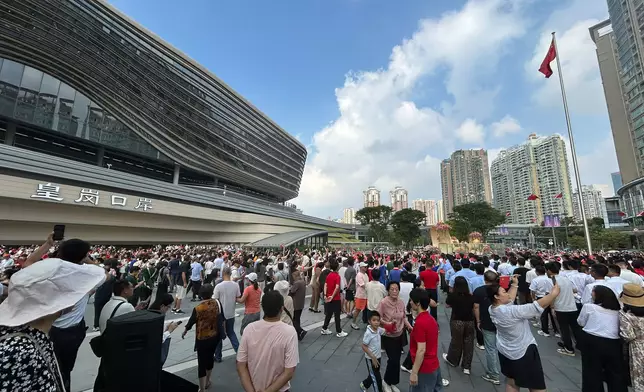
The new Huanggang Port. Photo by Bastille Post
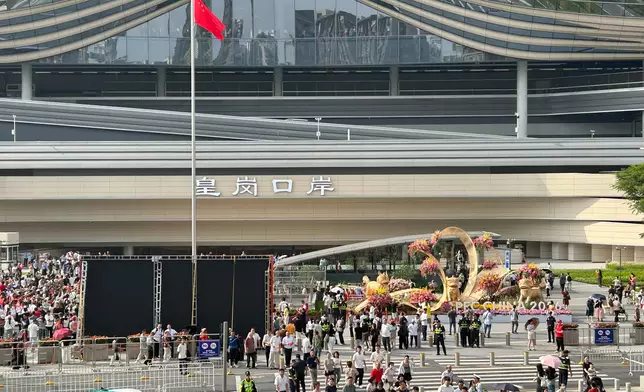
The new Huanggang Port. Photo by Bastille Post

Secretary for Transport and Logistics Mable Chan. Photo by Bastille Post
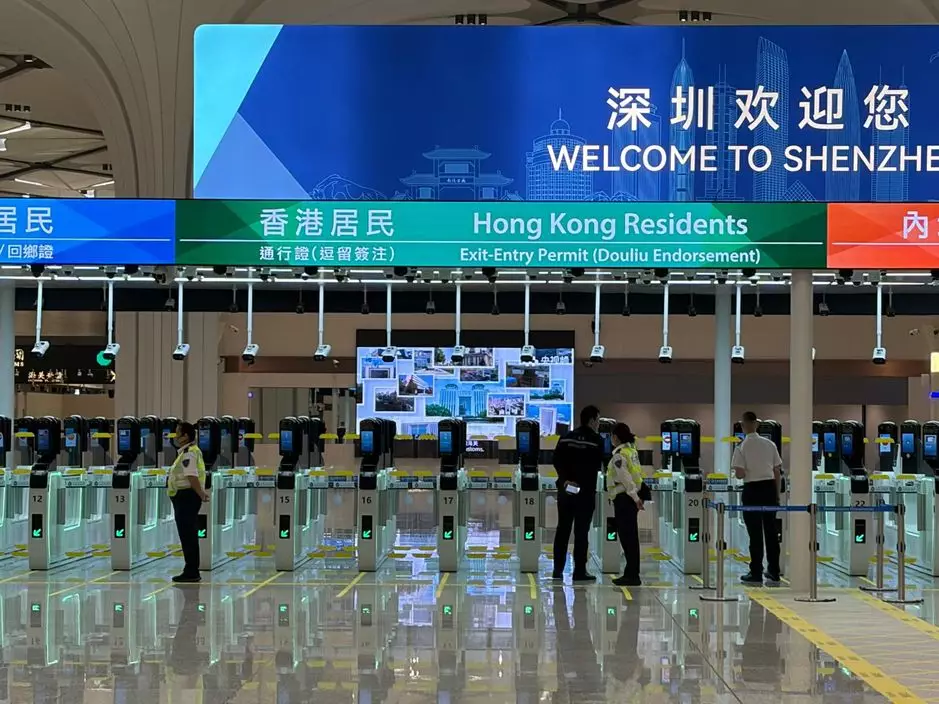
The new Huanggang Port. Photo by Bastille Post
The new Huanggang Port. Photo by Bastille Post
The new Huanggang Port. Photo by Bastille Post
The new Huanggang Port. Photo by Bastille Post
The new Huanggang Port. Photo by Bastille Post
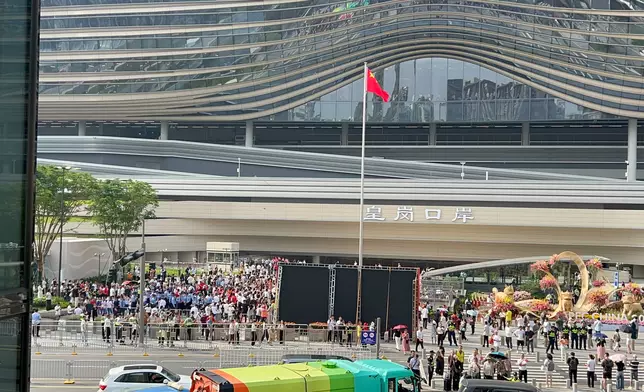
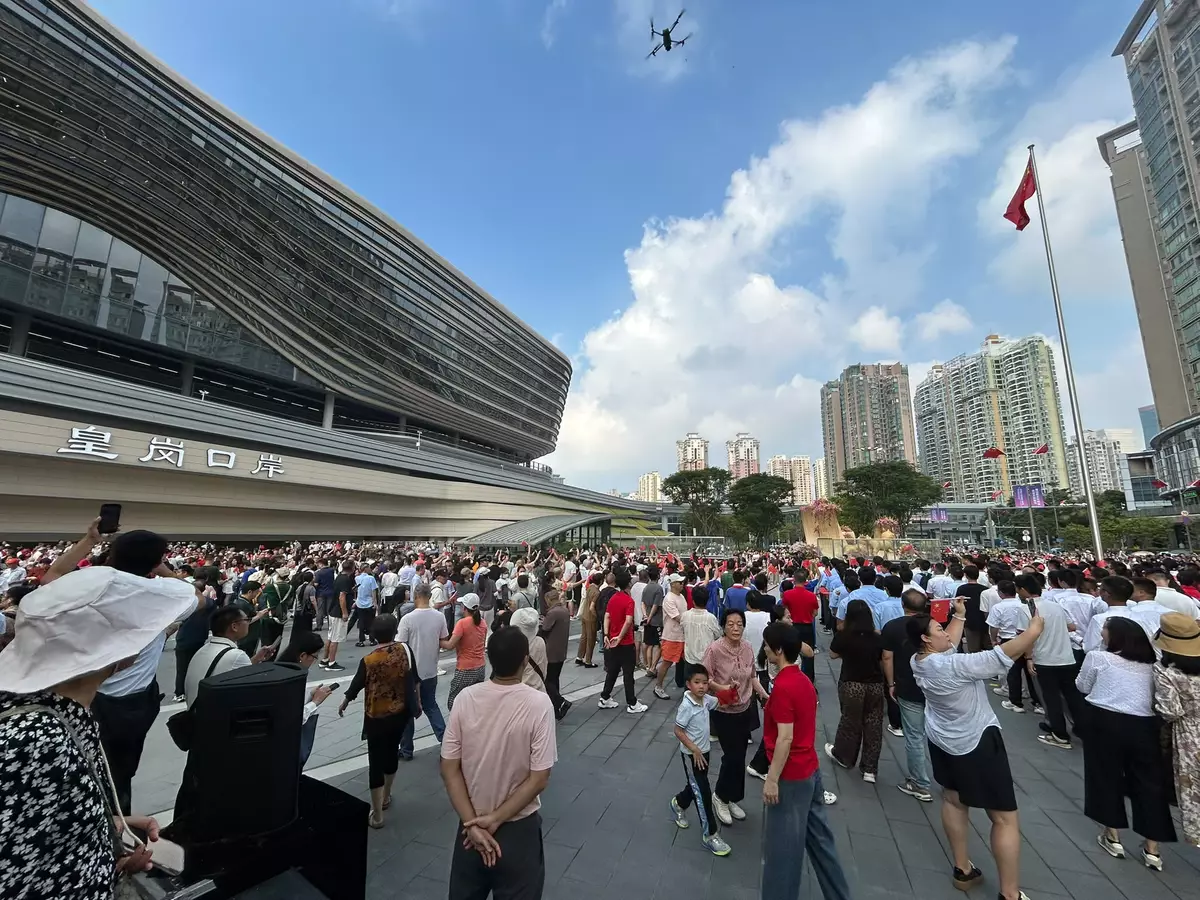
Tang noted that the new Huanggang Port officially commenced 24-hour services for passengers and vehicles at 6:30 a.m. on Monday. At the same time, the original Lok Ma Chau Control Point and Huanggang Port completed their historical mission and ceased operations at 6:30 a.m., marking a new stage in cross-boundary clearance modes at relevant land boundary ports between Shenzhen and Hong Kong.
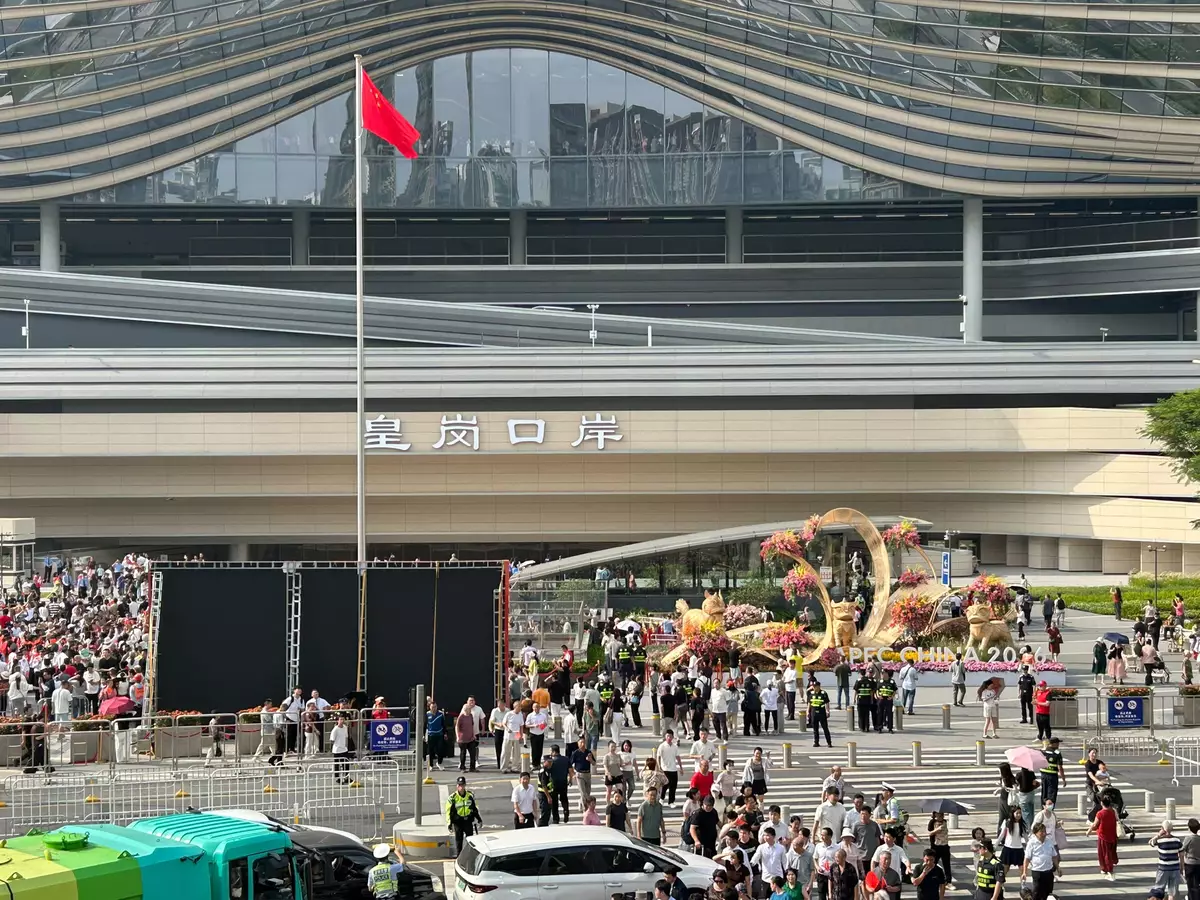
The new Huanggang Port. Photo by Bastille Post
Meanwhile, the cross-boundary shuttle bus service commonly known as the “Huang Bus” also officially ended. The last Huang Bus departed at 6:15 a.m. bound for San Tin Interchange, while the final bus arriving at Lok Ma Chau port at 7:02 a.m., drawing a close to the long-running service.
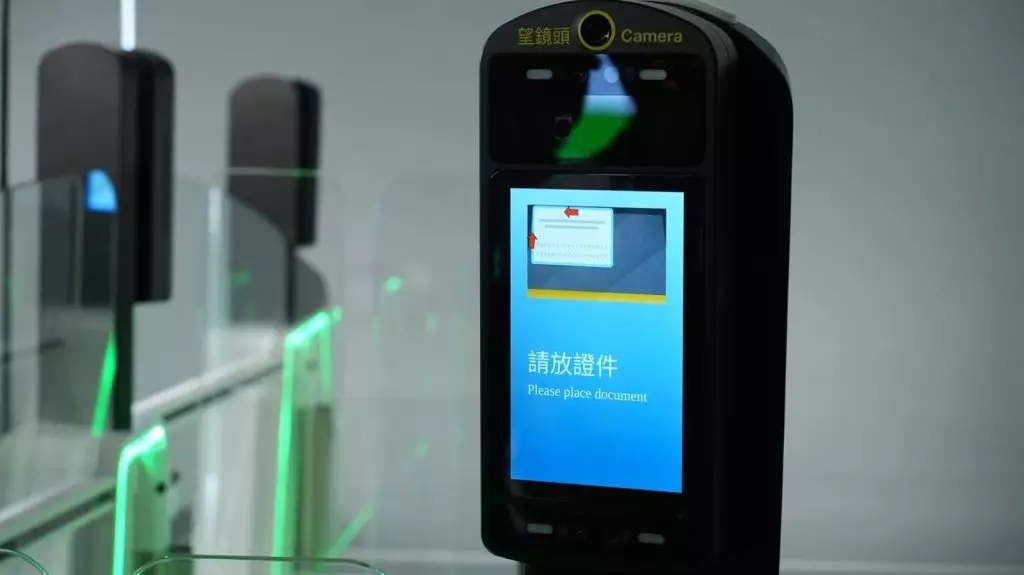
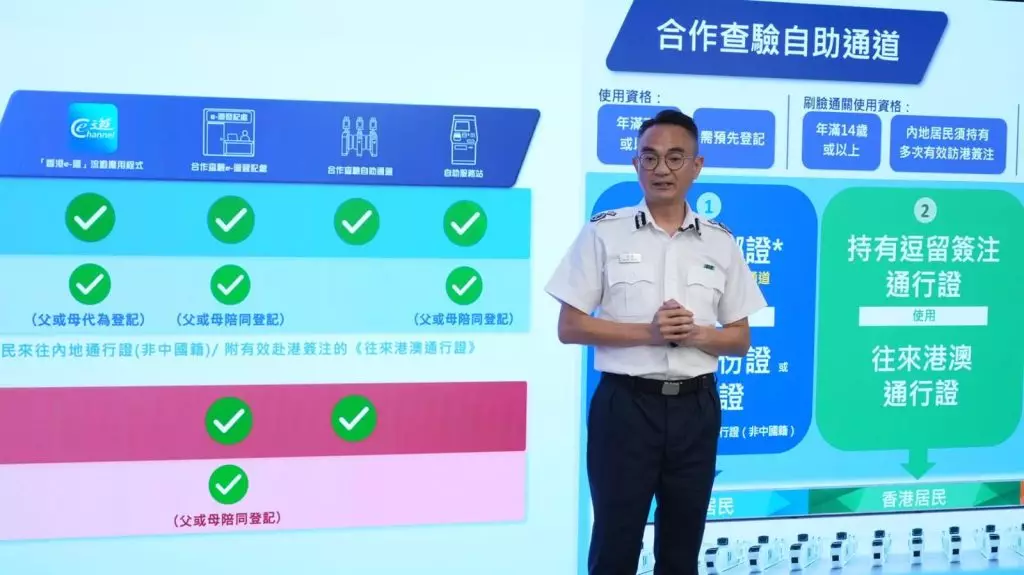
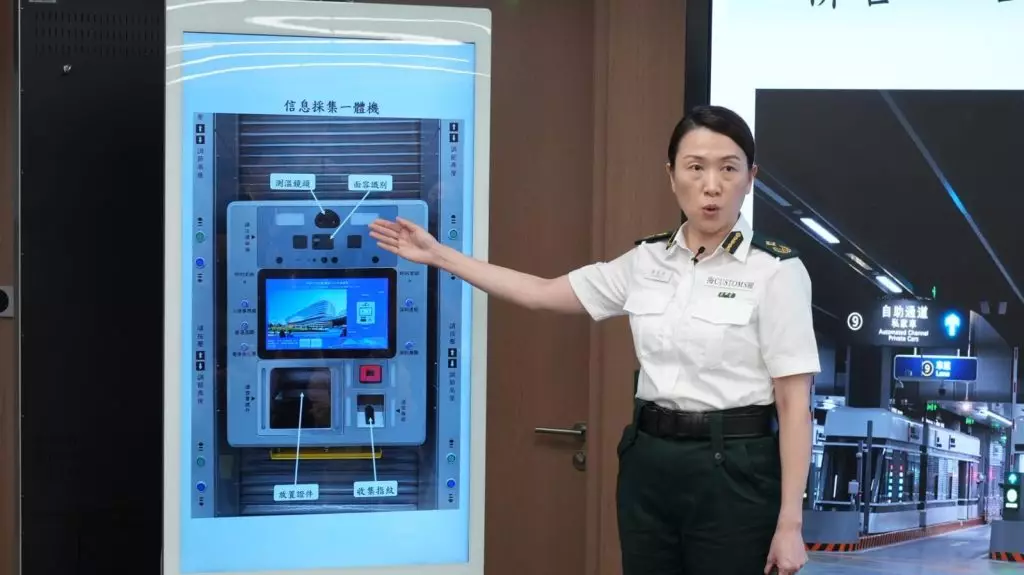
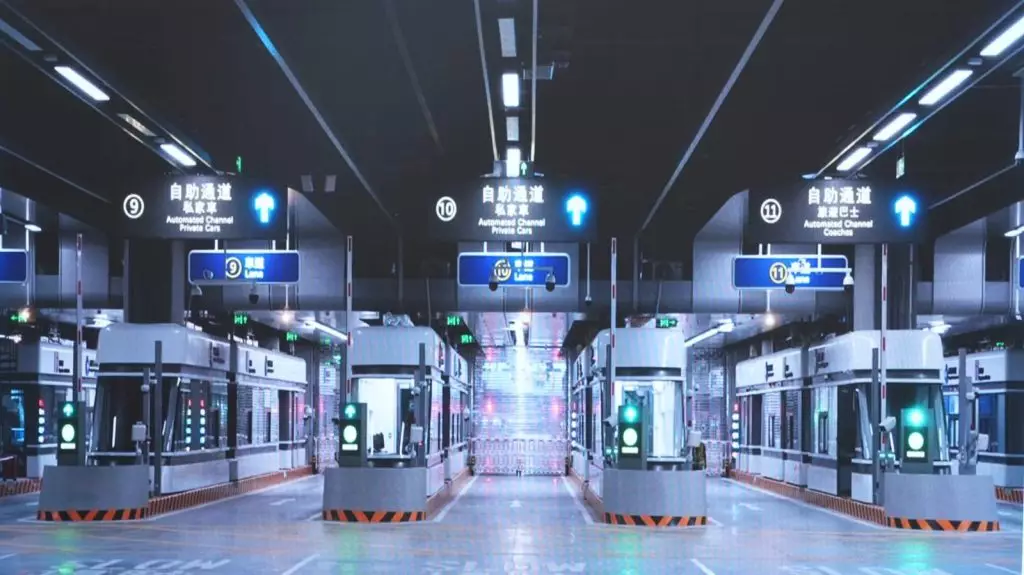
Regarding clearance arrangements, the port adopts a “joint inspection, one-time clearance” model and is equipped with 5-in-1 joint inspection lanes. The relevant systems operated normally, efficiently, and stably, with no abnormalities reported. For passengers, no queuing was required on-site, and automatic channels could be used directly. For vehicles, waiting time was less than five minutes, while the single clearance procedure time was significantly reduced from about ten minutes previously to just two minutes.
In terms of on-site support, the port was staffed with sufficient personnel and service ambassadors to provide immediate assistance and guidance to travelers. The new port building’s arrival and departure halls are spacious and bright, equipped with seating, stable WiFi, and vending machines offering drinks and snacks, facilitating passengers during short waits before or after clearance.
Tang said travelers generally found the new system easy to operate with clear signage, and overall clearance time was substantially shorter than before. Passengers traveling with vehicles and drivers also reported that the “joint one-stop” clearance arrangement allowed completion of both Hong Kong and Shenzhen customs and immigration procedures in one go, resulting in a positive overall experience. Citizens also felt satisfaction with the new port building’s environment and supporting facilities, describing the arrangements as thoughtful.
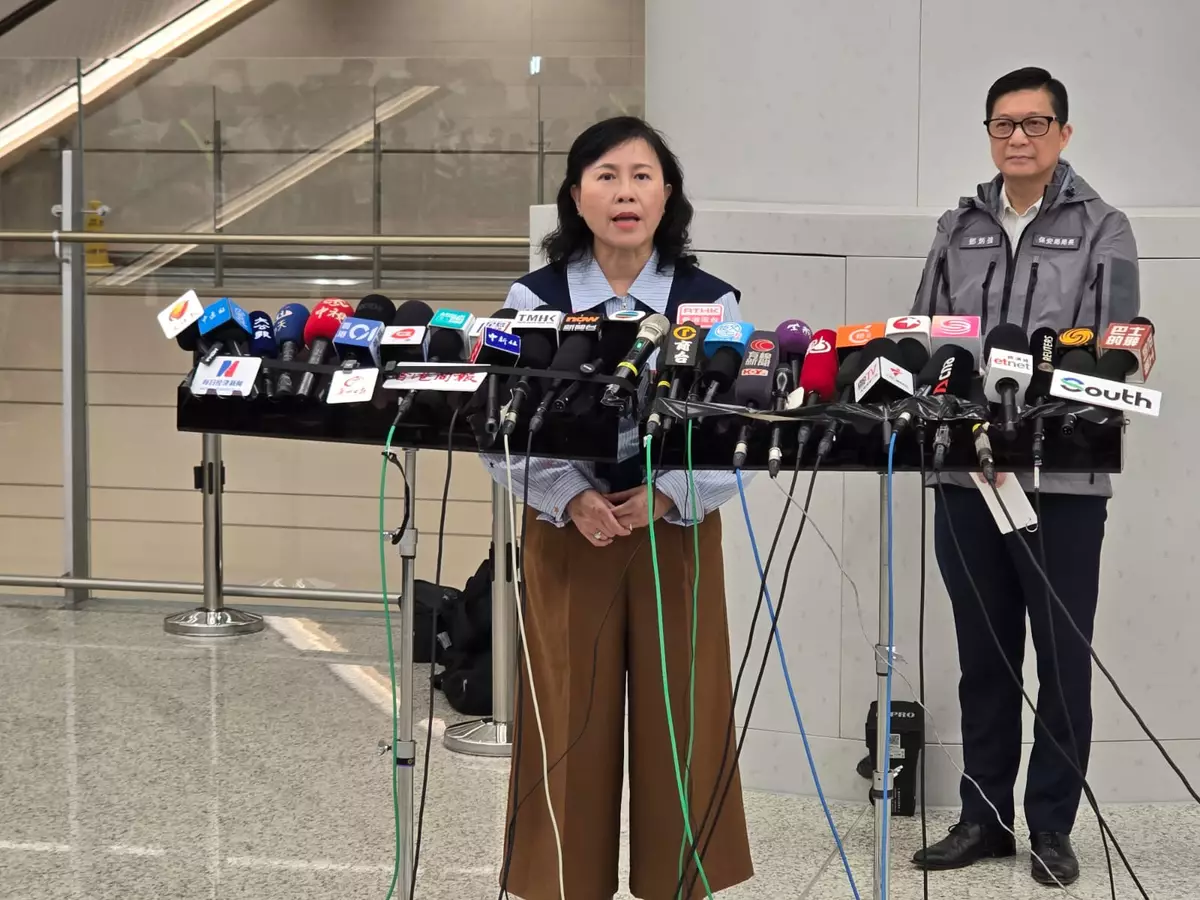
Secretary for Transport and Logistics Mable Chan. Photo by Bastille Post
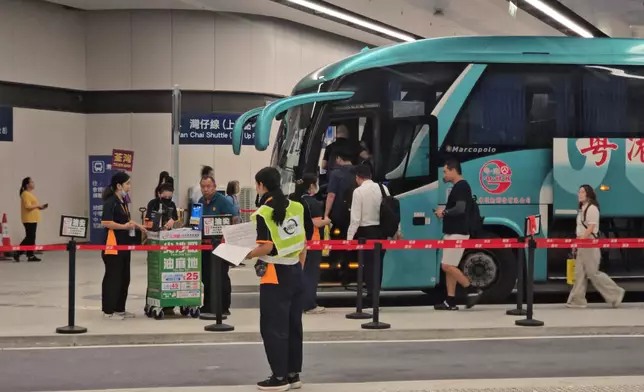
Secretary for Transport and Logistics Mable Chan pointed out that public transport services around the new Huanggang Port are provided by cross-boundary buses, minivans, and short-haul cross-boundary coaches. Various public transport modes began arriving at the port from 6:30 a.m., with service ambassadors and operators on hand to assist passengers with route identification, transfers, and crowd control.
The new Huanggang Port. Photo by Bastille Post
The public transport network covers most areas of Hong Kong Island, Kowloon, and the New Territories, connecting to nine heavy rail stations, five MTR lines, and four bus interchanges. Among these, the Tai Lam bus interchange provides access to more than 50 franchised bus routes, offering passengers multi-tiered connection options from the port to urban areas, the New Territories, and other major transport nodes.
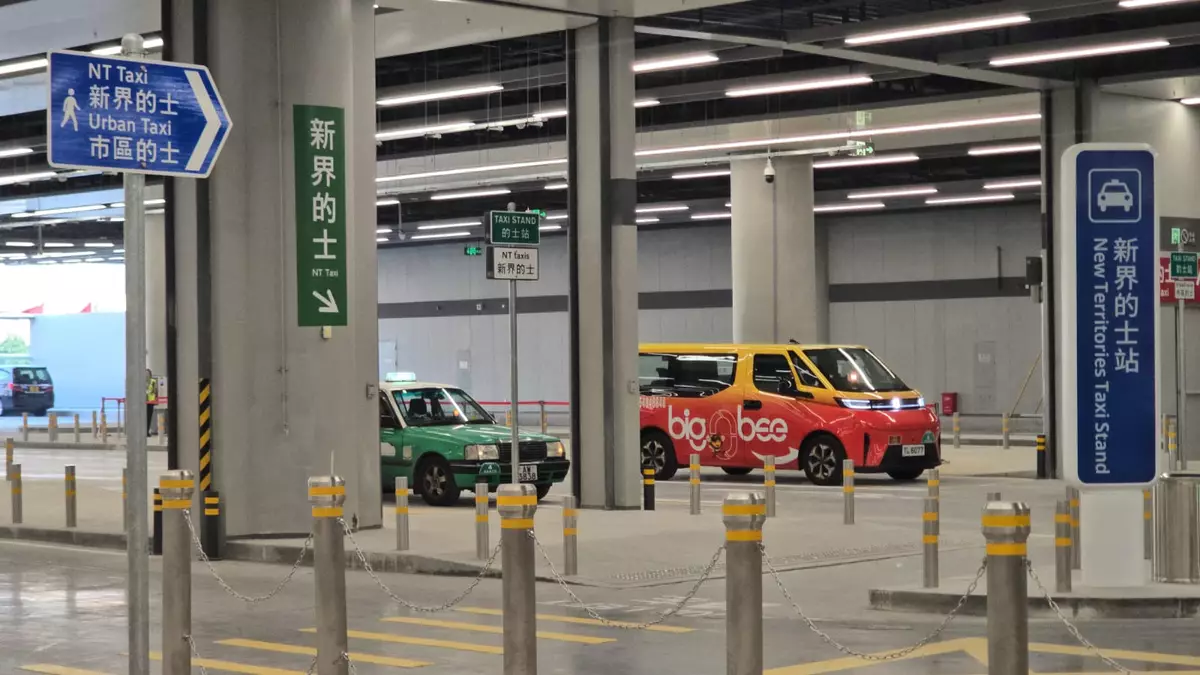
The new Huanggang Port. Photo by Bastille Post
As of 8 o’clock in the morning, approximately 1,200 passengers had traveled northward via public transport, while nearly 2,000 had traveled southward. These figures reflect that the public transport system had already handled a considerable volume of two-way cross-boundary passenger flows in the early stages of the new port’s opening.
Under the new arrangements, San Tin Interchange plays a crucial role in connection and shuttle services. Currently, three franchised bus routes operate from San Tin Interchange to the new Huanggang Port. Chan specifically mentioned the Huang Bus, which had completed its historical mission. To cater to “Huang Bus fans”, the number of departures today was increased from three to ten.
A public transport buffer zone near the port can accommodate about 200 vehicles, including cross-boundary buses, minivans, and taxis. This buffer zone is used for vehicle staging, emergency deployment, and peak-hour crowd dispersal. Efficient communication channels are used to dispatch vehicles, maintaining smooth traffic around the port and reducing the impact of sudden surges in passenger or vehicular flows on port operations.
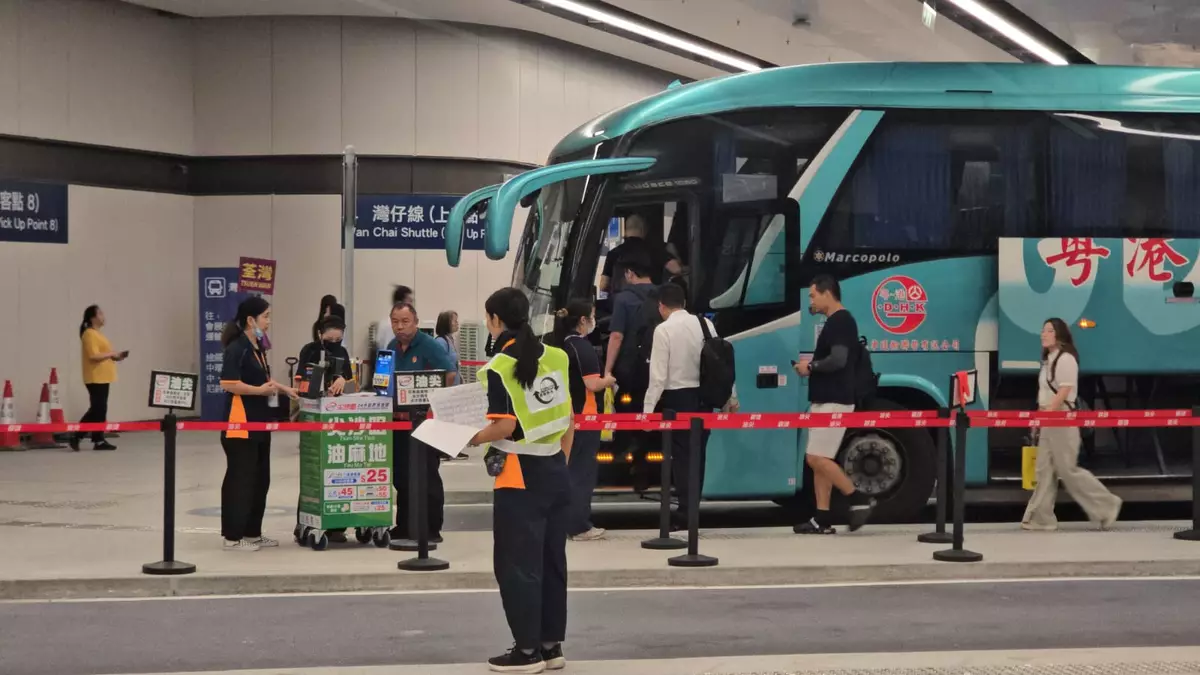
The new Huanggang Port. Photo by Bastille Post
For traffic signage, the Highways Department installed 350 permanent and 150 temporary road signs, while the Transport Department added 150 directional signs at interchanges and 480 passenger information boards at various termini and major interchanges. These signs and information boards aim to strengthen wayfinding along the routes, helping passengers clearly identify paths to the port, as well as transfer points for buses, minibuses, taxis, and other transport modes.
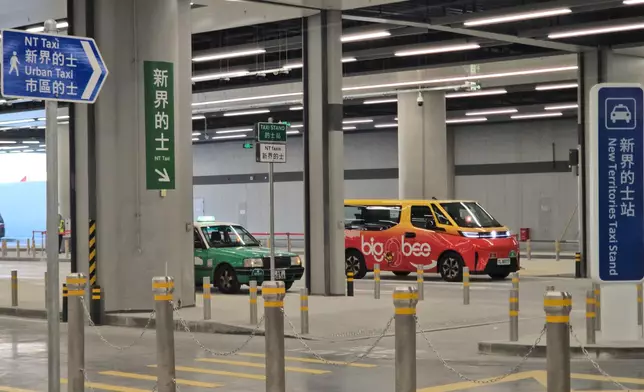
Regarding taxi services, queuing areas for urban and New Territories taxis are available on-site, with dozens of taxis on standby in the buffer zone. Booked taxi fleets operate via dedicated service stations and display screens for passengers with prior reservations. Chan said the government will continue to monitor demand for point-to-point taxi services and improve the design of San Tin Interchange, setting up dedicated pick-up and drop-off zones for different public transport modes to enhance passenger queuing, boarding, and vehicle turnover efficiency.
Addressing demand for tour group buses, Chan noted that the authorities will maintain close communication with the tourism industry to keep track of tour group data and coordinate with bus companies to deploy backup vehicles to the San Tin Public Transport Interchange. At the same time, bus companies are required to deploy vehicles equipped with luggage racks whenever possible to serve tour groups and passengers carrying more luggage. These arrangements also complement the shuttle function of the San Tin Public Transport Interchange, supporting passenger travel to and from the new Huanggang Port.
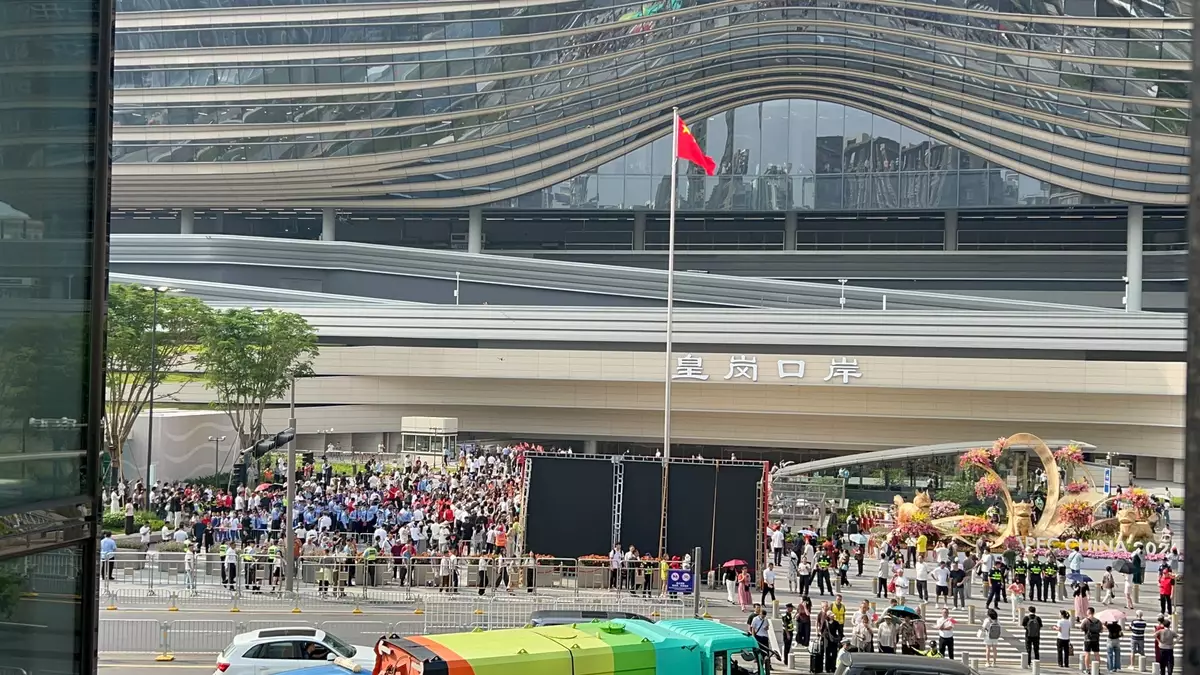
The new Huanggang Port. Photo by Bastille Post
Asked about taxi and booked fleet arrangements at the new port, Chan explained that queuing areas for urban and New Territories taxis are available on-site, alongside dedicated service stations and display screens to support booked taxi fleet operations. The authorities will closely coordinate through the Transport Department, service ambassadors, and fleet operators, using clear display screens to manage pick-up arrangements for booked fleets and taxis, thereby shortening passenger waiting times and maintaining traffic order.
On overnight and peak period monitoring, Tang stated unequivocally that on the basis of regular operations, sufficient manpower and contingency measures will be maintained during long holidays, weekends, and peak periods coinciding with major events. The Joint Command Centre, Emergency Traffic Coordination Centre, on-site departments at the port, and the notification mechanism with the Shenzhen Port Office will jointly support real-time monitoring, information dissemination, vehicle deployment, and on-site crowd management.