DAKAR, Senegal (AP) — Senegal has launched a harsh crackdown on LGBTQ+ people that includes arrests and violations of their rights, and has caused increasing fear and stigma in the gay community, Human Rights Watch said in a report Monday.
The government's punitive actions following passage of a law increasing punishment for homosexuality are forcing people to go into hiding and avoid HIV testing and treatment, the report said.
There is no official data on the number of arrests under the new law, but according to the African Forum for the Defense of Human Rights, a Dakar-based rights group, at least 212 people were arrested between February and July.
HIV Justice Network said that the number of arrests exceeded 300 during the same period, and 82 people were charged with “voluntary HIV transmission,” although a court dismissed the charges in August.
“LGBT people are being forced to curb their normal activities and to keep from exercising their rights for fear of arrest and increased stigma,” said Larissa Kojoué, an LGBTQ+ rights researcher at Human Rights Watch. “Senegal’s government should call a halt to this crackdown, which threatens everyone’s rights.”
The new law, passed by parliament with near-unanimous support earlier this year, doubles prison terms of those convicted of homosexuality to between five and 10 years.
The law classifies homosexuality along with necrophilia and bestiality under offenses deemed “acts against nature.” It also punishes what it calls the promotion or financing of homosexuality, an attempt to crack down on organizations that support sexual and gender minorities.
Same-sex sexual conduct has been criminalized in Senegal since 1965, but hostility toward LGBTQ+ people has significantly intensified in recent years, the report said.
Laws proscribing homosexuality are common across Africa: more than 30 of the 54 countries criminalize same-sex sexual acts. Senegal has joined countries like Kenya, Sierra Leone and Tanzania, where penalties can include 10 or more years of imprisonment. In Somalia, Uganda and Mauritania, the offense can carry the death penalty.
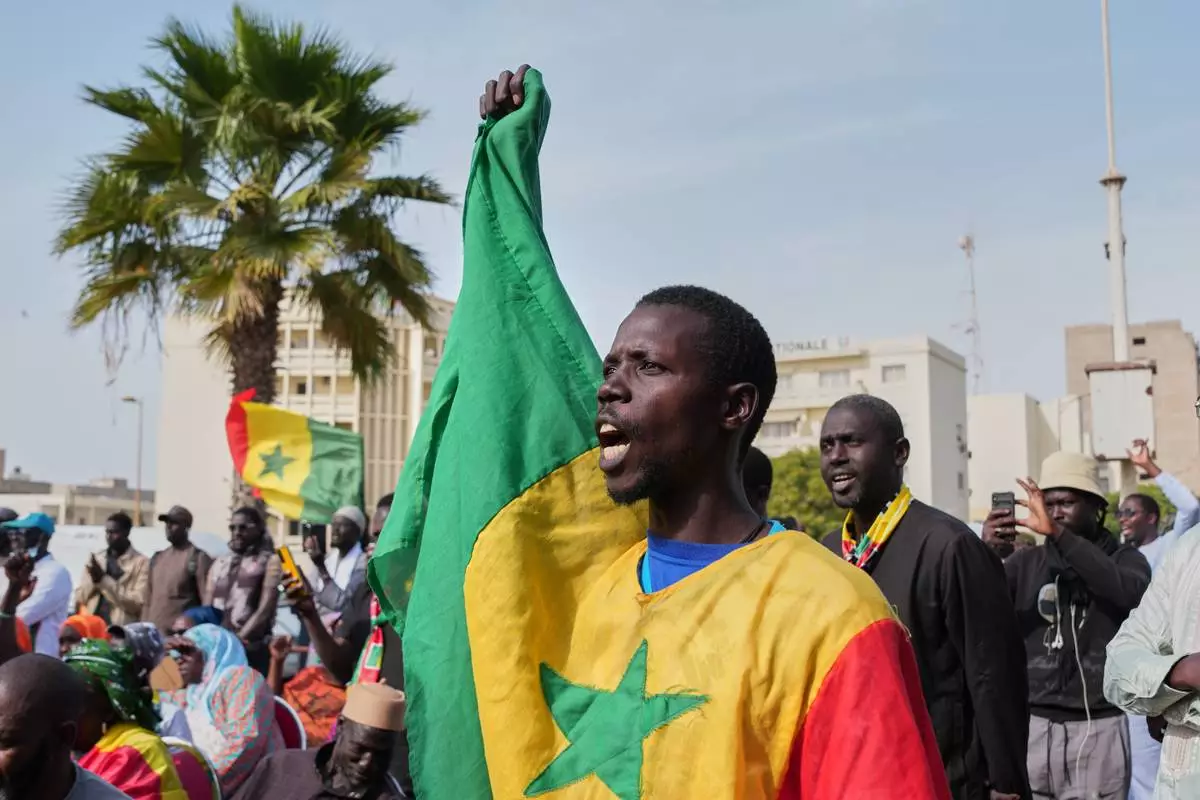
FILE - A protestor chants anti-gay slogans during a demonstration against homosexuality in Dakar, Senegal, March 6, 2026. (AP Photo/Misper Apawu, File)
NEW DELHI (AP) — India’s opposition parties marched toward the Supreme Court on Monday to protest a purge of voter lists they say favors Prime Minister Narendra Modi's party, after police detained thousands of activists over the weekend in a sweeping crackdown.
Opposition lawmakers and their supporters sought to submit a petition to the chief justice demanding the resignation of Chief Election Commissioner Gyanesh Kumar.
Protests led by the “Cockroach” youth movement have intensified since election authorities began the revision last year, removing more than 130 million voters from the lists. Critics say the process is politically motivated and risks disenfranchising eligible voters. Modi’s Bharatiya Janata Party and the Election Commission deny allegations of manipulation, saying the move is needed to remove duplicate and ineligible names.
Ahead of the march, authorities closed six metro stations in the capital on Monday and warned of traffic disruptions.
Opposition leader Rahul Gandhi of the Congress party described the growing protests as a fight to defend the constitution.
“We will not back down,” he told reporters in New Delhi.
Gandhi, scion of India’s most influential political dynasty, is seeking to turn the protests into a broader challenge to Modi.
Police detained thousands of demonstrators in New Delhi over the weekend, including leaders of the “Cockroach” movement. Modi has not publicly commented on the protests, but leaders of his party have dismissed them, with some calling the activists “anarchists.”
Meanwhile, New Delhi police announced Monday that Jantar Mantar, a longtime site of mass protests in the capital, would no longer be a designated venue for rallies. Police said three replacement sites had been chosen.
The “Cockroach” movement earlier this year staged a sit-in at Jantar Mantar that lasted for weeks, forcing the resignation of Modi’s education minister in July.
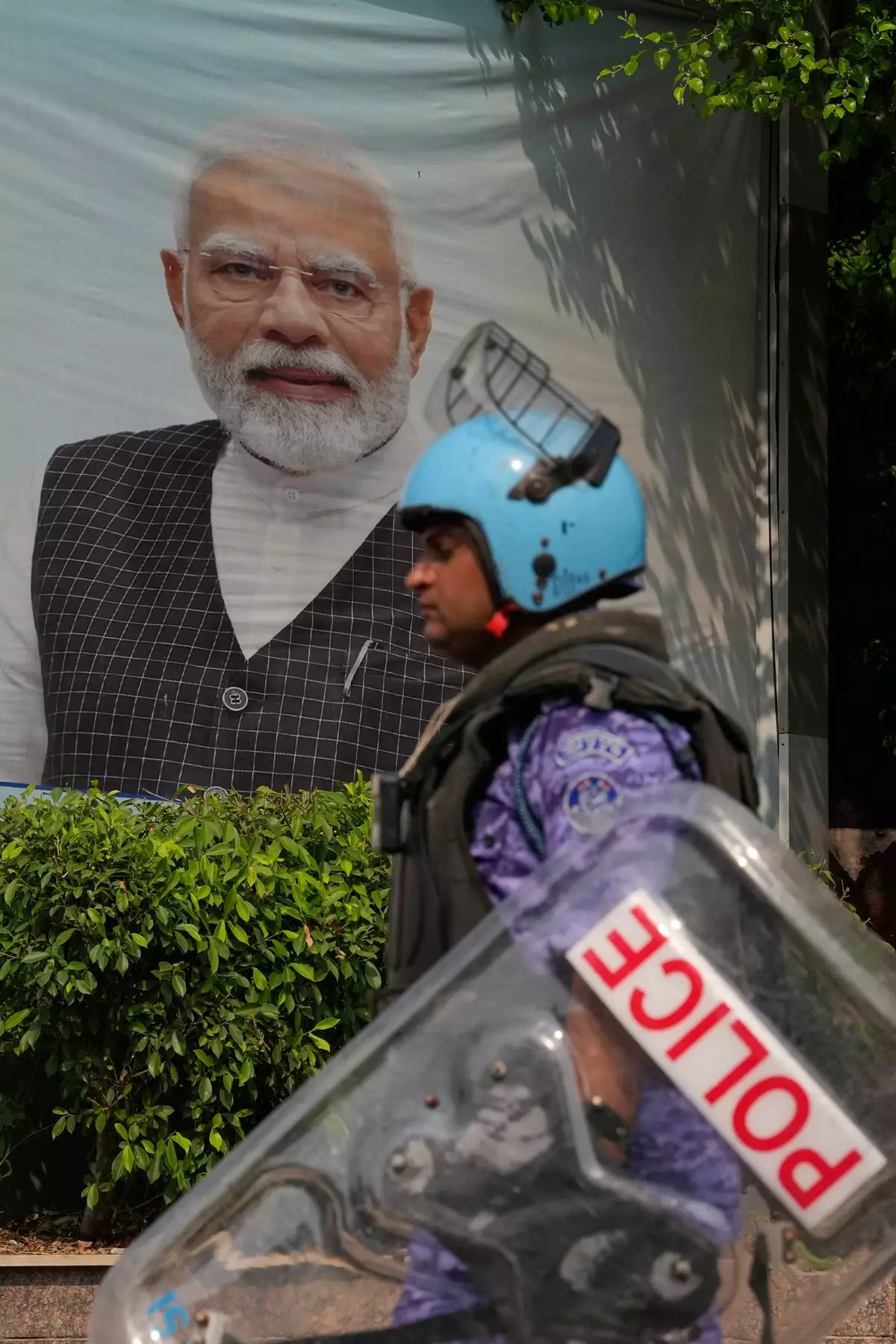
A security personnel member arrives to escort workers of India's opposition Congress party as they gather for a march toward the Supreme Court demanding the resignation of Chief Election Commissioner Gyanesh Kumar in New Delhi, India, Monday, Oct. 12, 2026. (AP Photo/Manish Swarup)
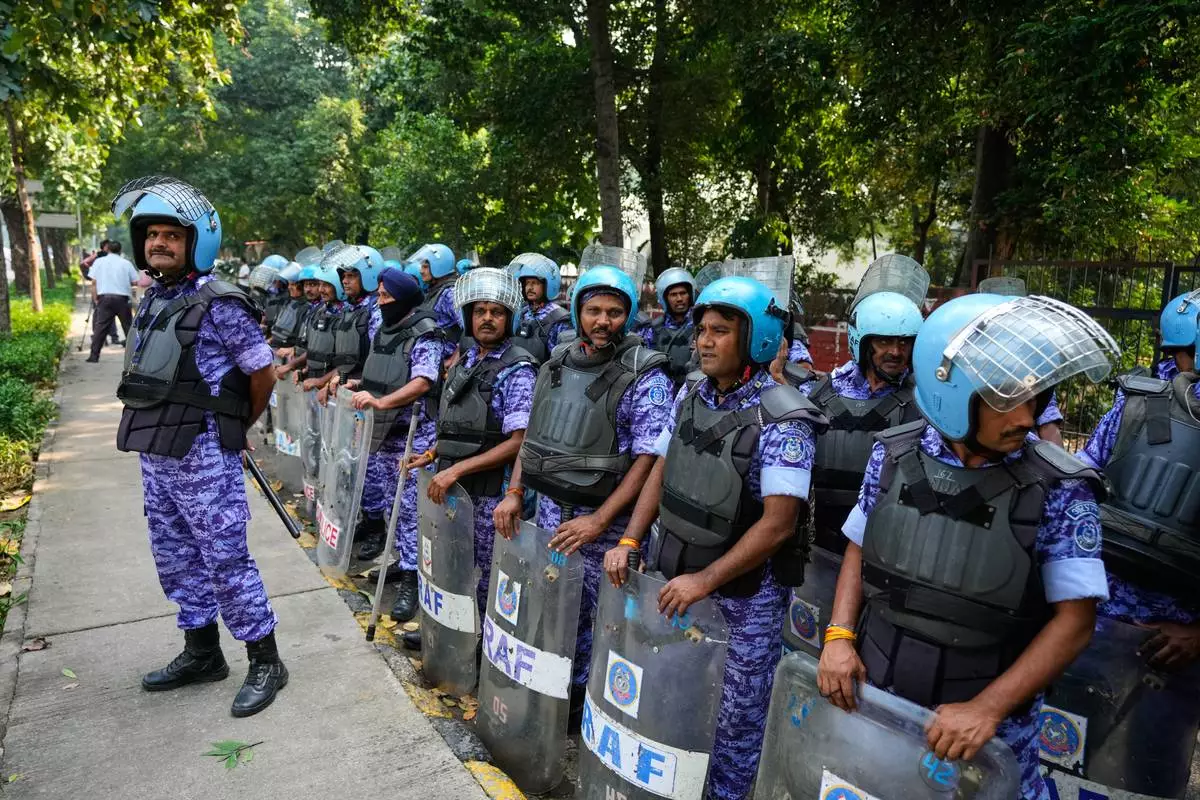
Security personnel watch as workers of India's opposition Congress party gather for a march toward the Supreme Court demanding the resignation of Chief Election Commissioner Gyanesh Kumar in New Delhi, India, Monday, Oct. 12, 2026. (AP Photo/Manish Swarup)
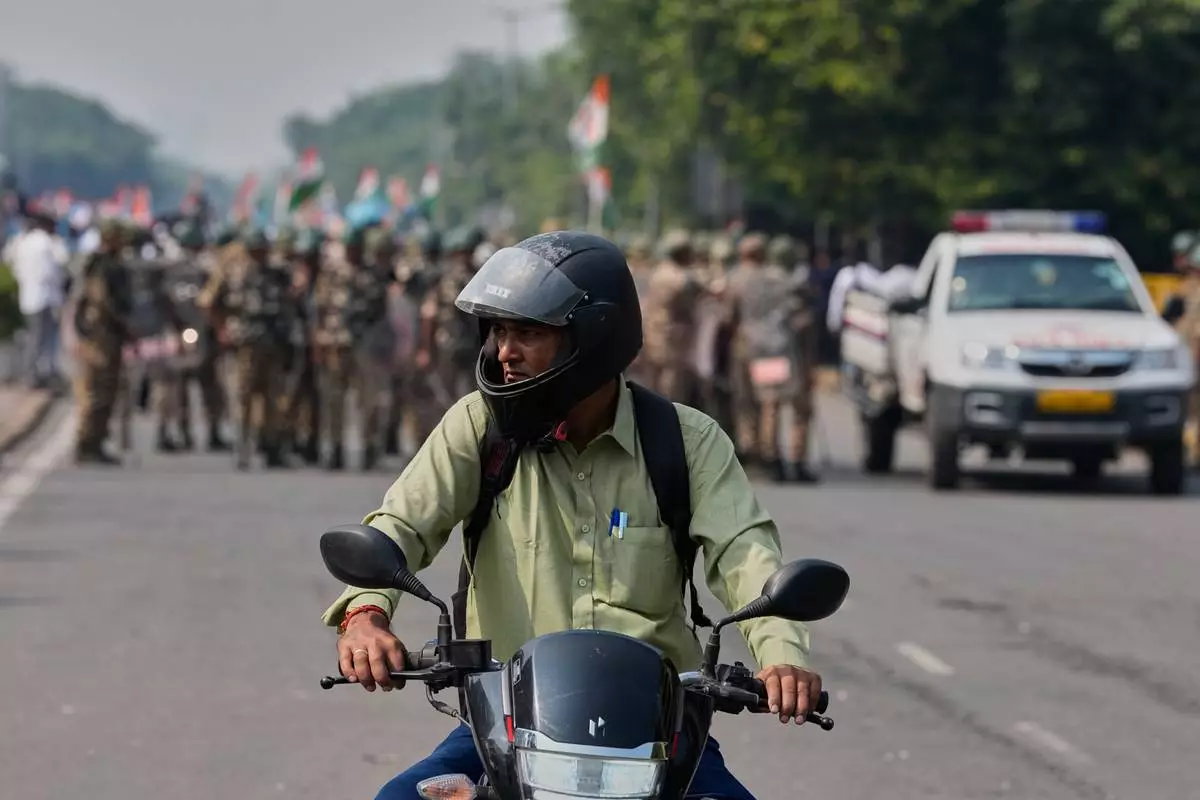
A commuter watches as security personnel arrive to escort workers of India's opposition Congress party gathering for a march toward the Supreme Court to demand the resignation of Chief Election Commissioner Gyanesh Kumar in New Delhi, India, Monday, Oct. 12, 2026. (AP Photo/Manish Swarup)
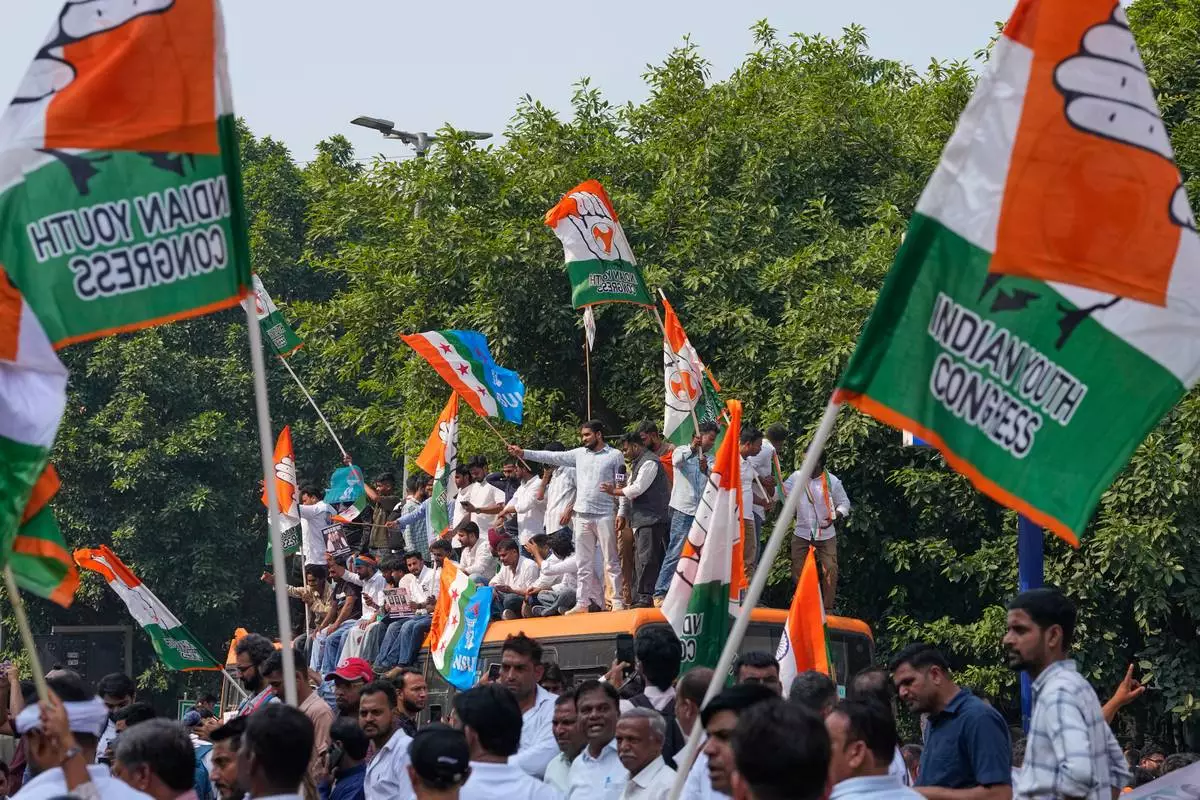
Workers of India's opposition Congress party shout slogans atop a bus as they gather for a march toward the Supreme Court demanding the resignation of Chief Election Commissioner Gyanesh Kumar in New Delhi, India, Monday, Oct. 12, 2026. (AP Photo/Manish Swarup)
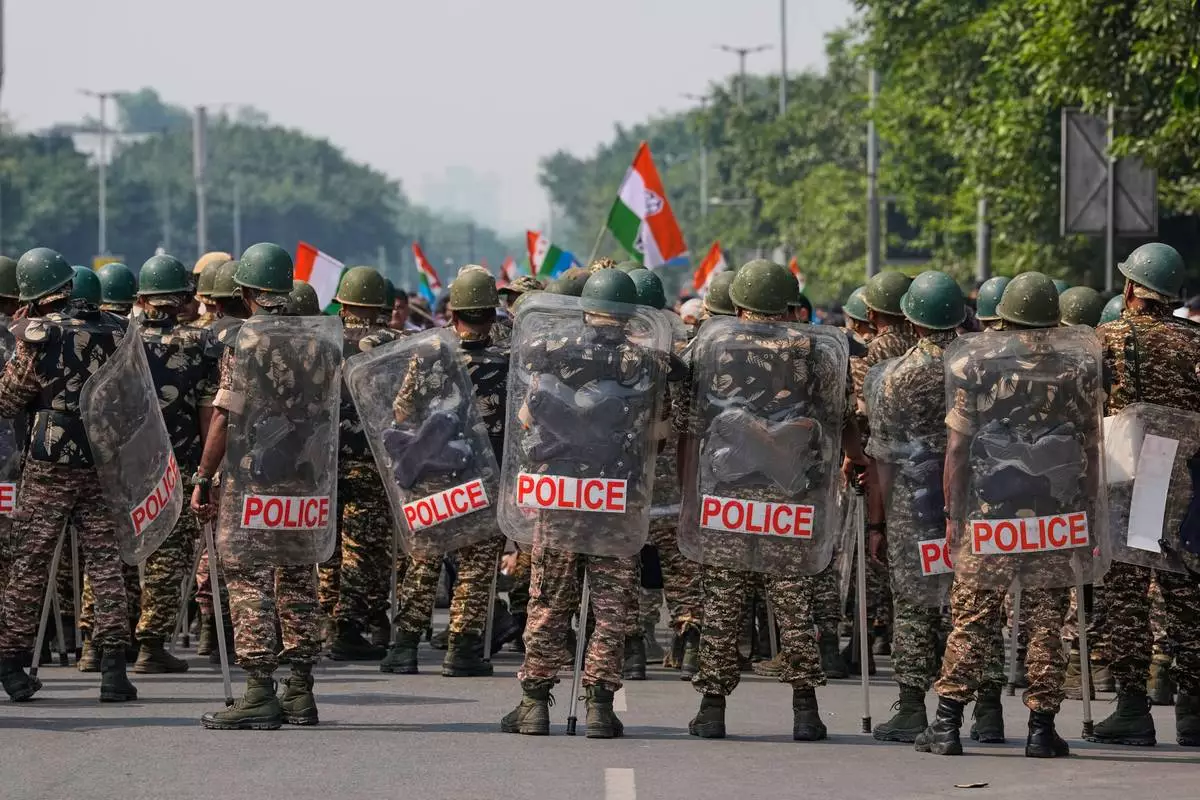
Security personnel in riot gear arrive to escort workers of India's opposition Congress party as they gather for a march toward the Supreme Court demanding the resignation of Chief Election Commissioner Gyanesh Kumar in New Delhi, India, Monday, Oct. 12, 2026. (AP Photo/Manish Swarup)