AUSTIN, Texas (AP) — Republican officials and conservative social media users spread unfounded rumors in recent days that state Rep. James Talarico, the Democratic nominee in a competitive Texas Senate race, had suffered a mental health crisis.
Questions about Talarico’s whereabouts began spreading after the candidate was not seen in public for nine days. But he and his campaign have repeatedly attributed his absence to the flu.
Here's a closer look at the facts.
CLAIM: Democratic Senate candidate James Talarico was being treated in an Ohio mental health facility last week.
THE FACTS: This is false. The facility where he was said to have been treated has denied he was ever a patient there. Both he and his campaign have said he was recovering from the flu. Talarico has type 1 diabetes, which means he has a higher risk of developing complications from the flu. Regardless, Talarico's schedule doesn't align with what was presented as evidence of his stay at the mental health facility and images reviewed by The Associated Press showed Talarico at home over several days last week.
Talarico spoke at a Hispanic Business Council event on Sept. 30 by video. He said during the event that he had been diagnosed with the flu at an urgent care facility in Dallas after “starting to feel kind of under the weather a few days ago,” adding that he wasn't there in person because he had decided to “put safety first” since he had a fever and was still contagious.
Republicans highlighted Talarico's subsequent absence from the campaign trail from Oct. 1 to Oct. 9, noting his absence came at a critical time at the end of a competitive race. His opponent, Texas Attorney General Ken Paxton, described Talarico as “missing” in a series of social posts and said his campaign had requested “proof of life.” President Donald Trump called Talarico “MISSING IN ACTION!" in a Truth Social post and asked: “Where is he? What is wrong with him?”
Among the chatter was a rumor that Talarico had suffered a mental health breakdown. Conservative social media influencer Nick Sorter on Sunday posted a 47-second audio clip on X that he said proved that Talarico had been discharged earlier in the week from Lindner Center of Hope, a mental health treatment center in Mason, Ohio. In the clip, a woman who Sorter claimed was an employee there says it looked like Talarico “was just discharged this evening.”
But the timeline doesn’t hold up. Rhein Amacher, who describes himself on social media as a “right-wing provocateur,” said he made the call on Saturday evening. Talarico was seen at the Austin City Limits music festival on Friday. On Saturday, he made an appearance at a Kacey Musgraves concert in Dallas.
The Lindner Center of Hope wrote in an X post on Sunday that Talarico “has never received treatment” from the facility. Talarico replied to the post, saying, “I've never even been to Ohio.” He included a tears of joy emoji. JT Ennis, a spokesperson for Talarico, called Sorter’s claim “a lie designed to promote a pathetic conspiracy theory” in an X post and wrote that Talarico had been recovering from the flu at his home in Austin.”
“I got the flu, and I'm feeling much better, and I'm glad I had a chance to recover,” Talarico said in a Sunday interview with the NBC affiliate in Dallas-Fort Worth. He confirmed that the online rumors were “not true.” In an MS NOW interview the same day, he called such rumors “the craziest thing I've ever heard.”
Find AP Fact Checks here: https://apnews.com/APFactCheck.

FILE - Democratic U.S. Senate candidate Texas state Rep. James Talarico speaks during a television interview at a food drive at the Frederick Douglass Human Services and Justice Center, Sept. 9, 2026, in Dallas. (AP Photo/Julia Demaree Nikhinson, File)
NASHVILLE, Tenn. (AP) — Emergency help for Christa Pike was delayed by confusion among first responders and Tennessee prison officials following her failed execution last month, according to 911 dispatch recordings.
The recordings, obtained Monday by The Associated Press through a public records request, show that precious minutes elapsed as officials and responders tried to figure out whether a request for emergency help in the execution chamber was legitimate.
The initial 911 call came in at 8:40 p.m. on Sept. 30, just over an hour after the attempted lethal injection got underway. But the caller was unable to provide a code that would help verify the legitimacy of the request.
“Per supervisors here at the DEC (Department of Emergency Communications) we have been informed it is a false call,” a dispatcher says at 9:03 p.m. “There is no medical assistance needed at Riverbend Prison.”
It wasn’t until about half an hour after the initial call — close to 9:11 p.m. — that prison officials affirmed it was real and began letting responders through the gates.
Neither the Tennessee Department of Correction nor Pike’s legal team immediately responded to requests for comment.
Pike, 50, was hospitalized after surviving two doses of pentobarbital as the state tried to execute her for the 1995 stabbing death of classmate Colleen Slemmer. She was 18 when she tortured and killed Slemmer with her boyfriend, becoming one of the youngest women to be sentenced to death.
State protocol calls for a second dose of pentobarbital if the first doesn’t result in death, but it doesn’t spell out what to do if an inmate survives the second injection.
The first 911 call, released only as a written transcript, reported that Pike was unconscious and not breathing normally.
After being taken to a hospital, Pike was on a ventilator for several days. At one point, her attorneys did not expect her to survive. She regained consciousness last Tuesday and began talking limitedly and walking with assistance, they said. Pike was discharged from the hospital and returned to the women’s prison where she was housed for 30 years, her lawyers said Saturday.
The initial call came from a person whose name and title were redacted. The caller told a dispatcher that they were at the Riverbend Maximum Security Institution where they had tried to execute someone, but she was still alive.
As emergency responders worked to verify the call, they were in touch with representatives of the prison’s Central Control, who said they “would have been the ones to call in" and they "did not make that call,” according to a recording time-stamped at 9:07 p.m.
Around the same time, a first responder could be heard over the radio saying, “Somebody is outside the gate at the prison telling us that it’s real and demanding us to go in. They say they are some sort of state official. I need somebody to get out to the gate and talk to those people.”
Central Control confirmed the call was legitimate a few minutes later, clearing the way for responders to enter through the gates at about 9:11 p.m. An AP reporter witnessed an ambulance and fire trucks pull up to the building inside the prison campus at 9:14 p.m.
At 9:34 p.m., as medics were transporting Pike to a hospital, one asked dispatch to make sure the prison knew where they were taking her.
"Just ’cause there’s been so much other confusion, I want to make sure they are aware of this,” the responder said.
The Nashville Department of Emergency Communications released with some redactions the batch of audio recordings from dispatchers. Police said the audio from the first 911 call was exempt from public disclosure under state law.
Two subsequent emergency calls were made, including one at 9:08 p.m. by one of Pike’s attorneys, Kelly Gleason.
“My client, Christa Gail Pike, is undergoing a state execution. She has completed the stages of the protocol and last we knew from the attorney who is present, she is still alive and breathing and needs immediate life-saving care,” Gleason said on the call.
The Tennessee Department of Correction has not said what went wrong in the attempted execution. Gov. Bill Lee paused further execution attempts pending a review. It’s unclear whether the state will try executing Pike again.
Medical experts have raised a few possibilities that could explain how Pike was able to survive, including potential drug quality issues and the placement of IV lines causing the drug to pool in her tissue.
Before the execution attempt, Pike’s attorneys told courts and prison officials that she had a blood disorder that could cause clotting at injection sites.
Johnson reported from Seattle and Schoenbaum from Salt Lake City.
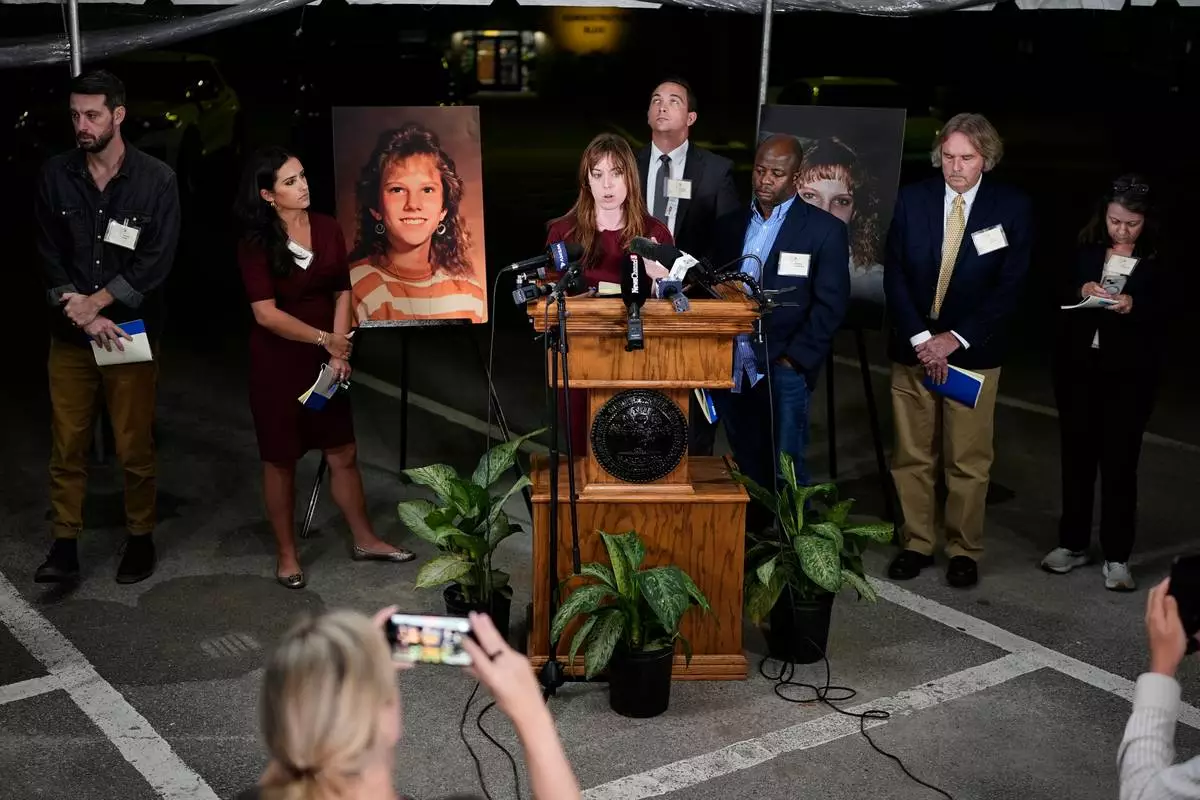
Media witnesses recount the moments before the execution of Christa Pike was halted Wednesday, Sept. 30, 2026, in Nashville, Tenn. (AP Photo/George Walker IV)
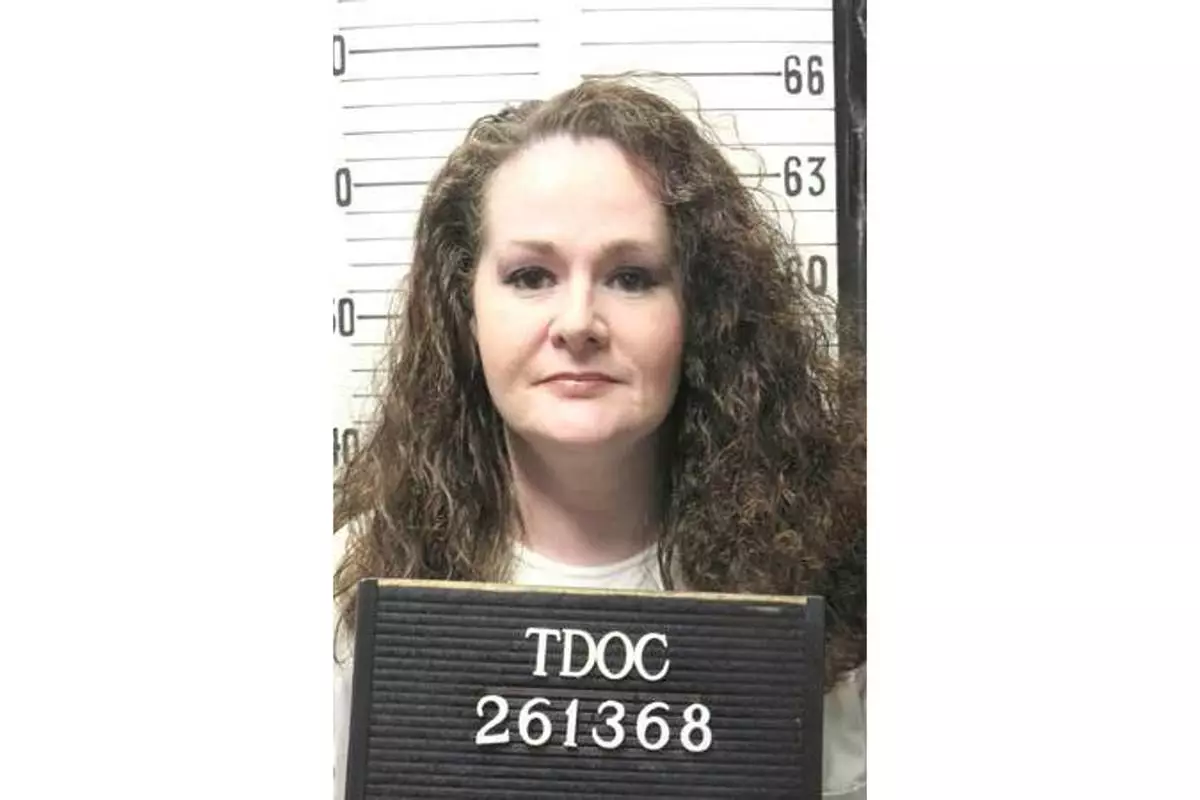
This photo provided by the Tennessee Department of Correction shows Christa Pike on Jan. 12, 2023. (TDOC via AP)
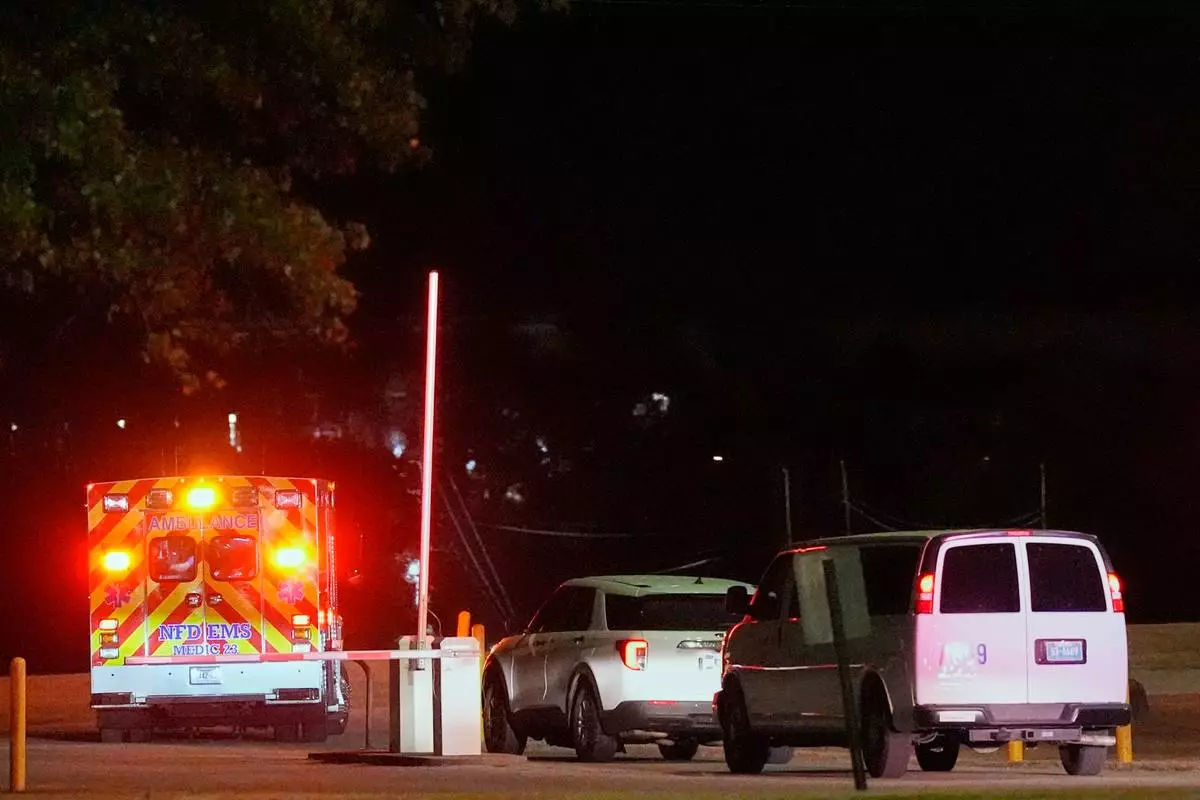
Emergency vehicles leave Riverbend Maximum Security Institution after the execution of Christa Pike was halted Wednesday, Sept. 30, 2026, in Nashville, Tenn. (AP Photo/George Walker IV)
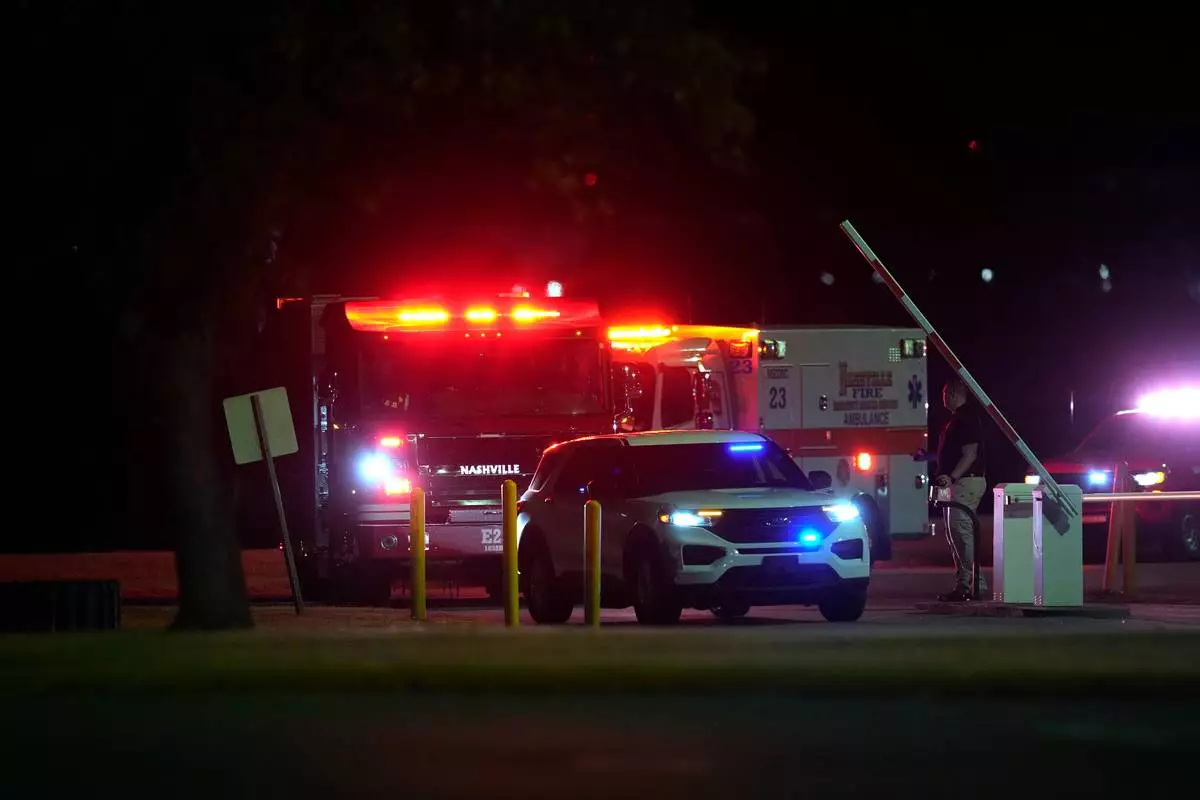
Emergency vehicles arrive at Riverbend Maximum Security Institution after the execution of Christa Pike was halted Wednesday, Sept. 30, 2026, in Nashville, Tenn. (AP Photo/George Walker IV)