SEATTLE (AP) — Washington quarterback Demond Williams Jr. seems unlikely to return this week from a rib injury he suffered during the Huskies’ loss to Iowa.
“I’m not under the impression that I think he’ll be playing this week based upon where he’s at physically,” head coach Jedd Fisch said Monday. ”But I don't want to predict the medical future; we still have four days before we’ll have to make that decision.”
Click to Gallery
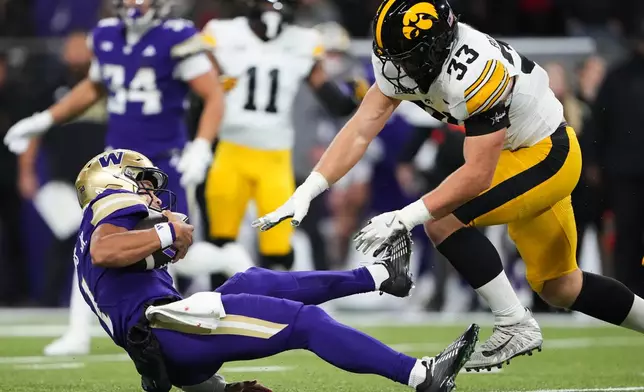
Washington quarterback Demond Williams Jr. is pushed down by Iowa linebacker Cam Buffington during the first half of an NCAA college football game, Friday, Oct. 9, 2026, in Seattle. (AP Photo/Lindsey Wasson)
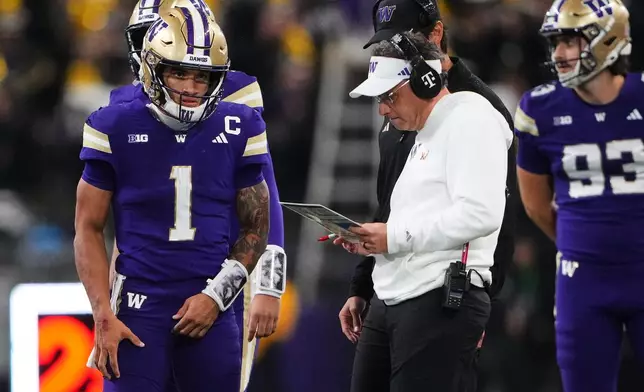
Washington quarterback Demond Williams Jr. (1) stands with head coach Jedd Fisch during a timeout against Iowa during the first half of an NCAA college football game, Friday, Oct. 9, 2026, in Seattle. (AP Photo/Lindsey Wasson)
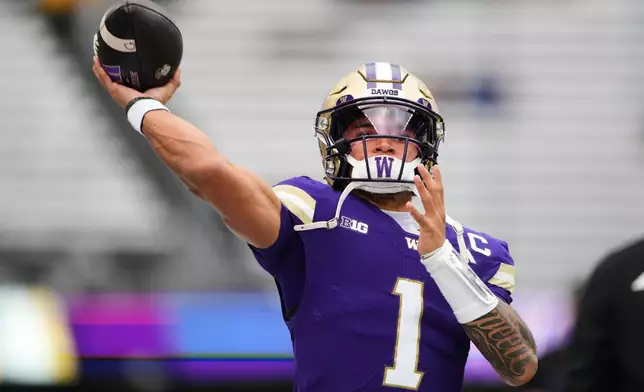
Washington quarterback Demond Williams Jr. warms up before facing Iowa in an NCAA college football game, Friday, Oct. 9, 2026, in Seattle. (AP Photo/Lindsey Wasson)
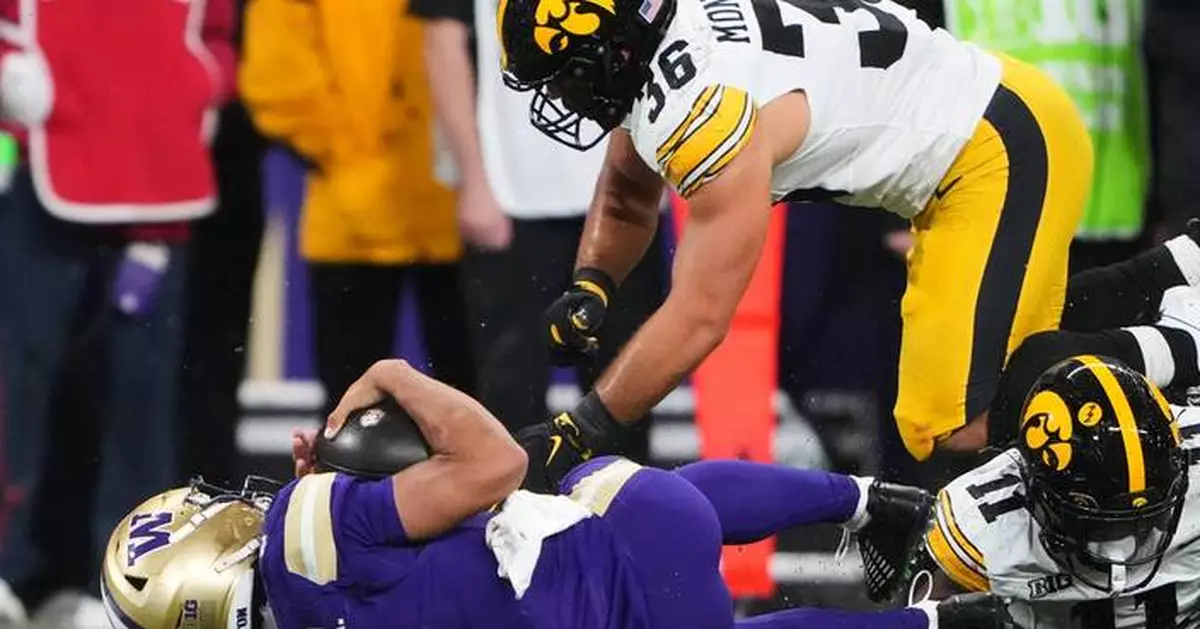
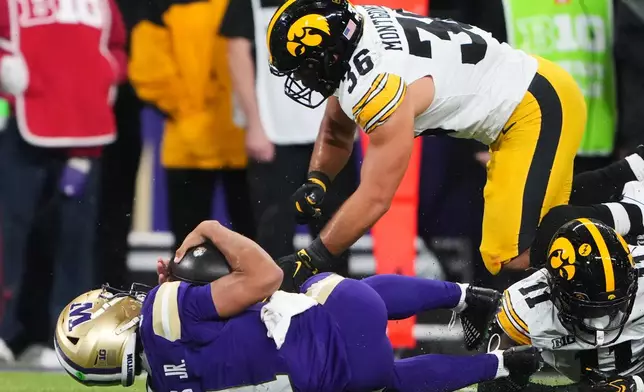
Washington quarterback Demond Williams Jr. is tackled by Iowa linebacker Jayden Montgomery (36) and defensive back Jacob Wallace (11) during the first half of an NCAA college football game, Friday, Oct. 9, 2026, in Seattle. (AP Photo/Lindsey Wasson)
Fisch officially described Williams’ status as day to day but said that he didn’t practice Monday while Elijah Brown took all the reps with the starting offense. The Huskies are set to fly to Indiana on Thursday for their game Friday night against Purdue.
“There would have to be a pretty significant change for anything to change,” Fisch said of Williams’ likelihood to play.
Williams took a hit while diving for extra yards with two minutes to go in the first half of the 41-24 loss Friday to the Hawkeyes. As Washington's field goal team came onto the field on fourth down, Williams went into the medical tent before heading to the locker room. Brown led the Huskies the rest of the way.
In six drives before exiting, Williams completed six of 11 passes for 69 yards and was sacked four times.
It’s been an up-and-down year for the third-year starter, which began with Williams briefly entering the transfer portal in January before announcing his return to Washington two days later. Through six games in 2026, Williams’ 145.7 passer rating ranks 10th in the Big Ten.
Brown, a transfer from Stanford, saw his first extended action with the Huskies and finished his night 28 for 39 for 251 yards and three touchdowns. Washington also went six of 10 on third down with Brown behind center.
“He did a great job of getting the ball out of his hands,” Fisch said. “He found a primary read most, if not all of the time.”
Sign up for Top 25 poll alerts here, visit the Top 25 here and see AP’s full college football coverage here
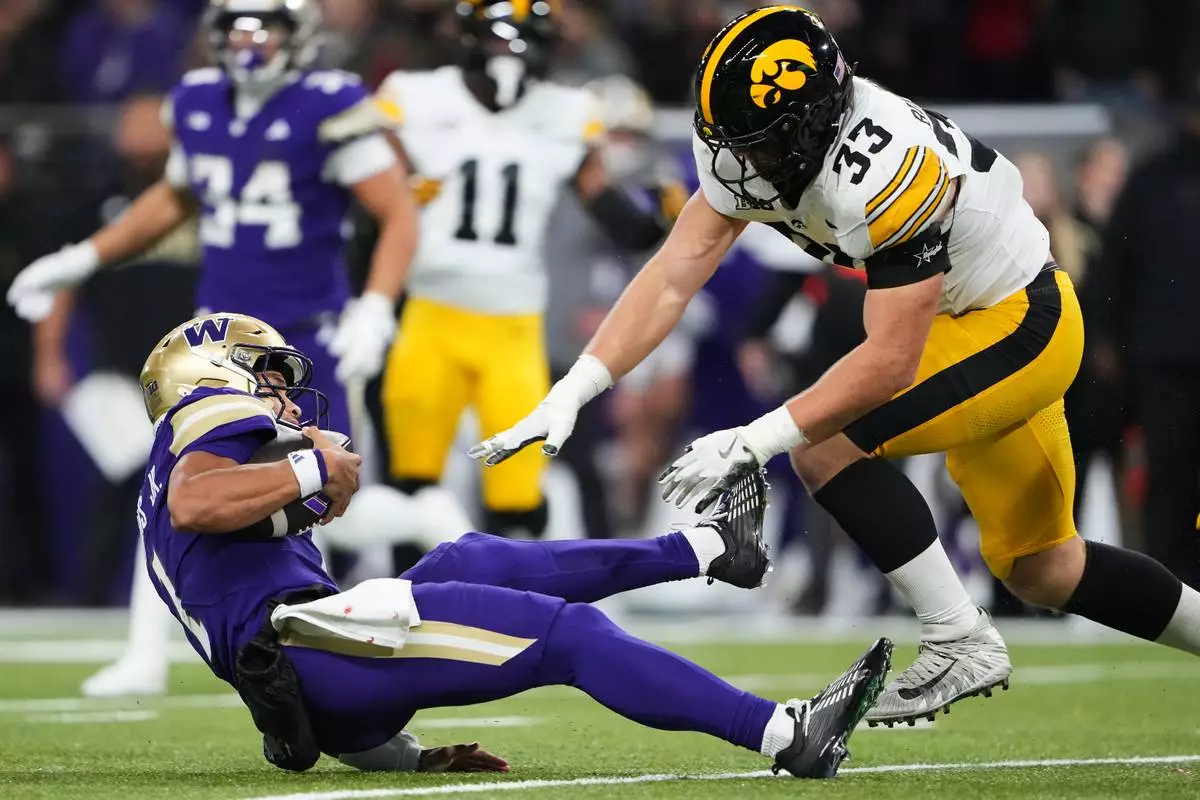
Washington quarterback Demond Williams Jr. is pushed down by Iowa linebacker Cam Buffington during the first half of an NCAA college football game, Friday, Oct. 9, 2026, in Seattle. (AP Photo/Lindsey Wasson)
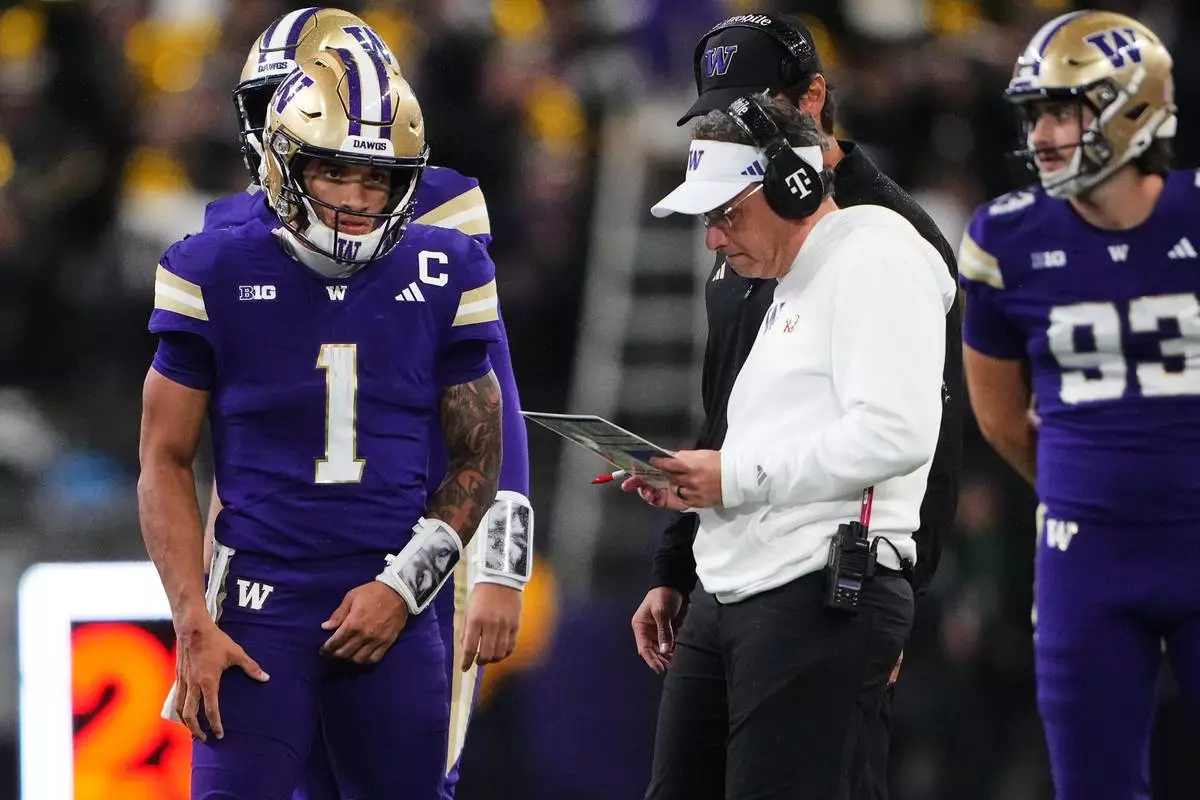
Washington quarterback Demond Williams Jr. (1) stands with head coach Jedd Fisch during a timeout against Iowa during the first half of an NCAA college football game, Friday, Oct. 9, 2026, in Seattle. (AP Photo/Lindsey Wasson)
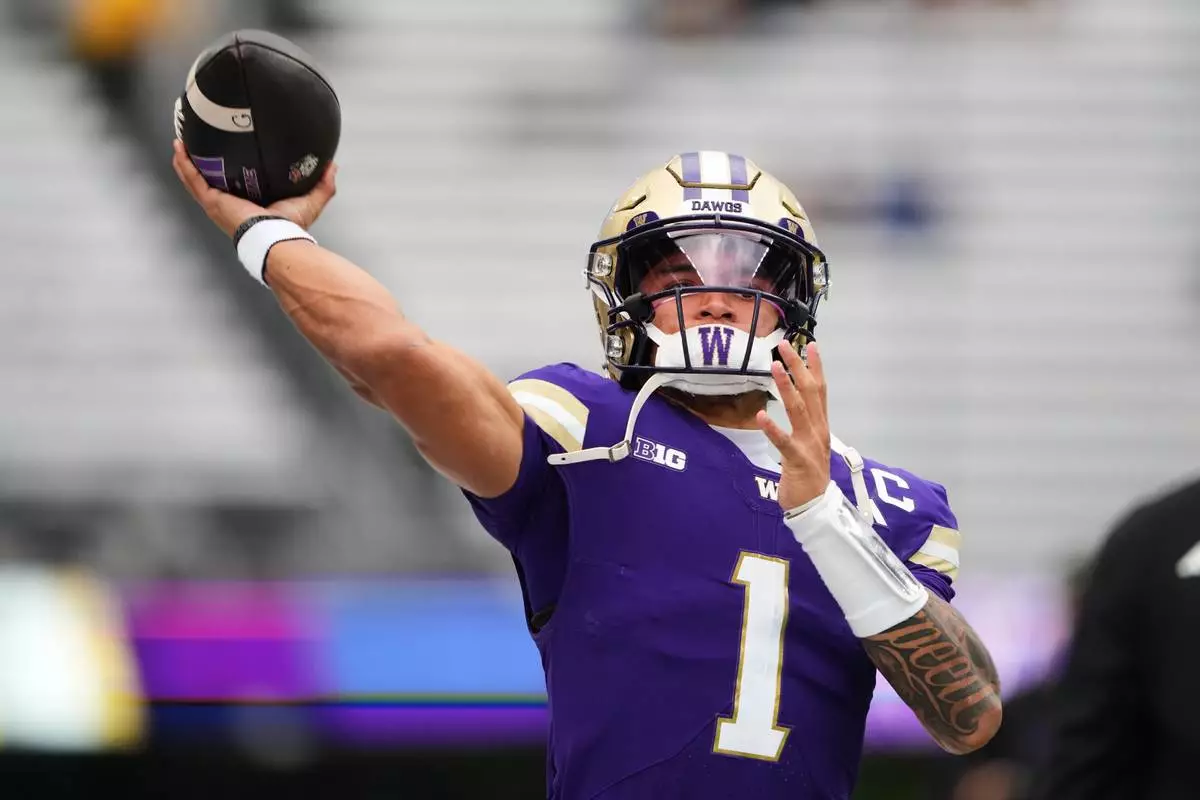
Washington quarterback Demond Williams Jr. warms up before facing Iowa in an NCAA college football game, Friday, Oct. 9, 2026, in Seattle. (AP Photo/Lindsey Wasson)
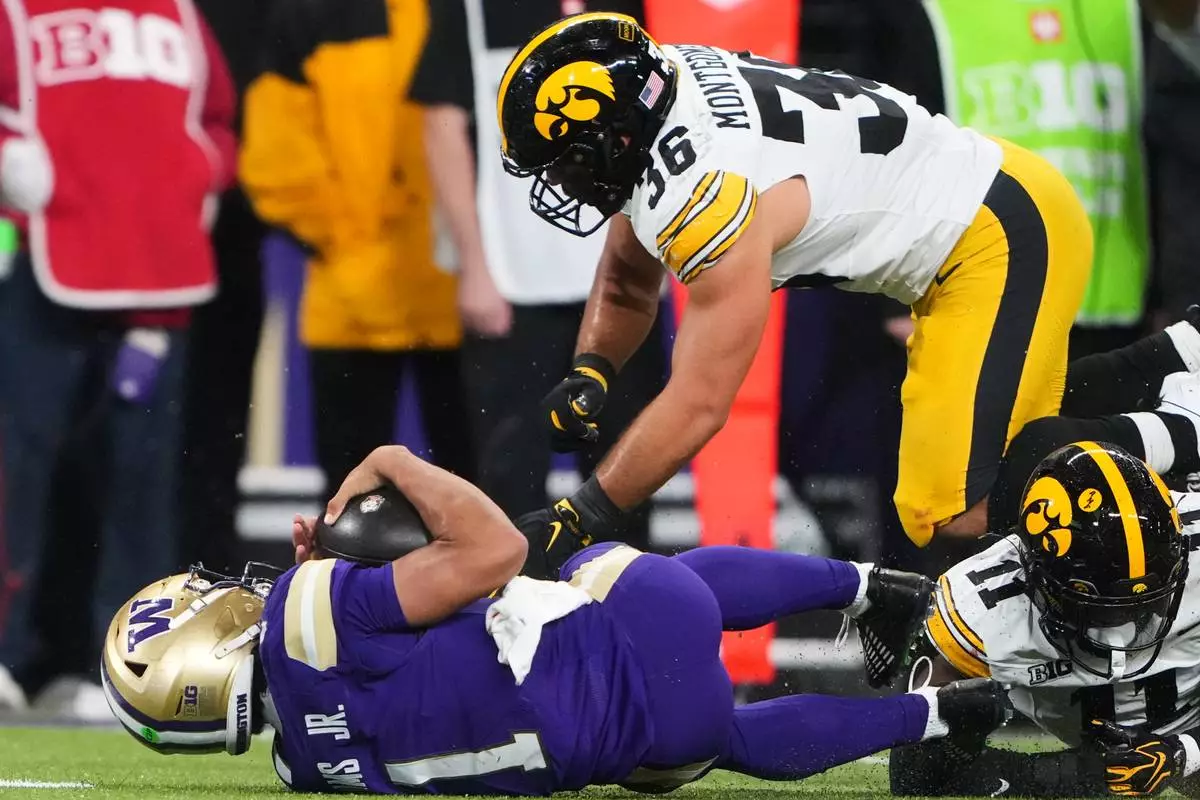
Washington quarterback Demond Williams Jr. is tackled by Iowa linebacker Jayden Montgomery (36) and defensive back Jacob Wallace (11) during the first half of an NCAA college football game, Friday, Oct. 9, 2026, in Seattle. (AP Photo/Lindsey Wasson)
NASHVILLE, Tenn. (AP) — Emergency help for Christa Pike was delayed by confusion among first responders and Tennessee prison officials following her failed execution last month, according to 911 dispatch recordings.
The recordings, obtained Monday by The Associated Press through a public records request, show that precious minutes elapsed as officials and responders tried to figure out whether a request for emergency help in the execution chamber was legitimate.
The initial 911 call came in at 8:40 p.m. on Sept. 30, just over an hour after the attempted lethal injection got underway. But the caller was unable to provide a code that would help verify the legitimacy of the request.
“Per supervisors here at the DEC (Department of Emergency Communications) we have been informed it is a false call,” a dispatcher says at 9:03 p.m. “There is no medical assistance needed at Riverbend Prison.”
It wasn’t until about half an hour after the initial call — close to 9:11 p.m. — that prison officials affirmed it was real and began letting responders through the gates.
Neither the Tennessee Department of Correction nor Pike’s legal team immediately responded to requests for comment.
Pike, 50, was hospitalized after surviving two doses of pentobarbital as the state tried to execute her for the 1995 stabbing death of classmate Colleen Slemmer. She was 18 when she and her boyfriend tortured and killed Slemmer, becoming one of the youngest women to be sentenced to death.
State protocol calls for a second dose of pentobarbital if the first doesn’t result in death, but it doesn’t spell out what to do if an inmate survives the second injection.
The first 911 call, released only as a written transcript, reported that Pike was unconscious and not breathing normally.
After being taken to a hospital, Pike was on a ventilator for several days. At one point, her attorneys did not expect her to survive. She regained consciousness last Tuesday and began talking limitedly and walking with assistance, they said. Pike was discharged from the hospital and returned to the women’s prison where she was housed for 30 years, her lawyers said Saturday.
The initial call came from a person whose name and title were redacted. The caller told a dispatcher that they were at the Riverbend Maximum Security Institution where they had tried to execute someone, but she was still alive.
As emergency responders worked to verify the call, they were in touch with representatives of the prison’s Central Control, who said they “would have been the ones to call in and they did not make that call,” according to a recording time-stamped at 9:07 p.m.
Around the same time, a first responder could be heard over the radio saying, “Somebody is outside the gate at the prison telling us that it’s real and demanding us to go in. They say they are some sort of state official. I need somebody to get out to the gate and talk to those people.”
Central Control confirmed the call was legitimate a few minutes later, clearing the way for responders to enter through the gates at about 9:11 p.m. An AP reporter witnessed an ambulance and fire trucks pull up to the building inside the prison campus at 9:14 p.m.
At 9:34 p.m., as medics were transporting Pike to a hospital, one asked dispatch to make sure the prison knew where they were taking her.
"Just ’cause there’s been so much other confusion, I want to make sure they are aware of this,” the responder said.
The Nashville Department of Emergency Communications released with some redactions a batch of audio recordings, including radio traffic and calls with emergency dispatchers. Police said the audio from the first 911 call was exempt from public disclosure under state law.
Two subsequent emergency calls were made, including one at 9:08 p.m. by one of Pike’s attorneys, Kelly Gleason.
“My client, Christa Gail Pike, is undergoing a state execution. She has completed the stages of the protocol and last we knew from the attorney who is present, she is still alive and breathing and needs immediate life-saving care,” Gleason said on the call.
The Tennessee Department of Correction has not said what went wrong in the attempted execution. Gov. Bill Lee paused further execution attempts pending a review. It’s unclear whether the state will try executing Pike again.
Medical experts have raised a few possibilities that could explain how Pike was able to survive, including potential drug quality issues and the placement of IV lines causing the drug to pool in her tissue.
Before the execution attempt, Pike’s attorneys told courts and prison officials that she had a blood disorder that could cause clotting at injection sites.
Johnson reported from Seattle and Schoenbaum from Salt Lake City.
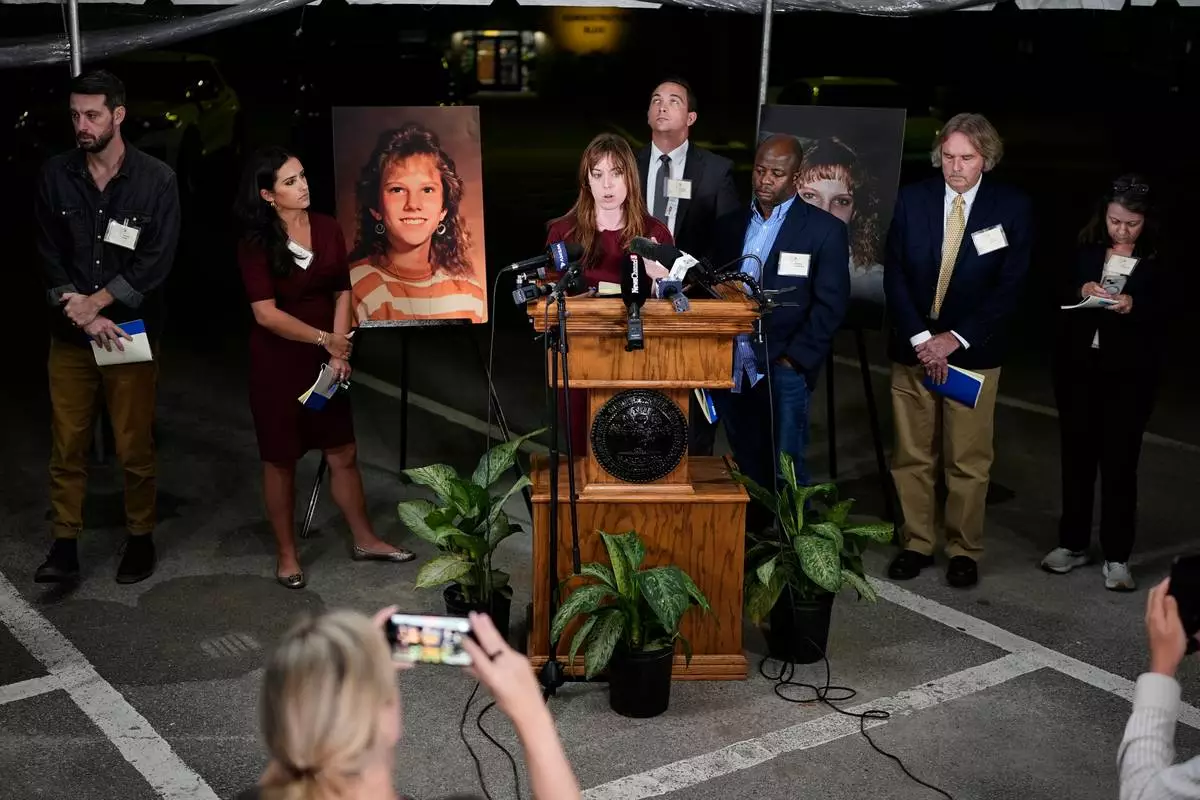
Media witnesses recount the moments before the execution of Christa Pike was halted Wednesday, Sept. 30, 2026, in Nashville, Tenn. (AP Photo/George Walker IV)
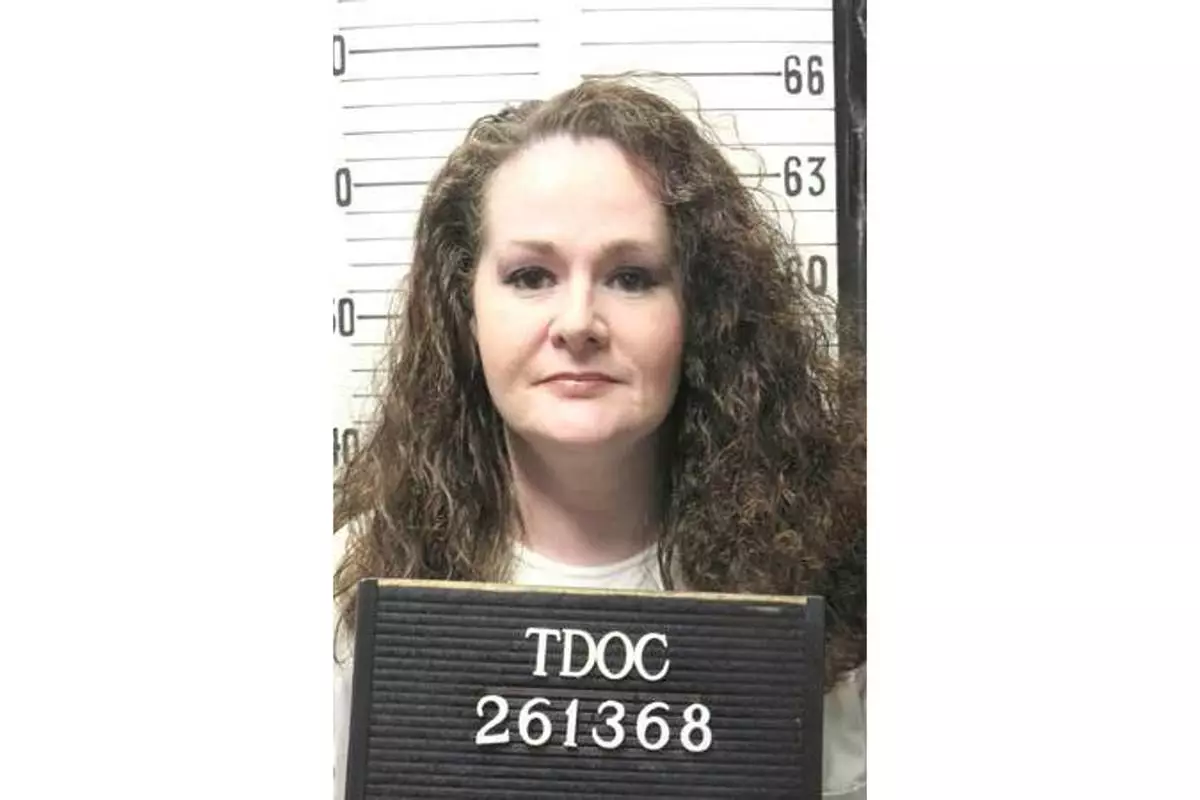
This photo provided by the Tennessee Department of Correction shows Christa Pike on Jan. 12, 2023. (TDOC via AP)
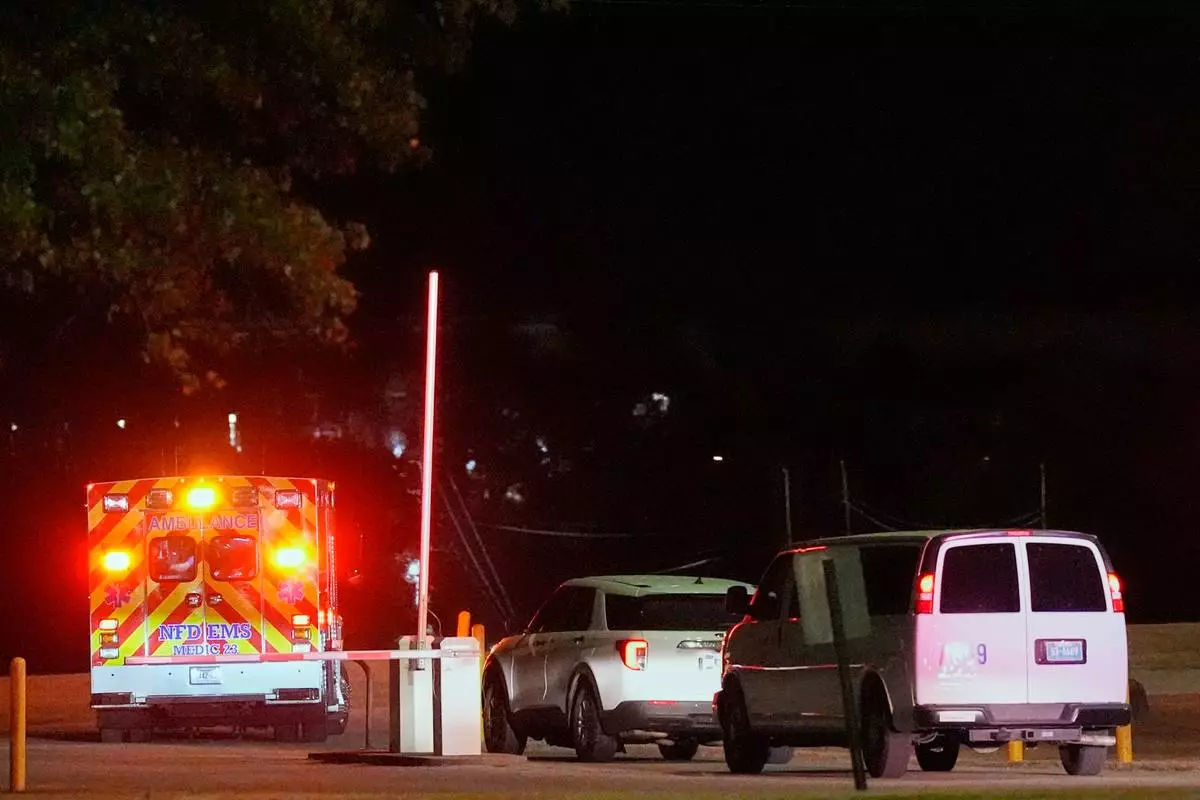
Emergency vehicles leave Riverbend Maximum Security Institution after the execution of Christa Pike was halted Wednesday, Sept. 30, 2026, in Nashville, Tenn. (AP Photo/George Walker IV)
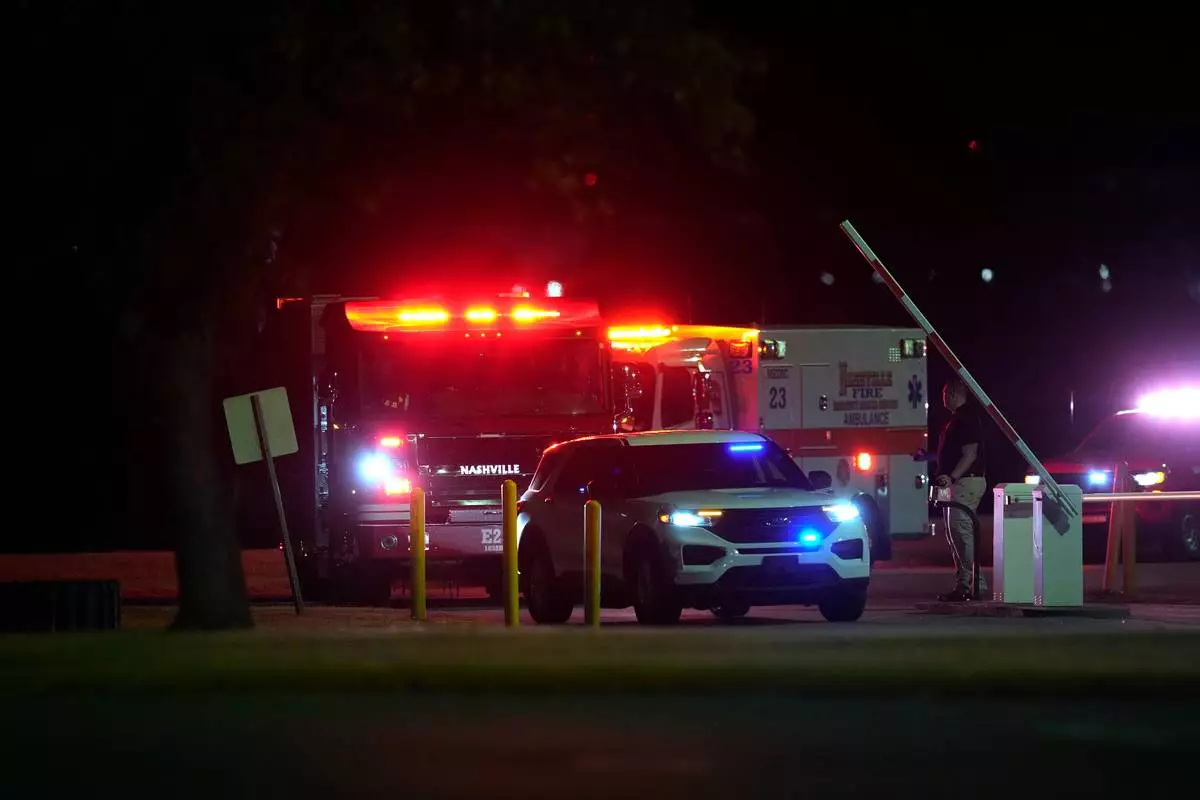
Emergency vehicles arrive at Riverbend Maximum Security Institution after the execution of Christa Pike was halted Wednesday, Sept. 30, 2026, in Nashville, Tenn. (AP Photo/George Walker IV)