PRISTINA, Kosovo--(BUSINESS WIRE)--Oct 13, 2026--
The Saudi Fund for Development (SFD) today joined the Government of Kosovo to inaugurate the Pristina–Mitrovica Highway, marking SFD’s first completed project in Kosovo and an important milestone in the partnership between both sides.
Click to Gallery
The upgraded Pristina–Mitrovica Highway in Kosovo, SFD’s first completed development project in Kosovo (Photo: AETOSWire)
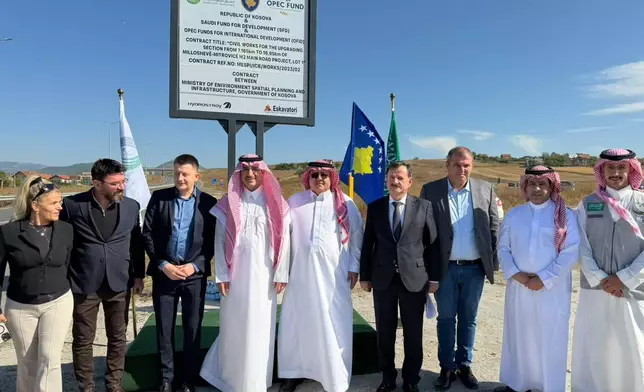
SFD delegation and Kosovar representatives at the newly completed section of the Pristina–Mitrovica Highway (Photo: AETOSWire)
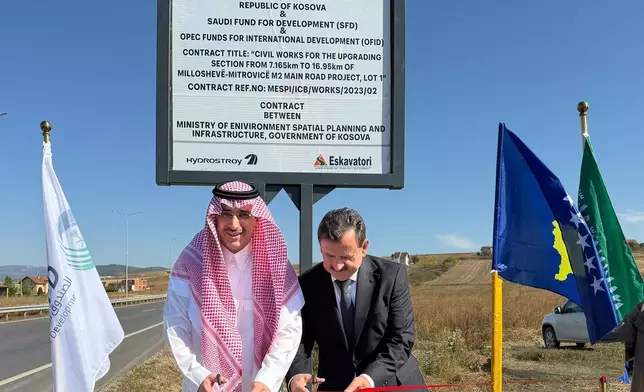
SFD CEO and Kosovo officials cutting ribbon for the upgraded Pristina–Mitrovica Highway. (Photo: AETOSWire)
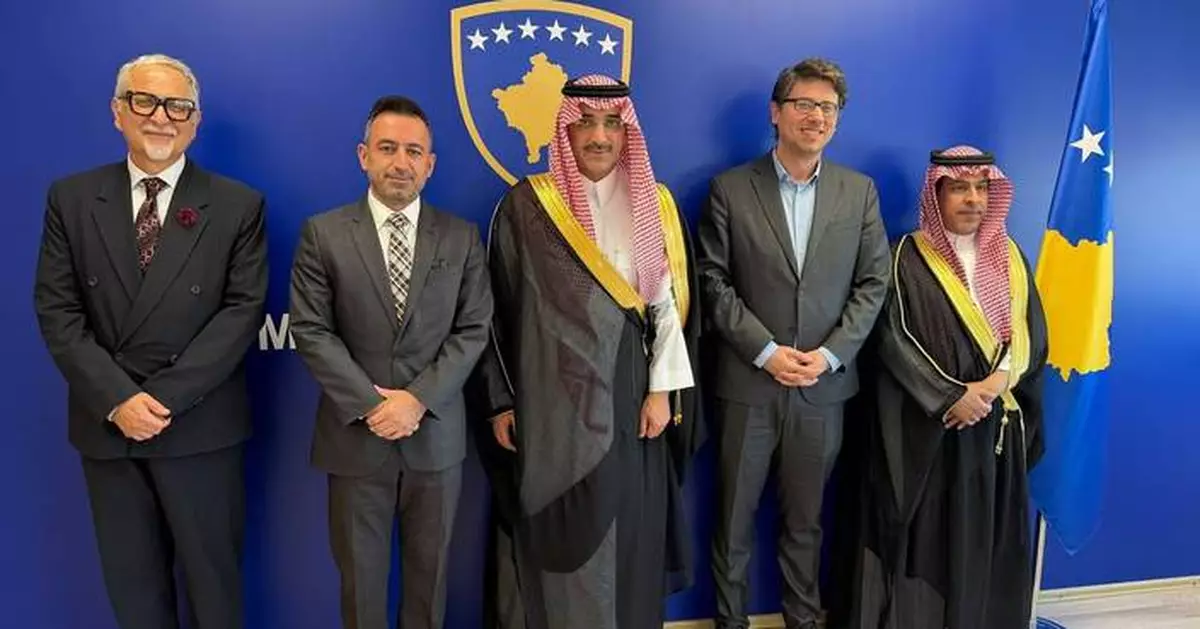
SFD CEO and Kosovar's minsters sideline meeting (Photo: AETOSWire)
This press release features multimedia. View the full release here: https://www.businesswire.com/news/home/20261013433726/en/
His Excellency Sultan bin Abdulrahman Al-Marshad, Chief Executive Officer of the Saudi Fund for Development, inaugurated the upgraded highway section by cutting the ribbon at the newly completed road. He subsequently held a sideline meetings with His Excellency Hekuran Murati, Minister of Finance, His Excellency Dimal Basha Minister of Infrastructure and Transport, and His Excellency Arben Vitia, Minister of Health, to discuss the development projects and the continued SFD- Kosovo partnership.
The project upgrades a 9.87 km section of the Prishtina–Mitrovica Highway, strengthening the connection between Prishtina, Kosovo's capital, and Mitrovica, and improving links with northern Kosovo and surrounding municipalities. It is expected to benefit approximately 600,000 inhabitants, particularly residents of Prishtina, Mitrovica and Vushtrri.
By improving regional connectivity, the project will reduce travel times and enhance road safety, providing a faster, safer and more efficient route for passengers and commercial traffic.
Beyond the infrastructure itself, the project will support people and communities along the corridor. Improved connectivity will facilitate the movement of people and goods, strengthen access to employment and essential services, and contribute to economic activity along this important transport corridor.
SFD supported the project through a USD 16 million concessional loan, co-financed with the OPEC Fund for International Development, demonstrating how international cooperation and strong partnerships can advance sustainable development and delivering long-term impact.
His Excellency Sultan bin Abdulrahman Al-Marshad, Chief Executive Officer of the Saudi Fund for Development, said: “The Prishtina–Mitrovica Highway represents an important milestone in SFD's partnership with Kosovo. Through our USD 16 million concessional loan, we are supporting improved regional connectivity and safer, more efficient journeys for approximately 600,000 inhabitants. The project will strengthen access to employment and essential services, facilitate the movement of people and goods, and support economic and social development. It demonstrates the value of our partnership with the Government of Kosovo in advancing sustainable development and delivering lasting benefits for communities.”
His Excellency Hekuran Murati, Minister of Finance, said: “The Pristina–Mitrovica Highway is an important project for our people and communities. It will make journeys safer, strengthen connectivity and support better access to jobs, education, healthcare and markets. We value the partnership with the Saudi Fund for Development and the OPEC Fund for International Development in helping us deliver this important project.”
For more than five decades, SFD has worked with global partners to support sustainable development and long-term economic and social progress. The Highway project reflects SFD's continued partnership with Kosovo and a shared commitment to improving connectivity and delivering meaningful, lasting benefits for people and communities.
*Source:AETOSWire
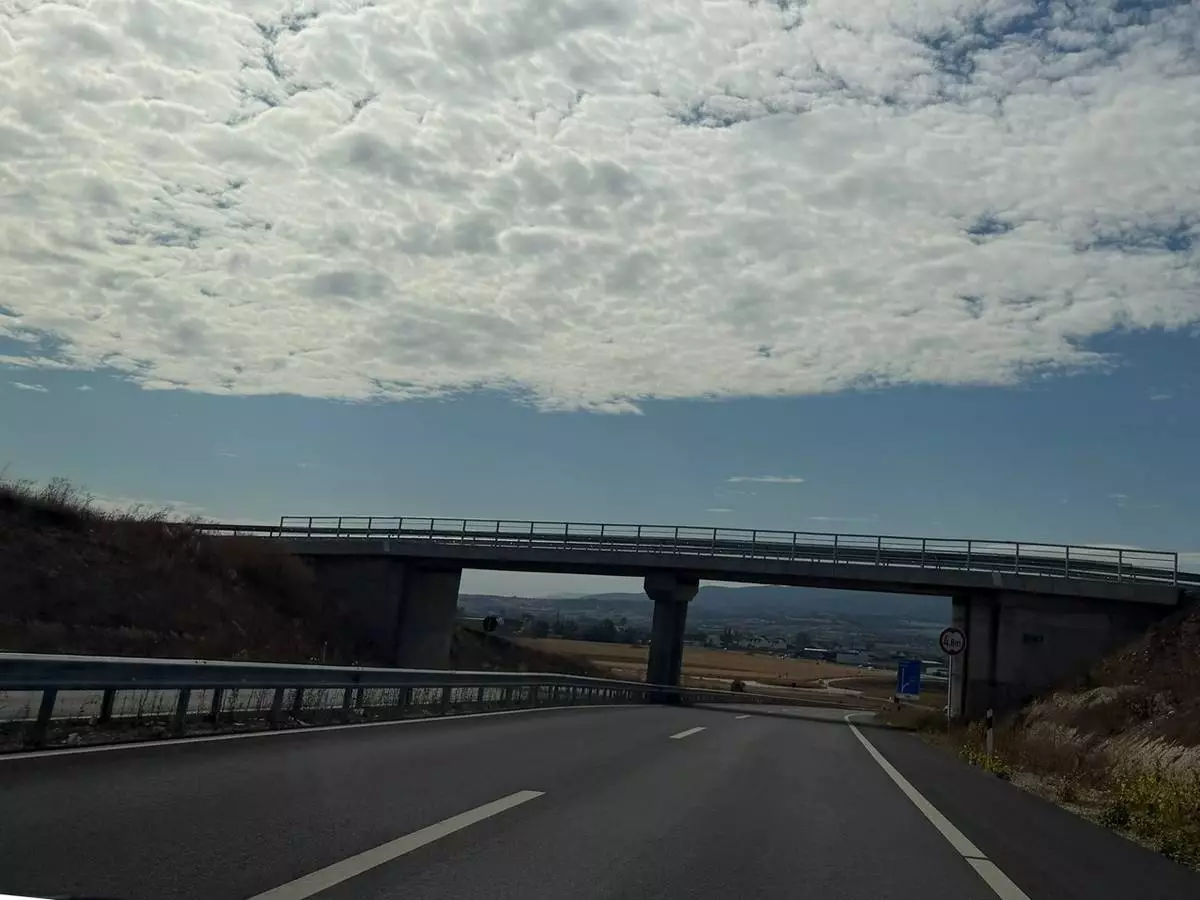
The upgraded Pristina–Mitrovica Highway in Kosovo, SFD’s first completed development project in Kosovo (Photo: AETOSWire)
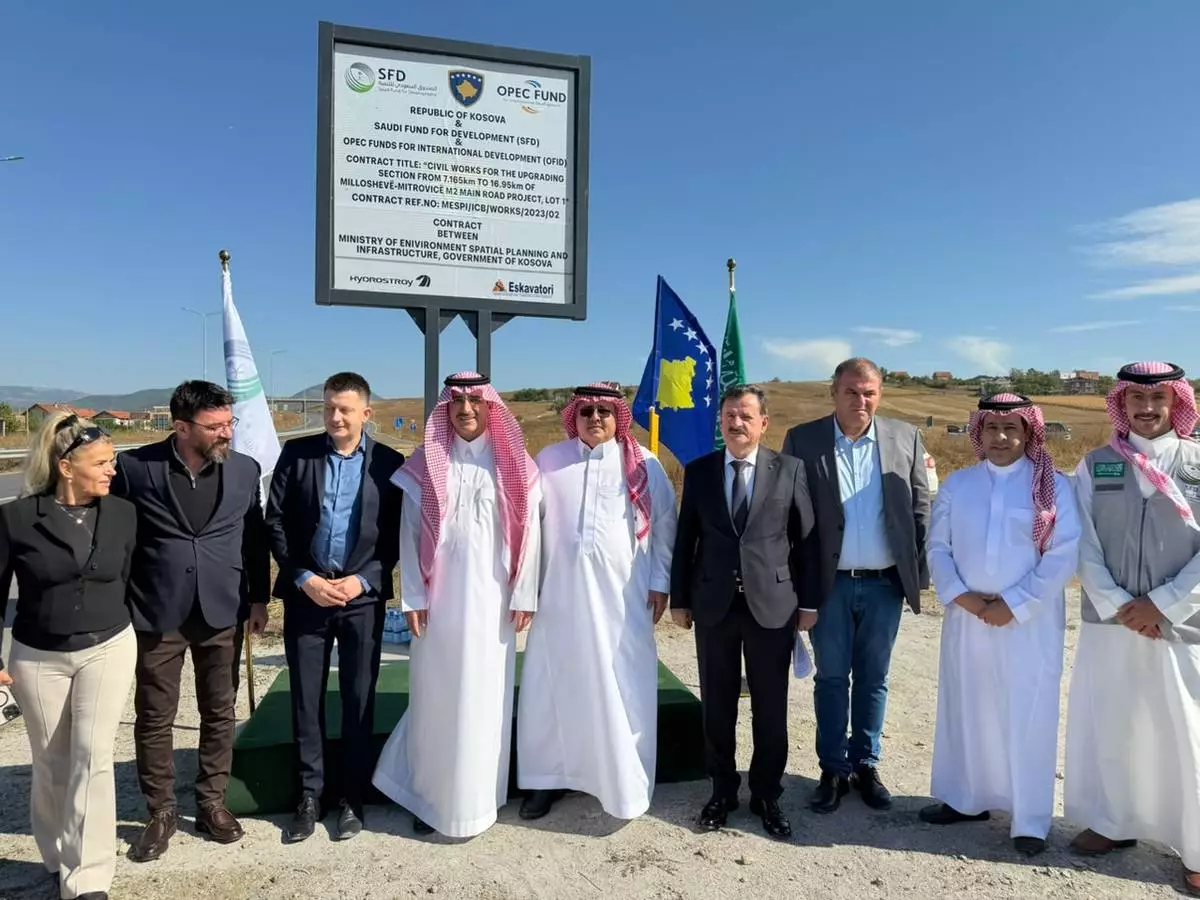
SFD delegation and Kosovar representatives at the newly completed section of the Pristina–Mitrovica Highway (Photo: AETOSWire)
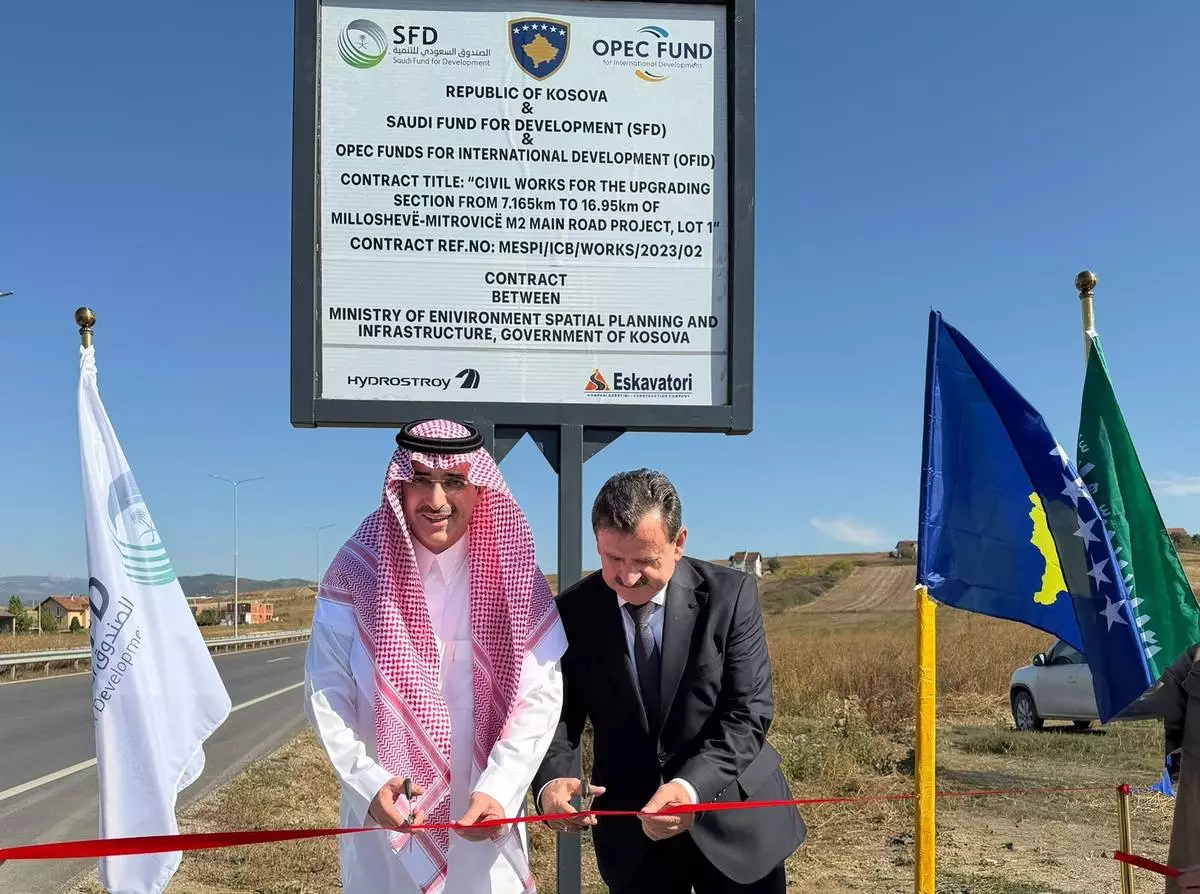
SFD CEO and Kosovo officials cutting ribbon for the upgraded Pristina–Mitrovica Highway. (Photo: AETOSWire)
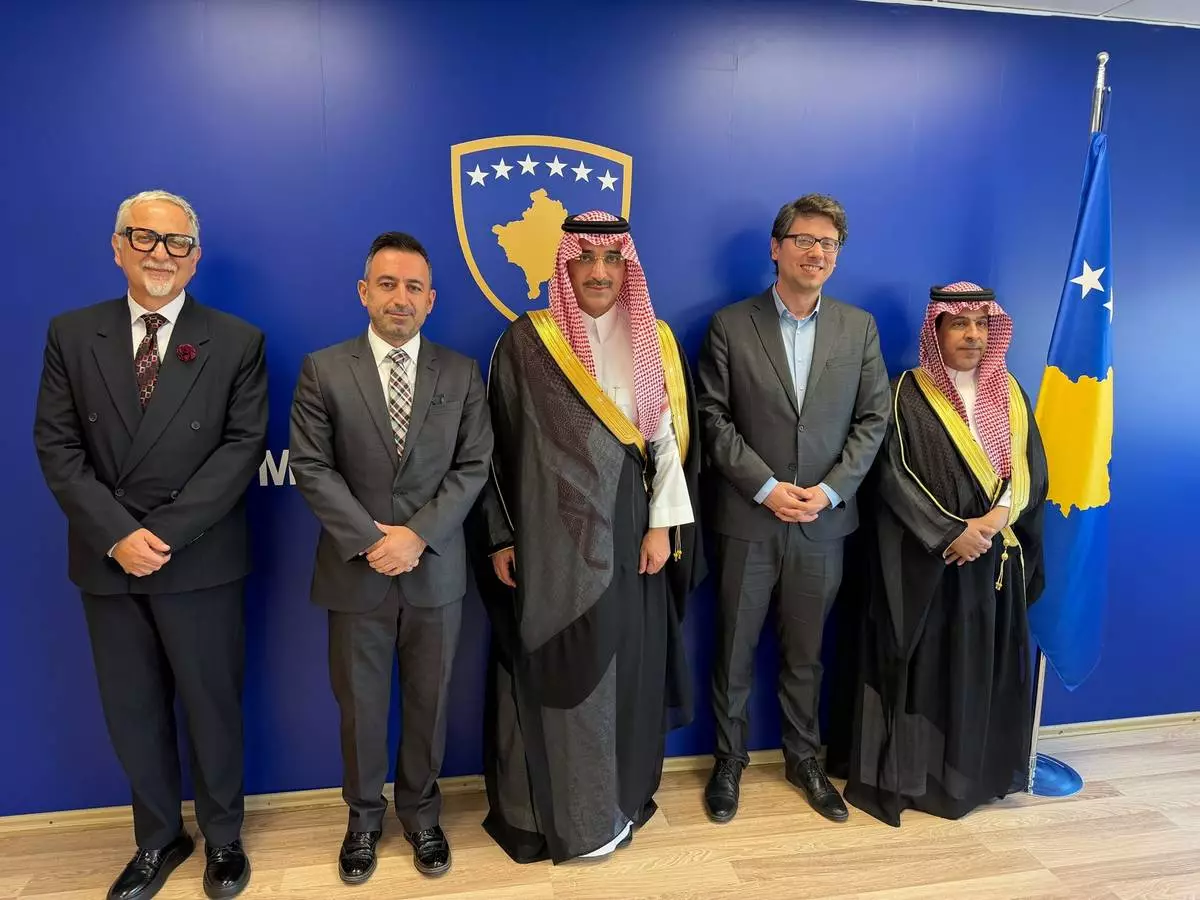
SFD CEO and Kosovar's minsters sideline meeting (Photo: AETOSWire)
CEUTA, Spain (AP) — King Felipe VI and Queen Letizia visited the Spanish city of Ceuta in North Africa on Tuesday in a show of solidarity with residents and the victims of a protracted migration crisis that has strained relations with Morocco.
The royal visit is taking place after about 80,000 migrants crossed Ceuta’s border in July. More than 140 people died in the attempt to reach European soil.
Most of those who crossed quickly returned, but thousands remain in the Mediterranean coastal city of 84,000 residents. The exact number is unknown, though the mayor has estimated that as many as 15,000 remain.
Their presence has fueled social tensions in Ceuta and become a political issue across Spain, where opposition parties hope to use migration concerns to unseat the progressive government in next month's elections.
The royal couple will travel on Wednesday to Melilla, Spain’s other North African exclave. The trip marks the first visit by a Spanish monarch to the two cities since Felipe’s father, Juan Carlos I, toured them in 2007.
Migrants from Morocco and sub-Saharan Africa regularly attempt to cross the border fences around Ceuta and Melilla, seeing the Spanish cities as gateways to mainland Europe.
During a recent visit to Ceuta, The Associated Press found many underage migrants still living on the streets.
Some migrants have also reported abuse. The Spanish government is investigating allegations detailed in an Amnesty International report of mistreatment and torture by Spanish soldiers. One migrant said soldiers beat him so badly he needed staples to close wounds to his head.
Residents, meanwhile, have felt abandoned by national authorities as the crisis remains visible on the city’s streets.
The official royal agenda says the king and queen want to “show the support of the Crown for Ceuta’s institutions and society.”
Large crowds gathered to greet the royals and shake their hands. As Felipe met residents, some broke into the familiar sports chant, “I am Spanish, Spanish, Spanish.” Church bells rang as people waved Spanish flags.
Felipe received the key to the city from Ceuta’s top elected official, Juan Jesús Vivas, who called for the expulsion of all migrants who remained after the mass crossing.
“Thank you for coming to boost our morale, to resist and to see the light at the end of the tunnel,” Vivas told the royals. “We are going through a difficult time, an invasion that caused the deaths of 141 people with the intention of putting our city on the brink.”
The royals will also visit a school in what their agenda describes as “a multicultural setting that respects different religions” and a cemetery to pay their respects to those who died attempting to cross the border on July 30 and 31. Dozens of unidentified migrants who died during the crossings were buried there. The couple will stay overnight in Ceuta.
The city has a history of religious coexistence, but the border crisis has strained relations between its Christian and Muslim communities.
Morocco does not recognize Spanish sovereignty over the two small territories, which have been under Spanish control for centuries. Diplomatic observers in Spain will be watching closely for Rabat’s response to Felipe’s visit.
While Spanish Prime Minister Pedro Sánchez has defended Morocco’s role in helping resolve the crisis, many in Spain have questioned whether Rabat could have done more to prevent the mass crossing.
A Spanish Defense Ministry intelligence report issued July 30, as thousands streamed across the border, described Moroccan forces as passive and negligent in their efforts to stop migrants.
“It cannot be ruled out that Morocco may attempt to exploit the situation that has arisen in Ceuta to further its strategic interests,” the report said.
Haizam Amirah-Fernández, director of the Madrid-based Center of Contemporary Arab Studies, is among the analysts who believe Morocco, even if not directly involved, was likely aware of the buildup of people spurred by social media to cross into Ceuta. He described the mass crossing as an “assault” on Spain’s sovereignty.
Against that backdrop, the royal visit signals that Spain is shedding its longstanding reluctance to send its monarchs to the exclaves, Amirah-Fernández said.
He called it an “anomaly” that Spanish monarchs regularly tour the mainland and islands but rarely visit the North African cities. He attributed that reluctance to concerns in Madrid that such visits would strain relations with the Moroccan monarchy.
“The message is clear to all parties, to the population of Ceuta, to the population of Spain, to the European Union, to the international community and to the southern neighbor, who allowed for this assault to happen,” Amirah-Fernández said.
Morocco's Foreign Ministry did not immediately respond to requests for comment about the royal visit to the Spanish exclaves.
Juan Carlos’ visit to Ceuta and Melilla in 2007 triggered a diplomatic crisis. Morocco recalled its ambassador to Spain, and Moroccans protested outside Spanish consulates and near the border. King Mohammed VI, Morocco’s highest authority and chief foreign policy decision-maker, condemned that visit as a “nostalgic act from a decidedly bygone era.”
Asked whether the Spanish government feared a similar response this time, spokeswoman Elma Saiz emphasized Spain’s good relations with Rabat.
“This is a historic trip, but it is happening within the absolute normality of the visit of Spain’s majesties to two Spanish cities,” Saiz said. “As you all know, the days of July 29 and 30 were days of extraordinary tension where the communication with Morocco was fluid and constant.”
Joseph Wilson reported from Barcelona, Spain. AP writers Suman Naishadham in Madrid and Akram Oubachir in Casablanca, Morocco, contributed.
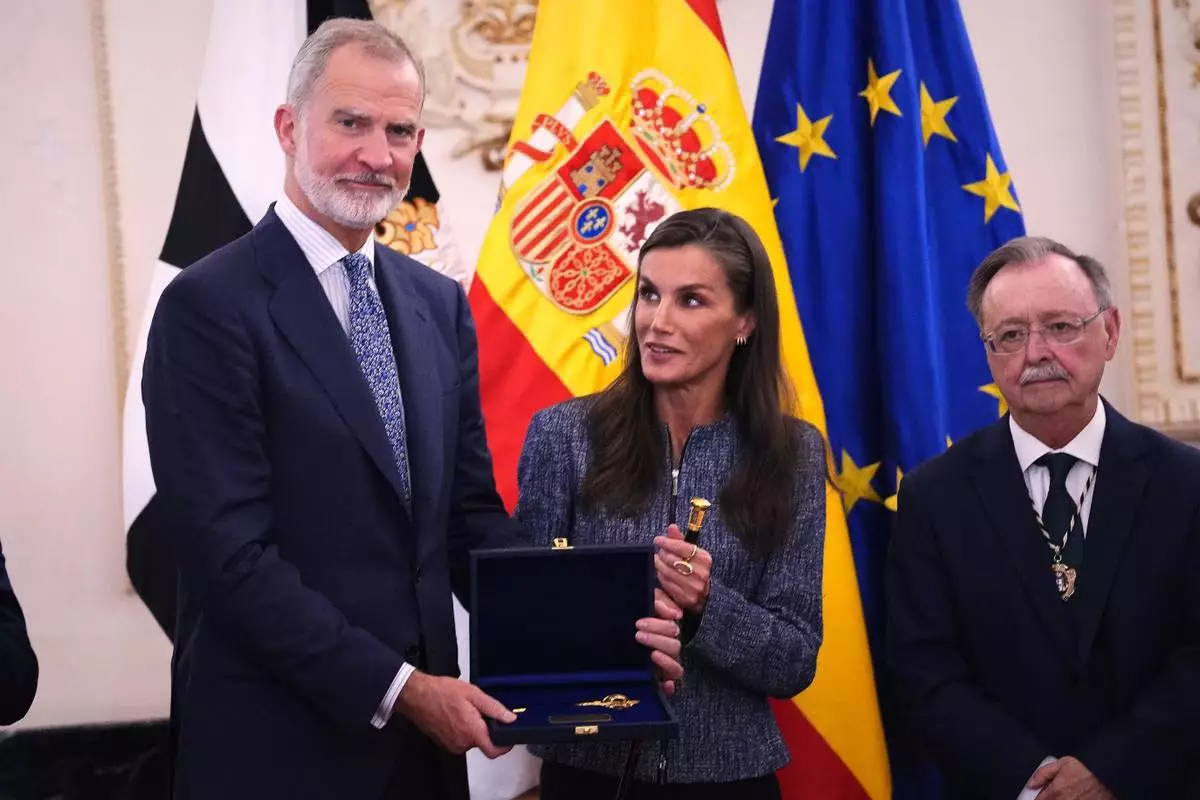
Spain's King Felipe VI and Queen Letizia are presented with the key to the city during their visit to the Spanish enclave of Ceuta, Tuesday, Oct. 13, 2026. (AP Photo/Manu Fernández)
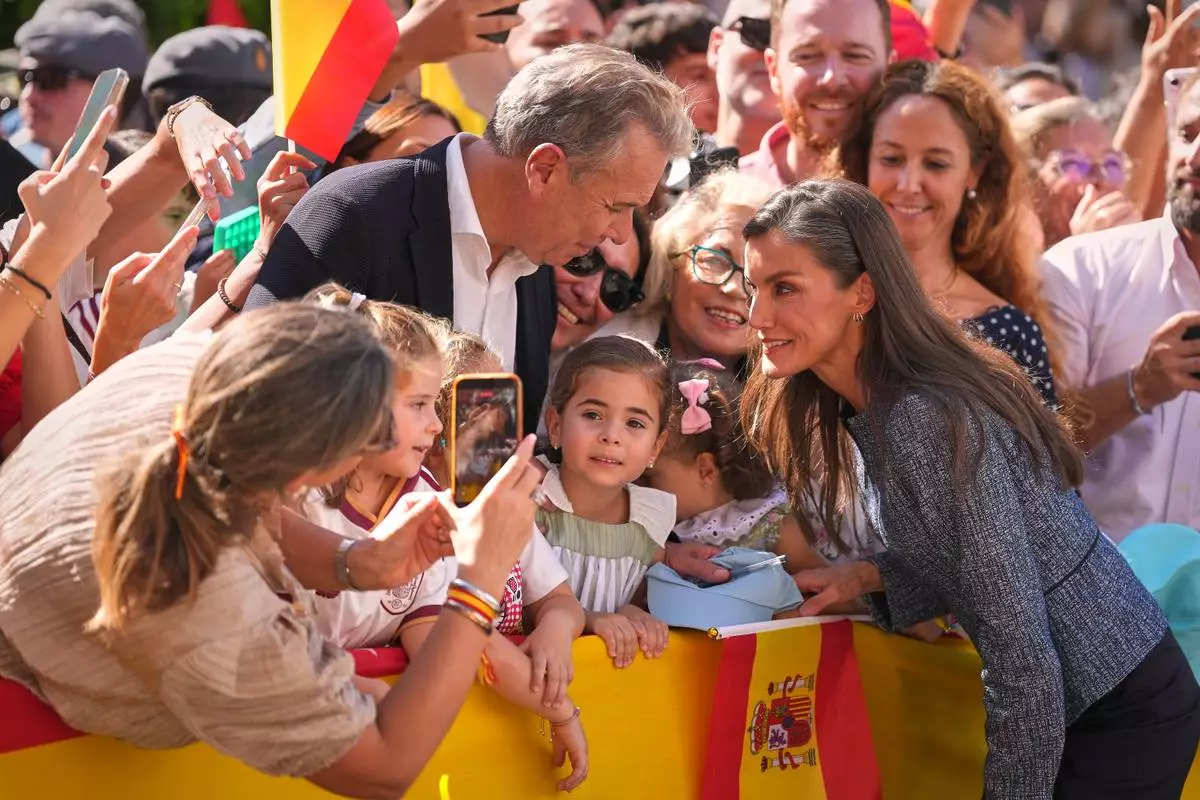
Spain's Queen Letizia greets the crowd during her visit to the Spanish enclave of Ceuta, Tuesday, Oct. 13, 2026. (AP Photo/Manu Fernández)
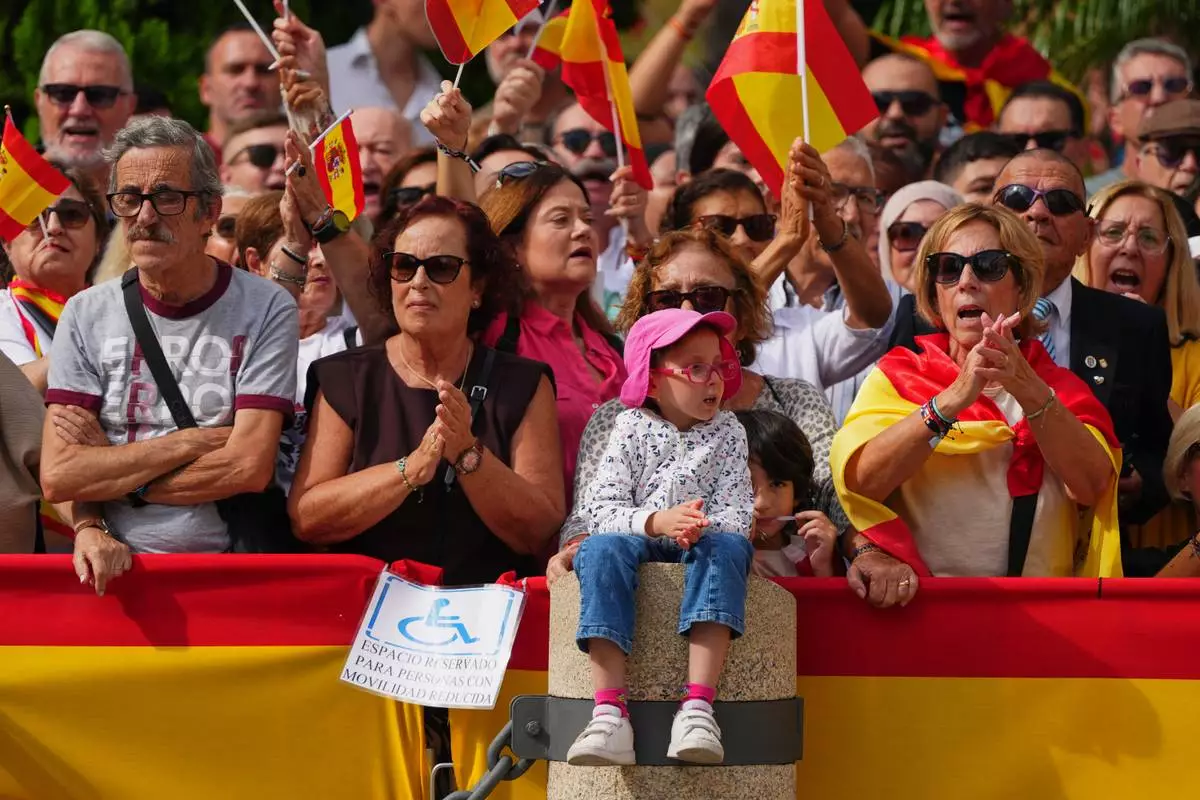
People wait for the arrival of Spain's King Felipe VI and Queen Letizia during their visit to the Spanish enclave of Ceuta, Tuesday, Oct. 13, 2026. (AP Photo/Manu Fernández)
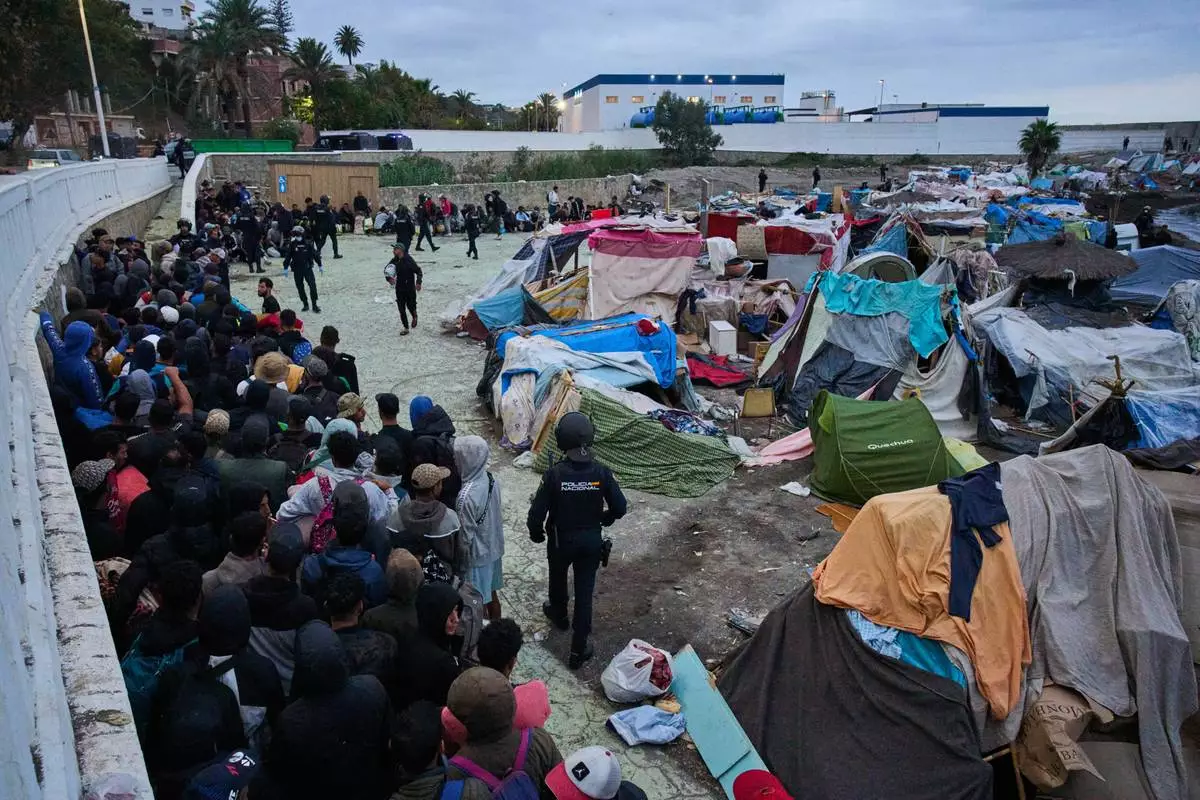
Spanish National Police officers evict migrants from a makeshift camp on Benitez Beach in the Spanish enclave of Ceuta, Tuesday, Sept. 29, 2026. (AP Photo/Bernat Armangue)
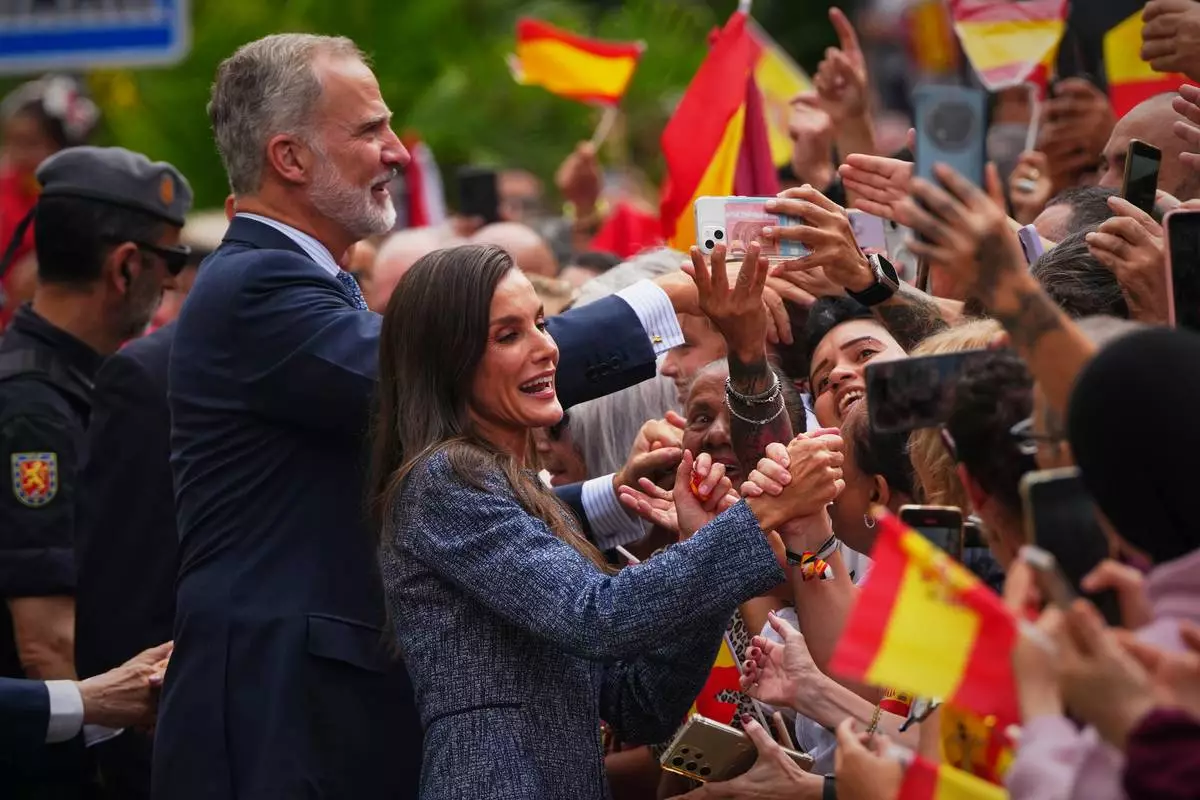
Spain's King Felipe VI and Queen Letizia greet the crowd during their visit to the Spanish enclave of Ceuta, Tuesday, Oct. 13, 2026. (AP Photo/Manu Fernández)
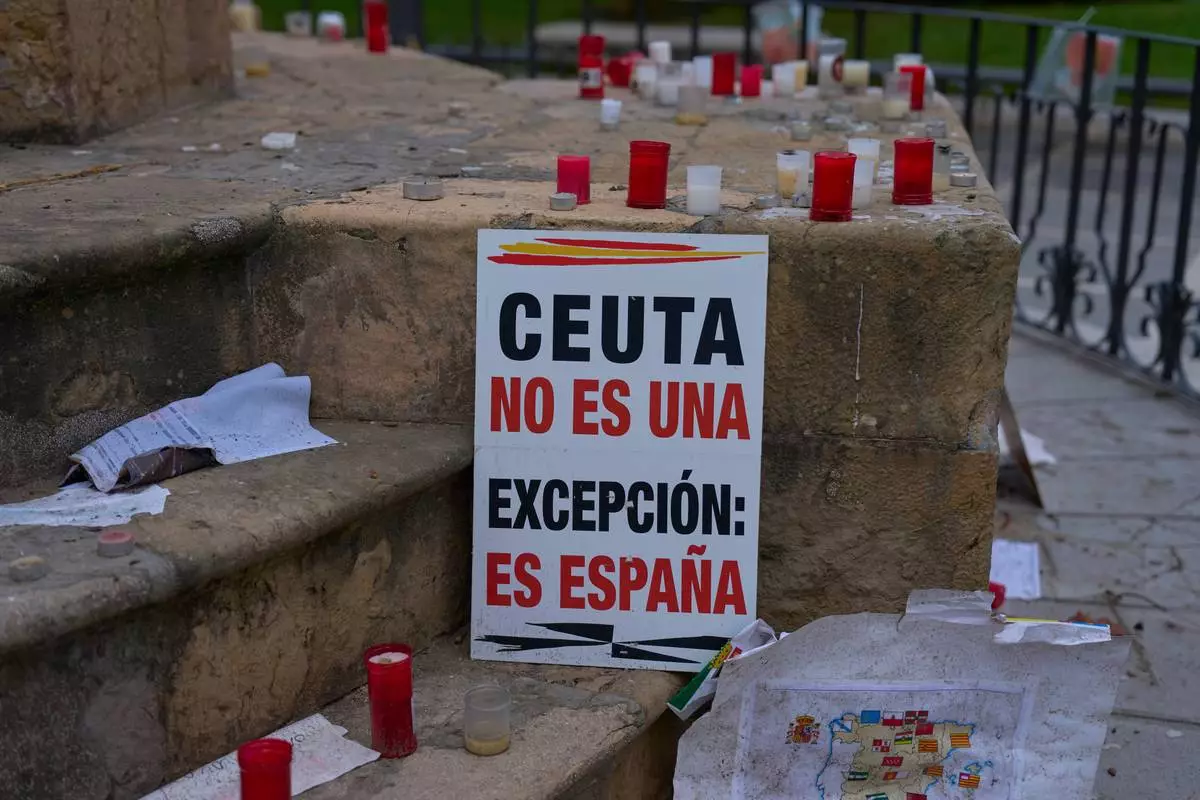
A banner in Spanish reads, "Ceuta is not an exception, it is Spain" hangs next to Ceuta City Hall in the Spanish enclave of Ceuta on Tuesday Oct. 13, 2026, ahead of the visit by Spain's King Felipe VI and Queen Letizia. (AP Photo/Manu Fernandez)
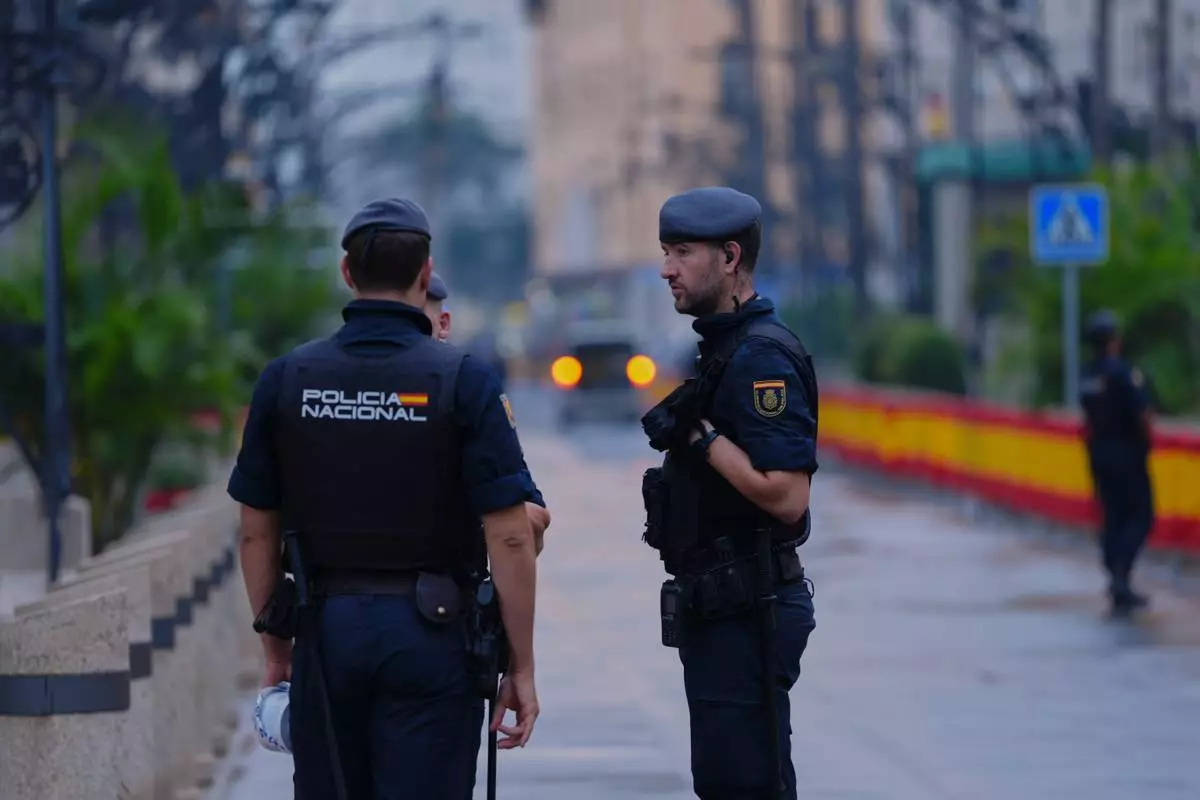
Spanish National Police officers stand in front of Ceuta City Hall in the Spanish enclave of Ceuta on Tuesday Oct. 13, 2026, ahead of the visit by Spain's King Felipe VI and Queen Letizia. (AP Photo/Manu Fernandez)
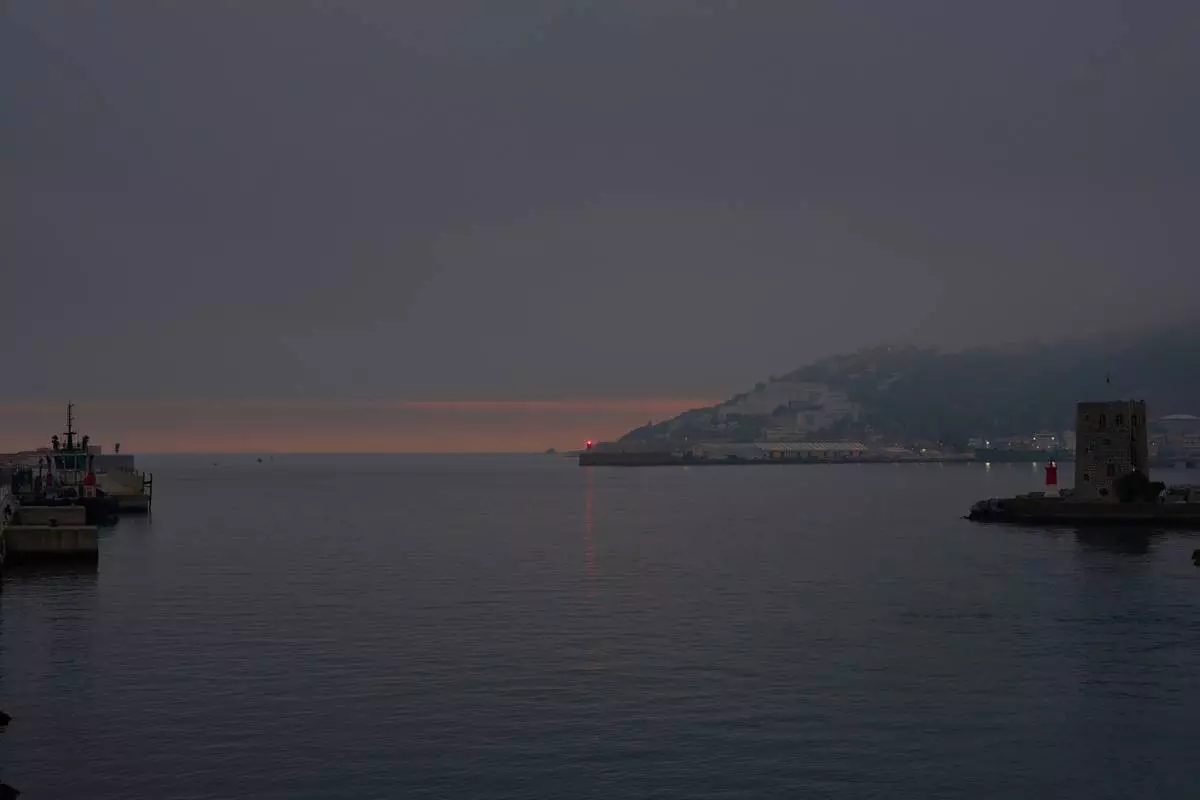
A view of the Mediterranean Sea at the entrance to the port of Ceuta in the Spanish enclave of Ceuta on Tuesday Oct. 13, 2026, ahead of the visit by Spain's King Felipe VI and Queen Letizia. (AP Photo/Manu Fernandez)