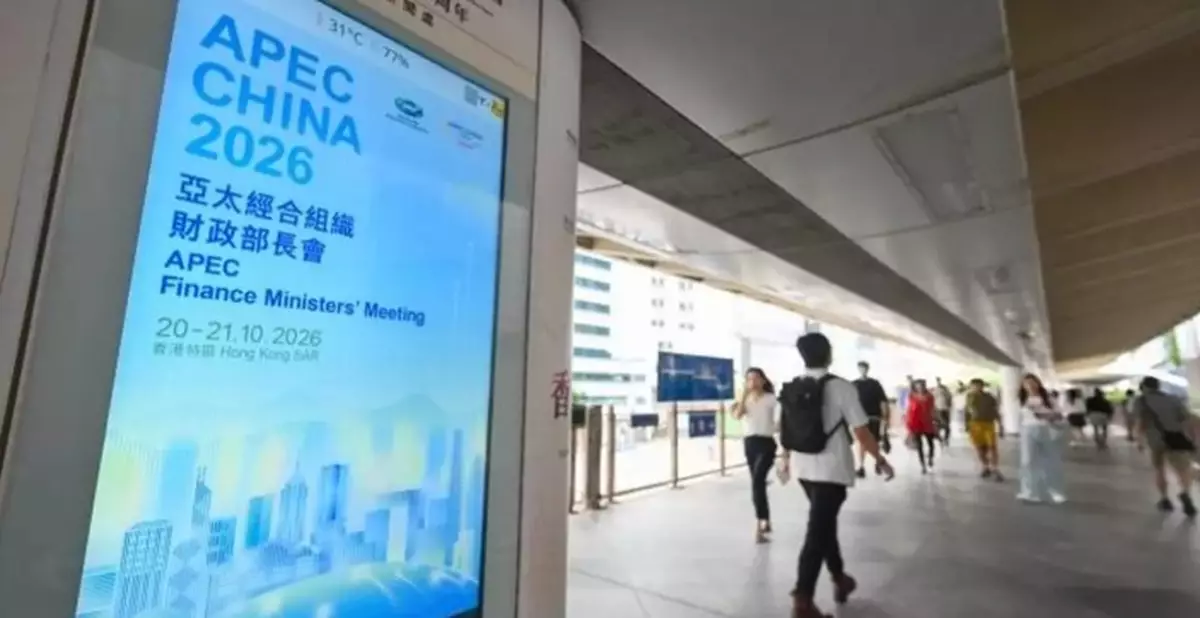
The Asia-Pacific Economic Cooperation (APEC) Finance Ministers' Meeting (FMM) will be held in Hong Kong next Tuesday and Wednesday. The Ministry of Finance (MOF) noted that this year marks China's third time hosting APEC and comes 12 years after the last occasion. China has set "Building an Asia-Pacific Community to Prosper Together" as the theme of its APEC host year, and will advance the year's agenda across three priority areas: openness, innovation and cooperation.
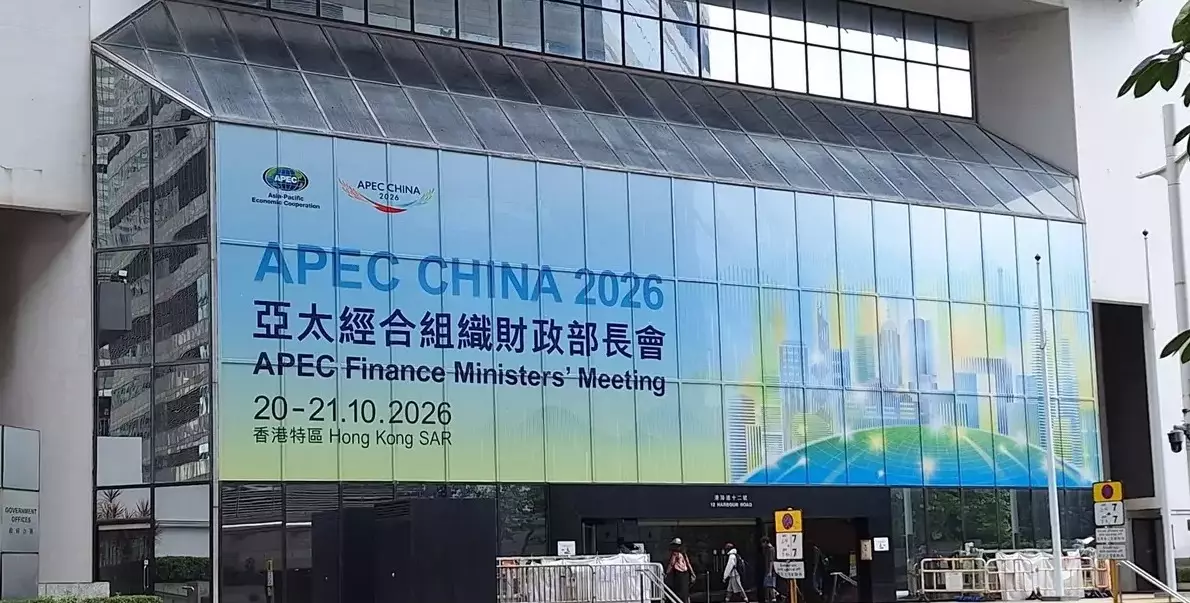
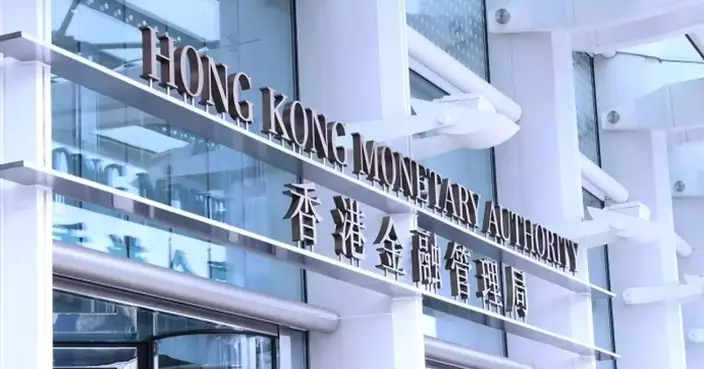
The upcoming APEC Finance Ministers' Meeting in Hong Kong. Photo source: reference image
For the FMM in Hong Kong, the MOF has identified four key agenda items for the finance ministers' process: fiscal policy supporting households, digital infrastructure financing, inclusive finance adapted to local conditions, and promoting exchanges and cooperation among young financial talents from APEC economies.
The MOF noted the FMM, as one of the most core specialised ministerial meetings under the APEC mechanism, has long served as a key platform for Asia-Pacific economies to deepen macroeconomic policy communication and financial cooperation. The meeting will also build up substantial financial outcomes ahead of the APEC Economic Leaders' Meeting to be held in Shenzhen in November. China stands ready to work with APEC economies to continue upholding multilateralism, further strengthen macroeconomic policy communication and coordination, safeguard the stability and smooth operation of regional industrial and supply chains, and jointly promote long-term sustainable growth of the Asia-Pacific economy, contributing to the building of an Asia-Pacific community.
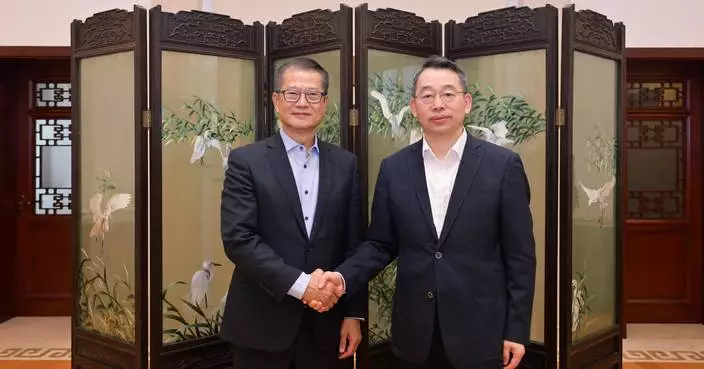
The upcoming APEC Finance Ministers' Meeting in Hong Kong. Photo source: reference image
During the upcoming FMM, representatives from various economies will engage in in-depth exchanges and build consensus around core agenda items, with a series of outcomes and documents expected. These include issuing a finance ministers' statement, publishing a research report on fiscal policy supporting households in the Asia-Pacific, formulating a policy statement on digital infrastructure financing, compiling a compendium on financial access and opportunity for all, and continuing to advance exchanges and cooperation among young financial talents. It is hoped that these substantive outcomes will summarise useful experiences from all parties, deepen policy discussions and experience sharing, and provide solid support for strengthening financial cooperation and driving economic growth in the Asia-Pacific region in the future.