Across Syria, families are turning to firewood to get through the coming winter, after a sharp fuel price increase by the interim government in mid-September pushed diesel further beyond household budgets already stretched to the limit.
On Sept. 13, the government raised diesel prices by 40 percent and gasoline by 28 percent. The move lands on an economy shattered by years of war, in a country where nine in 10 people already live below the poverty line.
As temperatures begin to fall, many Syrians are setting aside branches and scrap timber for the cold months, unable to count on the fuel that normally keeps their homes warm. Among them is Yousef Watfi, a construction worker in Damascus whose wages no longer cover the cost of diesel, leaving him to spend his days searching for anything that can feed a stove.
"I work as a builder. Currently I am collecting wood as much as I can find. The diesel price is too high, it is 17,500 Syrian lira and I can't afford it for this season. My children are in school, so when winter comes, they can find wood to burn and get some heating and that is why I am collecting it," said Watfi.
The interim government has defended the increases as a temporary but necessary step forced by higher global fuel costs, an argument that has done little to ease public frustration, with demonstrations breaking out in several parts of the country.
Economists warn that households have little room to absorb the shock, as energy and transportation rank among the most essential expenses.
"There is no sensible correlation between the income an individual earns in Syria and the prices they're paying, especially for fuel. The latest decision to raise the price of the petroleum products is not an isolated expense in Syrians' daily life costs as those products are embedded in transportation, electricity generation, agriculture and food distribution so any increase spreads through the skyrocketing cost of living in a country where 90 percent of the population lives below the poverty line," said economist Fadel Abboud.
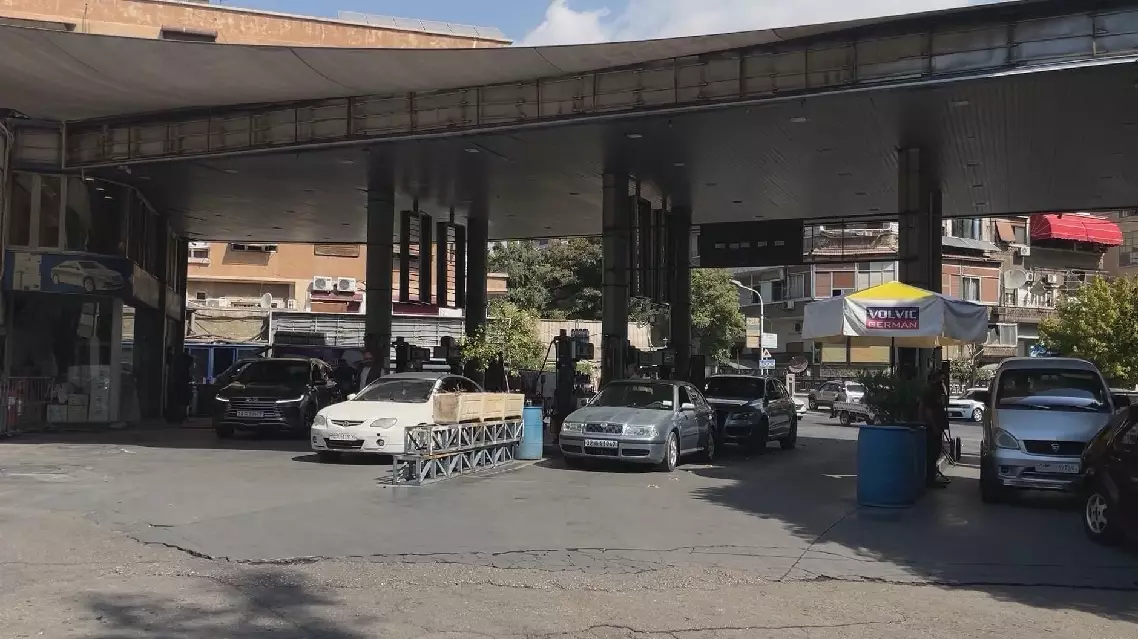
Soaring fuel prices leave Syrians bracing for harsh winter