Skip to Content Facebook Feature Image

Black Panther Party stalwarts to celebrate 1966 founding in Oakland, programs that aided the poor

News

Black Panther Party stalwarts to celebrate 1966 founding in Oakland, programs that aided the poor
News

News

Black Panther Party stalwarts to celebrate 1966 founding in Oakland, programs that aided the poor

2026-10-15 12:07 Last Updated At:12:21

The legacy of the Black Panther Party lives on six decades after its founding, in the work of a Seattle medical center started to address systemic health disparities in the African American community, particularly among Black children.

Originally known as the Sidney Miller Free Medical Clinic in 1969, it put into practice the national Black Panther Party’s Ten-Point Program to uplift African Americans as the Black Power movement gained momentum. Now, as the Carolyn Downs Family Medical Center, it, along with the affiliated Country Doctor Community Clinic, sees tens of thousands of patients in a year.

More Images
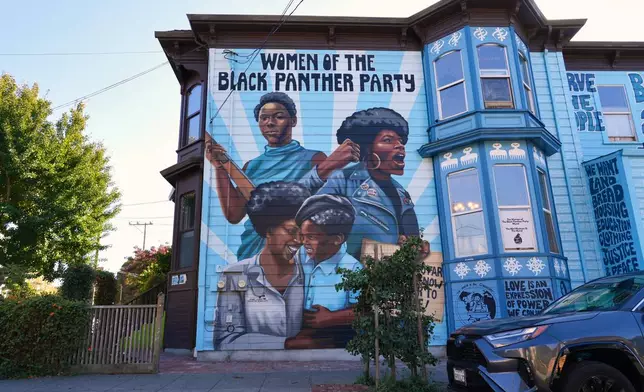
A mural commemorating the women of the Black Panther Party is painted on the side of a house in Oakland, Calif., on Tuesday, Oct. 13, 2026. (AP Photo/Terry Chea)
A mural commemorating the women of the Black Panther Party is painted on the side of a house in Oakland, Calif., on Tuesday, Oct. 13, 2026. (AP Photo/Terry Chea)

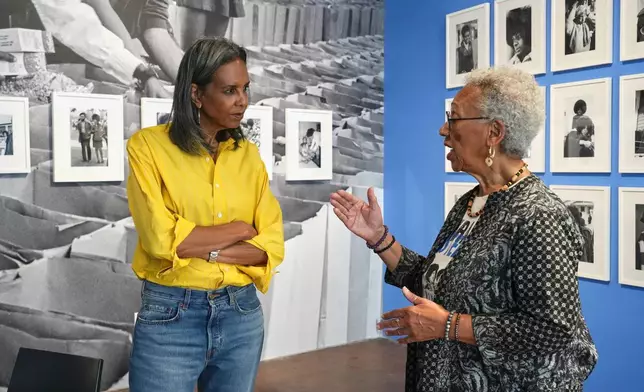
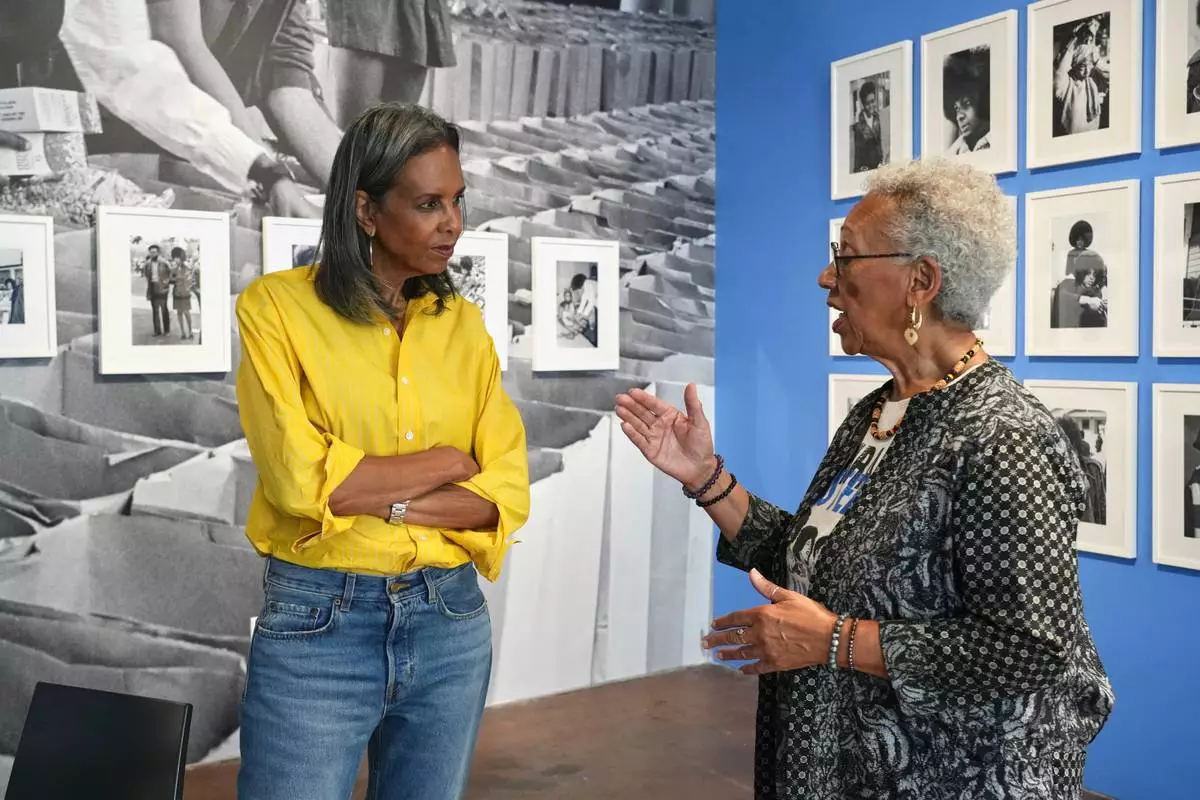
Fredrika Newton and Gayle "Asali" Dickson, former members of the Black Panther Party, talk at the Black Panther Party Museum in Oakland, Calif., on Tuesday, Oct. 13, 2026. (AP Photo/Terry Chea)
Fredrika Newton and Gayle "Asali" Dickson, former members of the Black Panther Party, talk at the Black Panther Party Museum in Oakland, Calif., on Tuesday, Oct. 13, 2026. (AP Photo/Terry Chea)

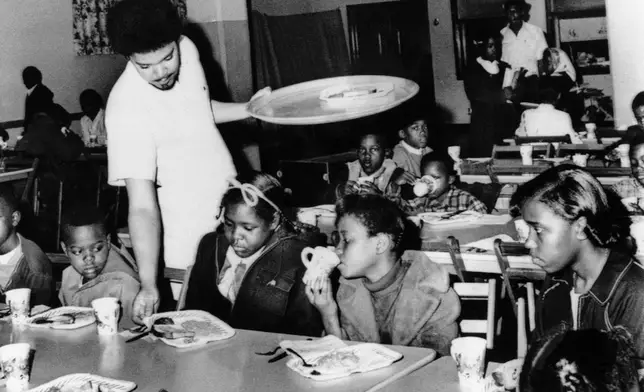
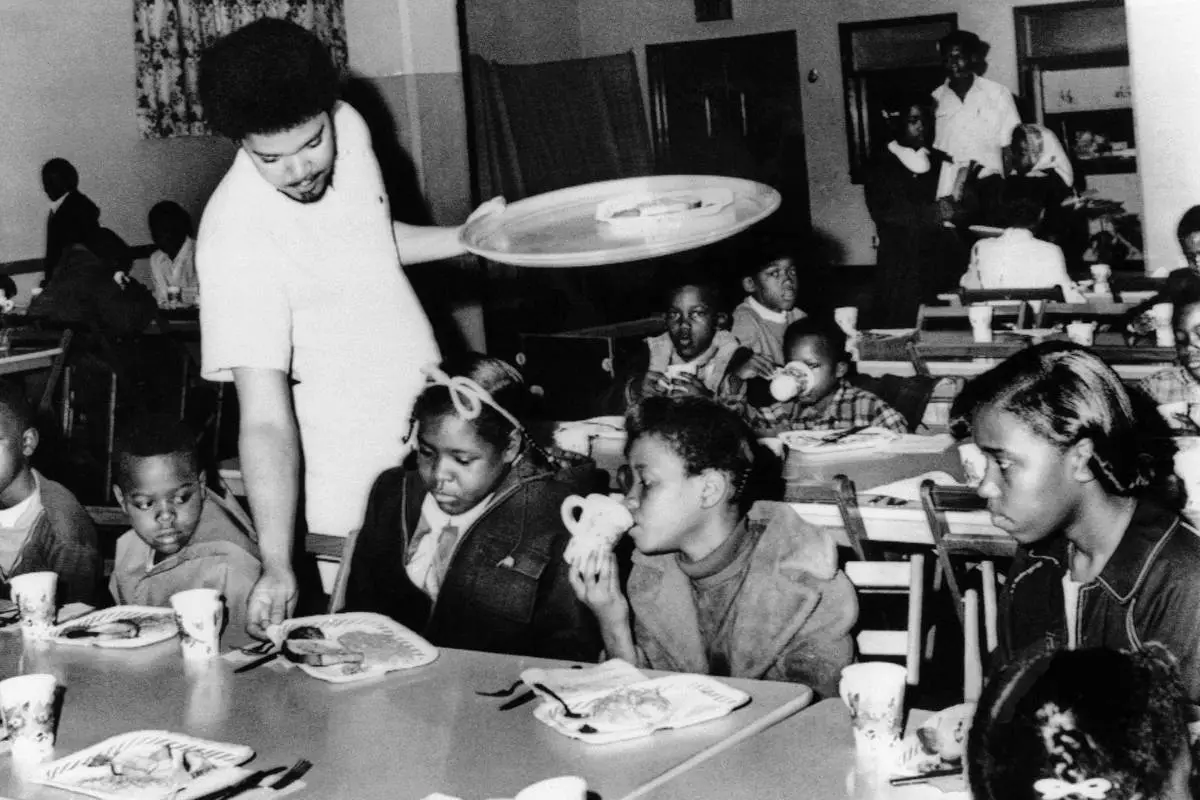
FILE - Bill Whitfield, a member of the Black Panther chapter in Kansas City, serves free breakfast to children on April 16, 1969, before they go to school. (AP Photo/William Straeter, File)
FILE - Bill Whitfield, a member of the Black Panther chapter in Kansas City, serves free breakfast to children on April 16, 1969, before they go to school. (AP Photo/William Straeter, File)

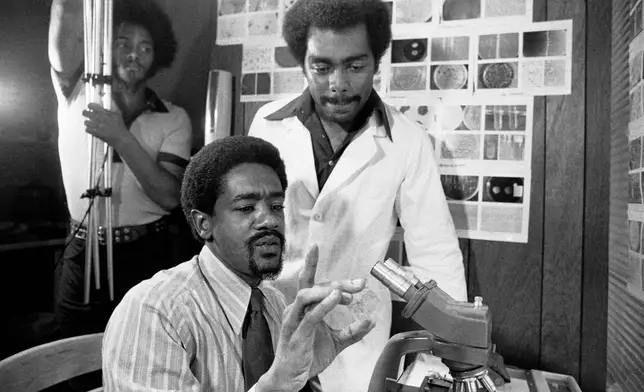
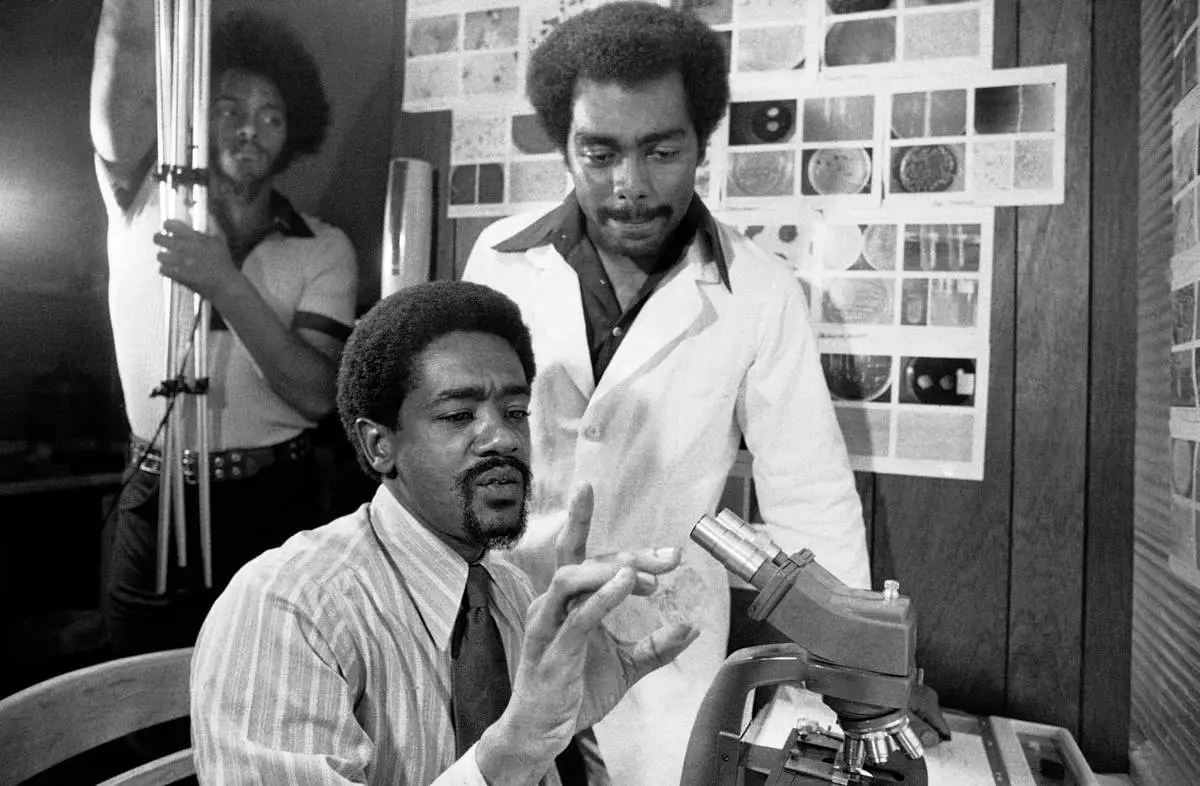
FILE - Bobby Seale, seated, is seen at the Black free health clinic on Sept. 8, 1972, in Berkeley, Calif. (AP Photo, File)
FILE - Bobby Seale, seated, is seen at the Black free health clinic on Sept. 8, 1972, in Berkeley, Calif. (AP Photo, File)

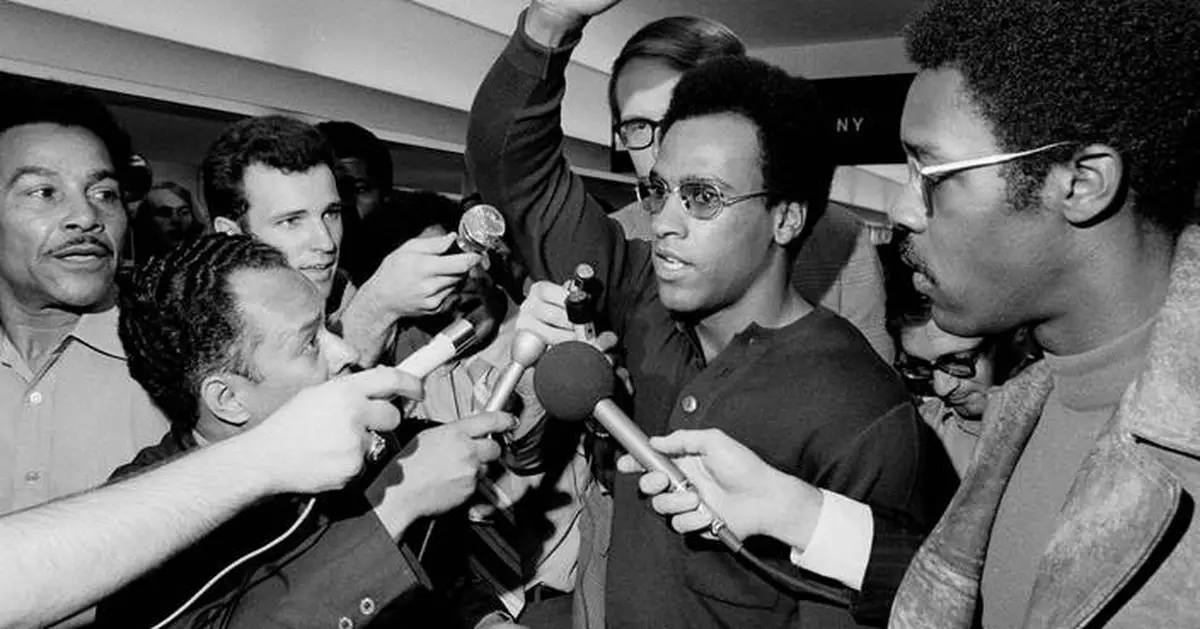
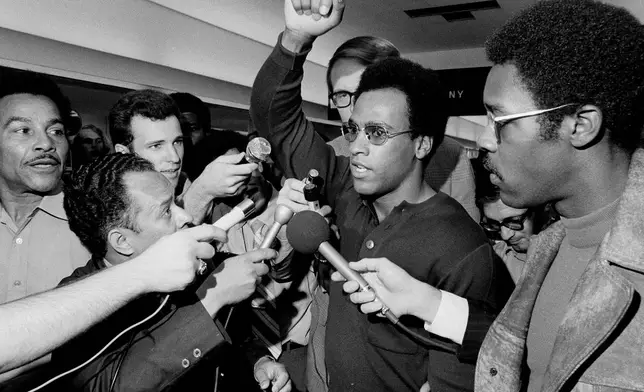
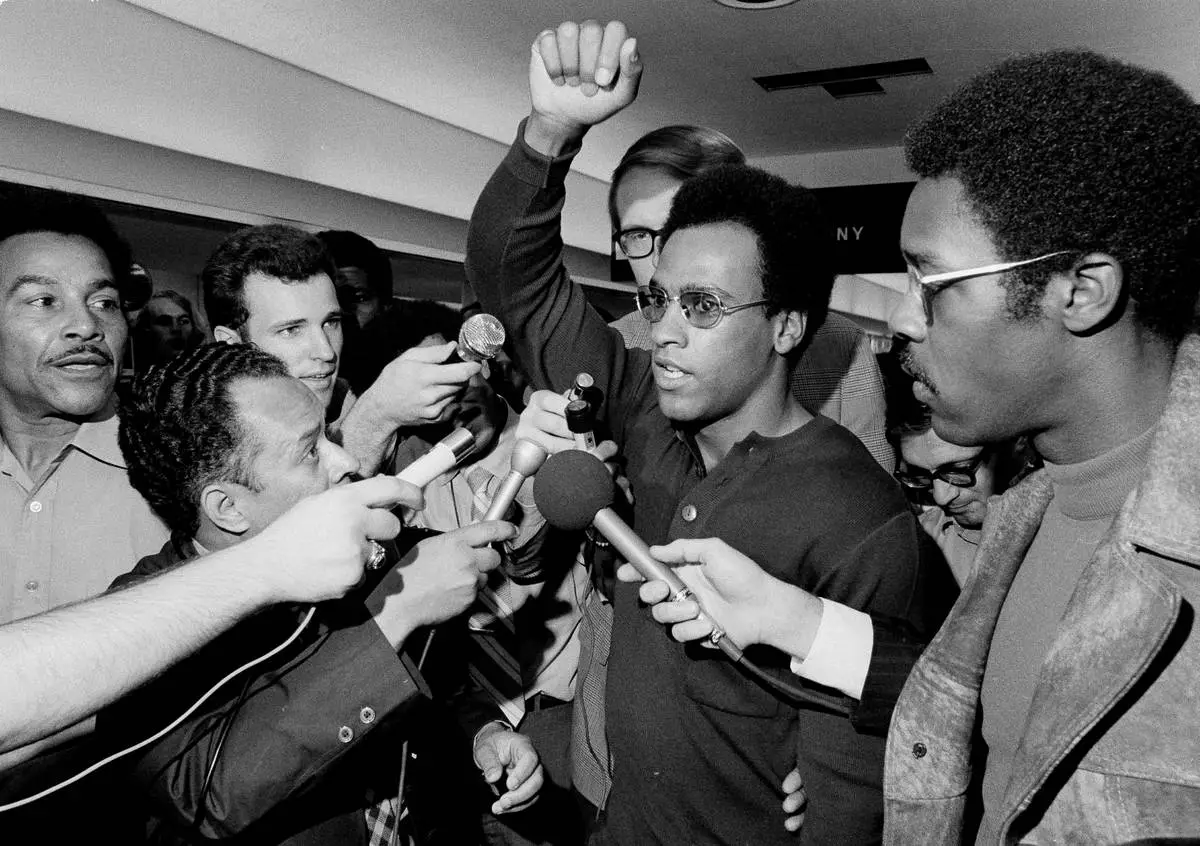
FILE - Huey Newton, Black Panther Party minister of defense, raises his arm as he is surrounded by the press at Philadelphia's International Airport, Sept. 4, 1970, upon his arrival for a convention in Philadelphia. (AP Photo/Rusty Kennedy, File)

FILE - Huey Newton, Black Panther Party minister of defense, raises his arm as he is surrounded by the press at Philadelphia's International Airport, Sept. 4, 1970, upon his arrival for a convention in Philadelphia. (AP Photo/Rusty Kennedy, File)

As the celebration begins Thursday for the Black Panther Party's Oct. 15, 1966, founding in Oakland, California, former members are looking beyond the iconic black leather jackets, berets and clenched fists to highlight programs aimed at healing disenfranchised and forgotten communities.

From free medical clinics and pushing nationally for sickle cell anemia testing to providing free breakfasts for children and community schools promoting education and literacy, the Black Panthers understood what was needed during the racially turbulent 1960s, said Fredrika Newton, widow of co-founder Huey P. Newton.

“We sought to meet the basic needs of the Black community, not only the Black, but all oppressed communities,” she told The Associated Press Tuesday. “Children were going to school hungry. People couldn’t get medical care. People were sleeping in the streets, just like today.”

A planned four-day conference this weekend in downtown Oakland includes a gala. Surviving original members and other Black Panther Party veterans are expected to attend.

Co-founders Huey P. Newton and Bobby Seale were students at Merritt College in Oakland, where they formed the Panthers during the Civil Rights Movement. Both became active in Bay Area politics during the mid-1960s and believed the Civil Rights movement may have addressed the plight of Blacks in Southern states, but it failed to bring about any real change in the U.S. West and North.

With Newton as minister of defense and Seale as the group's chair, the Black Panther Party for Self-Defense advocated for political and economic empowerment and initiatives to improve life for the city's Black residents in addition to standing up to what they saw as racist and heavy-handed policing in the Black community.

“We knew that Black people were getting brutalized by the police," said Fredrika Newton, who joined the Black Panther Party in 1971 after meeting Huey P. Newton. "We wanted to make sure that they were getting educated and taught how to protect themselves.”

Confrontations with law enforcement — broadcast to households across the country — galvanized Black support for the organization but also worried many white people. Seale, declaring that the Second Amendment right to bear arms also applied to Blacks, led a small group of armed Panthers in 1967 into the California state legislature.

The Black Panther Party was targeted by the FBI, which put its leaders and members under surveillance and operated a yearslong disruption and discrediting campaign.

John “Bunchy” Crear was caught up in the maelstrom of race and politics sweeping across California in the late 1960s and early 1970s. Crear, along with some friends, began attending Black Panther political education classes in 1970. He joined at age 19.

“I was at home in my bedroom listening to my music when my mother comes in and says two white gentlemen from the FBI were in the living room wanting to talk to me,” recalled Crear, 74, who lives in Houston. “I walked in and there were the men in black. They asked if I was a member of the Black Panther Party, then pulled a book out with photos asking if I knew this person, if I knew that person.”

“'Well, John, if you stay in school and get you a good job, you’ll never hear from us again,'” Crear said the men told him before leaving.

The Black Panther Party purchased buildings and homes that served as safe houses and centers for their community survival programs, which mostly addressed food insecurity, lack of healthcare, unequal education and other issues in Black communities.

Chapters were started in about 70 other cities. The chapter in Seattle started one of the 13 original Black Panther Party-founded healthcare clinics across the country and is the only one still in operation.

“Thinking especially about Black folks in the 1960s and 70s, it was impossible to try to address one need and not all because they were vulnerable and under threat in so many areas,” said Brandy Taylor, chief executive of the Carolyn Downs Family Medical Center and Country Doctor Community Clinic.

“It wasn’t just about medical care. It was about free speech, social services, food security and knowing your rights. There were so many doors closed that you couldn’t survive without addressing them all," she said.

The Black Panther Party folded in 1982 after years of police surveillance, as well as dwindling national membership, infighting, allegations of embezzlement and scandals in which Huey P. Newton was implicated and criminally charged.

Newton’s addictions to alcohol and drugs overtook him. He was murdered in Oakland, California, in 1989 by a drug dealer.

In 2021, a bronze bust of Huey P. Newton was unveiled in Oakland.

However, some see similarities in why the Black Panthers were started with the emergence of the Black Lives Matter movement following the 2013 acquittal of the man who killed Trayvon Martin, a Black teenager in Sanford, Florida.

“We want to let young people know exactly what we did and what could be done,” said Fredrika Newton, who also is president and co-founder of the Huey P. Newton Foundation.

“This is not a blueprint for what they can do now, but they can certainly see what we did, take what we did, apply them to the conditions today and organize," she said. "Organize around the needs that exist today.”

Williams is a Detroit-based member of AP's Race & Ethnicity team.
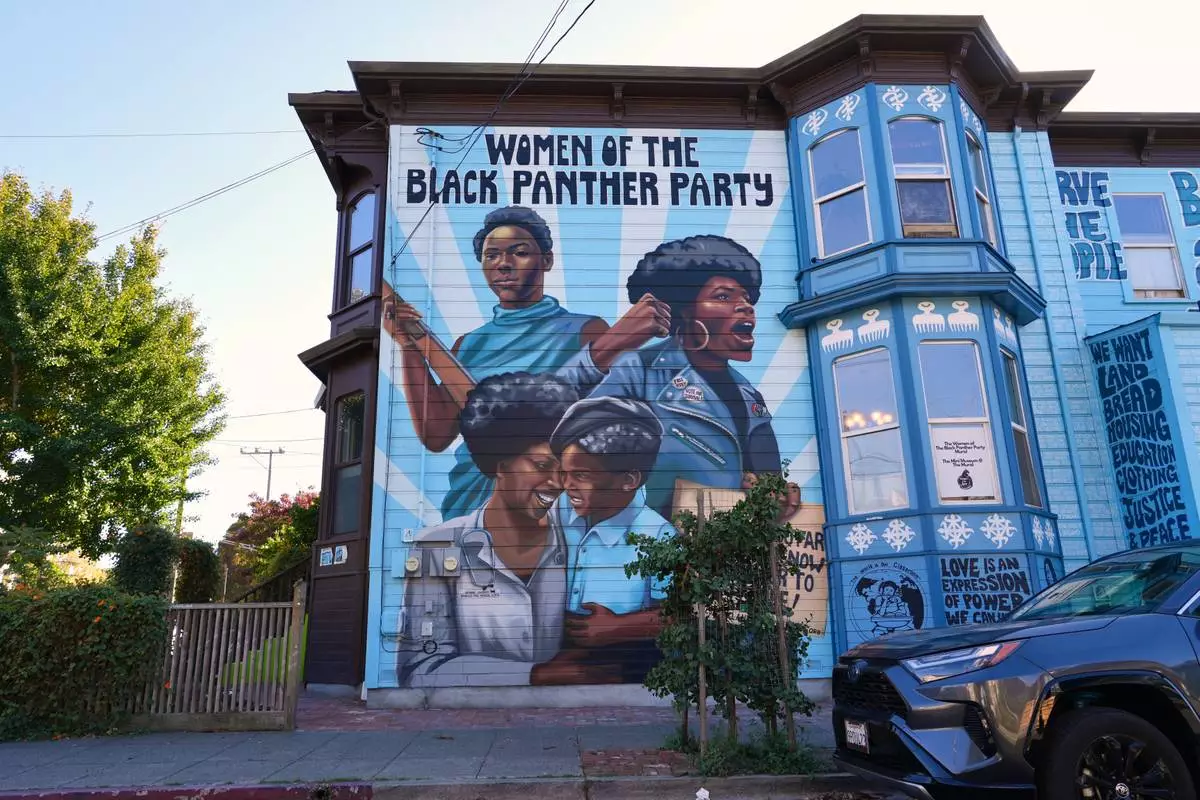
A mural commemorating the women of the Black Panther Party is painted on the side of a house in Oakland, Calif., on Tuesday, Oct. 13, 2026. (AP Photo/Terry Chea)
A mural commemorating the women of the Black Panther Party is painted on the side of a house in Oakland, Calif., on Tuesday, Oct. 13, 2026. (AP Photo/Terry Chea)

Fredrika Newton and Gayle "Asali" Dickson, former members of the Black Panther Party, talk at the Black Panther Party Museum in Oakland, Calif., on Tuesday, Oct. 13, 2026. (AP Photo/Terry Chea)
Fredrika Newton and Gayle "Asali" Dickson, former members of the Black Panther Party, talk at the Black Panther Party Museum in Oakland, Calif., on Tuesday, Oct. 13, 2026. (AP Photo/Terry Chea)

FILE - Bill Whitfield, a member of the Black Panther chapter in Kansas City, serves free breakfast to children on April 16, 1969, before they go to school. (AP Photo/William Straeter, File)
FILE - Bill Whitfield, a member of the Black Panther chapter in Kansas City, serves free breakfast to children on April 16, 1969, before they go to school. (AP Photo/William Straeter, File)

FILE - Bobby Seale, seated, is seen at the Black free health clinic on Sept. 8, 1972, in Berkeley, Calif. (AP Photo, File)
FILE - Bobby Seale, seated, is seen at the Black free health clinic on Sept. 8, 1972, in Berkeley, Calif. (AP Photo, File)

FILE - Huey Newton, Black Panther Party minister of defense, raises his arm as he is surrounded by the press at Philadelphia's International Airport, Sept. 4, 1970, upon his arrival for a convention in Philadelphia. (AP Photo/Rusty Kennedy, File)

FILE - Huey Newton, Black Panther Party minister of defense, raises his arm as he is surrounded by the press at Philadelphia's International Airport, Sept. 4, 1970, upon his arrival for a convention in Philadelphia. (AP Photo/Rusty Kennedy, File)
ITHACA, N.Y. (AP) — Cornell University President Michael Kotlikoff faced off with angry members of the school’s faculty Wednesday at a meeting that underscored deep frustration on campus over his administration’s handling of a woman’s report that she was gang raped at a fraternity house in 2024.

Kotlikoff addressed members of the university's Faculty Senate, and took their questions, as it began considering a no-confidence resolution in his administration.

The meeting was closed to the media, but in an audio recording obtained by The Associated Press, Kotlikoff repeatedly asked for more time to implement reforms and push for cultural changes in student social life.

He insisted that experienced leadership was necessary to confront problems “that are not simplistic, they’re not easy, they can’t be brushed aside with a wave of a hand.”

“I also think that if this university feels that they will solve this problem by replacing a president, that itself is is not good for Cornell’s reputation because I don’t think it’s the right way to address situations like this,” he said.

Kotlikoff also left open the possibility of sweeping restrictions on Greek life, saying Cornell needed to determine whether fraternities that are now a centerpiece of student socializing could operate safely. On Tuesday, Kotlikoff announced a ban on fraternity parties through the end of the academic year and plans to give state police a role in investigating sexual assault reports.

“If, at the end of the day, fraternities cannot exist in a safe environment and we can’t be convinced that they can be safe, then we should make that decision,” he said, adding that the university should rely on research and evidence rather than emotion.

Kotlikoff left the meeting after answering questions and did not stay for the debate over the no-confidence resolution.

After he departed, a string of faculty members said they had lost confidence in the administration's ability to effectively combat the problem of sexual assault on campus.

“The faculty were extremely angry. They gave him a hard time, I think appropriately so,” Richard Bensel, a professor of government, said after leaving the meeting.

Some Faculty Senate members who spoke, however, urged colleagues not to be hasty, or said that passing a no-confidence vote now would do little to address the underlying problems.

Debate was expected to continue Oct. 28, followed by electronic voting.

A no-confidence vote by the faculty would be largely symbolic, but could send a powerful message to the university's trustees, who ultimately decide how the university is run and who leads it.

Kotlikoff declined to speak to reporters after leaving the meeting.

A woman identified in court documents by the pseudonym Jane Doe filed a lawsuit last month alleging that seven Chi Phi fraternity members sexually assaulted or exploited her in October 2024 and that Cornell mishandled her complaints.

All of those men have denied her allegations, saying either that their interactions with the woman were consensual or that they weren't involved.

The criminal investigation by Cornell's police department quickly stalled after the local district attorney decided, only weeks after the woman went to police in 2024, that no crime had been committed.

At the time, Kotlikoff publicly addressed what he called “deeply disturbing” allegations, suspended the fraternity and said criminal and university investigations were underway. He subsequently convened a presidential task force to examine how Cornell handles sexual assault.

But in an interview with The New York Times published Tuesday, Kotlikoff said he never followed up to learn what had happened to the woman or the criminal investigation.

Asked by a faculty member whether it was true that he hadn’t read the Cornell Police Department report on the woman’s allegations, Kotlikoff acknowledged that he had not, but not because he didn't care.

The police investigation was confidential, he said, and university policy is that top administrators shouldn’t have a role in the criminal side of the investigation.

“I really reject the idea that I had no interest in it or was not concerned about it.”

Kotlikoff denied that he wasn't aware that students had been expelled or suspended as a result of the university's Title IX investigation, but he acknowledged that, until recently, he didn't know the woman had dropped out of Cornell.

“The institution is split in significant ways,” said Grant Farred, professor of Africana Studies and English, describing those in the humanities as feeling they had enough information to proceed while those in the sciences wanted more data.

Iris Packman, a senior research and policy development associate at Cornell’s ILR School Climate Jobs Institute, said after leaving that she felt Kotlikoff got “defensive.”

Labor history professor Paul Ortiz, lead sponsor of the no-confidence resolution, said the debate was animated by the perception that the administration wasn't doing enough to address “a perpetual ongoing crisis.”

Anne Marie Brady, a senior extension associate at Cornell’s School of Industrial and Labor Relations, said she welcomed Kotlikoff’s recent announcement that state police would take on a role in campus sexual assault investigations, but she questioned the timing, a day before the Senate debate.

For Ariana Kim, an associate music professor at Cornell, Kotlikoff’s acknowledgment that he had not followed up on the woman’s case was “appalling.”

A Grammy-nominated violinist, Kim told The Associated Press that when she first started at Cornell a decade ago in her 20s, she experienced bullying and sexual harassment by senior colleagues. Cornell, she said, failed to properly document her complaints and never clearly informed her of what disciplinary action, if any, had been taken.

“I was asked what I had done to provoke the situation,” she said.

Kim said her efforts to avoid colleagues who had harassed her later became a point of criticism during her tenure review. In one instance, a senior professor cited her unwillingness to accept his advice and her avoidance of him in explaining his vote against granting her tenure.

Kim spent more than a year appealing the initial tenure denial, which was ultimately overturned.

Now seeking promotion to full professor, Kim said she feared publicly criticizing university leaders could again jeopardize her career.

Kotlikoff became the university’s interim president in July 2024 and took the job permanently last year.

He's faced challenges including a dining and custodial workers strike, ire over his decision last year to pay $60 million to settle Trump administration civil rights investigations, and accusations from activists that his administration stifled campus protests.

—-

Willingham reported from Boston.

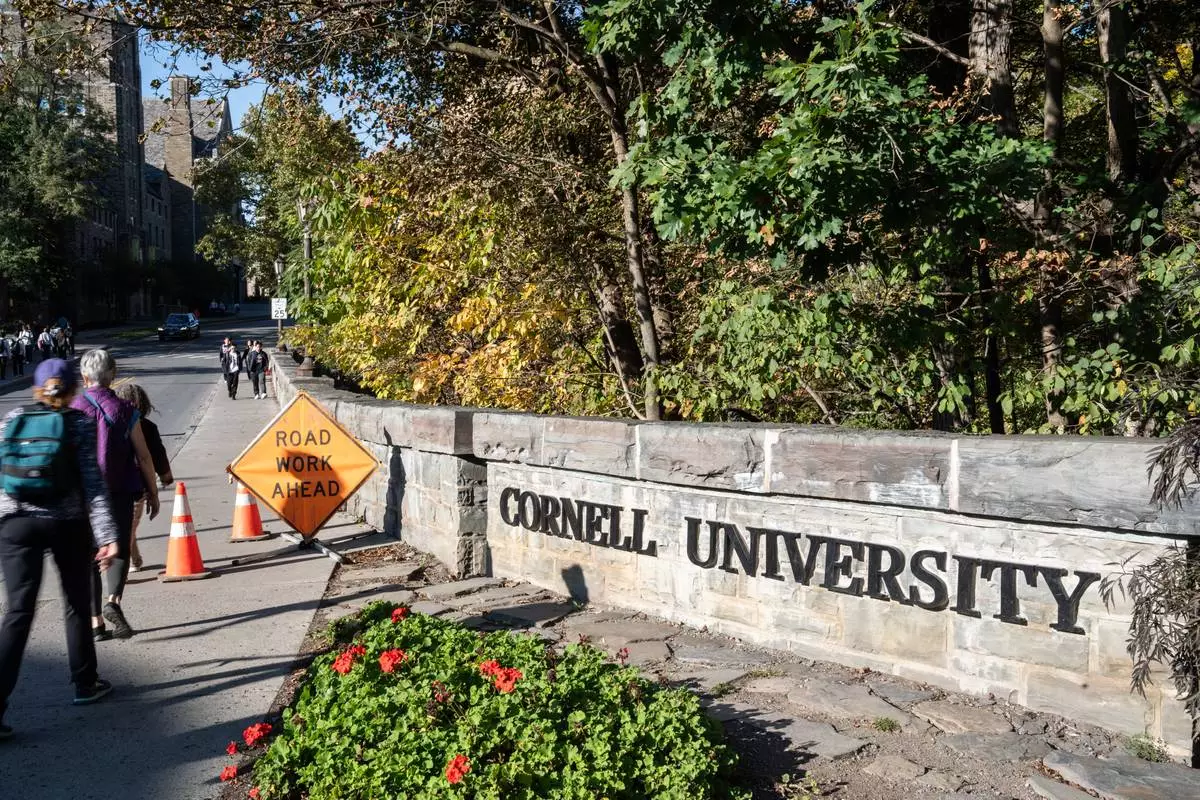
Students walk through Cornell University's campus, Wednesday, Oct. 7, 2026, in Ithaca, N.Y. (AP Photo/Matt Burkhartt)

Students walk through Cornell University's campus, Wednesday, Oct. 7, 2026, in Ithaca, N.Y. (AP Photo/Matt Burkhartt)

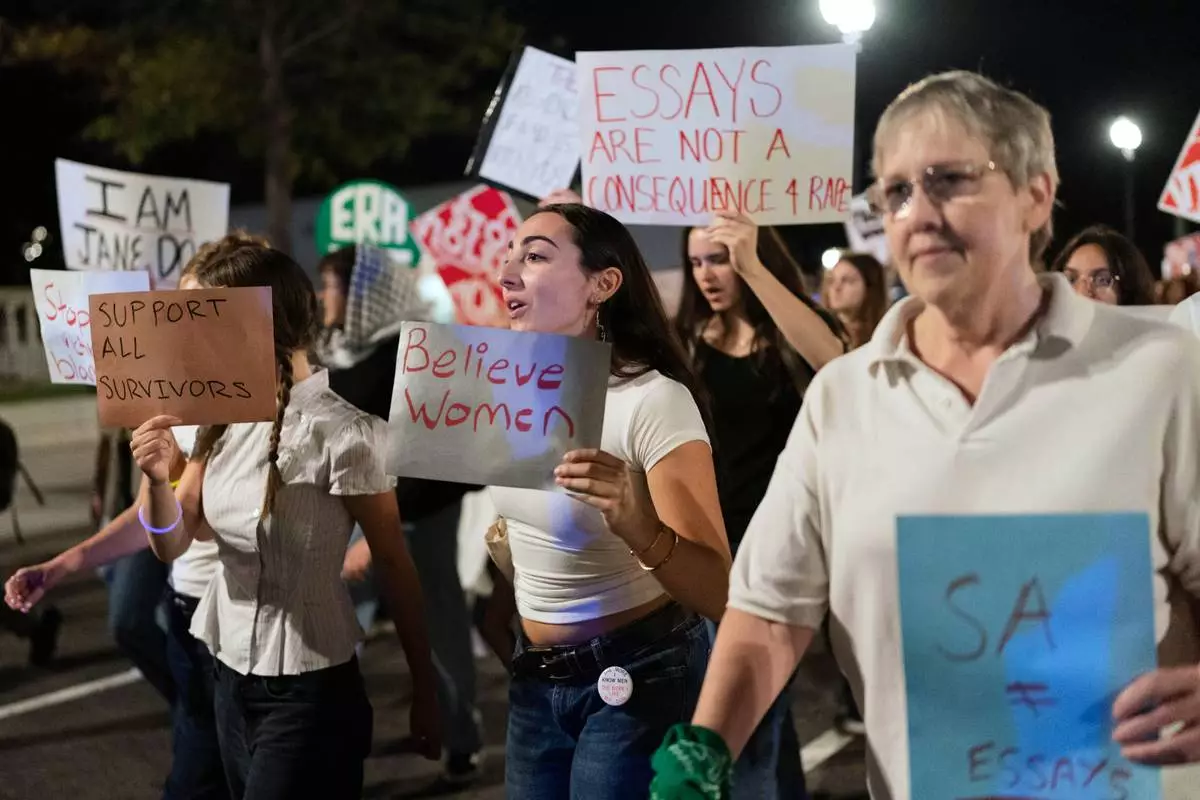
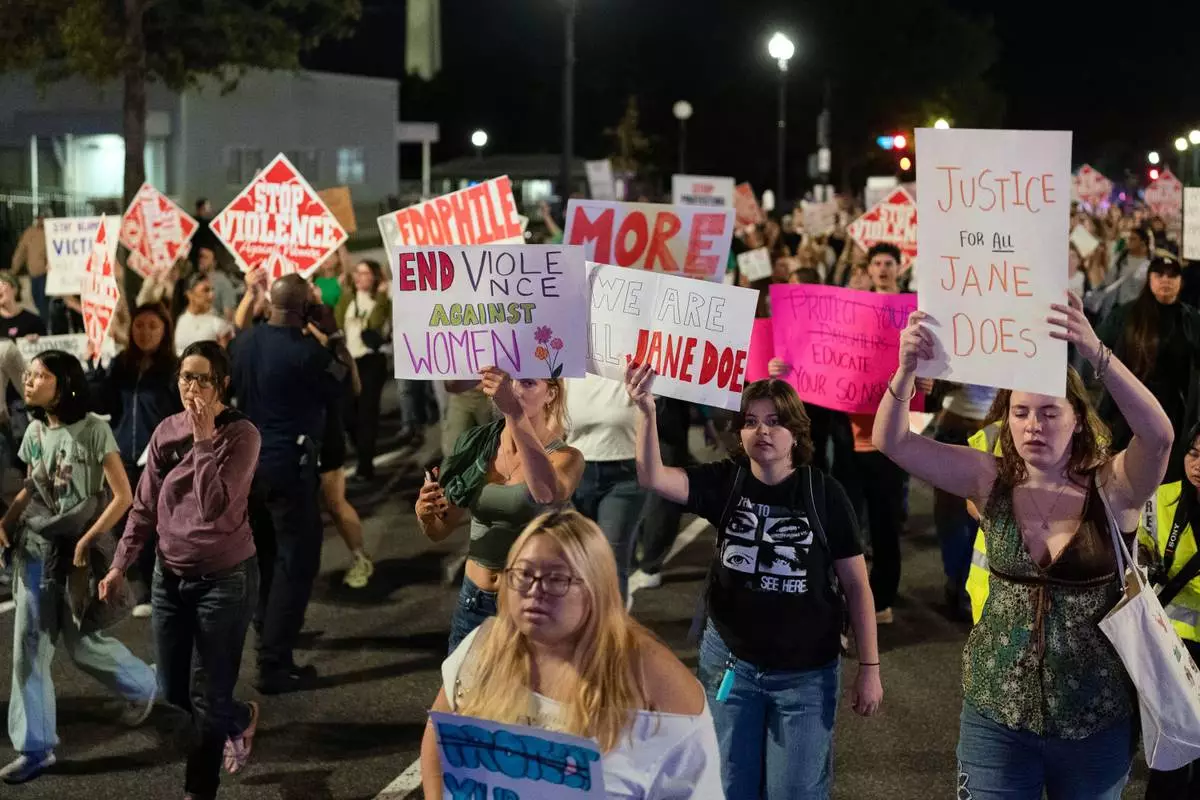
Demonstrators march from the Washington Monument to the White House during a "Stop Sexual Violence" protest in Washington, Thursday, Oct. 8, 2026. (AP Photo/Jose Luis Magana)

Demonstrators march from the Washington Monument to the White House during a "Stop Sexual Violence" protest in Washington, Thursday, Oct. 8, 2026. (AP Photo/Jose Luis Magana)

Demonstrators march from the Washington Monument to the White House during a "Stop Sexual Violence" protest in Washington, Thursday, Oct. 8, 2026. (AP Photo/Jose Luis Magana)

Demonstrators march from the Washington Monument to the White House during a "Stop Sexual Violence" protest in Washington, Thursday, Oct. 8, 2026. (AP Photo/Jose Luis Magana)

Recommended Articles