The first two computing power satellites of the Pazhou smart computing satellite constellation were launched from northwest China's Jiuquan Satellite Launch Center atop an upgraded Zhuque-2 carrier rocket on Wednesday. The satellites successfully entered their planned orbits, marking a complete success for the launch mission.
The two satellites are designed to support stable 24/7 in-orbit operation. Once operational, they will achieve industry-first breakthroughs in three areas: routine operation of space-based computing payloads, high-bandwidth laser inter-satellite and satellite-to-ground communications and distributed computing of large-scale space models across multiple satellites, thereby establishing a full-stack and integrated hardware-software capability.
The satellites' entry into orbit is just the beginning.
Next, a three-step plan will be rolled out: the initial deployment and trial operation of the constellation to establish computing power; achieving cost-effective computing; and driving the development of the entire industry chain from the rocket and satellite design to end products and services, Wang Kai, technical director for the Pazhou smart computing satellite constellation, said the satellites boast promising application potential. "The entire Pazhou smart computing satellite constellation comprises 24 satellites, which will become operational within three years to foster a 10-billion-yuan (1.5-billion-U.S.-dollar) level space computing industry chain. Key application scenarios include emergency disaster relief, smart transportation and agricultural monitoring. In the future, we hope to use data from space to train [large models] in space, with the input for inference also coming from space, so that the entire closed-loop process is completed in space, creating a native space-based large model," he said.
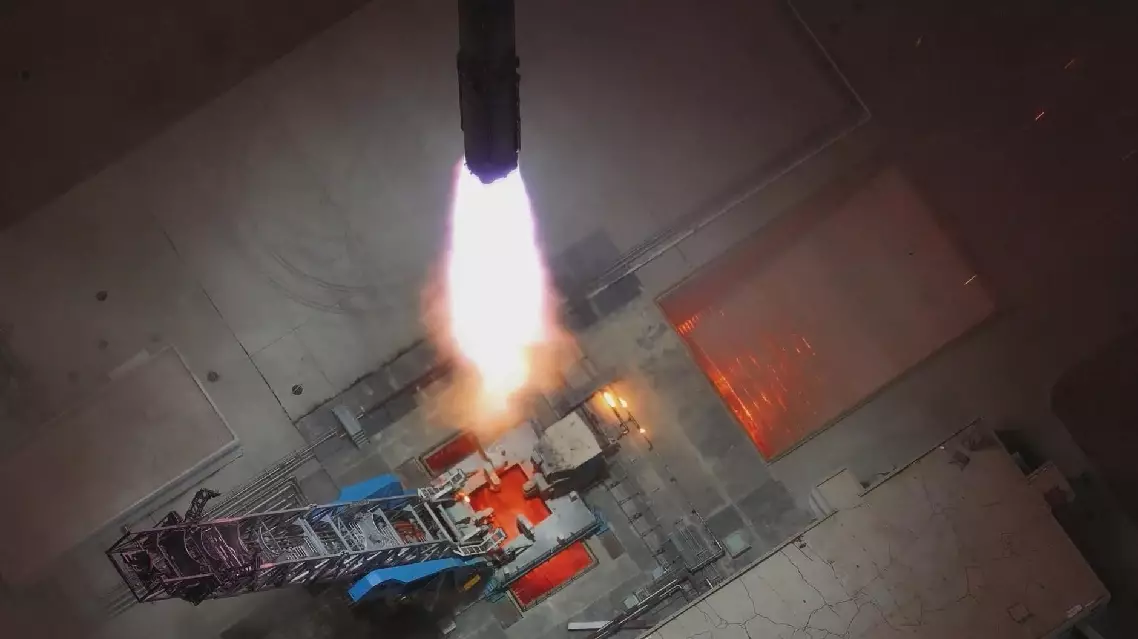
China sends two computing satellites into orbit