PESHAWAR, Pakistan (AP) — Pakistani authorities ordered inspections of all private schools in the northwestern province of Khyber Pakhtunkhwa after a school roof collapsed and killed 34 children and a teacher, as some victims’ relatives said the structure previously was reported to be weak.
The provincial government announced an investigation into the cause of Thursday’s collapse at Al-Khair school as victims’ families demanded justice. At least one family member said he had warned the school owner about leaks.
Click to Gallery
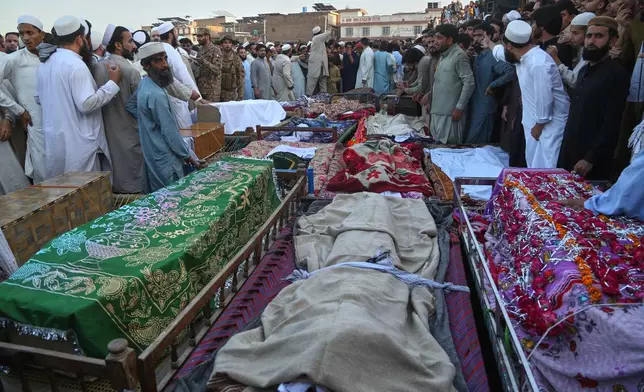
Mourners attend funeral prayers of children, who were died in a roof collapse of a private school, in Peshawar, Pakistan, Thursday, Oct. 15, 2026. (AP Photo/Muhammad Zubair)
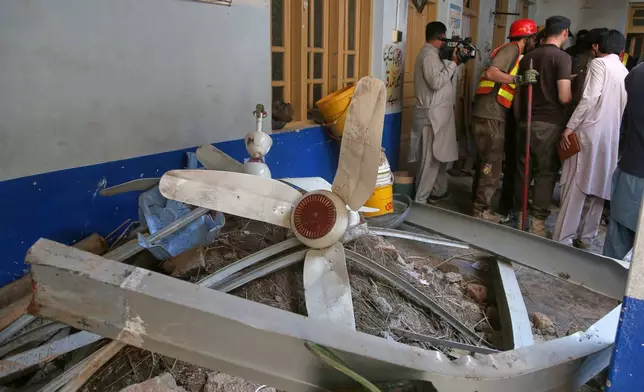
Rescue workers take a break while searching through the rubble at the site of a roof collapse at a private school, in Peshawar, Pakistan, Thursday, Oct. 15, 2026. (AP Photo/Muhammad Zubair)
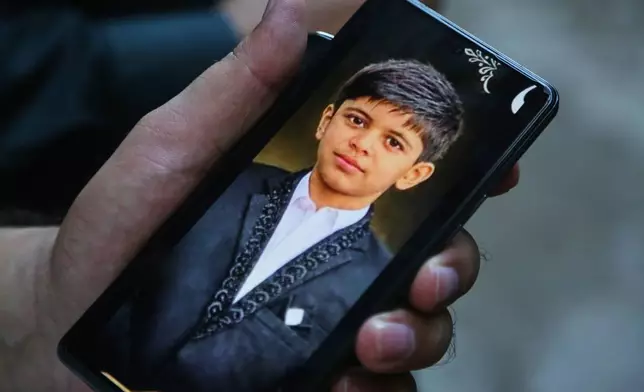
A Pakistani shows the picture of his relative boy, who was died in a roof collapse of a private school, prior to a funeral prayer, in Peshawar, Pakistan, Thursday, Oct. 15, 2026. (AP Photo/Muhammad Zubair)
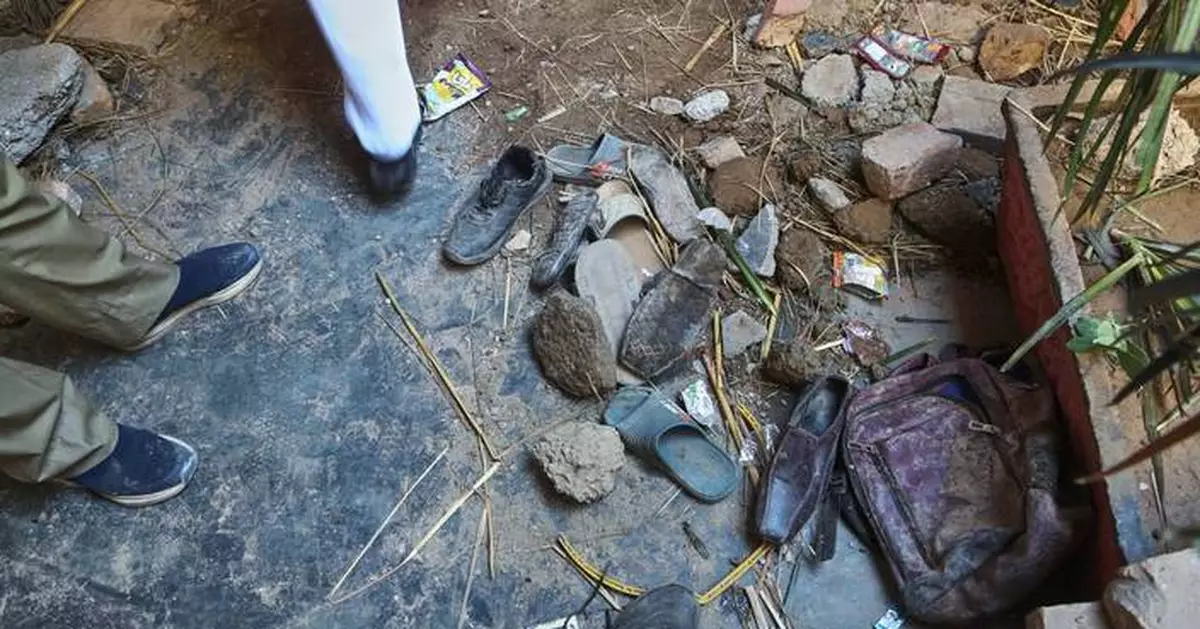
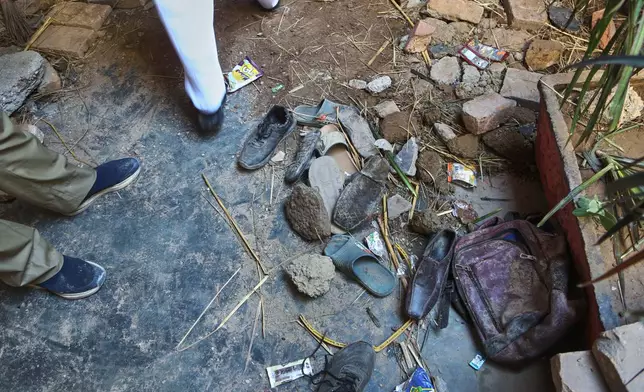
A rescue worker stand beside shoes and a school bag of victim children at the the site of a roof collapse of a private school, in Peshawar, Pakistan, Pakistan, Thursday, Oct. 15, 2026. (AP Photo/Muhammad Zubair)
Police on Thursday arrested the school’s owner, Mohammad Khan. Peshawar Police Chief Saeed Ahmed said the building was structurally weak and Khan told officers that recent rains had weakened one of the roofs.
The government order, which was seen by The Associated Press, directs Khyber Pakhtunkhwa’s education department to establish district committees to inspect private school buildings throughout the province and submit findings and recommendations within three days.
The inspections must cover premises that are owned as well as those that are rented. Specific areas to checks in the buildings include roofs, ceilings, walls, columns, beams, foundations and staircases. Districts must require urgent technical assessment and classify school buildings as safe, in need of repairs or improvements, or potentially unsafe, the order says.
Emergency crews arrived within five minutes of being alerted and everyone trapped beneath the rubble was recovered by the time the operation ended Thursday. Rescuers pulled at least 40 children alive from the debris, said Bilal Faizi, a spokesperson for emergency services in Peshawar.
The collapsed roof was a traditional structure made of mud and bricks and some of the children trapped beneath died of suffocation, Faizi said.
Speaking from a hospital bed, injured teacher Mahwish Zaman said the collapse happened so suddenly that no one had time to escape.
Zaman described being in her classroom when she heard a loud crash from the floor above. Before she could warn her students to run to safety, the ceiling fell in. She was unconscious when she was taken to the hospital and later learned many of her students had died.
Residents visited victims’ families, many of whom lived in Peshawar’s Dir Colony neighborhood, where the school is located.
Mohammad Zaman, whose two nephews died in the collapse, said he and other relatives had complained to the school's owner about rainwater repeatedly seeping into classrooms. Zaman said he warned that the building’s condition could lead to a tragedy.
Zaman, 36, said through tears that his nephew Abdul, 9, was in second grade, while Abuzar, 10, was in third grade. Abuzar’s sister, Samiya, a nursery student at the school, survived because she had gone outside to buy sweets.
Zakir Ullah lost both sons, Abu Bakr and Mohammad, who were in the same classroom. His daughter was in a different class and ran home after the collapse to tell the family the school had fallen. They rushed back with her and found the boys’ classroom buried under rubble, he said.
Nothing was visible beneath the debris, said Ullah, who described the building as weak and demanded punishment for any officials who authorized its use as a school.
“How could I have known this would take both my sons away from me,” he said.
Ahmed reported from Islamabad.
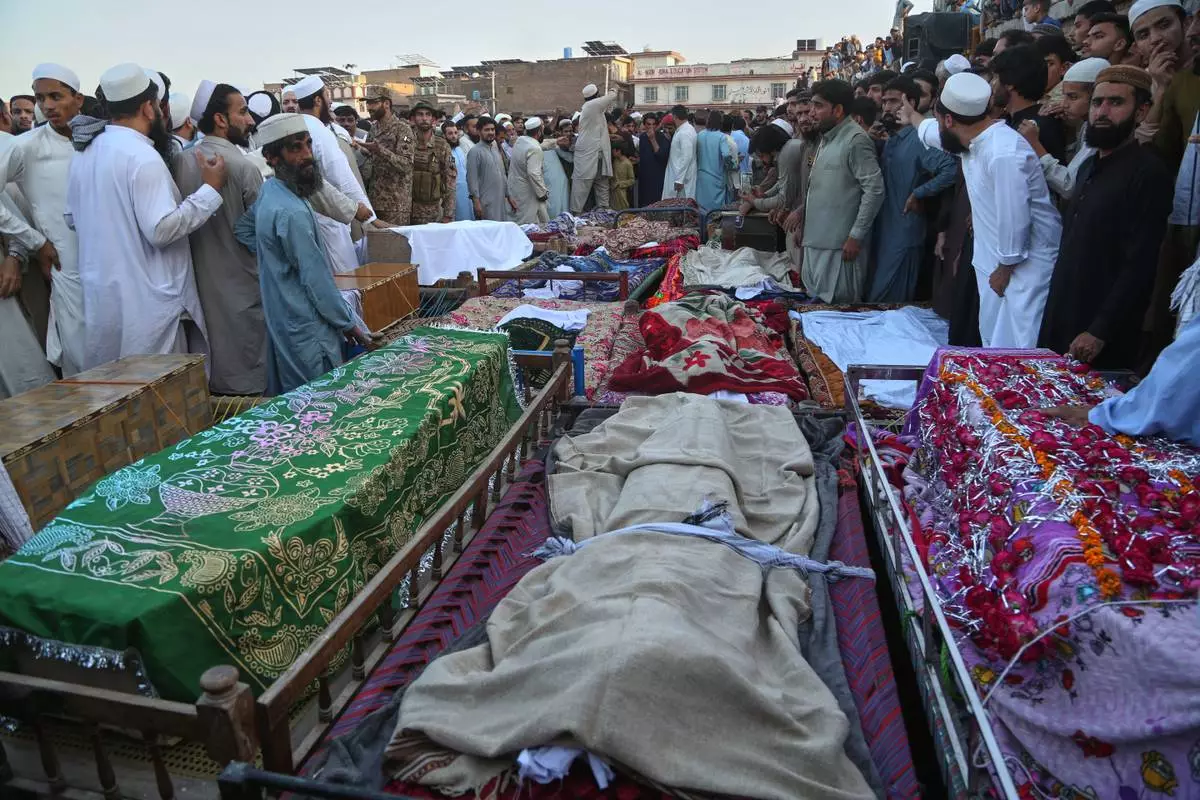
Mourners attend funeral prayers of children, who were died in a roof collapse of a private school, in Peshawar, Pakistan, Thursday, Oct. 15, 2026. (AP Photo/Muhammad Zubair)
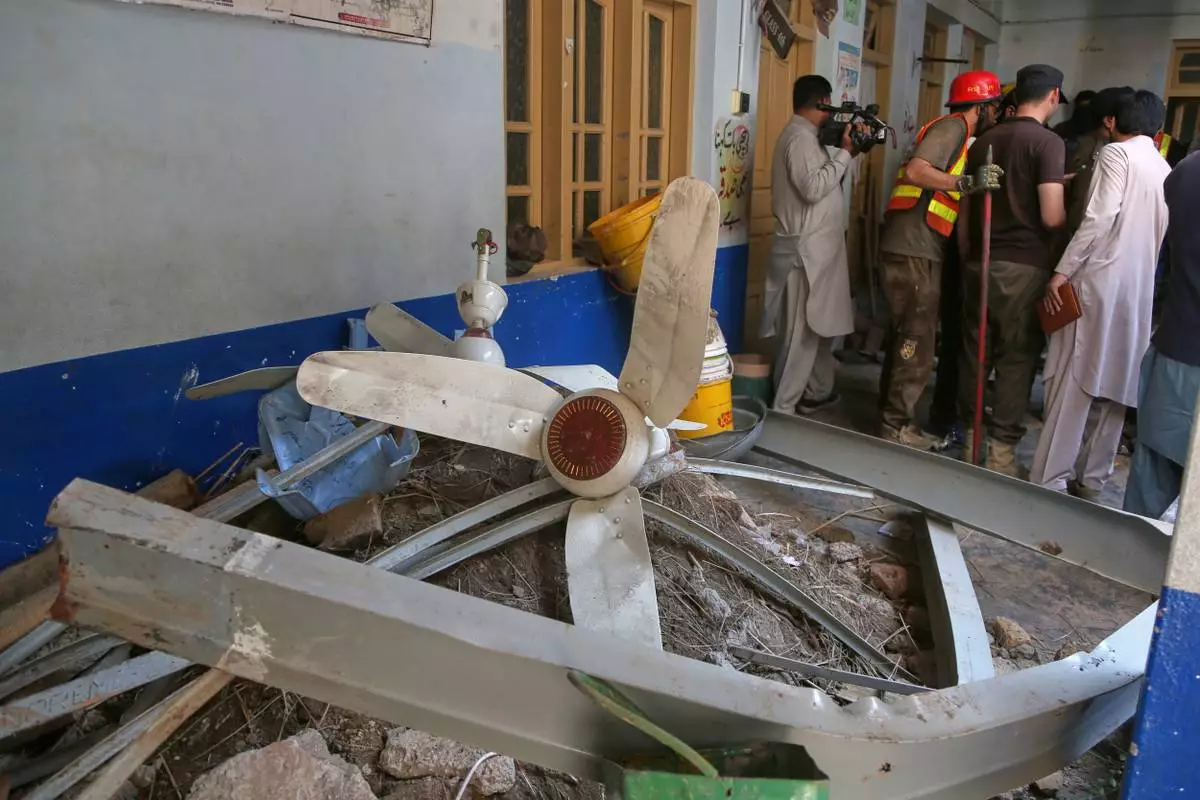
Rescue workers take a break while searching through the rubble at the site of a roof collapse at a private school, in Peshawar, Pakistan, Thursday, Oct. 15, 2026. (AP Photo/Muhammad Zubair)
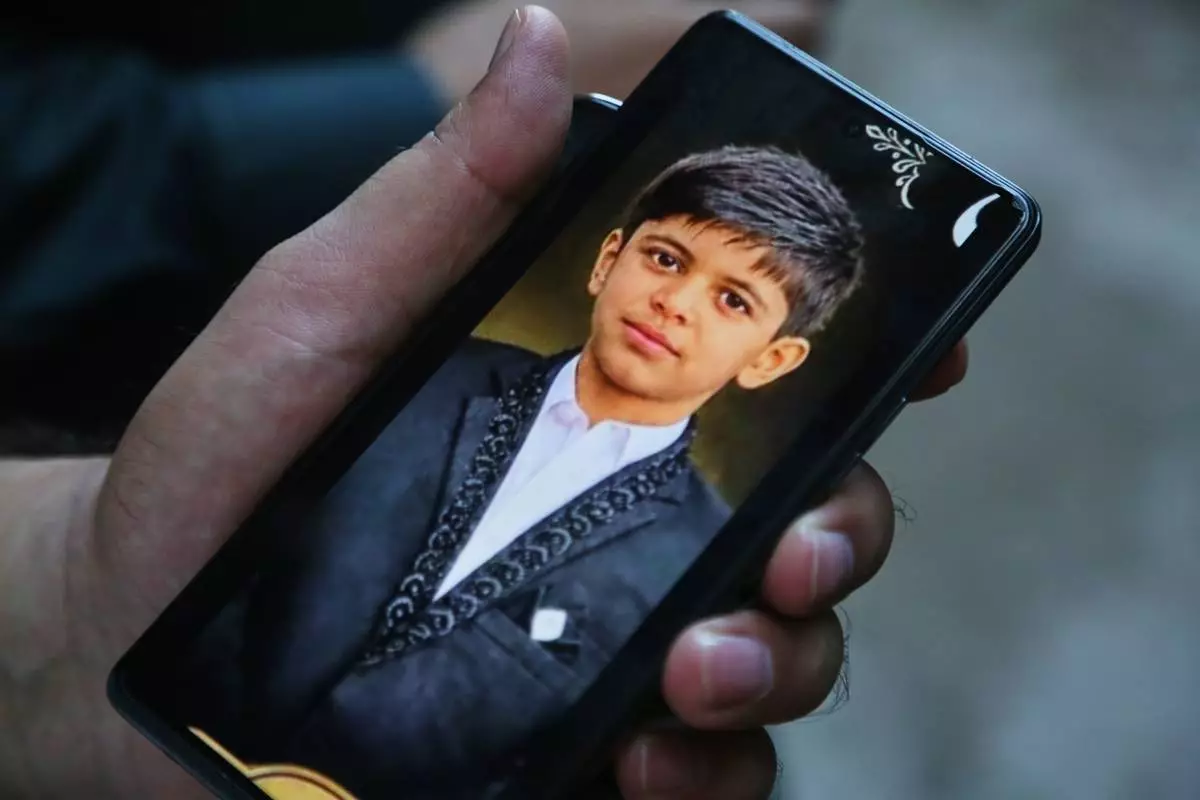
A Pakistani shows the picture of his relative boy, who was died in a roof collapse of a private school, prior to a funeral prayer, in Peshawar, Pakistan, Thursday, Oct. 15, 2026. (AP Photo/Muhammad Zubair)
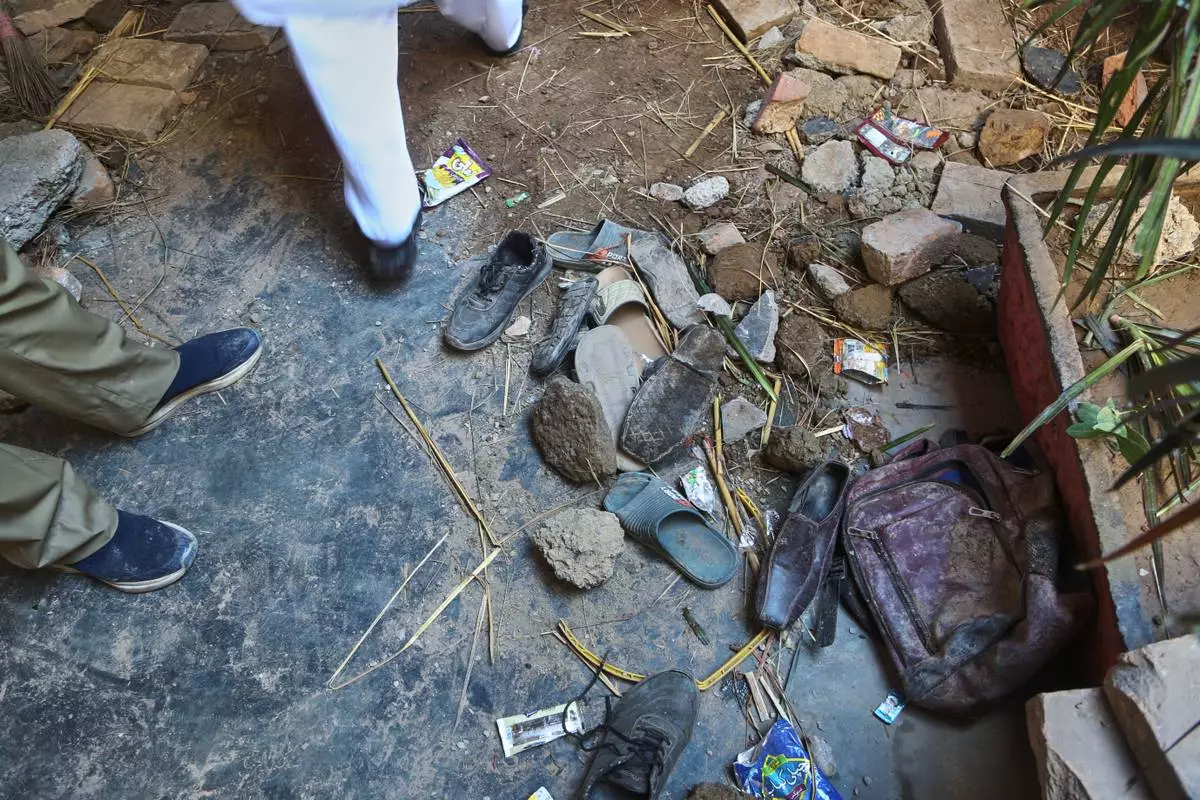
A rescue worker stand beside shoes and a school bag of victim children at the the site of a roof collapse of a private school, in Peshawar, Pakistan, Pakistan, Thursday, Oct. 15, 2026. (AP Photo/Muhammad Zubair)
SAN JUAN, Puerto Rico (AP) — The only English words 4-year-old Alaisha Sandoval knows are courtesy of “Peppa Pig,” but that could soon change.
The Trump administration is proposing that Head Start programs teach exclusively in English, rejecting the federal early-childhood program’s practice of incorporating the languages students speak at home. Alaisha’s father, Hansel Alejandro Sandoval, smiled when he heard the news: The policy, he said, would help open his daughter’s world.
Not all parents and advocates are so optimistic about the change in Puerto Rico, a U.S. territory with more than 700 Head Start centers. English and Spanish are the territory’s official languages, but most of its 3.2 million residents say they do not speak English fluently.
Educators and Puerto Rican officials warn the change would undermine children’s connection to their language and culture — and would require costly materials and teacher training on a Caribbean island already struggling with a scarcity of resources and educators.
“There are going to be a lot of teachers who are going to resign or embrace retirement,” warned Eddie Torres Vázquez, president of the Puerto Rico Friends of Head Start Association, which is seeking a waiver to exempt Puerto Rico from the English-only proposal.
Roughly 25,000 children across Puerto Rico attend Head Start centers, which provide free preschool education, health services and support programs for low-income families. Most of the island’s centers already take a bilingual approach, and no one is opposed to continuing those efforts, Torres said.
“Learning a second language opens doors,” he said, but he worries about the impact of making it compulsory. Less than 10% of the island's Head Start teachers are fluent in English, he said. “Puerto Rico would be the geographical area most affected by this change.”
The administration says the language requirement would apply only to instruction, not to noneducational conversations or parent interactions.
Loud clacks from a domino game echoed through a working-class neighborhood of San Juan one recent afternoon as families picked up their children from a local Head Start center.
Among them was Monín Rodríguez, who said she heard about the English-only proposal on the news.
“I love the idea,” she said in Spanish, glancing at her sleepy 2-year-old grandson.
Rodríguez said that she and two of her three children never had the opportunity to learn English, and that she would be delighted if her grandson became fluent: “To work and to travel, they’re going to need it.”
Few observers deny the value of learning English, but critics say imposing it as the only language of instruction in Puerto Rican Head Start centers would be insulting and a costly logistical nightmare.
“We are not talking about two languages,” said Zaida Cordero Huertas, president of Puerto Rico’s Association of Parents of Head Start. “We are talking about communicating in a single language, and we would lose our cultural identity.”
Across the U.S., Head Start serves roughly 700,000 low-income children, a third of whom speak a language other than English at home. In Puerto Rico, federally reported data show, 99% of children enrolled in Head Start come from Spanish-speaking homes.
The English-only rule, which includes a limited exception for Tribal-language instruction, is part of a sweeping overhaul of Head Start standards that President Donald Trump proposed in August. The administration plans to issue finalized rules after reviewing public feedback, though the timeline is unclear.
The Department of Health and Human Services, which oversees Head Start, stressed that providers can continue to communicate with families in their home languages and have the option to pursue waivers. In response to a request for comment, HHS spokesperson Emily Hilliard stressed the importance of English instruction.
“Head Start is designed to prepare young children to be ready to enter school, and providing a firm foundation in the English language is a critical part of that preparation,” she said.
Head Start teacher Desirée Vega González said she worries about the impact on her students, all of whom speak Spanish. “It’s very important for children to express their emotions,” she said. “If we switch ... it would be more complicated.”
Research shows that using children’s home languages can help them learn English. It also allows them to explore concepts in subjects like math and science while they’re still developing their English skills.
Francisco J. Nazario Marrero, a Head Start program manager in the town of Dorado, said he worries about the impact on children who need speech therapy — they could receive the therapy in Spanish only to return to English at their preschool.
“It would lead to further delays,” he said.
English was heavily pushed in Puerto Rico’s public education system for the first half of the 20th century until the island’s first democratically elected governor, Luis Muñoz Marín, ended the practice.
In 1991, Gov. Rafael Hernández Colón declared Spanish the island’s sole official language. A couple of years later, Gov. Pedro Rosselló made both English and Spanish the island’s official languages.
English is still associated with a push to Americanize Puerto Rico, where the status of the island’s relationship to the U.S. remains a focus of local politics. Today, most locals are proficient only in Spanish; roughly three-quarters of Puerto Rico residents aged 5 and older say they do not speak English “very well,” according to U.S. Census data.
Against that backdrop, local Head Start leaders fear the proposal could upend staffing. Leaders worry many teachers would leave rather than learn a new language, particularly those nearing the end of their careers, worsening already-high turnover rates.
It would be “next to impossible” to recruit bilingual staff in some rural communities, said Melanie Hartzog, president and CEO of The New York Foundling, which operates 29 Puerto Rican Head Start centers. Centers also would be competing with the higher-paying tourism and healthcare industries.
Beyond those challenges, Hartzog said the proposal is troubling for an island where the primary language is Spanish.
“It’s not about us saying ‘no’ to English. We have to be respectful to the island. Culturally, Spanish is the primary language,” she said.
Several Head Start supporters recently met with Puerto Rico’s governor and legislators to discuss their concerns, including a new cap on administrative expenses, which the administration wants to lower from 15% to 5% of total program costs.
Cordero Huertas, the Head Start parents association president, said she asked about how students’ families could meaningfully engage with their children’s education if all instruction is in English. Someone suggested they could learn English online, but many are already stretched thin, and chronic power outages on the island persist.
“There are some solutions,” she said. “But they’re not a magic wand.”
Associated Press writer Alia Wong in Washington contributed to this report.
The Associated Press’ education coverage receives financial support from multiple private foundations. AP is solely responsible for all content. Find AP’s standards for working with philanthropies, a list of supporters and funded coverage areas at AP.org.
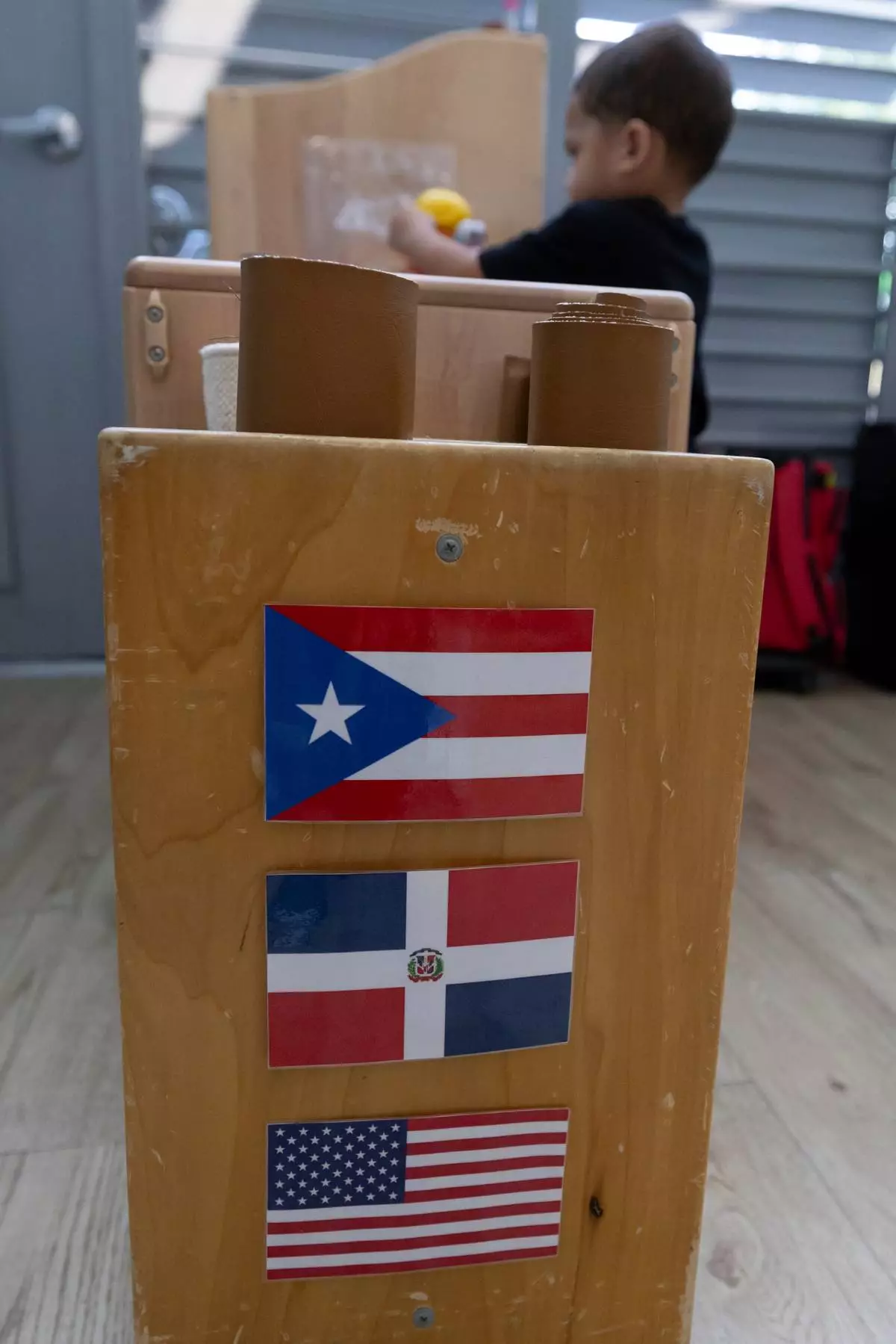
National flags representing Puerto Rico, the Dominican Republic and the United States are displayed on a classroom shelf as a child plays in the background at the John Cardinal O'Connor Center for Parent and Child Development, a Head Start center operated by The New York Foundling, in San Juan, Puerto Rico, Tuesday, Oct. 13, 2026. (AP Photo/Alejandro Granadillo)
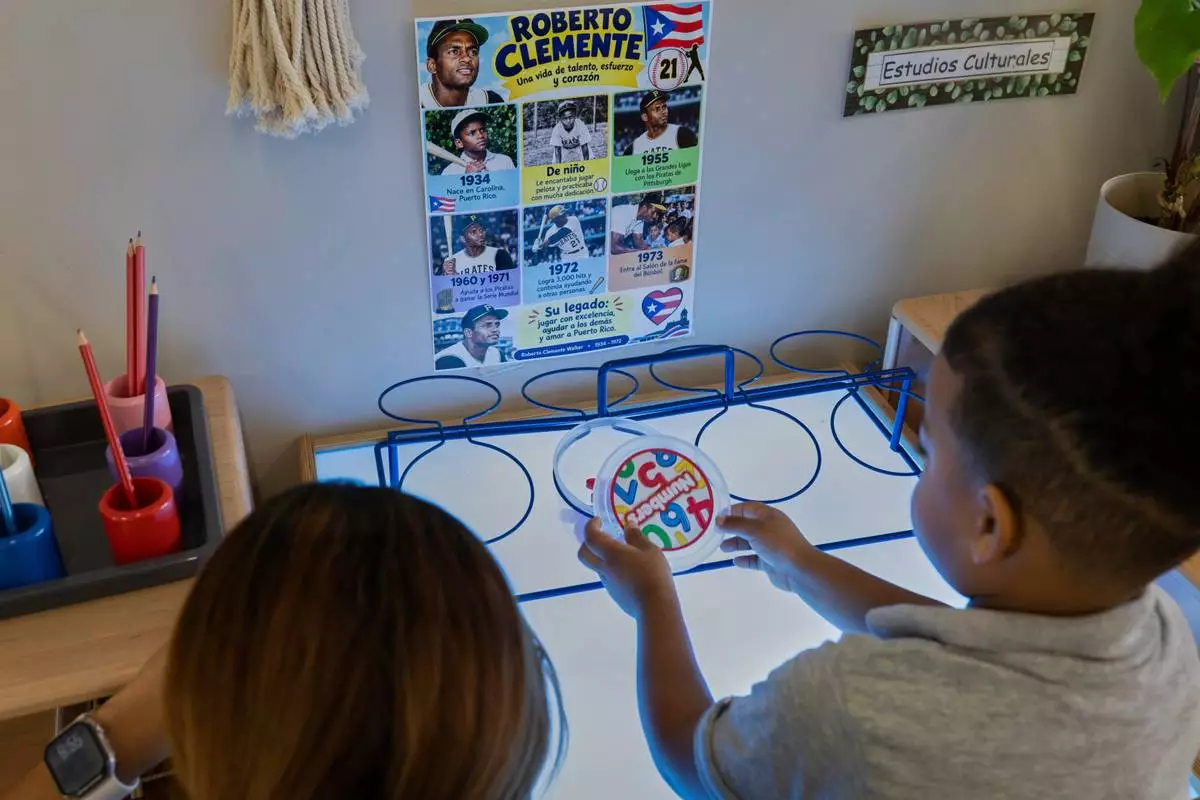
A child works with numbers beside a teacher, in front of a Spanish-language poster about Roberto Clemente, the baseball Hall of Fame inductee at the John Cardinal O'Connor Center for Parent and Child Development, a Head Start center operated by The New York Foundling, in San Juan, Puerto Rico, Tuesday, Oct. 13, 2026. (AP Photo/Alejandro Granadillo)
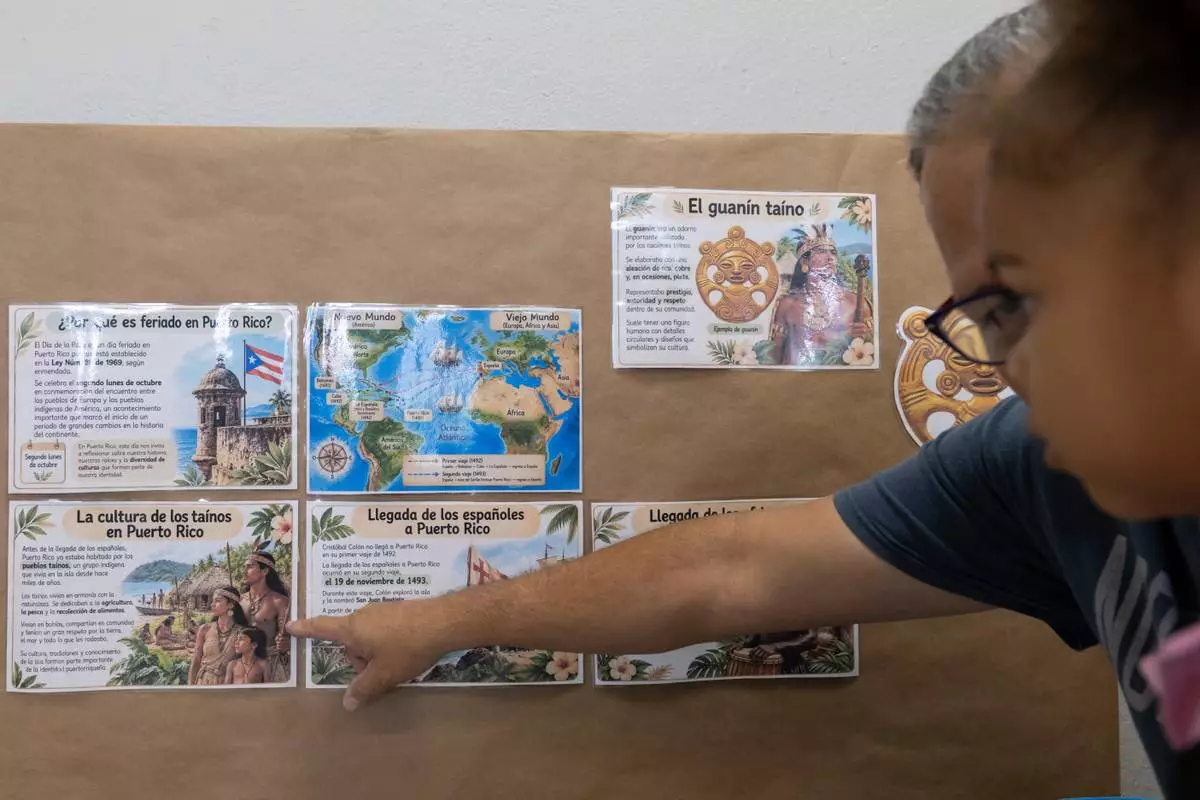
A teacher points to an educational poster in Spanish about Puerto Rican history and the island’s Indigenous Taíno culture, displayed on a classroom wall at the John Cardinal O’Connor Center for Parent and Child Development, a Head Start center operated by The New York Foundling, in San Juan, Puerto Rico, Tuesday, Oct. 13, 2026. (AP Photo/Alejandro Granadillo)
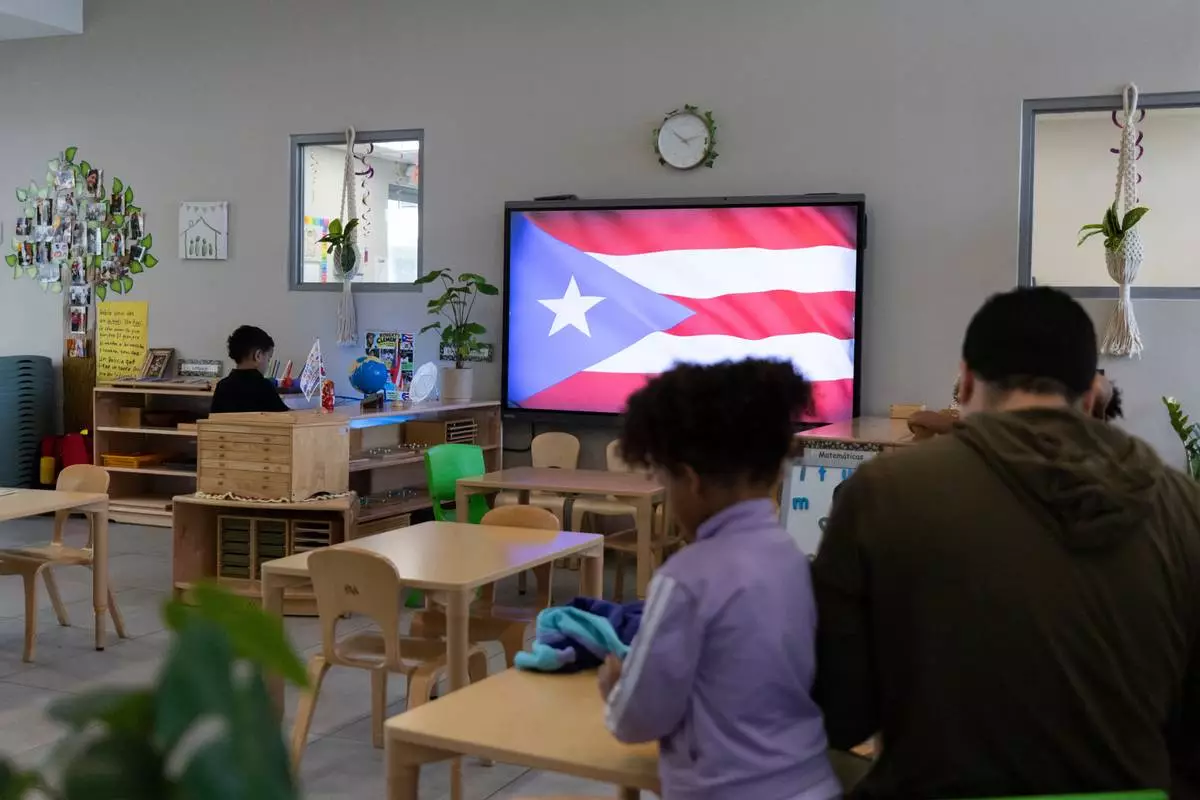
A Puerto Rican flag is displayed on a screen in a classroom at the John Cardinal O’Connor Center for Parent and Child Development, a Head Start center operated by The New York Foundling, in San Juan, Puerto Rico, Tuesday, Oct. 13, 2026. (AP Photo/Alejandro Granadillo)
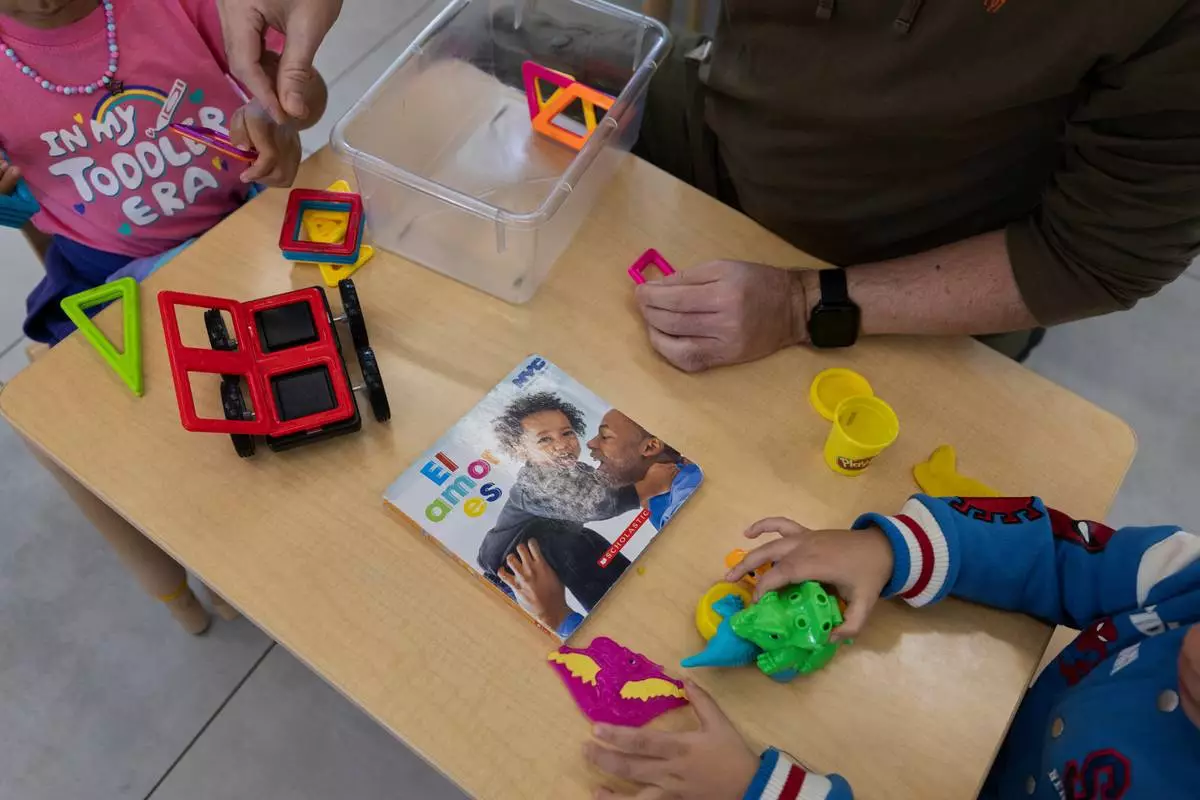
A teacher and children play with magnetic building tiles and modeling clay beside a children’s book titled El amor es at the John Cardinal O’Connor Center for Parent and Child Development, a Head Start center operated by The New York Foundling, in San Juan, Puerto Rico, Tuesday, Oct. 13, 2026. (AP Photo/Alejandro Granadillo)