U.S. President Donald Trump signed an executive order on Friday, waiving major energy tariffs and sanctions on Russia mandated by the Lindsey O. Graham Sanctioning Russia and Iran Act of 2026, just days before the act takes effect.
"I have submitted to the Congress a certification that the issuance of such a waiver is in the national interests of the United States," Trump said in the order.
The action freezes upcoming tariffs of up to 100 percent that were slated to hit the top five importers of Russian crude oil and gas, as well as restrictions aimed at Russia's "shadow fleet" of oil tankers and energy and defense sectors.
The move came after Trump struck an agreement with Russia to release more Russian diesel into global markets and announced an energy infrastructure ceasefire between Russia and Ukraine.
Under the agreement, Russia could "immediately" begin supplying 300,000 tons of diesel, an additional 500,000 tons in November and then 1 million tons "immediately thereafter," local media quoted Trump as saying on Friday. Meanwhile, Washington has agreed to purchase diesel fuel from Russia to help lower global energy prices.
The move also marks Trump's efforts to lower fuel prices before the U.S. midterm elections in early November.
Trump signed the Lindsey O. Graham Sanctioning Russia and Iran Act of 2026 in mid-September. The act was named after the late Senator Lindsey Graham.
The legislation has authorized up to 100 percent tariffs on goods imported into the United States from the top five buyers of Russian crude oil or gas, and broader financial sanctions and energy restrictions targeting Russia.
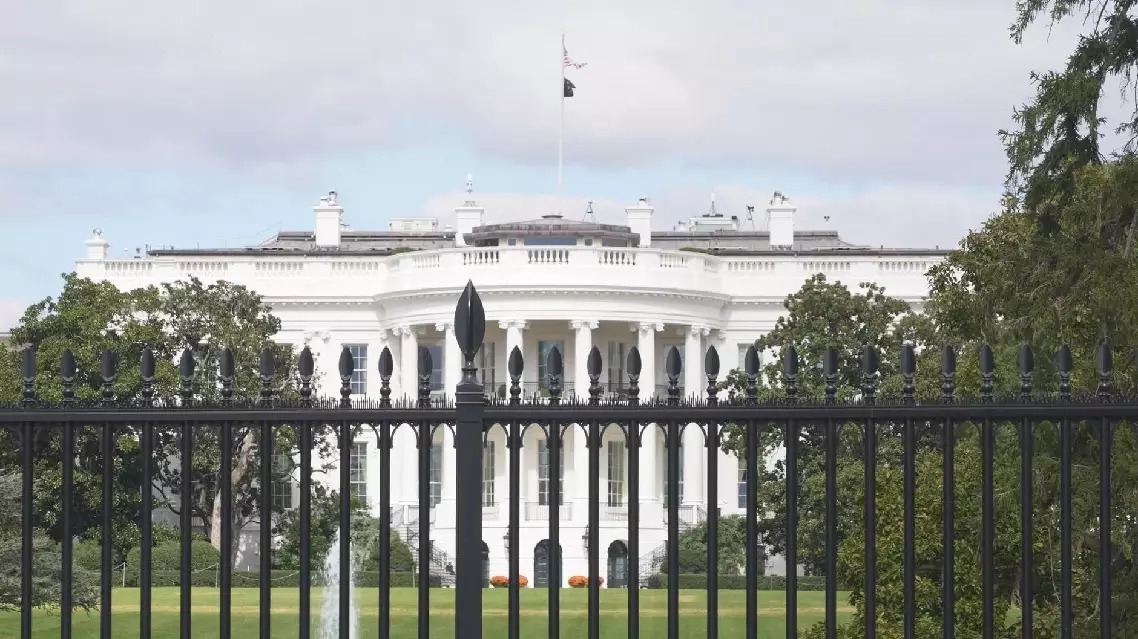
Trump waives some Russia-related sanctions, tariffs
UN Secretary-General Antonio Guterres on Friday called for faster and stronger global action to protect biodiversity, warning that efforts to halt nature loss remain far behind international targets.
Speaking at a leaders' summit in Yerevan, Armenia's capital, Guterres urged countries to show "more action, more speed, and more will" ahead of the 17th meeting of the Conference of the Parties to the Convention on Biological Diversity (COP17), scheduled for Oct 19-30.
"Halfway to 2030, Yerevan is our moment of accountability," he said, urging countries to assess their progress in protecting nature.
More than 1 million species face extinction, threatened by climate change, invasive species, overexploitation of natural resources and pollution, he warned.
Guterres said the Kunming-Montreal Global Biodiversity Framework, adopted in 2022, had laid out a path to "make peace with nature," but progress remained uneven and far too slow.
Nearly 90 percent of parties to the Convention on Biological Diversity have set national biodiversity targets, while more than half have developed implementation plans. Since 2022, an additional 1.3 million square km of land and 6 million square km of ocean have come under formal protection, he said.
However, even if current national commitments are fulfilled, only 26 percent of land and 12 percent of marine areas would be protected by 2030, falling short of the global target of 30 percent for both. Funding also remains a major obstacle. Citing a report by the Organization for Economic Co-operation and Development, Guterres said biodiversity financing stood at less than half the annual target of 200 billion U.S. dollars set under the framework.
He said that "biodiversity is not a separate challenge, stressing its links to climate change, conflict, food insecurity and disease.
Guterres urged governments, financial institutions and businesses to accelerate implementation of the framework, calling for sustainable agriculture, circular economies, stronger environmental monitoring and stricter enforcement of existing laws.
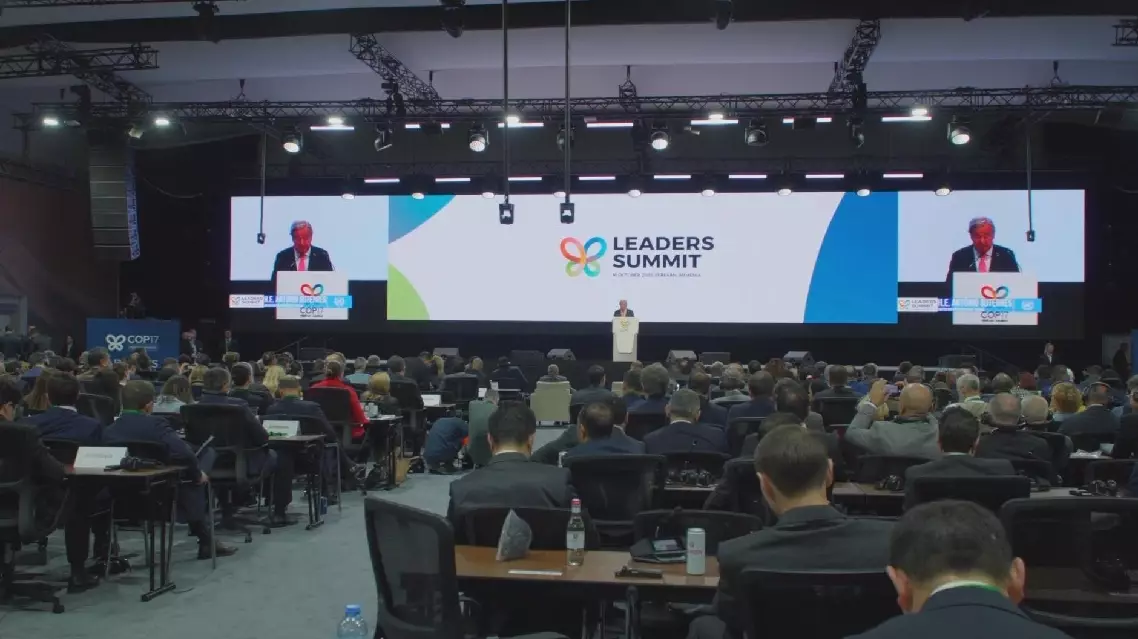
UN chief urges faster action to protect biodiversity ahead of global summit