Skip to Content Facebook Feature Image

China's space crew makes new progress in multi-generational rice cultivation in orbit
China

China

China

China's space crew makes new progress in multi-generational rice cultivation in orbit

2026-10-18 13:48 Last Updated At:19:08

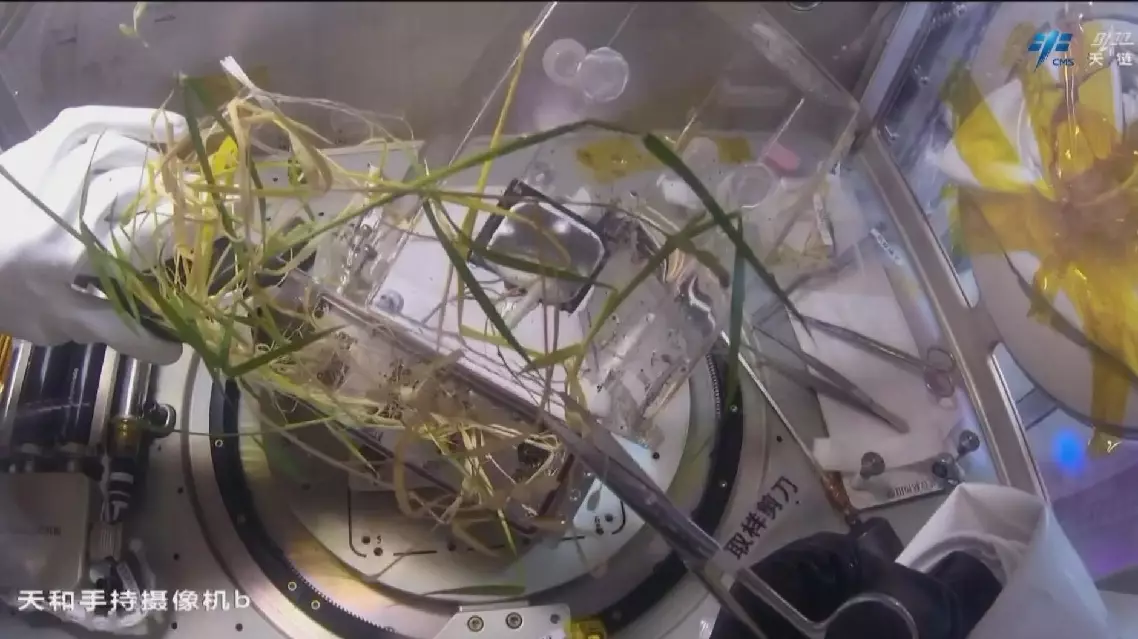
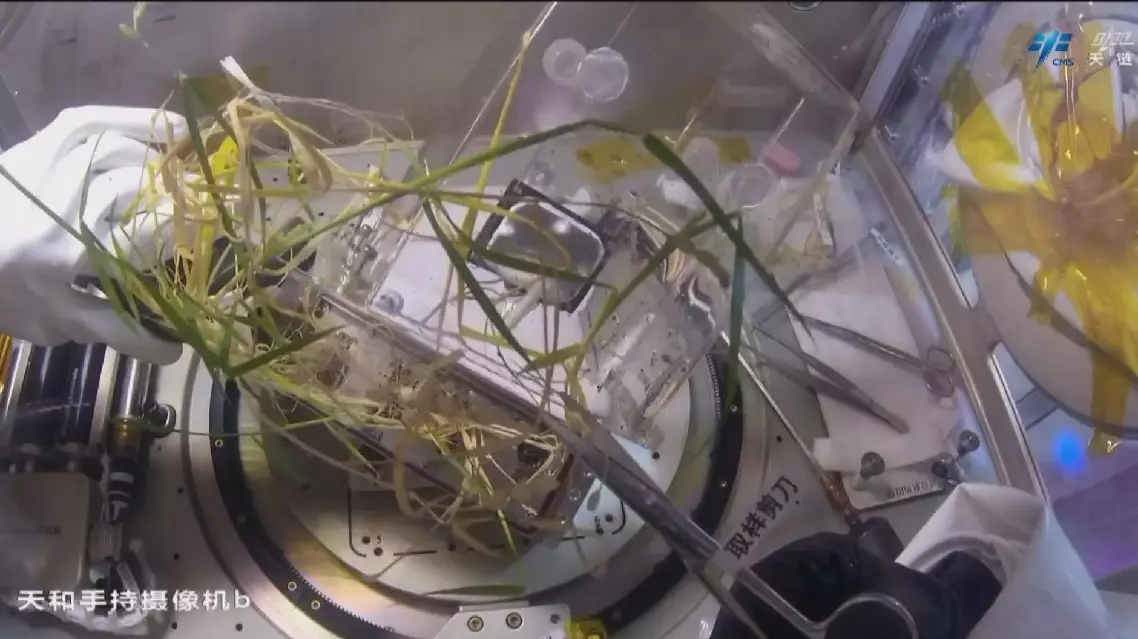
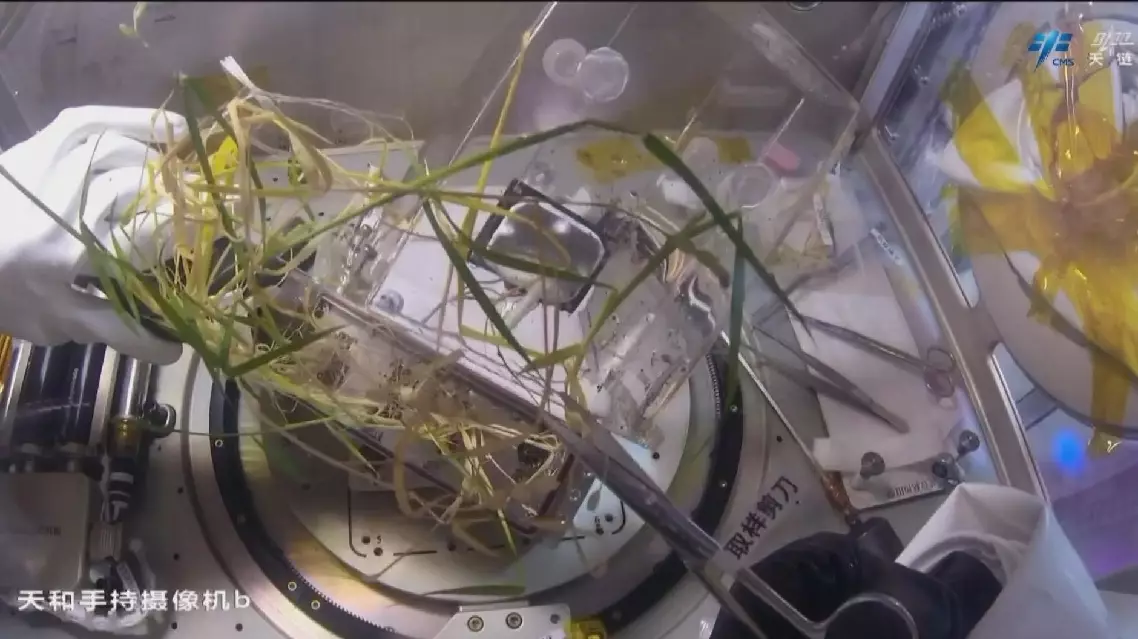
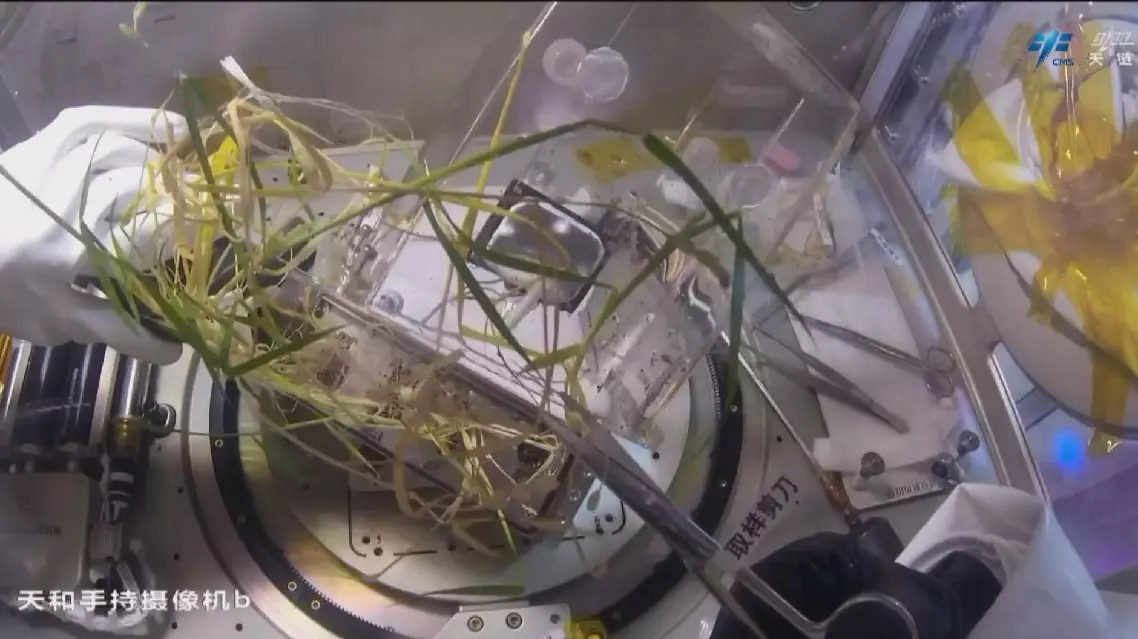
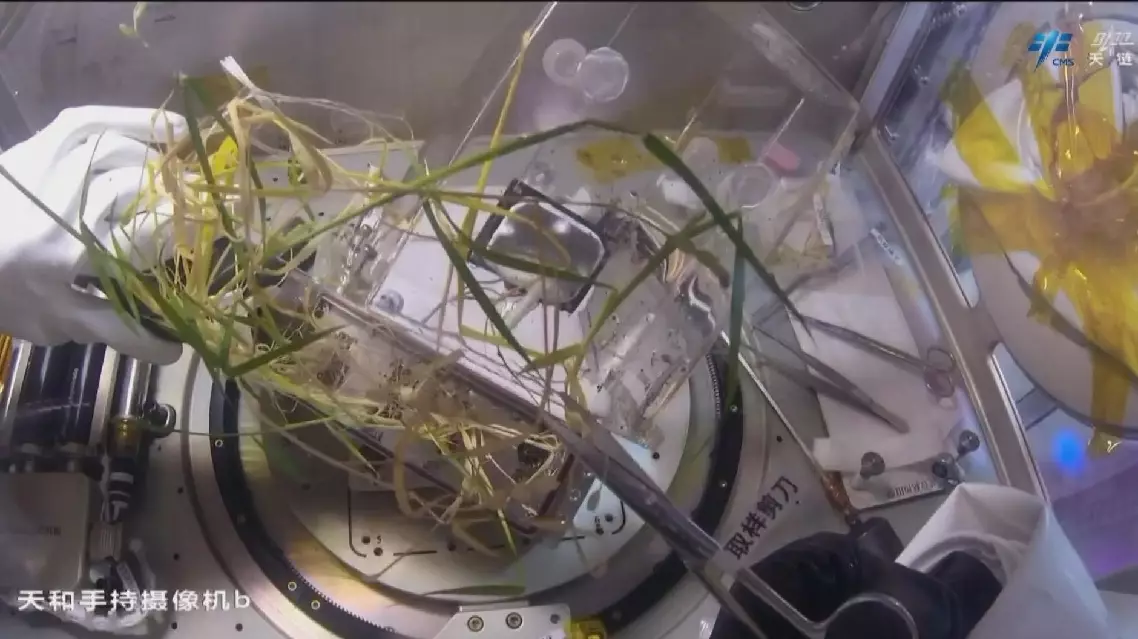
The Shenzhou-23 crew aboard China's Tiangong space station has made new progress in the country's first multi-generational rice cultivation in orbit, completing a new round of sample collection, sowing and storage for the groundbreaking space rice research project.

The research project aims to study the molecular mechanisms of the multi-generational genetic stability and environmental adaptability of rice in microgravity. Over the past week, the three astronauts collected a new batch of samples, which will be returned to Earth for scientists to analyze at the phenotypic and molecular levels, helping reveal how long-term microgravity affects rice genetic stability.

More Images
China's space crew makes new progress in multi-generational rice cultivation in orbit

China's space crew makes new progress in multi-generational rice cultivation in orbit
China's space crew makes new progress in multi-generational rice cultivation in orbit
China's space crew makes new progress in multi-generational rice cultivation in orbit
China's space crew makes new progress in multi-generational rice cultivation in orbit

China's space crew makes new progress in multi-generational rice cultivation in orbit
China's space crew makes new progress in multi-generational rice cultivation in orbit

China's space crew makes new progress in multi-generational rice cultivation in orbit

China's space crew makes new progress in multi-generational rice cultivation in orbit

China's space crew makes new progress in multi-generational rice cultivation in orbit

The crew also conducted touch-interaction tests with their robotic companion "Xiaohang", collecting data on the robot's movements in response to different types of physical contact to improve onboard robot motion planning.

They also completed assessments of emergency decision-making ability and in-orbit emotional state tests, with the data used to study how these change during long-term spaceflight.

In addition, the astronauts carried out data collection for in-orbit exercise research, performed grip strength tests and ultrasound examinations of key anti-gravity muscles, and completed maintenance work on the containerless experiment cabinet.

The crew finished scheduled medical rescue training and a full-system pressure emergency drill, and carried out equipment maintenance, cabin cleaning and regular exercise to maintain good physical and mental conditions for their stay in orbit.

The three Chinese astronauts -- commander Zhu Yangzhu and his crewmates Zhang Zhiyuan and Lai Ka-ying -- were launched aboard the Shenzhou-23 spacecraft on May 24 for a year-long in-orbit residency experiment.

China's space crew makes new progress in multi-generational rice cultivation in orbit

China's space crew makes new progress in multi-generational rice cultivation in orbit
China's space crew makes new progress in multi-generational rice cultivation in orbit

China's space crew makes new progress in multi-generational rice cultivation in orbit

China's space crew makes new progress in multi-generational rice cultivation in orbit

China's space crew makes new progress in multi-generational rice cultivation in orbit

China's space crew makes new progress in multi-generational rice cultivation in orbit

China's space crew makes new progress in multi-generational rice cultivation in orbit

China's space crew makes new progress in multi-generational rice cultivation in orbit

China's space crew makes new progress in multi-generational rice cultivation in orbit

As demand for inference computing rises, Chinese companies are fighting through bottlenecks by upgrading technologies.

Lanxin Computing in south China's Shenzhen City has developed chips that can run large models on all-in-one AI computers.

"In inference computing, the key factor now is token-generation efficiency. With the rapid growth of AI agents, demand is surging across government services, healthcare, finance and other sectors. Our products are currently in short supply," said Xie Shengluo, co-founder of Lanxin Computing.

Electricity supply for chips is also facing pressure. In high-power applications at computing centers, conventional silicon-based solutions are increasingly challenged by energy losses and heat management.

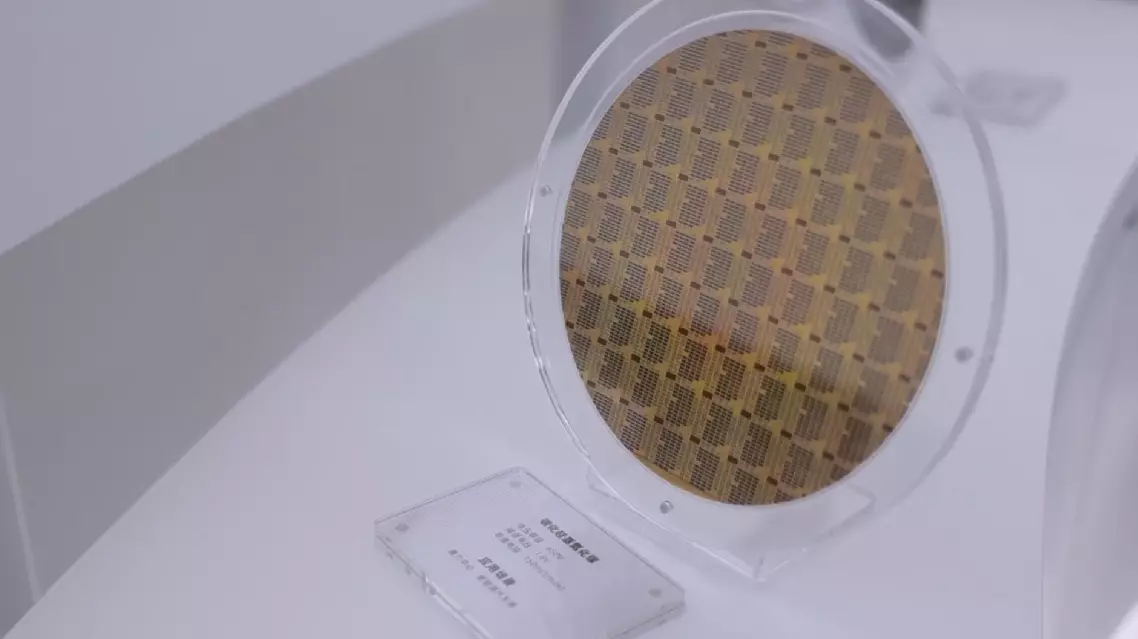
Wan Yuxi, director of Shenzhen Pinghu Laboratory, leads a team that has developed a gallium nitride crystal film on an 8-inch silicon carbide substrate. It can substantially improve both efficiency and power-delivery capacity when used to charge GPUs.

"Previously, the efficiency of the silicon-based gallium nitride devices we used was only around 85 percent. Devices made using our new platform can raise that to around 95 percent. What does that mean? It means by 2035, we estimate that AIDCs (AI computing data centers) in China alone could require as much electricity as the output of five Three Gorges hydropower stations. After a technology upgrade, the energy losses alone could be reduced by an amount equivalent to the electricity generated by half a Three Gorges station," said Wan.

Chinese companies upgrade inference computing technologies to meet AI demands

Chinese companies upgrade inference computing technologies to meet AI demands

Recommended Articles