China will work to advance the formulation of a cultural heritage protection law as part of efforts to better preserve and pass on its cultural heritage, an official said Tuesday.
Hu Kaihong, deputy director of the General Office of the Central Commission for Guiding Cultural and Ethical Progress, told a media conference that the move is outlined in the country's first five-year plan dedicated to cultural heritage protection issued in September.
The plan calls for improving the legal and regulatory framework and strengthening legal safeguards for various types of cultural heritage, including historic and cultural districts, said Hu, also director of the office of the central commission for cultural heritage protection.
Hu said the plan for the 15th Five-Year Plan (2026-2030) period prioritizes protection, promotes the rational use of cultural heritage, and adheres to the principle of minimal intervention while strengthening systematic protection and unified oversight.
The plan sets a target of fully identifying the country's cultural heritage resources by 2030, supported by an improved regulatory framework, a stronger body of laws and regulations, and a growing pool of professionals.
During the next five years, China plans to implement protection and enhancement projects for historic and cultural cities, urban districts and towns. A resident-centered protection implementation mechanism will be established alongside small-scale, incremental restoration work.
"While prioritizing preservation, we aim to ensure that residents living in historic neighborhoods, villages and hutongs enjoy convenient and comfortable lives, seamlessly integrating historical and cultural heritage with modern life," said Vice Minister of Housing and Urban-Rural Development Qin Haixiang.
China is home to 61 UNESCO World Heritage sites, including the Great Wall, the Mogao Caves and the Beijing Central Axis.
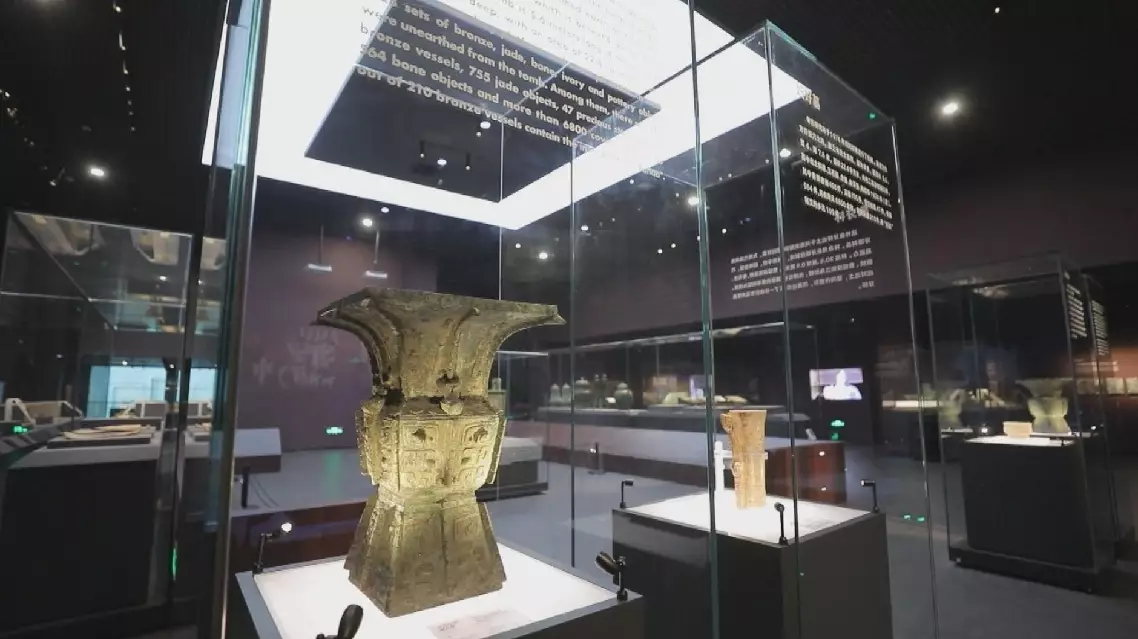
China to advance new legislation on cultural heritage protection