GREEN BAY, Wis.--(BUSINESS WIRE)--Oct 20, 2026--
KI earned 10 Nightingale Awards at the Healthcare Design Conference + Expo 2026 in New Orleans on October 19, recognizing Cognetic Technology™ and the Kiaura Collection™ across four categories: Technology-Integrated Solutions, Guest/Lounge Seating, Conference Seating, and Clinician Support Furniture.
This press release features multimedia. View the full release here: https://www.businesswire.com/news/home/20261020828482/en/
These honors recognize both the innovation behind Cognetic Technology, invented by Aaron DeJule, for its responsive, movement-centered seating and its application across the Kiaura Collection, also designed by DeJule, which reinforces a new approach to seated movement, comfort, and human performance within healthcare environments.
Presented by Healthcare Design Magazine in partnership with Healthcare Design Conference + Expo, the Nightingale Awards recognizes new healthcare and contract products exhibited at the conference that contribute to healing. Products are evaluated by a jury of healthcare interior designers, architects, and facilities executives across criteria including aesthetics and innovation, functionality and quality, contribution to clinical or operational outcomes, industry certifications and standards, environmental sustainability, and pricing. This year, 21 jurors reviewed 70 product entries across 17 categories.
Kiaura received the Best of Competition Award, with jurors recognizing its unique application of Cognetic Technology to bring movement to different seated experiences—spanning task, conference, and lounge seating—and deliver responsive comfort across healthcare spaces for patients, families, caregivers, and staff. In addition to Best of Competition, Kiaura earned three Gold Awards and three Innovation Awards in categories for Guest/Lounge Seating, Conference Seating, and Clinician Support Furniture.
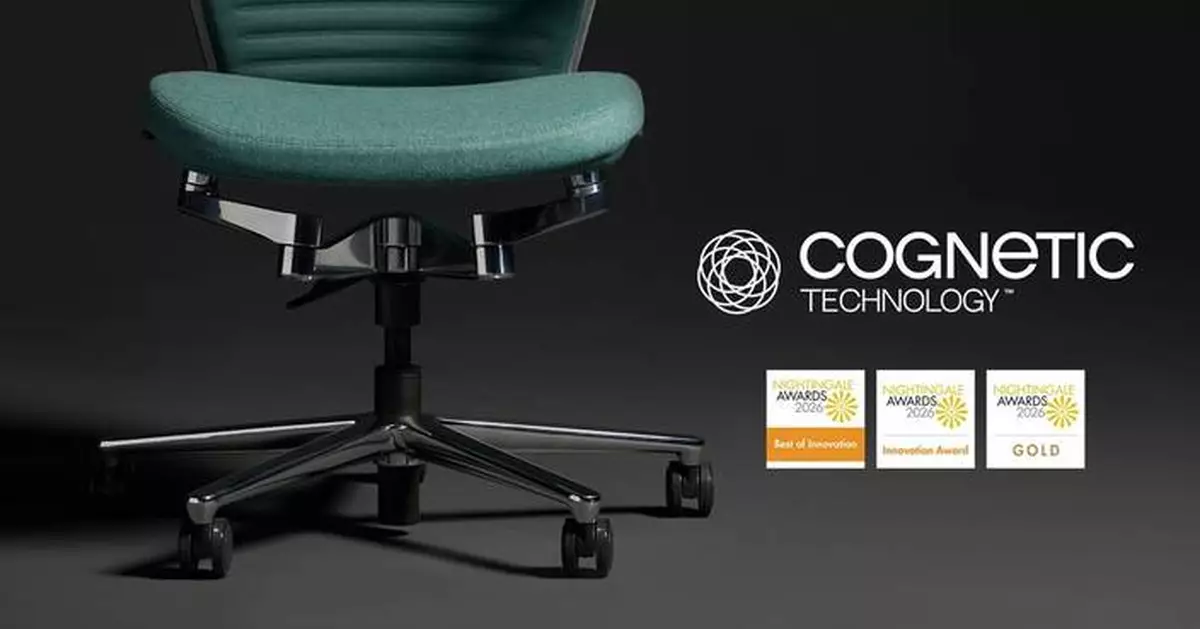
Cognetic Technology received the Best of Innovation Award, recognized by jurors for its gravity-driven, multi-axis motion that continuously responds to subtle body movements, supporting natural posture variability and effortless micro-movements while seated. In addition to Best of Innovation, Cognetic Technology earned Gold and Innovation Awards in the Technology-Integrated Solutions category.
These honors reflect KI’s holistic approach to healthcare design at the Healthcare Design Conference + Expo 2026, exploring how the environment can support human performance through movement, adaptability, and restoration. The recognition underscores the importance of developing solutions around the realities of healthcare environments, where products must balance design intent with demanding requirements for functionality, durability, safety, performance, and long-term value.
“Receiving 10 Nightingale Awards—including Best of Competition and Best of Innovation Awards—is an incredible honor because it means our work is being recognized by people who understand the complexities of healthcare design and the demands these environments place on products,” said Trish Fedel, director of healthcare markets for KI. “Healthcare designers are constantly balancing the needs of patients, visitors, staff, and the organizations they serve. To have Kiaura and Cognetic Technology recognized within that context is deeply meaningful to KI and reinforces our commitment to developing solutions that thoughtfully contribute to the needs of healthcare environments and how people experience them.”
Across its healthcare portfolio, KI is exploring how design can support the people who use healthcare environments in different ways. That includes considering how people move and work, how spaces can adapt as care models evolve, and how thoughtful material and furniture selections can contribute to environments that feel comfortable and supportive without compromising performance.
The Nightingale Awards add an important external perspective to that work, recognizing KI solutions within a competition specifically designed to evaluate how products contribute to healthcare environments.
Attendees can see Kiaura and Cognetic Technology, along with KI’s broader furniture portfolio, at Booth #1701 at the Healthcare Design Conference + Expo 2026 through October 20. Additional information can be found at ki.com/healthcaredesign.
ABOUT KI
KI manufactures innovative furniture for education, healthcare, government, and corporate markets. The employee-owned company is headquartered in Green Bay, Wisconsin, with sales and manufacturing facilities worldwide. KI tailors products and service solutions to the specific needs of each customer through its unique design and manufacturing philosophy. For more information, visit ki.com.
ABOUT AARON DEJULE
Aaron DeJule is an industrial designer and founder of DeJule LLC, with a career spanning more than two decades focused on advancing the experience of seating. A graduate of the Institute of Design in Chicago, he has partnered with leading manufacturers to develop award-winning furniture and lighting solutions recognized with honors including IDSA Gold and NeoCon Gold and Silver. DeJule is the inventor of Cognetic Technology and designer of the Kiaura Collection, a new approach to seating that rethinks the relationship between movement, comfort, and performance.
INVENTOR & DESIGN ATTRIBUTION
Cognetic Technology™ is a patented seating innovation invented by Aaron DeJule, founder of DeJule LLC. The Kiaura Collection™, designed by Aaron DeJule, is the first seating collection built with Cognetic Technology and is exclusively manufactured by KI.
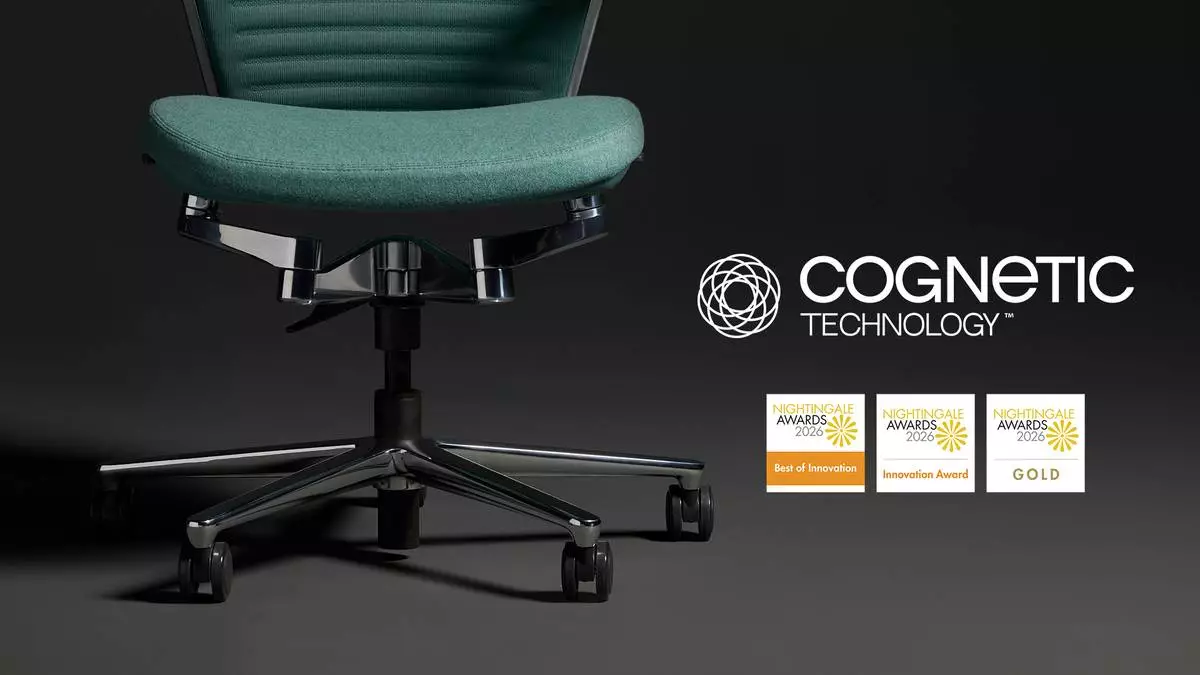
Cognetic Technology™ and the Kiaura Collection™ are recognized for innovations supporting movement, comfort, and human performance in healthcare environments.