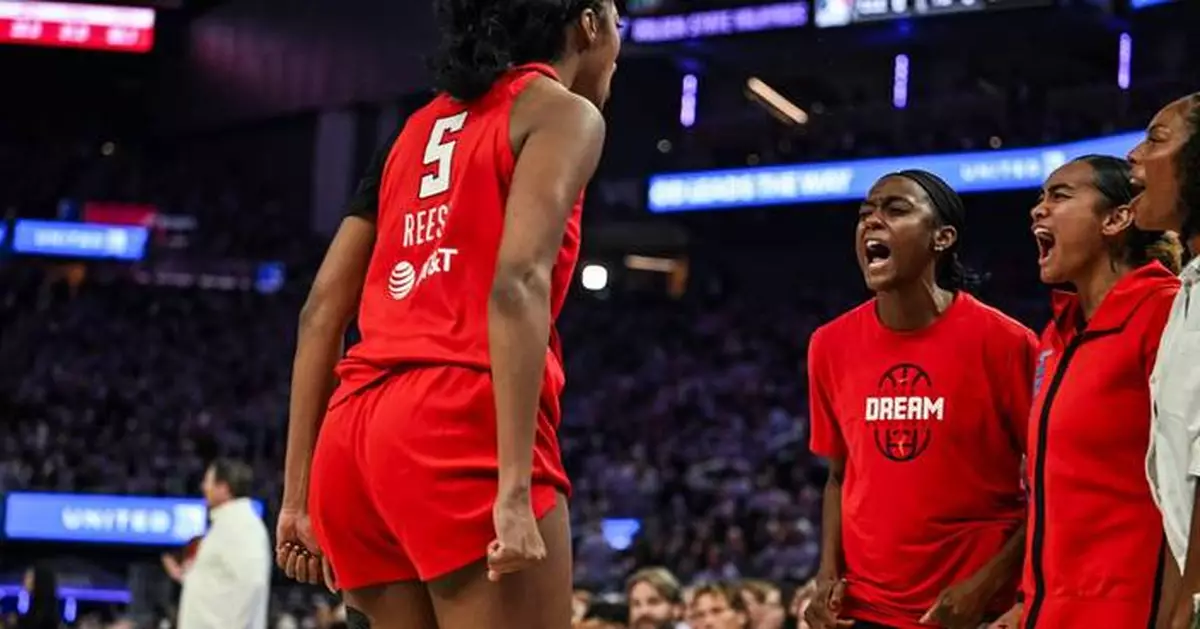
SAN FRANCISCO (AP) — Well before tipoff, Atlanta coach Karl Smesko could see it in his superstar’s face: a sheer focus and fierce determination fixed on a single purpose to take over in every aspect.
Angel Reese fully realized her team couldn’t afford to fall behind by two games to the Golden State Valkyries in the best-of-seven WNBA Finals as the series shifts to Atlanta, so she led the charge on both ends and grabbed back some momentum for the Dream as they evened the series at one game apiece Monday night.
Click to Gallery
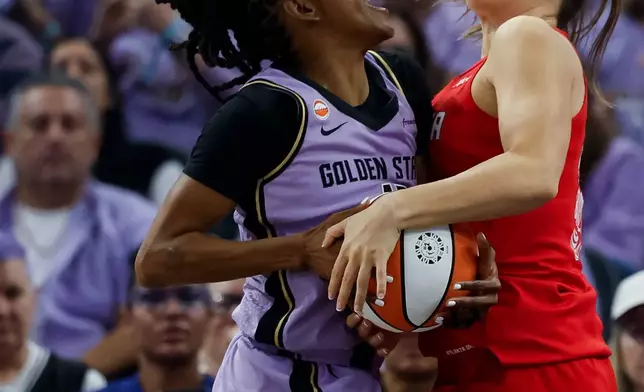
Golden State Valkyries guard Tiffany Hayes, left, and Atlanta Dream guard Isobel Borlase, right, compete for possession of the ball during the first half of Game 2 of the WNBA basketball finals in San Francisco, Monday, Oct. 19, 2026. (Carlos Avila Gonzalez/San Francisco Chronicle via AP)
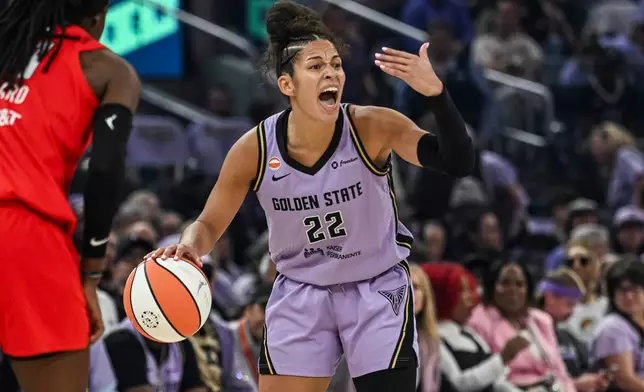
Golden State Valkyries guard Veronica Burton (22) calls a play against the Atlanta Dream during the first half of Game 2 of the WNBA basketball finals, Monday, Oct. 19, 2026, in San Francisco. (AP Photo/Justine Willard)
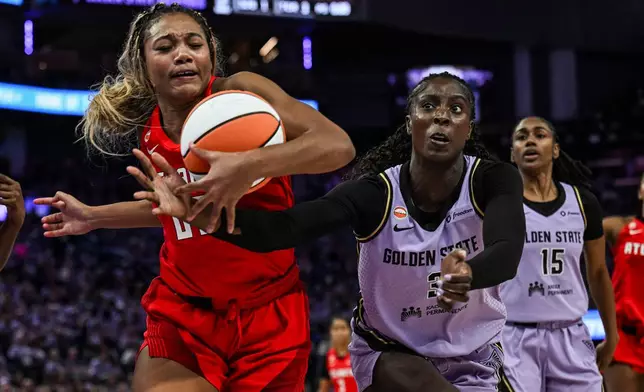
Atlanta Dream forward Naz Hillmon, left, and Golden State Valkyries forward Laeticia Amihere (3) go for the ball during the second half of Game 2 of the WNBA basketball finals, Monday, Oct. 19, 2026, in San Francisco. (AP Photo/Justine Willard)
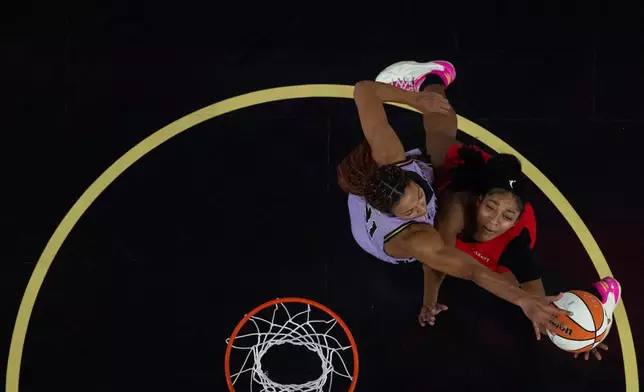
Golden State Valkyries center Kiah Stokes (41) blocks a shot by Atlanta Dream forward Angel Reese (5) during the first half of Game 2 of the WNBA basketball finals Monday, Oct. 19, 2026, in San Francisco. (Carlos Avila Gonzalez/San Francisco Chronicle via AP)
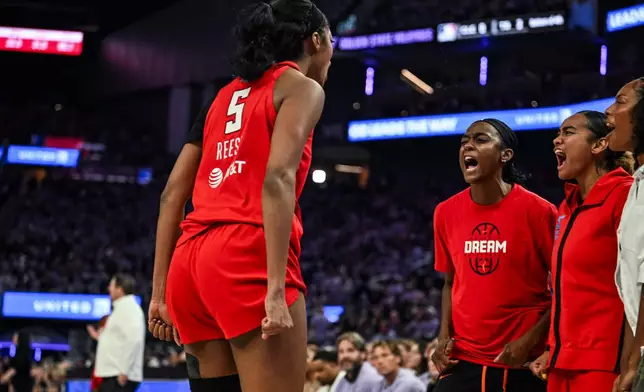
Atlanta Dream forward Angel Reese (5) reacts after an and-one foul during the second half of Game 2 of the WNBA basketball finals against the Golden State Valkyries, Monday, Oct. 19, 2026, in San Francisco. (AP Photo/Justine Willard)
“Even from going in the locker room, first person I made eye contact with was Angel and I’m like: ‘Oh, I like this look. I like this look,'” Smesko, Atlanta’s second-year coach, said with a chuckle. “She started off aggressive. One thing we try to do is just give her a couple more breaks during the game, so that she can just keep that intensity going throughout the entire game, and she was just fantastic. Just on both ends of the floor, just a superior performance.”
The Dream won Game 2 79-65 as Reese delivered 30 points and 16 rebounds and Rhyne Howard set a WNBA Finals single-game record with six steals. That smothering defense flustered the Valkyries into committing 19 turnovers that led to 24 points for Atlanta. Game 3 is Wednesday night.
Now that her team has finally won its first Finals game after an 0-10 showing, which spanned three previous berths, Reese understands the defense and grit it will take to slow down Gabby Williams and a Golden State team that takes the same kind of pride in its top-notch defense — and did all season long to earn the league's No. 2 seed in just the second year for the franchise.
Reese felt she had failed the Dream when the Vallkyries buckled down on her leading to a scoreless second half in a 68-64 Game 1 defeat Saturday. She made sure it went differently Monday.
“I was hungry. I wanted one and we let one slip away and you can’t do that, especially on the road,” Reese said. “This is a good environment and a good team. We all came together and we were pissed. We felt disappointed. We felt embarrassed, and we didn’t like the outcome of that last game.”
After Game 2, Golden State point guard Veronica Burton felt similar emotions given her team's season-high turnovers, noting: “It starts with me.”
“It’s controllable, it’s definitely controllable,” coach Natalie Nakase said afterward.
“Just credit to them their effort, their hustle, their fight. I thought they did an excellent job getting into those lanes and creating those turnovers.”
The 24-year-old Reese became the youngest player to have a 30-point, 15-rebound performance in a playoff game and one of just six players ever to accomplish the feat in the postseason — joining Jonquel Jones of Connecticut in 2019 and Breanna Stewart for Seattle in 2020 as the only others to do so on the Finals stage.
At every chance, Reese called for the ball.
“Just the energy that she brings for our team, we feed off of that,” said guard Jordin Canada, who contributed 13 points, 10 assists and seven rebounds. “So when she’s in that mode, we know we’ve got to give her the ball to some form of capacity, and try to give her as much space as she can to attack and do what she does best.”
The Dream will now be counting on their home crowd after dealing with the noise from Golden State's loyal, supportive “Ballhalla” fans. Games 3 and 4 were moved to State Farm Arena to accommodate more people — the Hawks' arena can host some 17,000 — than Atlanta's regular 3,500-seat Gateway Center Arena. Chase Center, meanwhile, has attracted sellout crowds of 18,064 for every Valkyries game since they started as an expansion franchise last year.
One of these teams will capture its first championship, and Reese wants to lead the way in the Dream taking the next big step to building something special for the long term.
“I think it's just the start,” she said. “Throughout the entire year we just continued to stick together and know who we are and we have the city behind us, we have the team, we have the coaches and everybody rally behind us so it feels really good. It's just the next step of who Atlanta is and who Atlanta is going to continue to be for the next couple years.”
See AP’s full WNBA coverage here
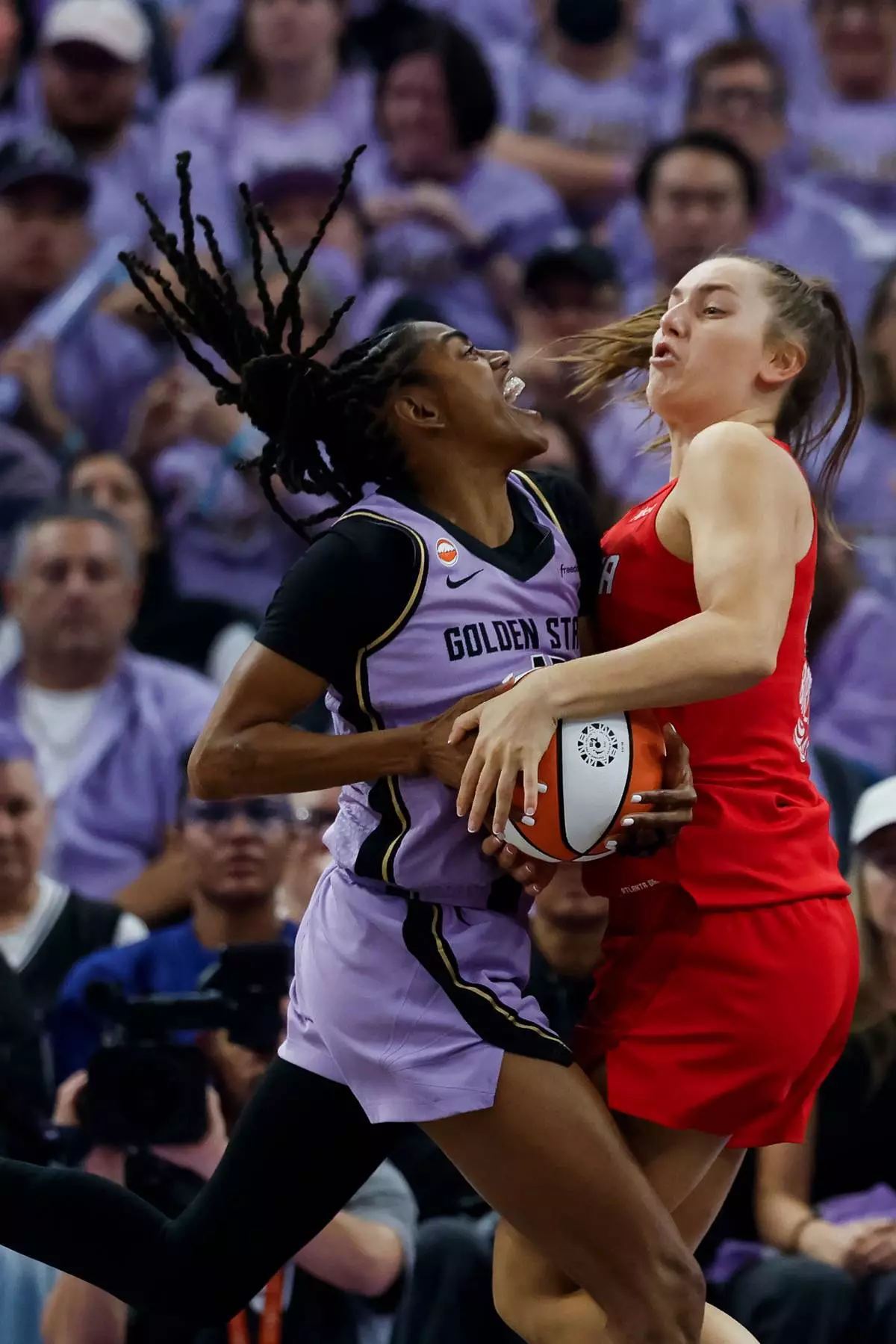
Golden State Valkyries guard Tiffany Hayes, left, and Atlanta Dream guard Isobel Borlase, right, compete for possession of the ball during the first half of Game 2 of the WNBA basketball finals in San Francisco, Monday, Oct. 19, 2026. (Carlos Avila Gonzalez/San Francisco Chronicle via AP)
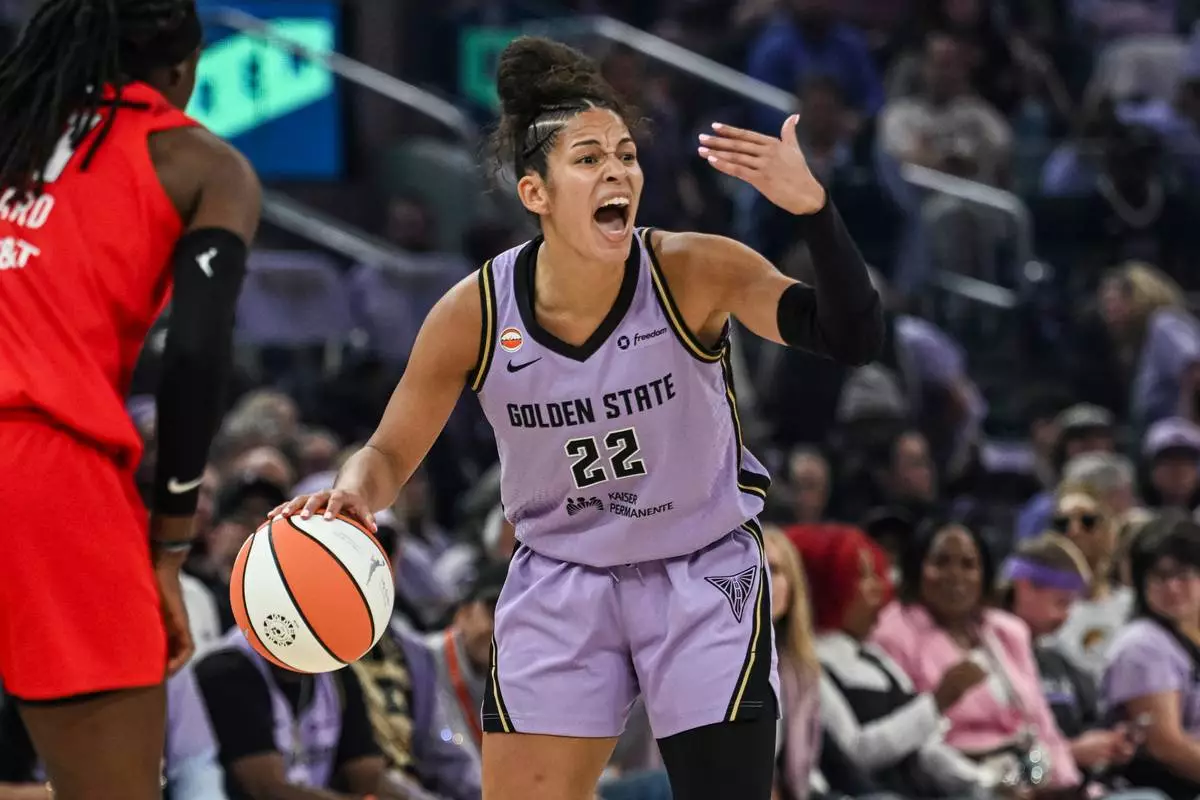
Golden State Valkyries guard Veronica Burton (22) calls a play against the Atlanta Dream during the first half of Game 2 of the WNBA basketball finals, Monday, Oct. 19, 2026, in San Francisco. (AP Photo/Justine Willard)
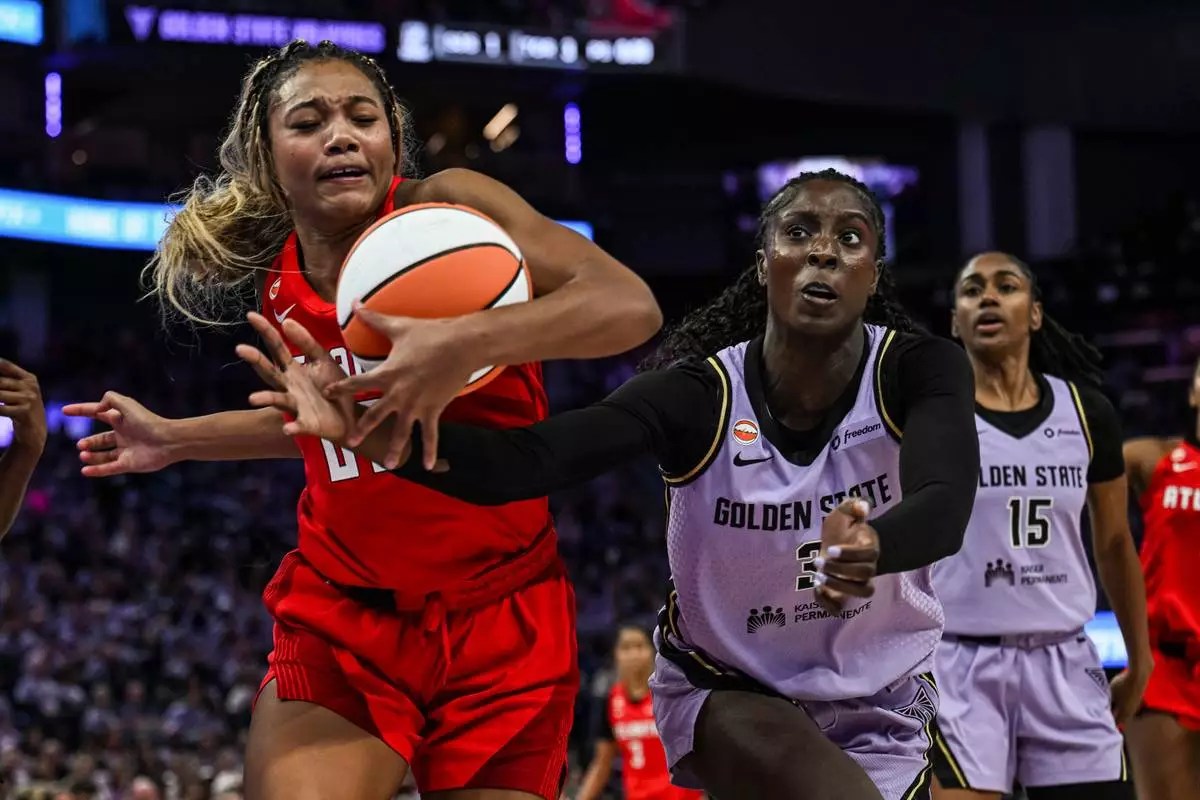
Atlanta Dream forward Naz Hillmon, left, and Golden State Valkyries forward Laeticia Amihere (3) go for the ball during the second half of Game 2 of the WNBA basketball finals, Monday, Oct. 19, 2026, in San Francisco. (AP Photo/Justine Willard)
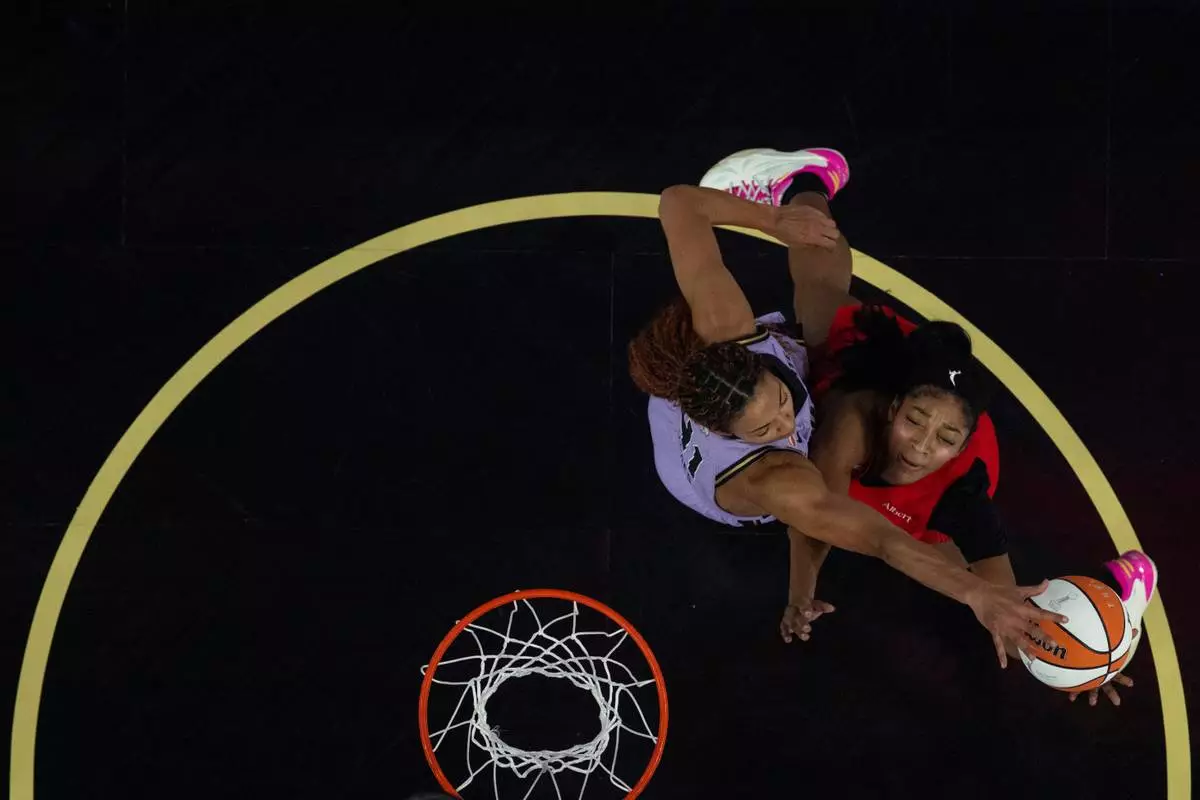
Golden State Valkyries center Kiah Stokes (41) blocks a shot by Atlanta Dream forward Angel Reese (5) during the first half of Game 2 of the WNBA basketball finals Monday, Oct. 19, 2026, in San Francisco. (Carlos Avila Gonzalez/San Francisco Chronicle via AP)
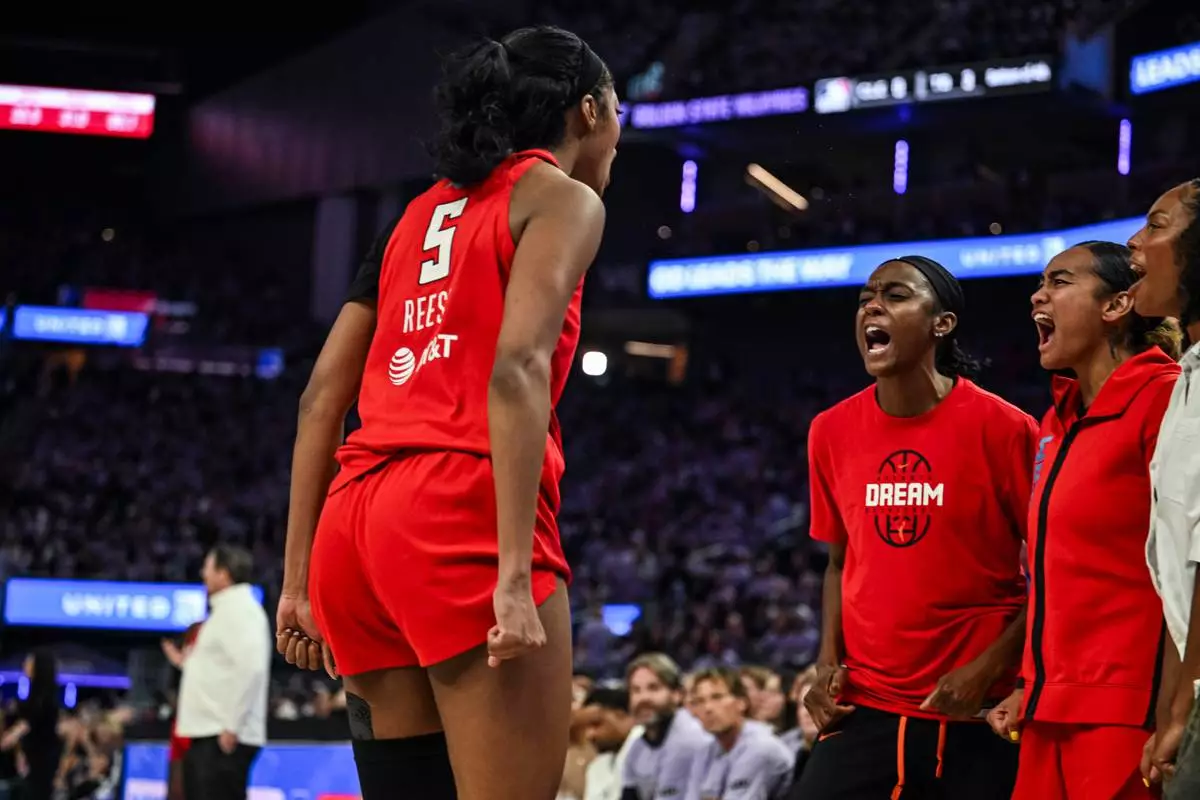
Atlanta Dream forward Angel Reese (5) reacts after an and-one foul during the second half of Game 2 of the WNBA basketball finals against the Golden State Valkyries, Monday, Oct. 19, 2026, in San Francisco. (AP Photo/Justine Willard)