GREEN BAY, Wis. (AP) — Green Bay Packers running back Josh Jacobs expressed contrition as he returned to practice Wednesday and talked to reporters for the first time since pleading no contest to two misdemeanor charges stemming from a May altercation with his then-girlfriend during which she said he threw her to the ground.
“Obviously, man, I’m remorseful and sorry for putting this team in this situation,” Jacobs said. “Sometimes when you go through life, situations occur and a four-second, three-second decision can alter your life, honestly.”
Jacobs was removed this week from the commissioner’s exempt list, which had prevented him from playing or practicing. The NFL had placed Jacobs on that list Aug. 30, shortly after charges were filed against him. He pleaded no contest last month to misdemeanor counts of battery and criminal damage to property.
The NFL is still investigating Jacobs over the incident, so the league still could hand out more discipline to the three-time Pro Bowl running back. But for now, Jacobs is eligible to play again for the Packers after missing the first six games of the season.
“I thought I’d be playing sooner,” Jacobs said. “But, you know, the optics of everything, I understand the other side. For me, like I said, I’m just grateful to be able to play. It was one of them things where I didn’t want to sit the whole year and then figure it out. I’m just grateful to be back on the team and to be back playing.”
Jacobs was arrested May 26, three days after police officers came to his Wisconsin home to investigate a disturbance. According to police, the woman told them that Jacobs grabbed her and threw her to the ground as she was trying to exit a garage door, causing her to hit her head. Police said Jacobs also took her phone from her while she was on the ground.
Police said they noticed redness on her face and neck and could feel a bump on the back of her head.
The criminal complaint against him noted that a surveillance video from the camera system in their garage corroborated the woman’s statement. Both Jacobs and the victim have gone to court attempting to have that video and other evidence sealed permanently.
Jacobs declined to discuss the specifics of his case but said he hopes to use the situation as an opportunity to grow into a better person.
“Obviously you never want to be in this situation, but just me being honest, for my life, it was probably one of the best things to ever happen to me,” Jacobs said. “I say that because it gave me a chance to sit down and reevaluate what’s important and what I want my life to look like, and what do I want people to know me for. When they think of me, what are they going to say?”
Jacobs was asked Wednesday if he’d feared the possibility he might never play again after his arrest.
“I wasn’t overly concerned about that because in my heart, I know what happened and what didn’t happen,” Jacobs said. “And I’ll just trust the legal process. So for me, I wasn’t ever overly concerned of not playing again. It was just a matter of when.”
Green Bay quarterback Jordan Love said Jacobs had spoken to the team about the situation back when the incident occurred and added that the Packers are “happy to have Josh back, for sure.” Green Bay’s offense ranks last in the NFL in yards rushing per game (59.8) and yards per carry (2.9).
Coach Matt LaFleur hasn’t indicated what kind of workload Jacobs might get Sunday at Detroit, or even whether he would play at all. Jacobs was unable to practice or play while on the commissioner’s exempt list, but he was able to attend meetings and lift weights and condition with the Packers’ strength coaches.
“I think people learn from their mistakes and I think he’s extremely remorseful and I do believe that he’s a good person,” LaFleur said. “I’ve been around him quite a bit and I just, I believe in second chances.”
LaFleur’s comment Wednesday was more measured than what he said Sept. 1, after the charges were filed but before Jacobs pleaded no contest to the two misdemeanors. LaFleur said then that “I believe him and I trust him” and added that “I’m going to do that until proven otherwise.”
Jacobs was asked if he feels he needs to earn back the respect of teammates and what he would say to fans.
“I don’t think I had to earn respect back from the guys because I’m the same person every day,” Jacobs said. “Like I said, at the end of the day, we’re human. We all make mistakes. It’s just different for me because I’m in the public eye. But you know, like I said, I’ll let other people speak to my character and who I am and who I consistently have been.
“When it comes to earning the respect of the fans, I mean, for me, it’s more of a thing of not trying to put this organization in a position where it looks negative in any type of way. But at the end of the day, people are always going to have their opinion. People are going to believe what they believe, and it’s not really my job to try to explain or discount certain things. All I can try to do is control what I can control and move on from there.”
See AP’s full NFL coverage here
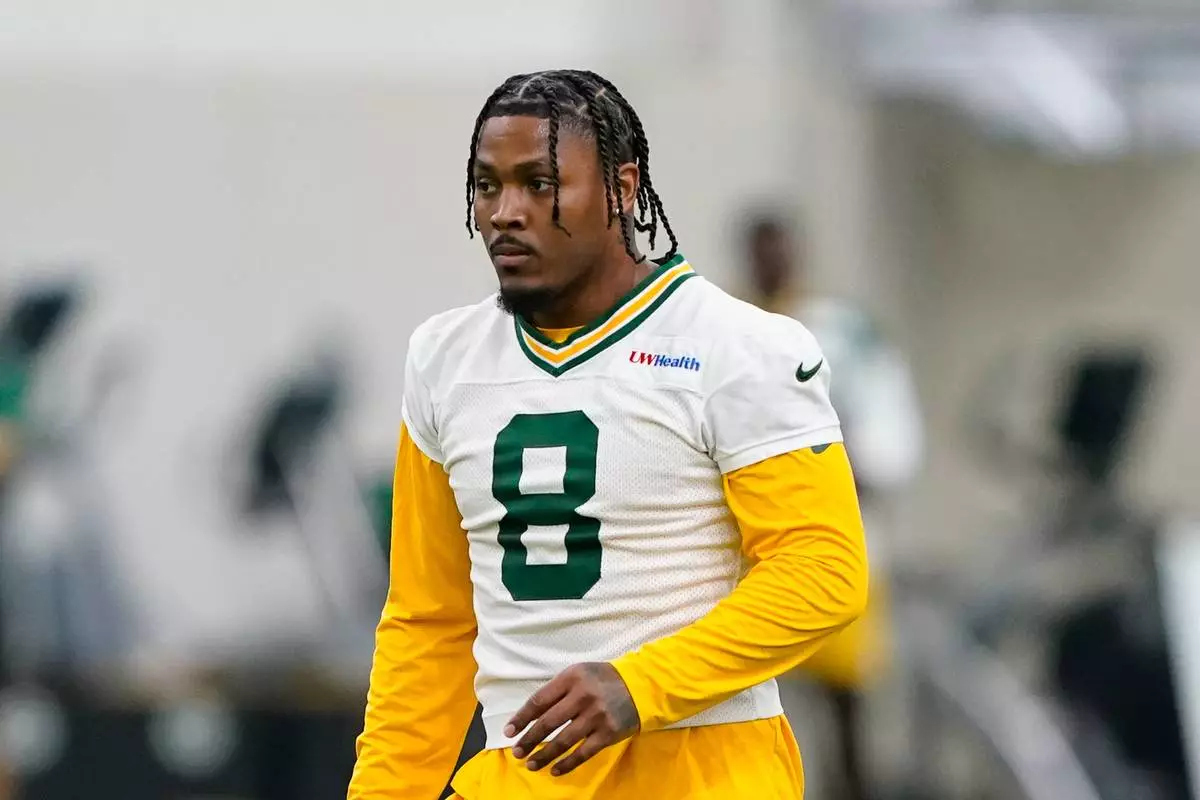
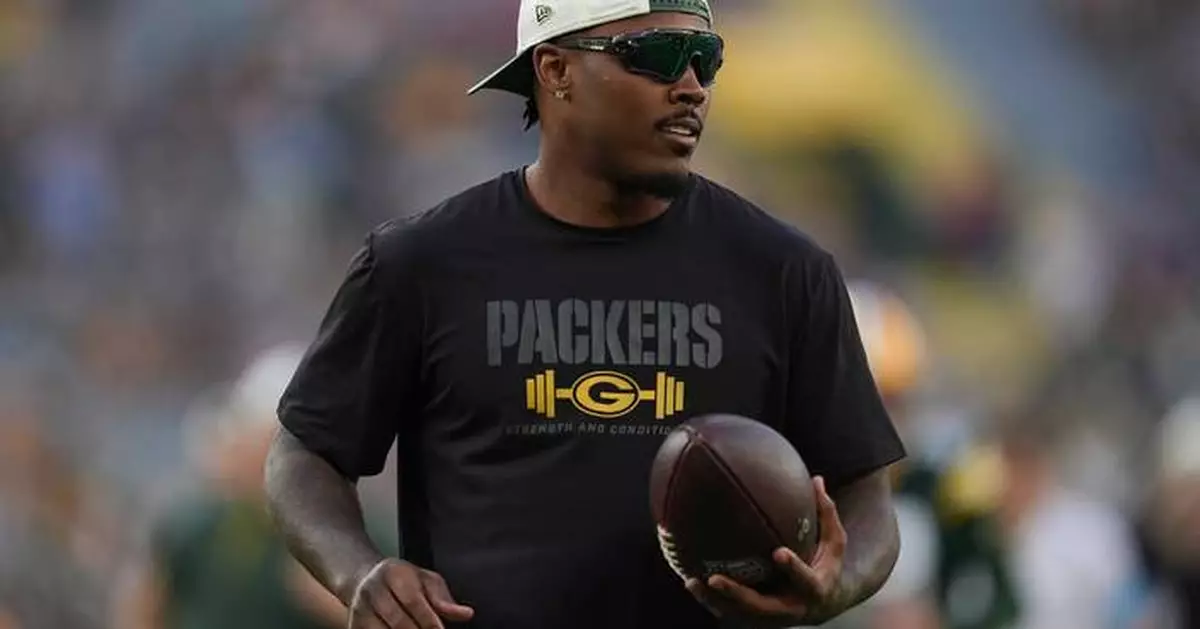
FILE - Green Bay Packers running back Josh Jacobs works out during NFL football practice, June 9, 2026, in Green Bay, Wis. (AP Photo/Kayla Wolf, File)
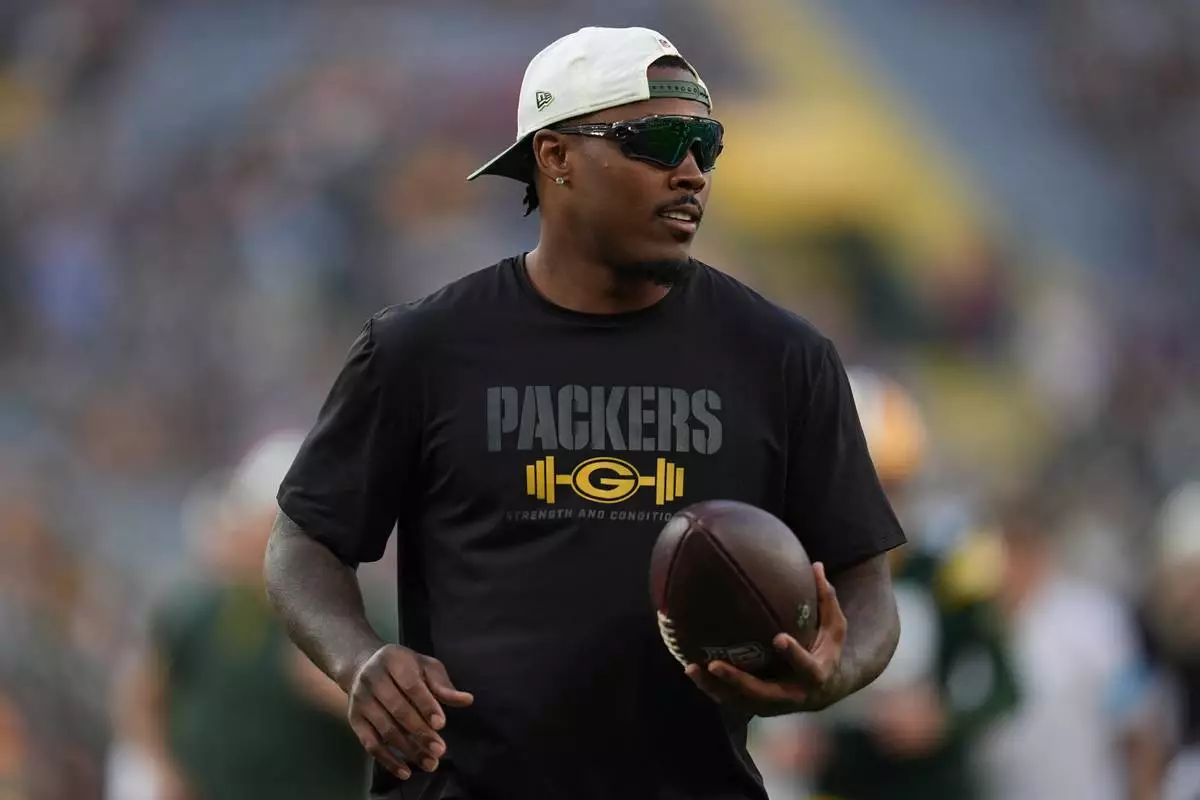
FILE - Green Bay Packers running back Josh Jacobs stands on the field before a preseason NFL football game against the Arizona Cardinals, Aug. 28, 2026, in Green Bay, Wis. (AP Photo/Abbie Parr, File)
HURST, Texas (AP) — Keith Castello spends a lot of time praying about available real estate. Driving in his white pickup under a glaring Texas sun, the classical Christian school administrator points out empty office parks, a shopping mall, and an old church — all locations he is scouting for new Christian schools.
Demand is booming, he says. And part of that demand comes from a new state incentive: taxpayer money for kids who attend Christian schools.
This summer, Texas began rolling out $1 billion in public funding that eligible families can put toward private education expenses. Republican-controlled state legislatures around the country have approved a cascade of similar programs in the past six years, alarming public school advocates.
These programs mean half of school-age children in the United States are now eligible to apply for state money to attend private schools. In the U.S., most private schools are religious. Securing public money for them raises issues over church-state separation but fulfills a longstanding goal for Christian conservatives, who lobbied for this funding.
“I have been praying for 28 years for things that are coming to fruition right now,” said Castello, who is launching three classical Christian schools this fall under his Kyrie Christian Academy brand.
Those suburban Texas schools are part of a larger network, the Association of Classical Christian Schools, which has ties to the Trump administration and was founded by Doug Wilson, a conservative Idaho pastor and writer. The schools offer a liberal arts education, with an added emphasis on virtue and a biblical worldview.
The annual ACCS conference in June in Atlanta buzzed with talk of the historic shift in school funding, which bolsters a conservative Christian push to remake the education landscape. Critics worry it will drain public schools, which educate students of all religious backgrounds and political persuasions. When students leave their public school, state money allocated to educate each student goes away too.
Conservatives are banding together to leverage these expanding taxpayer-funded scholarships. Last year, ACCS formed a coalition with some powerful conservative groups, including Turning Point Education and the Heritage Foundation. Their goal is to convert or create 5,000 new classical Christian schools in the next decade with 1.5 million students nationwide.
The aim, according to ACCS President David Goodwin, is to take a share of public funding and educate future leaders through Christian schools. “It sounds like a very ambitious goal, but this money has never been there before,” he said.
The Association of Classical Christian Schools calls its campaign the “Battle for the American School.” It’s a riff on the 2022 bestselling book Goodwin co-wrote with Defense Secretary Pete Hegseth, who sent his children to ACCS schools before joining President Donald Trump’s cabinet. Their book, “Battle for the American Mind,” extols classical education and critiques the prevailing public school model.
Hegseth remains a booster: The Pentagon recently introduced a form of classical education into government-run schools on military bases.
The ACCS version of classical Christian education is proudly erudite: The Oxford-educated Christian writer C.S. Lewis is a lodestar, and students study the “great books.” Its teaching methods draw from ancient and medieval sources with a strong focus on Western Christian history.
The schools have their roots in a radical source. Wilson, the founder of ACCS, is a self-described Christian nationalist who has made headlines for preaching at a Pentagon worship service and advocating for the repeal of women’s voting rights. For more than four decades, he has also been a pioneer in classical Christian education.
In 1981, he helped start the Logos School in Moscow, Idaho, one of the first in the modern classical Christian movement. He founded ACCS in 1994.
At the June conference, Wilson told a packed ballroom of 1,000 ACCS leaders they can’t opt out of the culture wars.
Education is “the central cultural battle,” he argued. He repeated for emphasis the refrain: “Classical Christian education is a hot center of the conflict of our time.”
On a Wednesday in August, the school year begins at Covenant Christian Academy, an ACCS school in the Dallas-Fort Worth suburbs. Well-behaved children in lower grades file into chapel in the cafeteria, all wearing blue oxford shirts, the girls in blue-and-white plaid skirts and dresses. The principal gives a talk on the virtue of prudence.
By the time these students are in fifth grade, they will study Latin, in a building where bulletin boards now feature quotes from Cicero and St. Augustine. In their final year, they will present a senior thesis. Most will go on to college, many at public universities, some at Christian colleges.
Castello was at Covenant Christian Academy for 20 years. While he was headmaster, the academy expanded its campus and grew from 275 students to more than 600. Though he is a product of public schools — good ones, he’s quick to note — he is now a foot soldier in this battle for private education.
When he began his teaching career after seminary, he loved how academics came alive at schools like Covenant: “Every class was grounded on the word of God, it was rooted in truth, it was meant to be transformative in the lives of students.”
But private schools can be financially out of reach for families. It was a struggle for Castello and his wife to afford Covenant for their two sons. He knew most members of his Southern Baptist church could not pay the tuition, now around $20,000, so he helped raise scholarship money and ramped up financial aid.
Now that Texas offers money for private school tuition, he encourages parents to use it.
When Gwen Albaugh’s husband died from cancer three years ago, Castello secured a scholarship for her two children to attend Covenant. She said, “I know that they are somewhere that they are being taught the foundational work, whether that be academics or faith-wise, and I’m able to now provide for our family.”
After Texas launched its education savings accounts this year, Albaugh’s children were among at least 78 Covenant students who qualified for the program.
For years, Democrats and rural Republicans in Texas blocked efforts to create education savings accounts.
“They were worried, I think rightfully, about what it would do to public schools in rural areas,” said Douglas Harris, an economist at Tulane who studies school choice.
Advocates also warned these programs entwine government and religion by diverting taxpayer money to Christian schools.
“It’s an abject violation of religious freedom to force a taxpayer to fund a school that discriminates against their faith,” said Rachel Laser, head of the advocacy group Americans United for Separation of Church and State.
Classical education, popular among conservatives, was already on the rise before more taxpayer funds became available. It exists in many forms, in religious schools outside ACCS, homeschooling groups, secular and charter schools. Many classical Christian schools go a step further in their focus on reclaiming and promoting Western Christian culture.
ACCS is an accrediting body and the oldest network of classical Christian schools. Its membership includes about 500 schools, but it has grown by nearly 200 schools since 2019. Goodwin, its president, credits a pandemic-era mistrust of public education, when debates ignited over school closures, books, race, sexuality and gender identity.
Not all ACCS schools accept government money, but many that do now advertise state funding options on their websites.
“What we’re trying to do is take enough of the public school share that we can change the country’s direction with powerful leadership coming out of these classical Christian schools,” Goodwin said in a promotional video.
Wilson echoed that idea. “We are training and educating leaders,” he told The Associated Press. “We teach them how to analyze, how to take arguments apart, how to understand what your opponent is saying and represent it accurately.”
Wilson can be a provocateur, suggesting homosexuality should be criminalized and criticizing Muslim immigration to the U.S. His Idaho church prefers heads of households, usually men, to vote. He describes his politics as “slightly to the right” of Confederate Gen. J.E.B. Stuart.
Castello labels some of Wilson’s statements as “vilely offensive.” He compares Wilson to a family elder, one who deserves respect, but also has some reprehensible views.
ACCS is less pugilistic than its founder. It includes socially conservative Christians across denominations and hasn’t adopted Wilson’s more fringe beliefs. Schools agree to a statement of faith, including that same-sex relationships and gender transitions are off-limits, but families may not be aware of Wilson’s teachings or influence. He still advises the ACCS board, though, and his books are required reading in some of its schools.
Wilson is part of the reason three mothers pulled their children this year from a San Diego-area Christian school, which pursued an affiliation with ACCS. They opposed his patriarchal, controversial views and were concerned when students received humanities coursework Wilson wrote.
In one of the texts students read, a commentary on C.S. Lewis, Wilson defends the author’s “historic Christian understanding of the relationship of men and women.” He calls Islam and Hinduism “false religions.”
Sarah Stankorb, an author who covered Wilson in her book “Disobedient Women,” said ACCS schools are “definitely a mode of transmission into the Doug Wilson pipeline.”
At Coram Deo Academy, an ACCS school where Castello served as vice president of operations until last year, more than 360 students out of 2,000 have been approved for Texas Education Freedom Accounts, or TEFA.
Coram Deo could potentially receive $3.5 million in TEFA funds this year, equal to nearly 17% of its budget, according to Scott Head, the school’s chief financial officer. The taxpayer funds are also on track to cover half of the school’s financial aid budget.
The Texas program prioritizes low-income students and those with disabilities, but its income limits this year go up to $165,000 for a family of four, opening the door to middle-income families. Eligible students can receive at least $10,474 for private school, which covers Coram Deo’s average tuition. The school’s hybrid model keeps costs lower because students are homeschooled part of the week.
Nathanael Wydner graduated from Coram Deo, but he and his wife Candice could not afford to send both of their children on his salary alone. They cried when they got off the TEFA waitlist.
“This year and probably for years to come, it’s everything. It’s the only way that this works for us,” Wydner said.
At one of Castello’s startup schools, 22 out of 25 students are using TEFA this year.
The Rev. Victor Shahat, head of St. Clement Orthodox Christian Academy, said, “I can’t imagine without TEFA we can open the school this year at all.”
The TEFA program is not conducive to startups, since vendor schools must be in operation for two years. Castello qualified because he ran a microschool for seven years at a tennis club for the owners’ children. His Kyrie organization now serves as a TEFA conduit for three new locations.
Castello said the influx of taxpayer money “completely transforms the possibility” of increasing access to Christian education.
“We’re on a massive inflection point in the Christian school movement,” Castello tells a sanctuary full of Christian-school parents one Monday evening.
Standing behind the lectern, cowboy boots under his dress slacks, he predicts Texas will increase the funding for its education savings accounts — an outcome that may hinge on whether the Republican or Democrat wins the governor’s race this November. He tells the audience about a new federal tax credit, which will also send money to private schools.
There are murmurs of approval and “amens” when he mentions how Christian schools will benefit.
Hours earlier, Castello had walked through his newest school, Southlake Christian Academy, located in a church. Supplies crowded an office, and the sound of drilling echoed as contractors installed security cameras.
The campus opened with six students this year, but Castello has big plans for it. A longtime coach, he hopes to add athletic facilities, and he has brought on a real estate consultant.
He plans to talk to lawmakers about making it easier for private schools like his to buy shuttered public school buildings.
He has heard the critiques that these programs will hurt public schools. He counters that he and other private school parents still pay taxes that support public education.
“I’m not against the public schools,” Castello said, though he doesn’t see them as religiously neutral, calling them “secular humanist schools.”
The line between public and private schools is blurring.
“If private schools are being funded by taxpayer funds, then what is the difference between public and private?” he asked.
Associated Press religion coverage receives support through the AP’s collaboration with The Conversation US, with funding from Lilly Endowment Inc. The AP is solely responsible for this content.
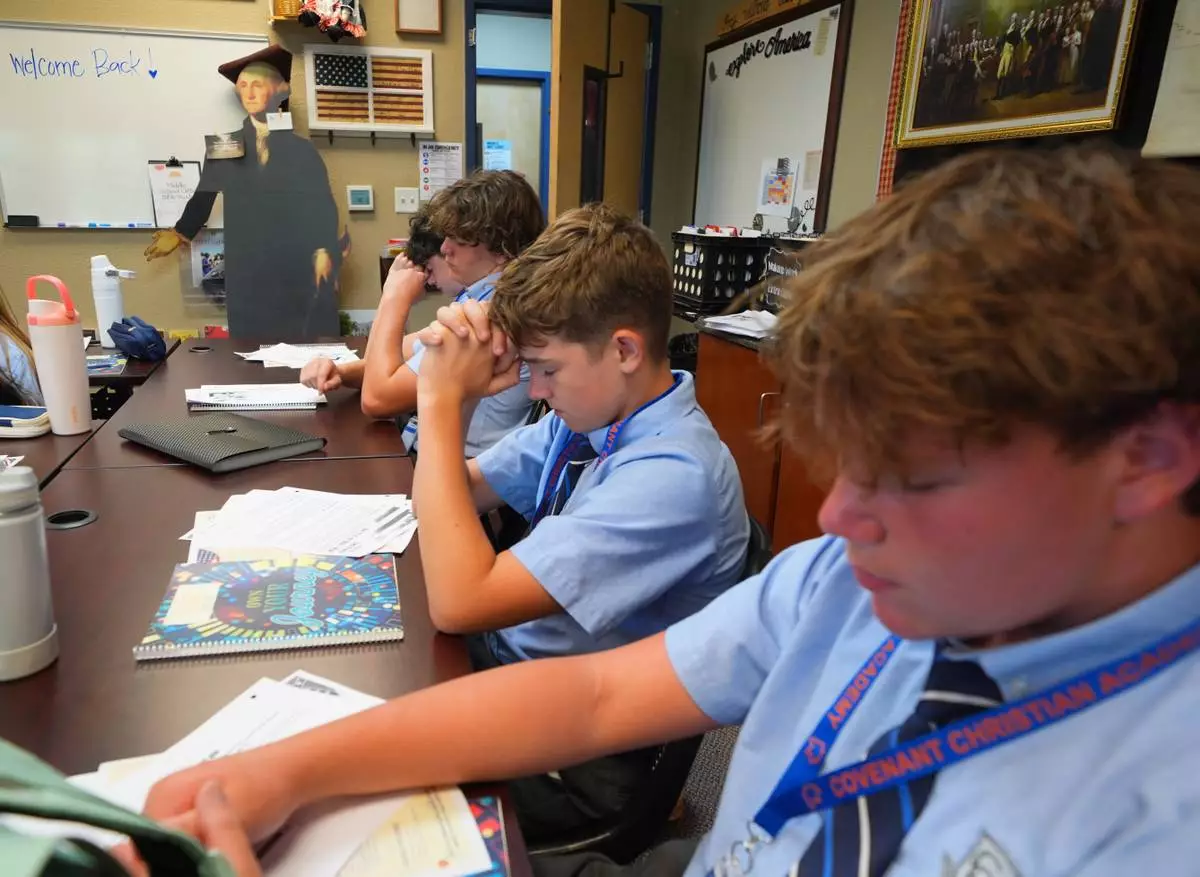
Students pray during a U.S. history class at Covenant Christian Academy in Colleyville, Texas, Wednesday, Aug. 12, 2026. (AP Photo/LM Otero)
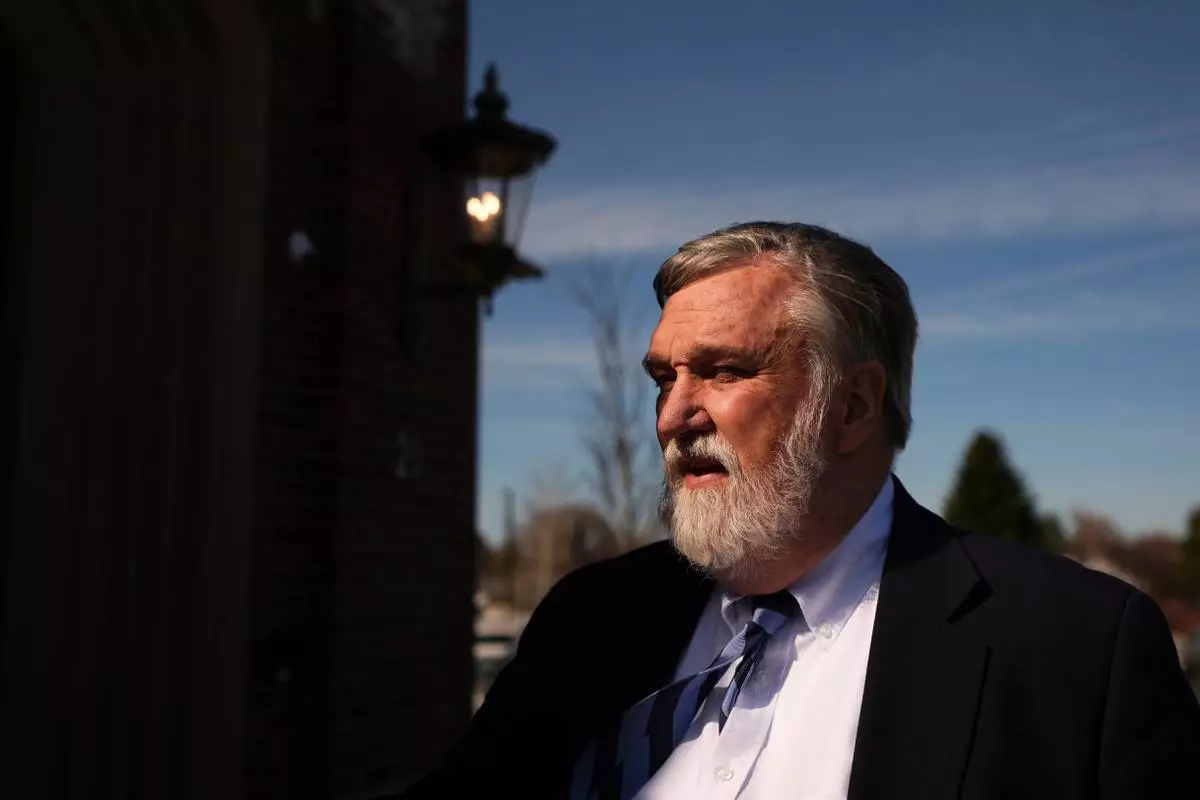
FILE - Pastor Doug Wilson stands for a portrait after Sunday services at the new campus for Christ Church and its Logos School, Sunday, April 6, 2025, in Moscow, Idaho. (AP Photo/Lindsey Wasson, File)
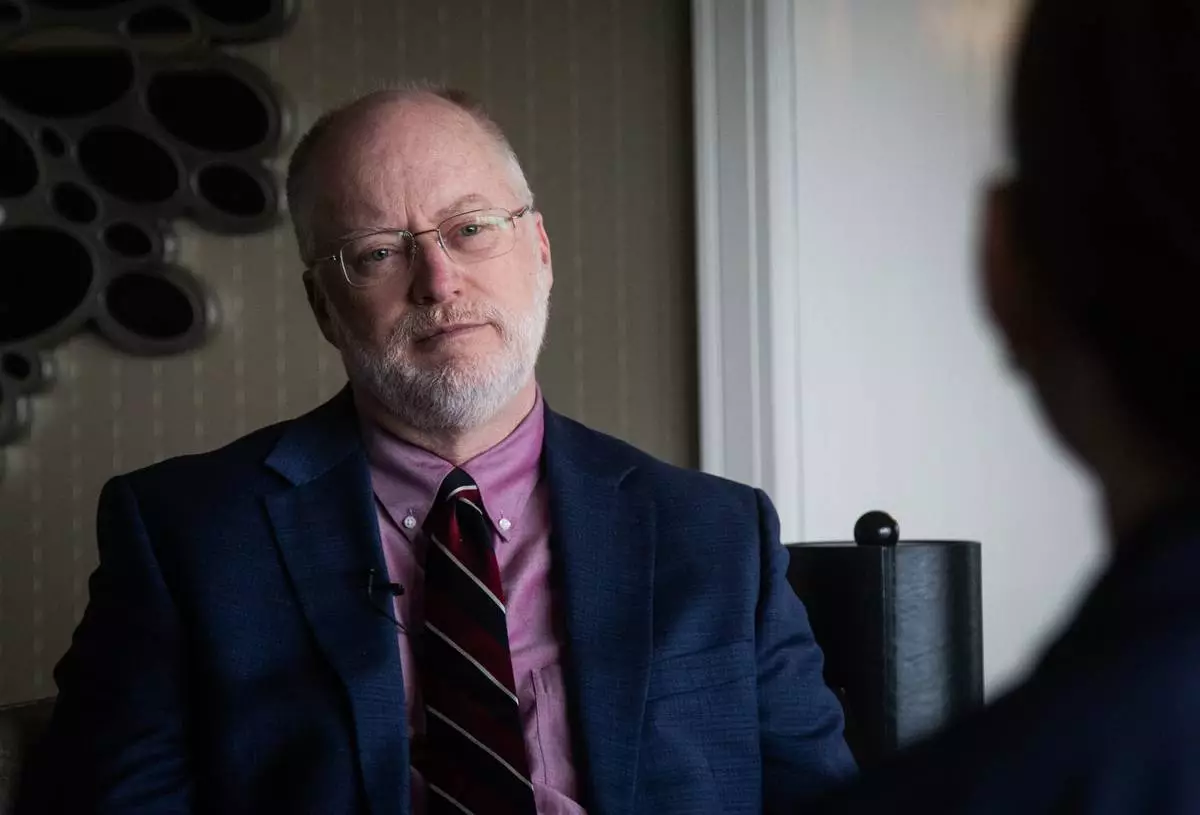
David Goodwin speaks during an interview in Atlanta, Wednesday, June 24, 2026. (AP Photo/Ron Harris)
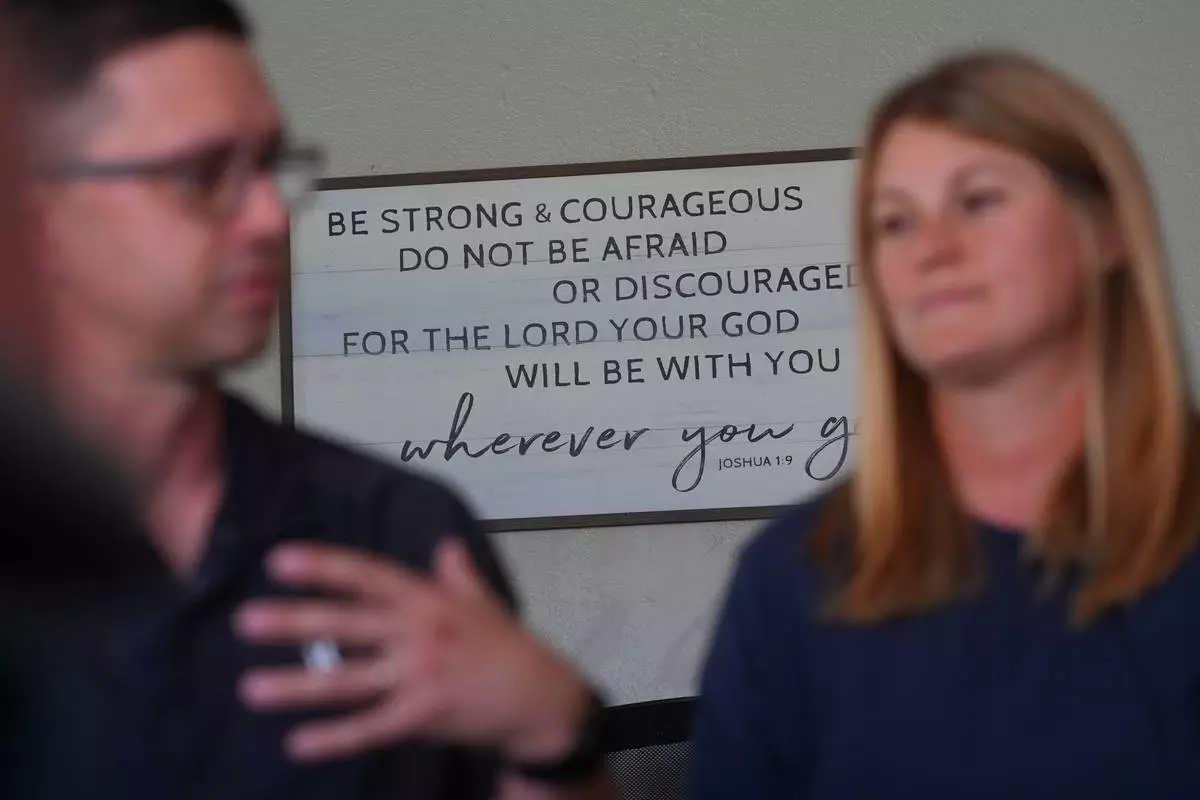
Parents Nathanael Wydner, left, and Candice Wydner sit during an interview at Coram Deo Academy in Flower Mound, Texas, Tuesday, Aug. 11, 2026. (AP Photo/LM Otero)
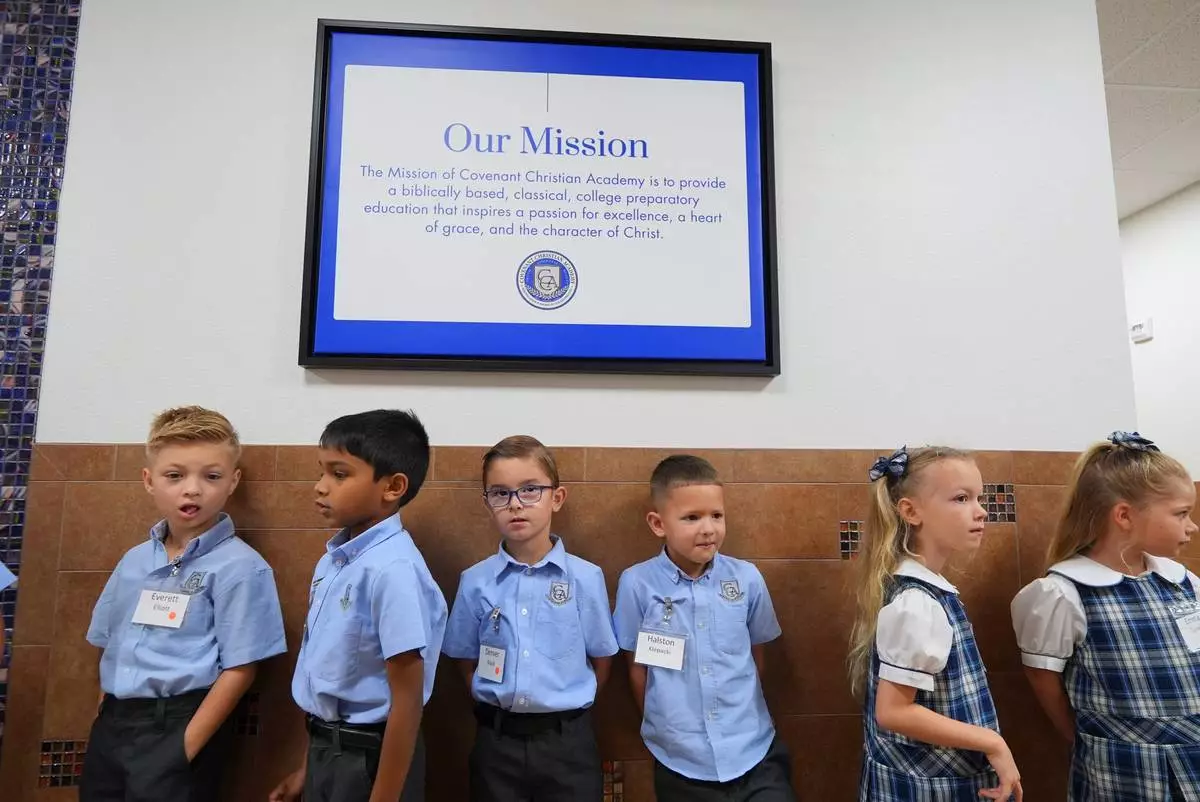
Elementary school students at Covenant Christian Academy line a hallway in Colleyville, Texas, Wednesday, Aug. 12, 2026. (AP Photo/LM Otero)
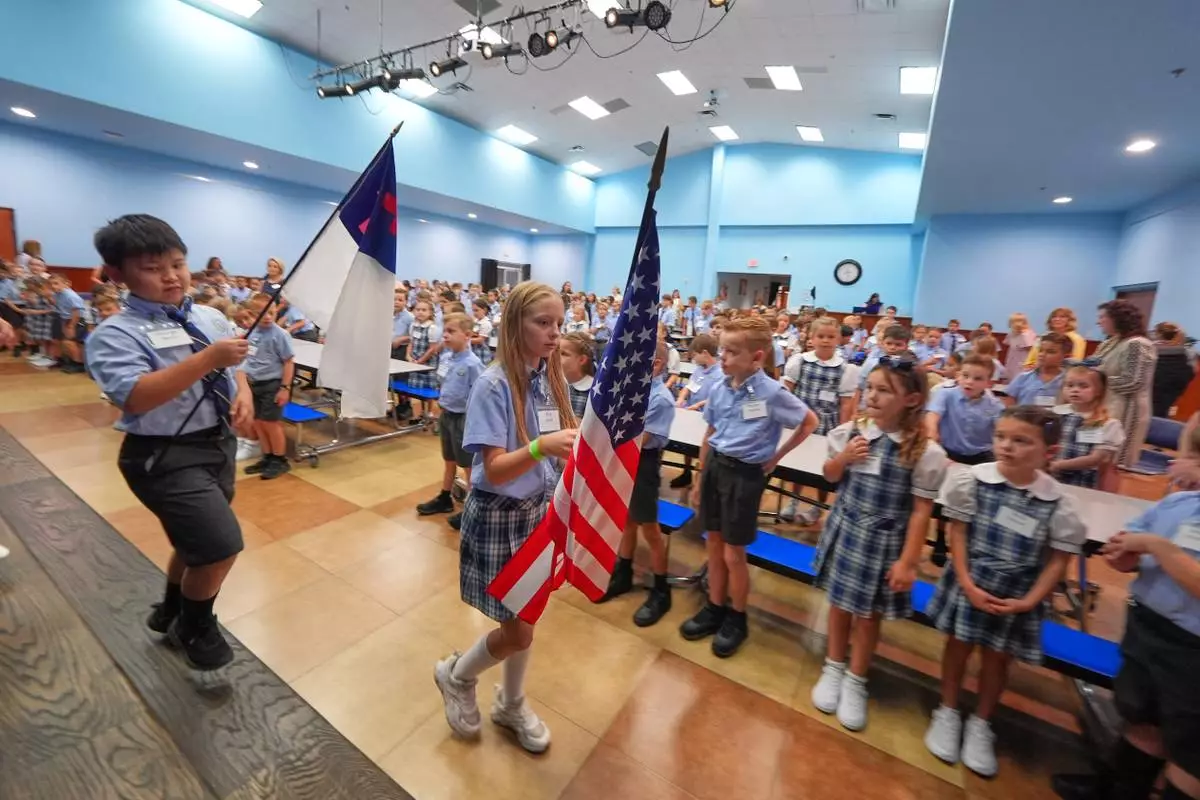
Children at Covenant Christian Academy carry flags during chapel in Colleyville, Texas, Wednesday, Aug. 12, 2026. (AP Photo/LM Otero)
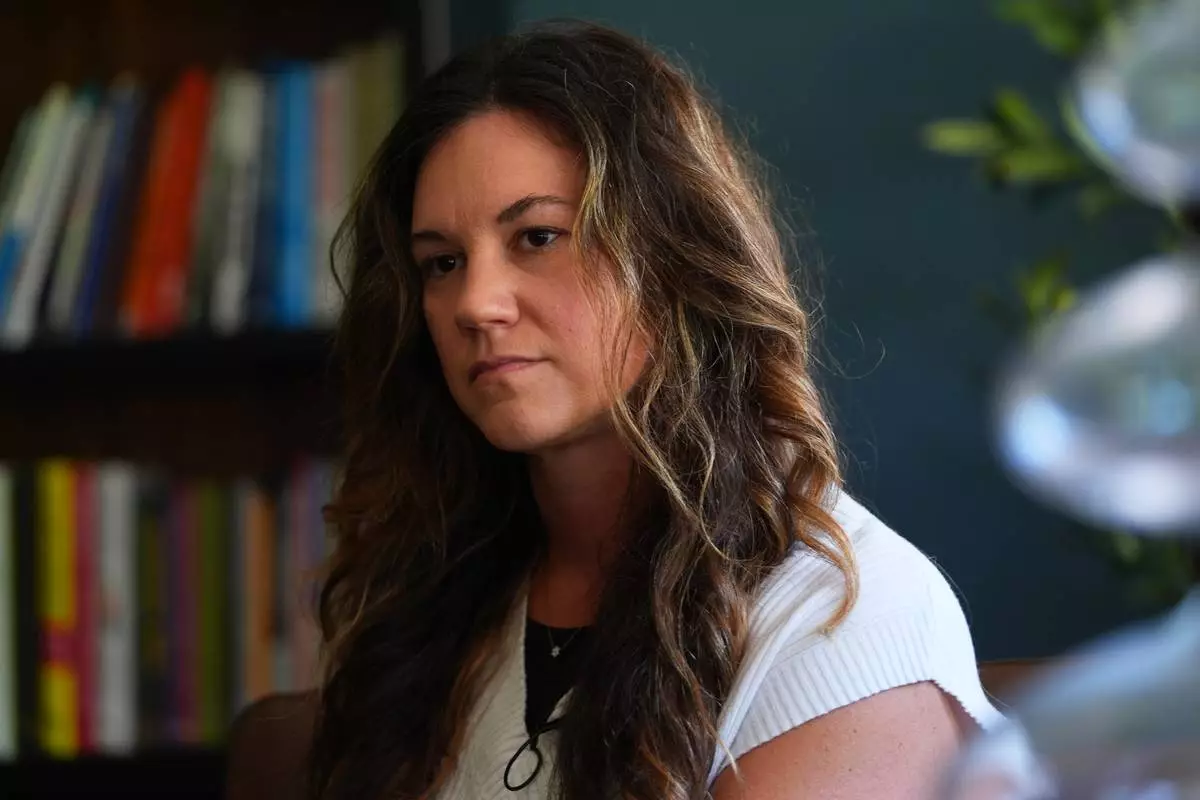
Parent Gwen Albaugh pauses during an interview at Covenant Christian Academy in Colleyville, Texas, Tuesday, Aug. 11, 2026. (AP Photo/LM Otero)
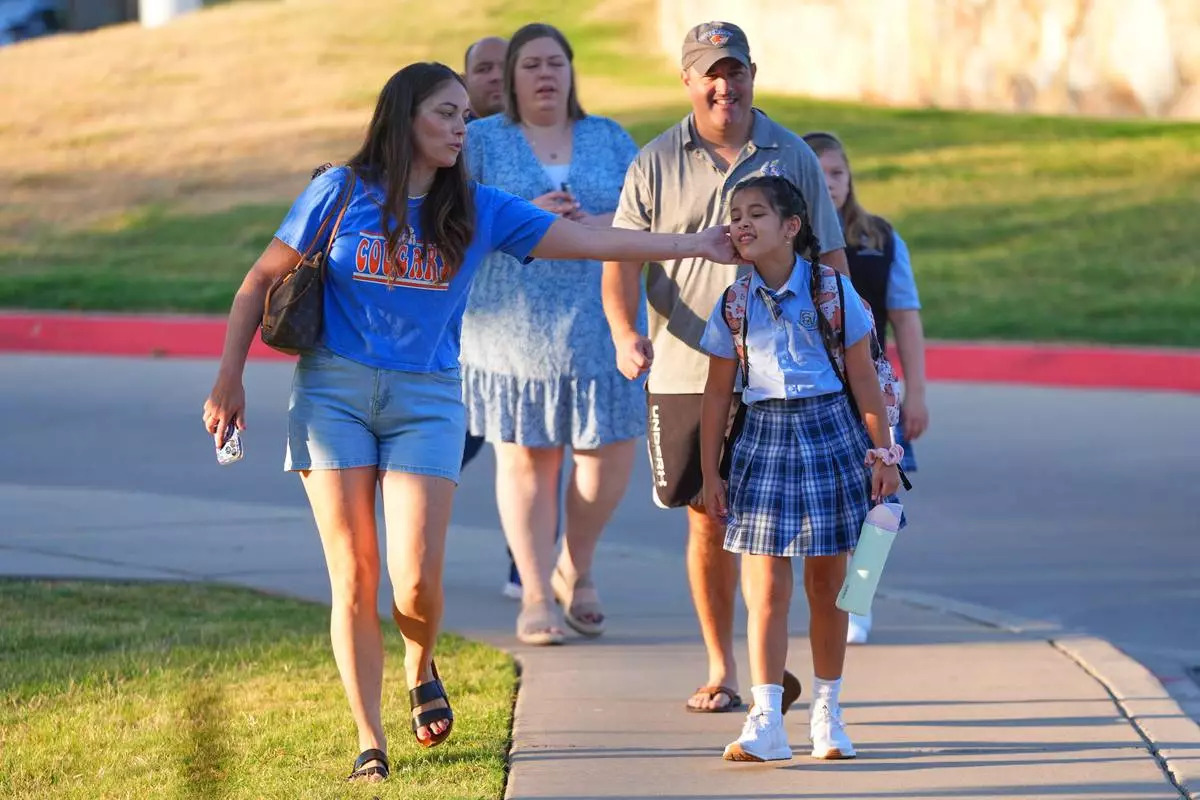
Parents and children walk together on the first day of classes at Covenant Christian Academy in Colleyville, Texas, Wednesday, Aug. 12, 2026. (AP Photo/LM Otero)
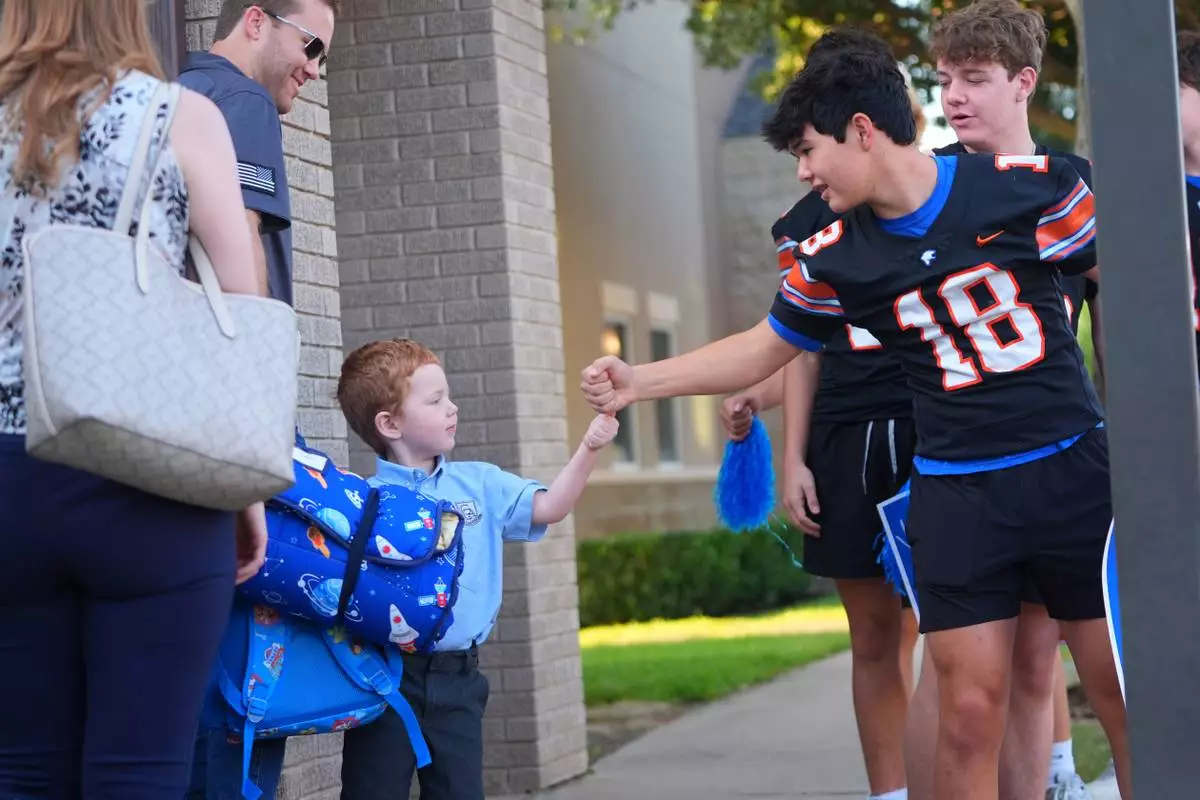
A high schooler greets an elementary school child on the first day of classes at Covenant Christian Academy in Colleyville, Texas, Wednesday, Aug. 12, 2026. (AP Photo/LM Otero)
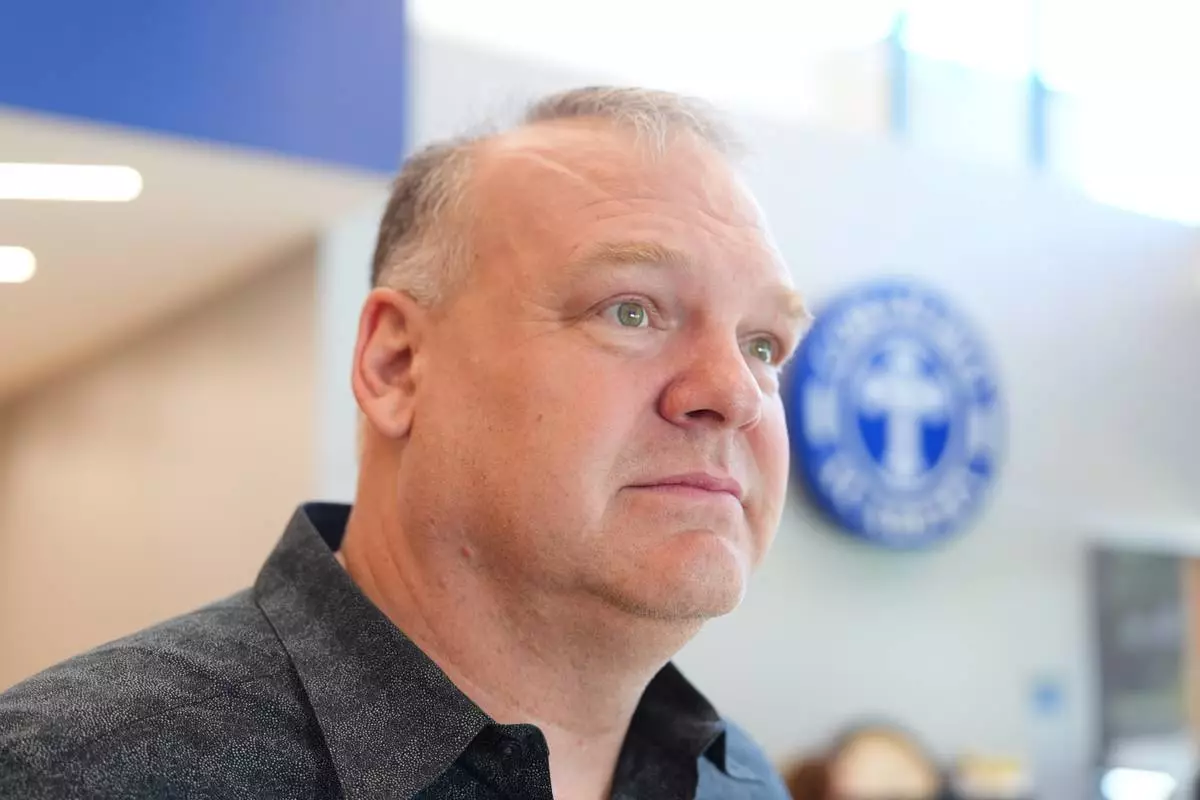
Keith Castello pauses during a conversation at Coram Deo Academy in Flower Mound, Texas, Tuesday, Aug. 11, 2026. (AP Photo/LM Otero)
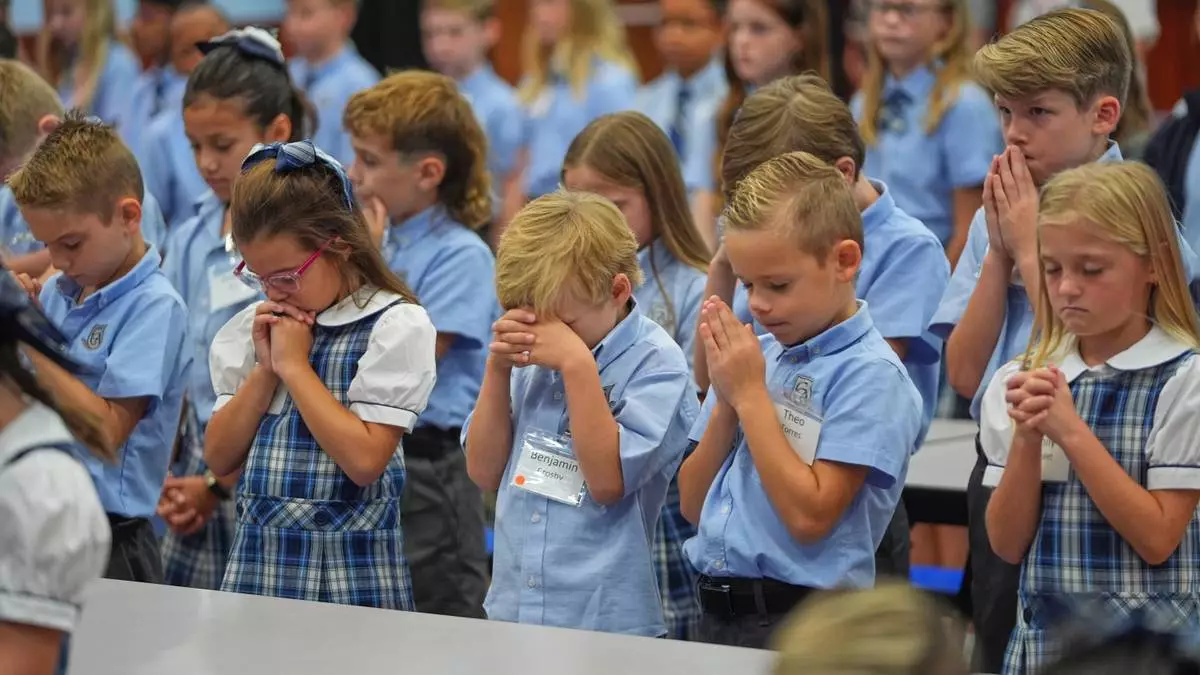
Children at Covenant Christian Academy pray during chapel at the private school in Colleyville, Texas, Wednesday, Aug. 12, 2026. (AP Photo/LM Otero)