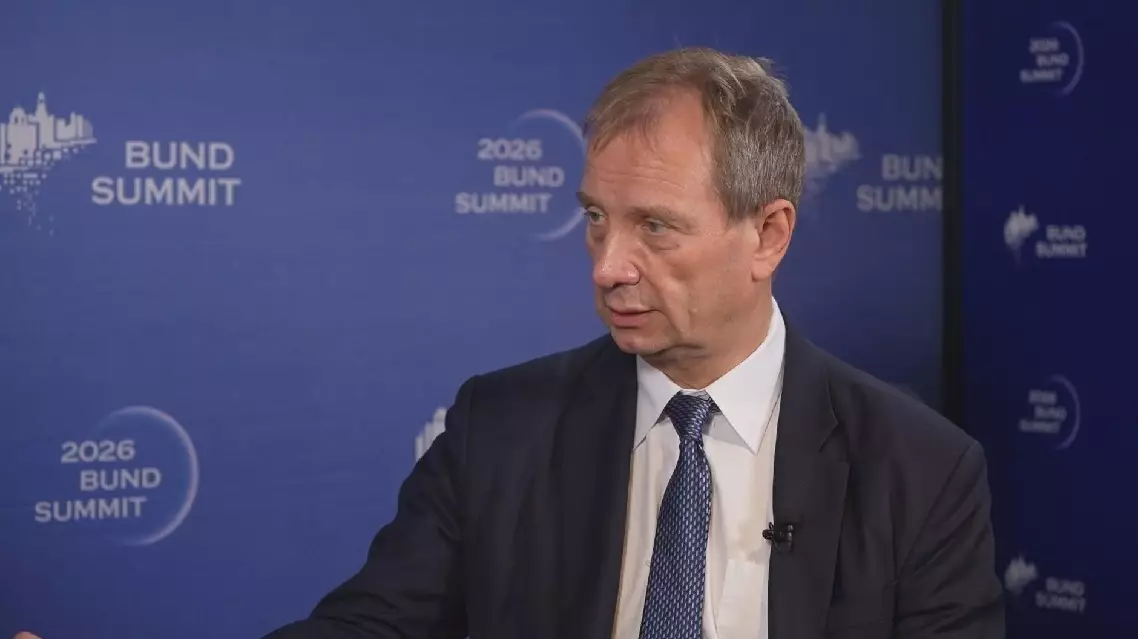
China's rapid technological upgrading and its expanding outbound investment are playing a crucial role in driving regional productivity and economic integration, said Alfred Schipke, director of the East Asian Institute at the National University of Singapore.
Schipke, also former Senior Resident Representative for China at the International Monetary Fund (IMF), made the remarks on the sidelines of the 2026 Bund Summit, held in Shanghai from Monday to Thursday under the theme "Technology, Geopolitics, and the Global Economy." The summit brings together global economic experts to discuss the shifting dynamics of international trade and technological development.
Speaking to China Global Television Network (CGTN), Schipke highlighted China's success in moving up the global value chain and the benefits of Chinese companies expanding their footprint abroad.
"China is very good at mobilizing resources now into the high-tech sectors. You see the number of companies that are being created is going through the roof. I'm a big proponent for China to go abroad. That's good for the rest of the world as well," he said.
"It generates jobs. Countries that invite Chinese companies want to make sure that there's job creation, maybe even some technology transfer, especially in Southeast Asia. If China can help on the productivity of Southeast Asian countries by exporting technology that is incorporated in production processes, that is beneficial for China, and it's beneficial for Southeast Asia," said Schipke.
China's tech upgrading, outbound investment drive regional integration: expert
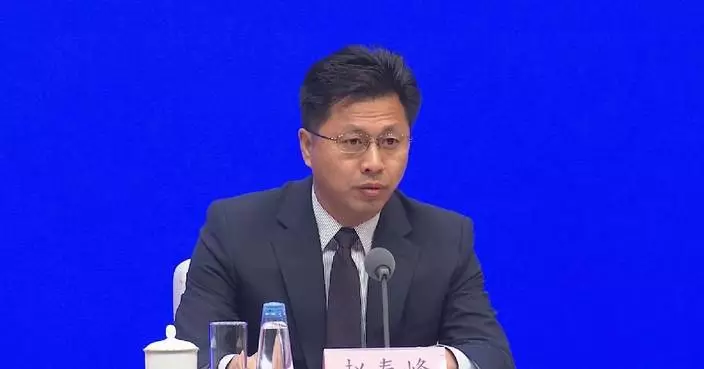
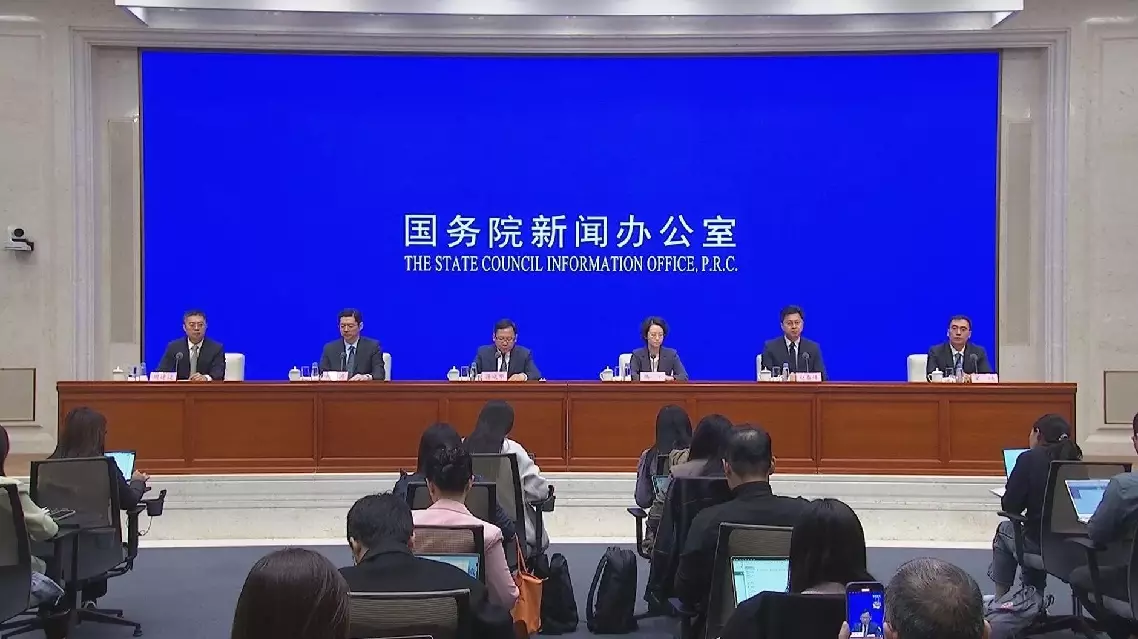
The number of tax refund stores in China has exceeded 18,000, about four times the number recorded at the end of 2024, an official from the Ministry of Commerce said at a press conference in Beijing on Thursday.
The announcement came amid the emergence of the new "China Haul" trend on social media, with international visitors unboxing items they bought in China and sharing their shopping experiences.
The new trend vividly reflects that "Shopping in China" is increasingly recognized and loved by tourists from other countries, said Yang Mu, director general of the Department of Market Operation and Consumption Promotion under the Ministry of Commerce, at the press conference.
Yang introduced that in recent years, building on the continued expansion of China's visa-free entry policy, a series of policy measures have been rolled out to make it easier for foreign visitors to shop in China, including the continuous upgrading of tax refund policies.
Meanwhile, the rapid growth in the number of tax refund stores has given a further boost to inbound spending, Yang said.
"China has kept improving its consumption environment. This includes supporting the upgrading and renovation of key commercial districts, increasing the number of departure tax refund stores, improving multilingual services, and enhancing payment convenience. Policy briefings have been held domestically, while overseas promotion has been carried out through Chinese embassies and consulates. Currently, the number of tax refund stores nationwide has exceeded 18,000, a fourfold increase over the end of 2024," Yang said.
China’s tax refund stores top 18,000: official