Skip to Content Facebook Feature Image

New Zealanders eye lower tariffs among APEC trade partners, closer green energy cooperation with China

China

China

China

New Zealanders eye lower tariffs among APEC trade partners, closer green energy cooperation with China

2026-10-22 15:37 Last Updated At:17:49

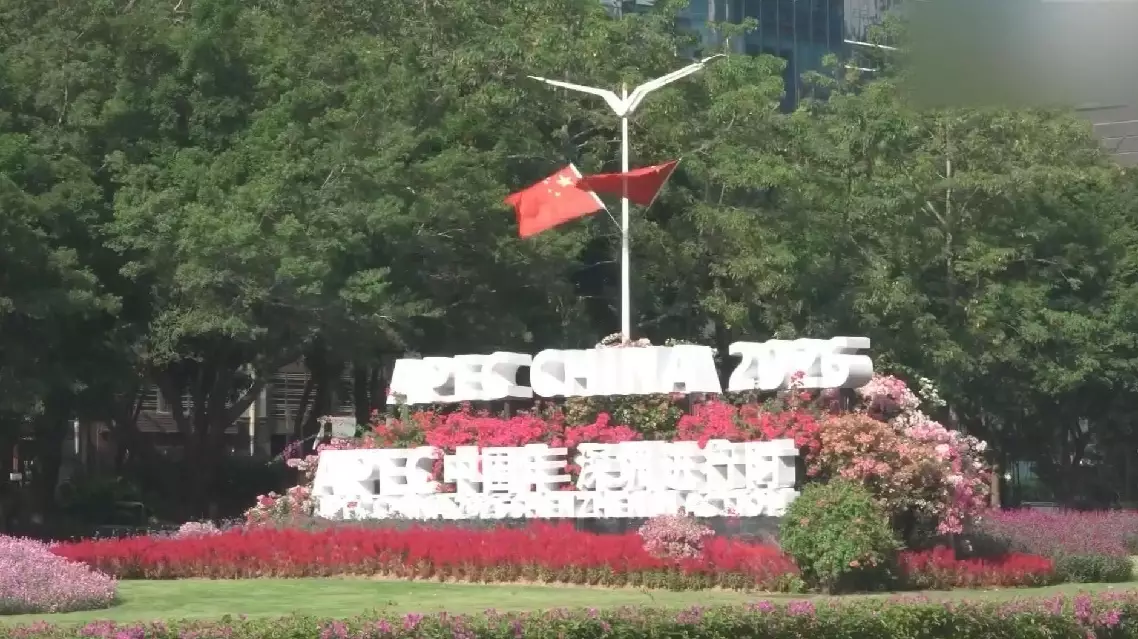
With the 33rd Asia-Pacific Economic Cooperation (APEC) Economic Leaders' Meeting set to take place next month in Shenzhen, China, residents of New Zealand have voiced clear expectations for the region's development agenda: freer trade with lower tariffs and an accelerated green energy transition.

This year's summit, slated for November 18-19, will bring together policymakers, business leaders, and academics from across the Asia-Pacific to chart the region's economic course, as global challenges such as trade protectionism and climate change call for cooperation among all countries.

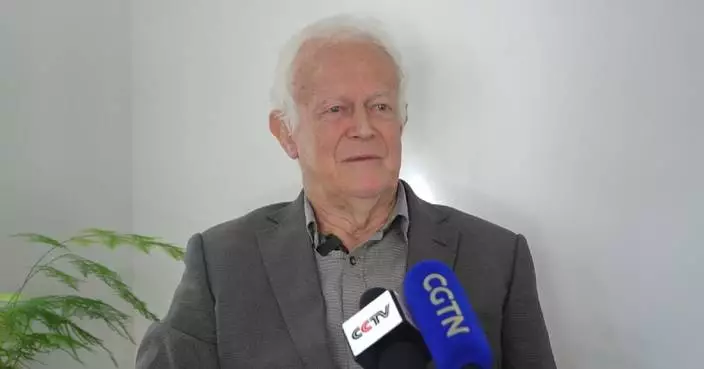
Against this backdrop, China Global Television Network (CGTN) asked members of the New Zealand public about the priorities APEC leaders should pursue.

"I think it's really important that we focus on free trade [within] the Asia-Pacific region. Certainly, the tariffs for trade need to be reduced because that would really help the economy for [many] countries around the world," said Helena, a midwife.

"I would say definitely climate change for sure needs to be something that's looked at more closely," said Baily, a Gen-Z digital media planner.

Chris, an IT consultant, echoed Helena's call for freer trade.

"I think they should be focusing on developing trade within the Asia-Pacific region," he said.

CGTN also explored how Chinese-brand products have transformed people's life in the South Pacific nation.

Helena said Chinese mobile phones have brought the greatest change to her life: "Without a doubt, my mobile phone. Everyone has a mobile phone. Absolutely mobile phones."

John, a pensioner, says Chinese electric vehicles (EVs) have surged in popularity in New Zealand, offering affordable, low-emission alternatives that resonate with consumers conscious of both cost and the climate.

"Probably automotive. Chinese cars now are selling in great numbers in New Zealand and they're reliable. The price is competitive and they're selling an awful lot of them," he said.

Chris pointed to both: "I would say technology from the side of mobile phones and electric cars."

On which areas New Zealand and China should deepen cooperation, the residents highlighted sectors such as as green energy and agriculture.

They said China's rapid development in solar, wind and EV industries has positioned it as a global leader in the green energy transition -- a development that New Zealand residents see as an opportunity for knowledge-sharing and technology adoption.

"I think probably eco-energy, solar, wind, greener energy," Helena said.

"Certainly agriculture, horticulture, and timber," John said.

"Hopefully in the green energy transition, because China's adopted it quite heavily and I think they could help New Zealand out in the adoption of it here," said Chris.

"I'd say clean or green energy, to help with climate change. All of those things make a better planet for our grandkids," Baily said.
New Zealanders eye lower tariffs among APEC trade partners, closer green energy cooperation with China

New Zealanders eye lower tariffs among APEC trade partners, closer green energy cooperation with China
The ultimate goal of UN Security Council reform is to change the situation where developed countries are over-represented, a Chinese envoy said Thursday.

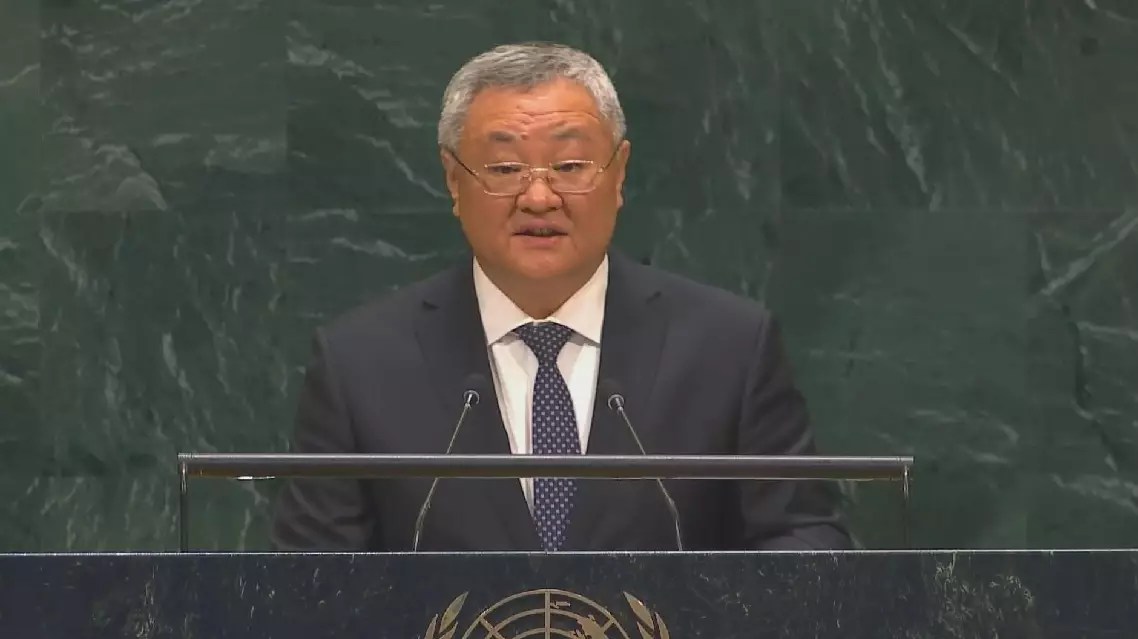
Security Council reform must focus on enhancing the representation and voice of developing countries and small and medium-sized countries with independent foreign policies, Fu Cong, China's permanent representative to the United Nations, said at a UN General Assembly meeting on Security Council reform.

"The Security Council, as the core of the collective security mechanism, must reflect the realities of international politics and give more developing countries and small and medium-sized countries with independent foreign policies the opportunity to take part in Security Council decision-making. In particular, we must redress the historical injustice suffered by Africa and make priority and special arrangements for Africa's demands. The ultimate goal is to change the situation where the composition of the Security Council is imbalanced between the North and the South, where a single bloc has long dominated, and where developed countries are over-represented," Fu noted.

Security Council reform is a systemic project. Before the parties reach a clear consensus, any attempt to hastily adopt a "consolidated model", push for the launch of text-based negotiations, or even impose artificial timelines and take a "step-by-step" or "piecemeal" approach will only aggravate differences and disputes among the parties, which is not conducive to the long-term development of the United Nations and the common interests of member states, he said.

He also emphasized that the intergovernmental negotiations (IGN) is the only legitimate platform for member states to discuss Security Council reform, and its role is irreplaceable. China supports all parties in continuing dialogue and consultation on this platform to build consensus, and firmly opposes any attempt to launch an alternative platform, he said.

Within the IGN framework, China stands ready to continue to work with all parties, respect one another, and engage in candid exchanges and consultations on an equal footing, to ensure that Security Council reform moves in a direction conducive to the common interests of member states and the sound development of the United Nations' cause, and to make positive contributions to building a more just and equitable global governance system, said Fu.

UN Security Council reform should address over-representation of developed countries: Chinese envoy

UN Security Council reform should address over-representation of developed countries: Chinese envoy

Recommended Articles