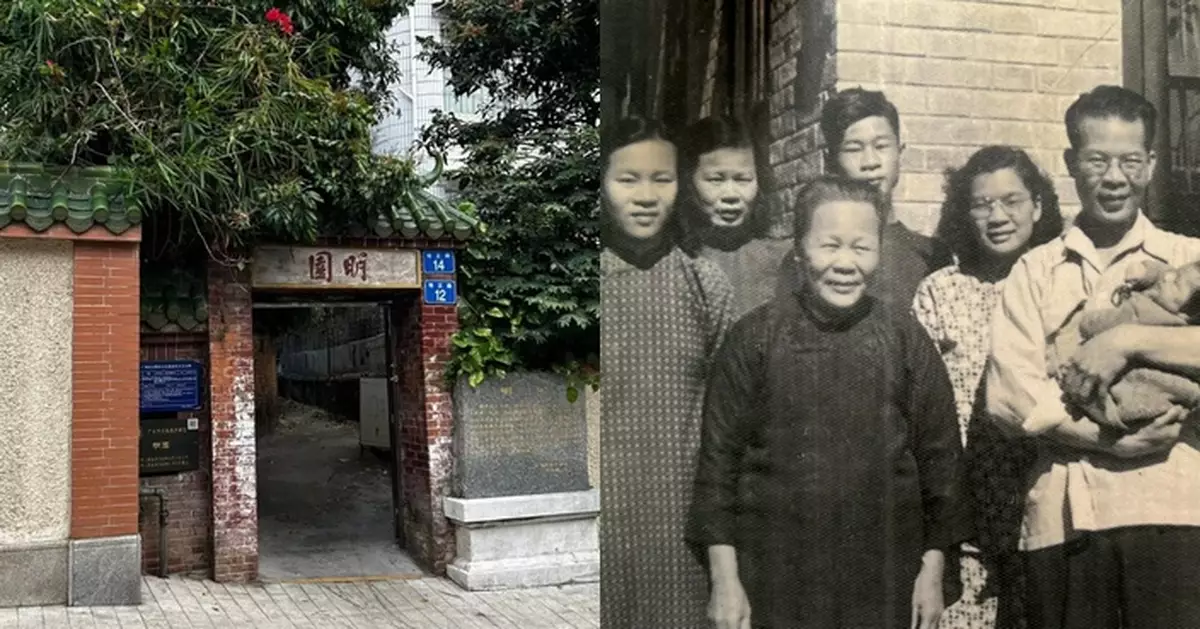
In the Dongshan area of Guangzhou, a red-brick building blending Chinese and Western cultural elements stands quietly beneath a canopy of lush greenery, witnessing a family saga of overseas Chinese whose hearts were tied to their homeland. Named Ming Abode, the residence carries the memories of generations through years of conflict and tells the story of China and its people in transformation.
In an interview with Bastille Post, Ms. Aileen Wong, the owner of Ming Abode, said that revisiting the history of the residence not only allows today’s younger generation to reflect on the blood and tears of overseas Chinese during the War of Resistance Against Japan and appreciate that a happy life has not come easily, but also enables Ming Abode to serve as an emotional link between Guangdong and Hong Kong through shared cultural roots, deepening Hong Kong youths’ sense of belonging and patriotic identity amid Greater Bay Area integration.
Click to Gallery
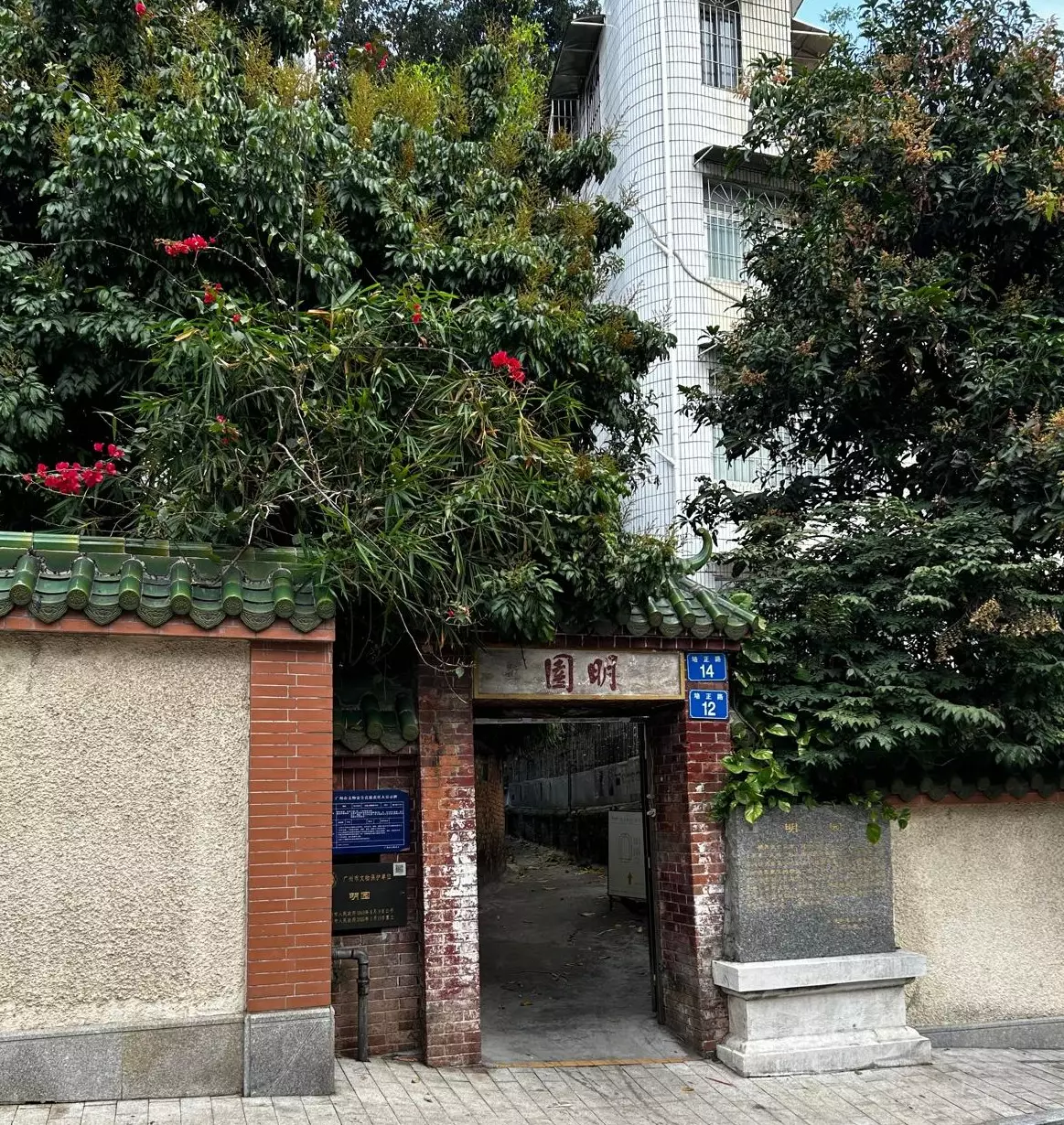
Ming Abode in Guangzhou. Photo provided by the interviewee
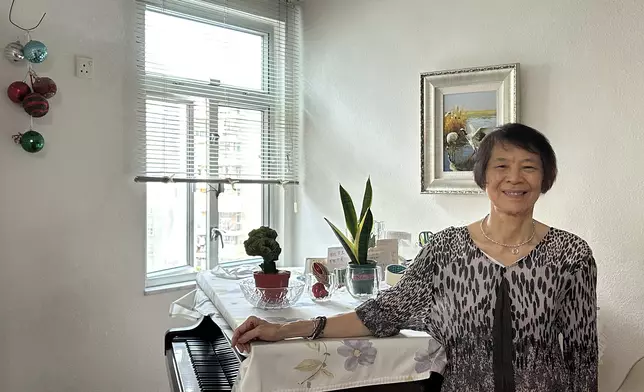
Ms. Aileen Wong, the owner of Ming Abode. Photo by Bastille Post
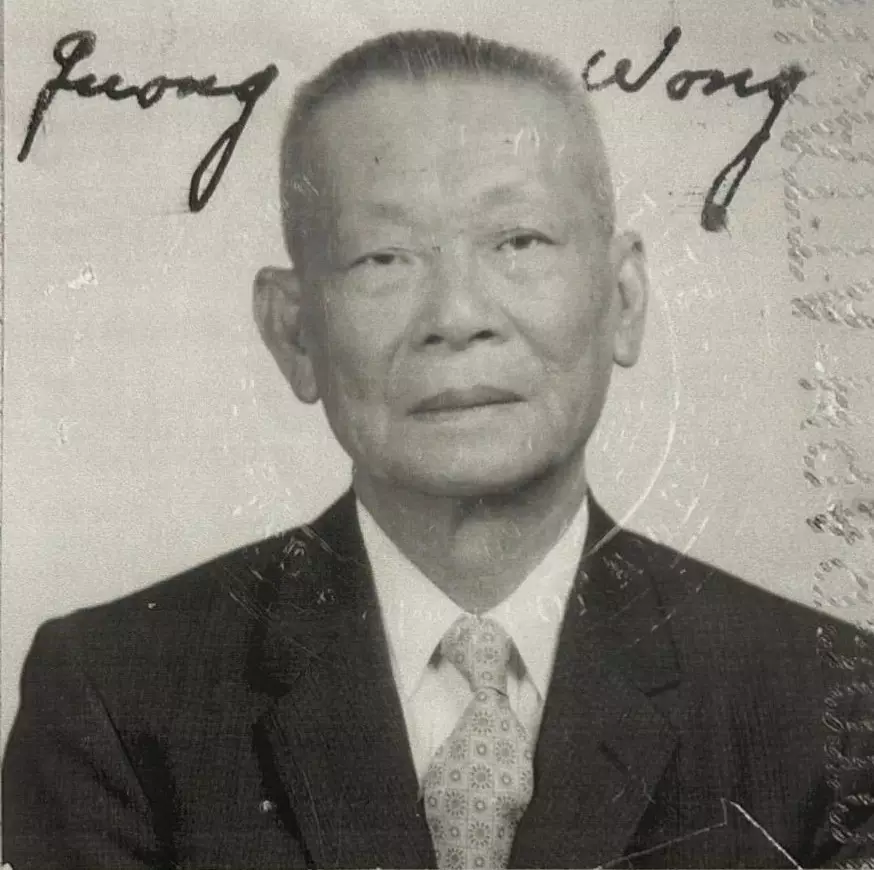
Aileen's grandfather. Photo provided by the interviewee
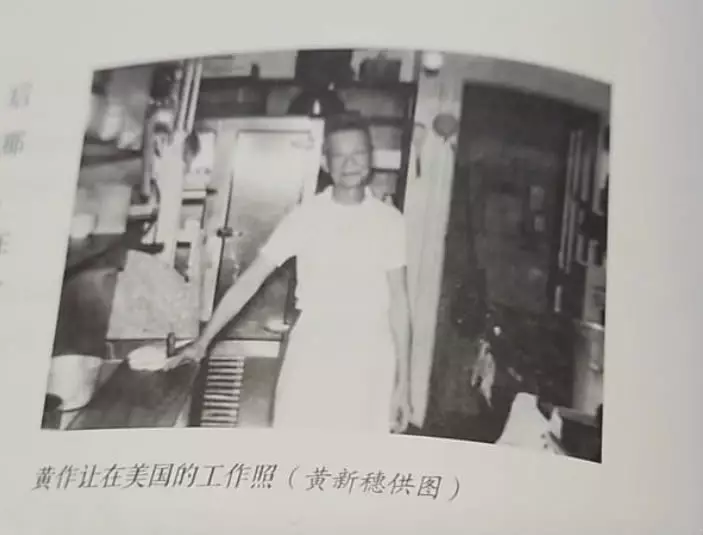
Aileen's grandfather at work in the US. Photo provided by the interviewee
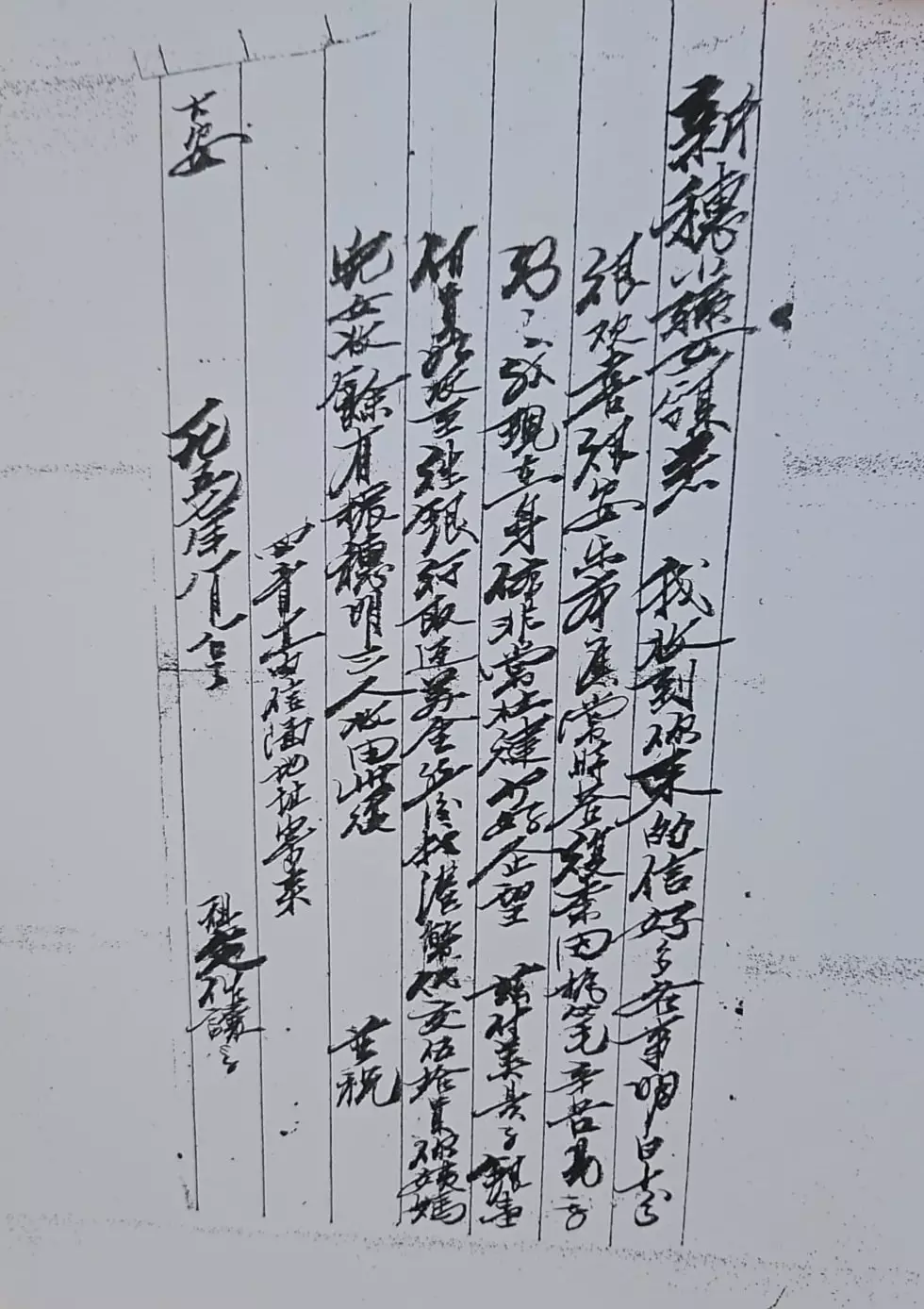
The Wong family's letters. Photo provided by the interviewee
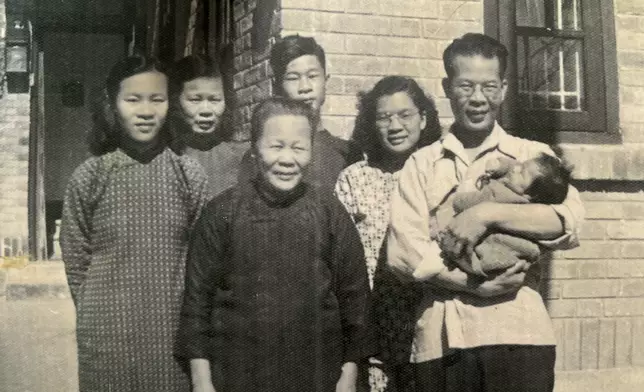
A group photo of the Wong family. Photo provided by the interviewee
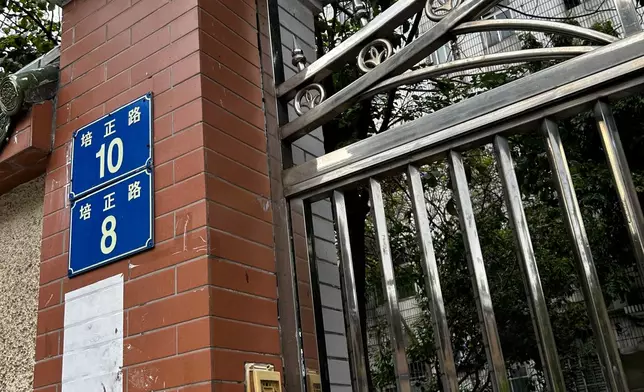
In choosing the site, Aileen's grandfather thoughtfully selected Peizheng Road in Dongshan. Photo provided by the interviewee
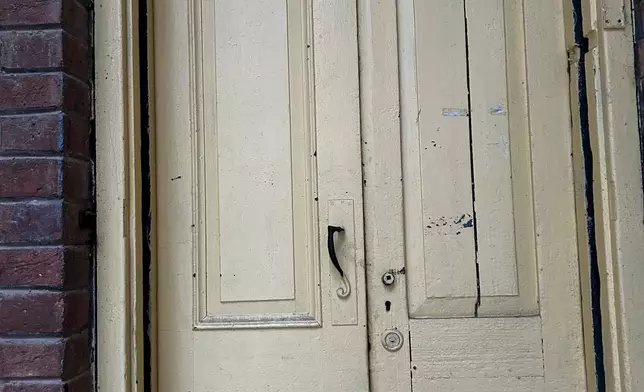
Even after the War of Resistance Against Japan ended, when restoration work on Ming Abode began, the materials damaged by the Japanese were difficult to recover or restore, and ordinary building materials had to be used as substitutes. Compared with the original materials, the difference in quality was visible at a glance. Photo provided by the interviewee
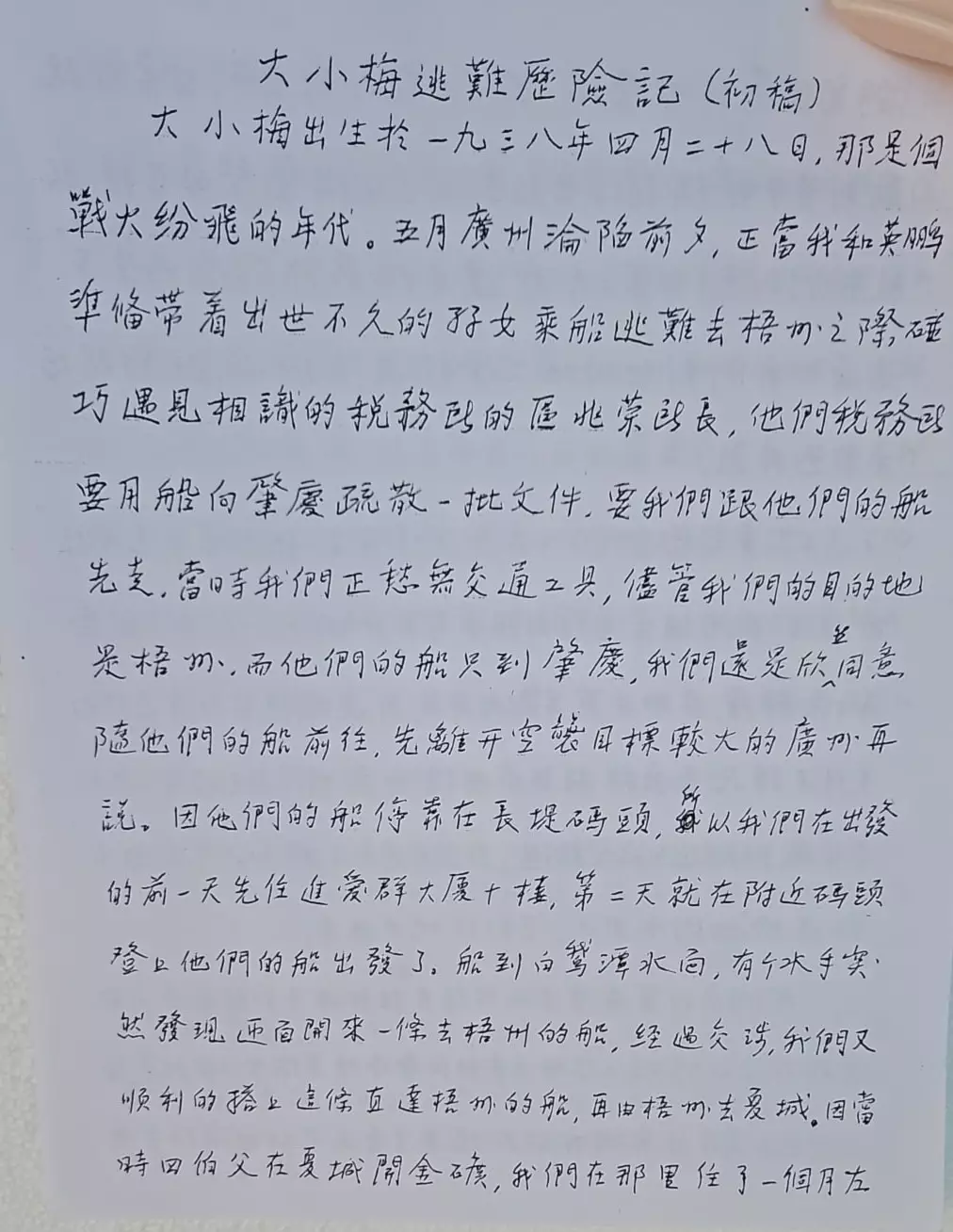
After Guangzhou was occupied, Aileen’s eldest aunt had to take her newborn twin daughters, bid farewell to the homeland, and flee to the Philippines, where she had no relatives to rely on. The photo shows an excerpt from the escape memoir written by Aileen’s eldest aunt. Photo provided by the interviewee
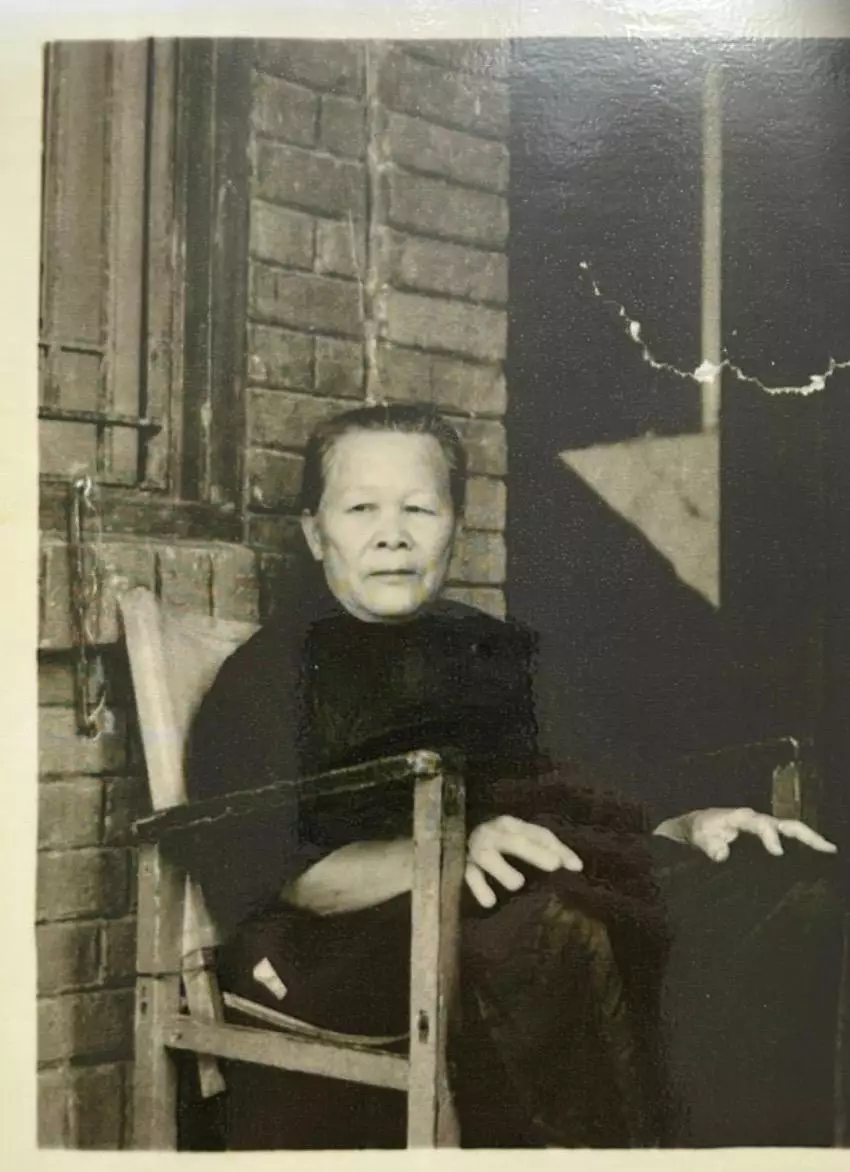
Pictured is Aileen's grandmother. Aileen recalled that after her grandmother learned the tragic news of her eldest aunt's death, the once cheerful old lady lost her smile, wept frequently, and recounted to them the numerous atrocities committed by the Japanese. Photo provided by the interviewee
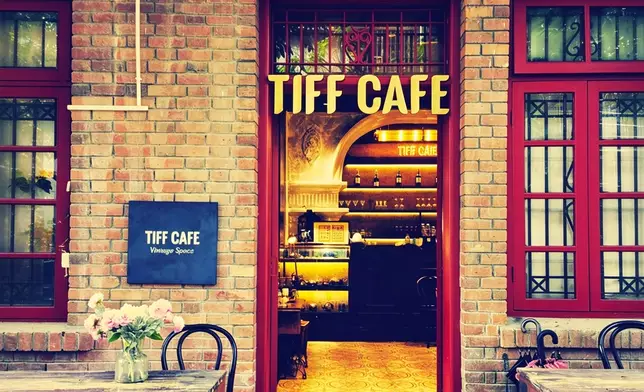
Entering the new century, Ming Abode has changed from a historic residence into a home for new businesses such as cafés and vintage shops, injecting fresh vitality into the cultural tourism of the Dongshan area. Photo source: Trip.com
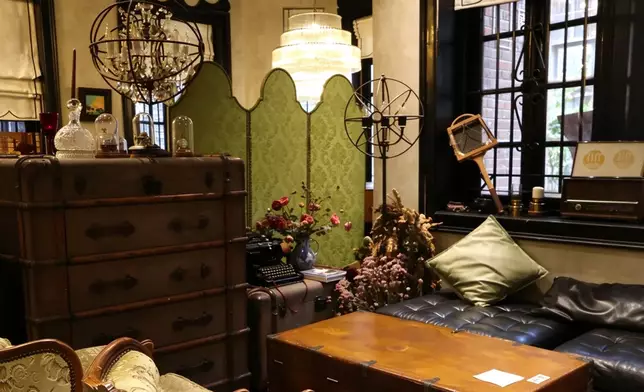
Entering the new century, Ming Abode has changed from a historic residence into a home for new businesses such as cafés and vintage shops, injecting fresh vitality into the cultural tourism of the Dongshan area. Photo source: Trip.com
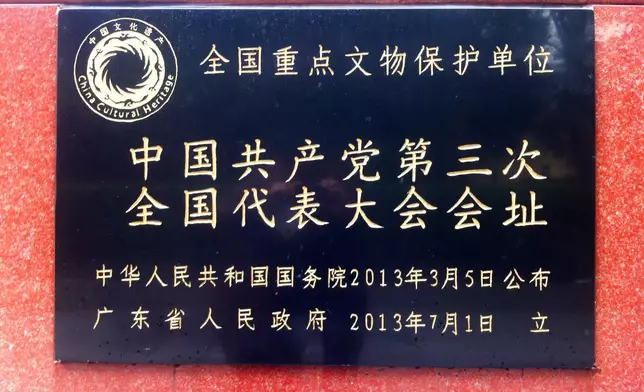
The site of the Third National Congress of the Communist Party of China. Photo source: Wikipedia
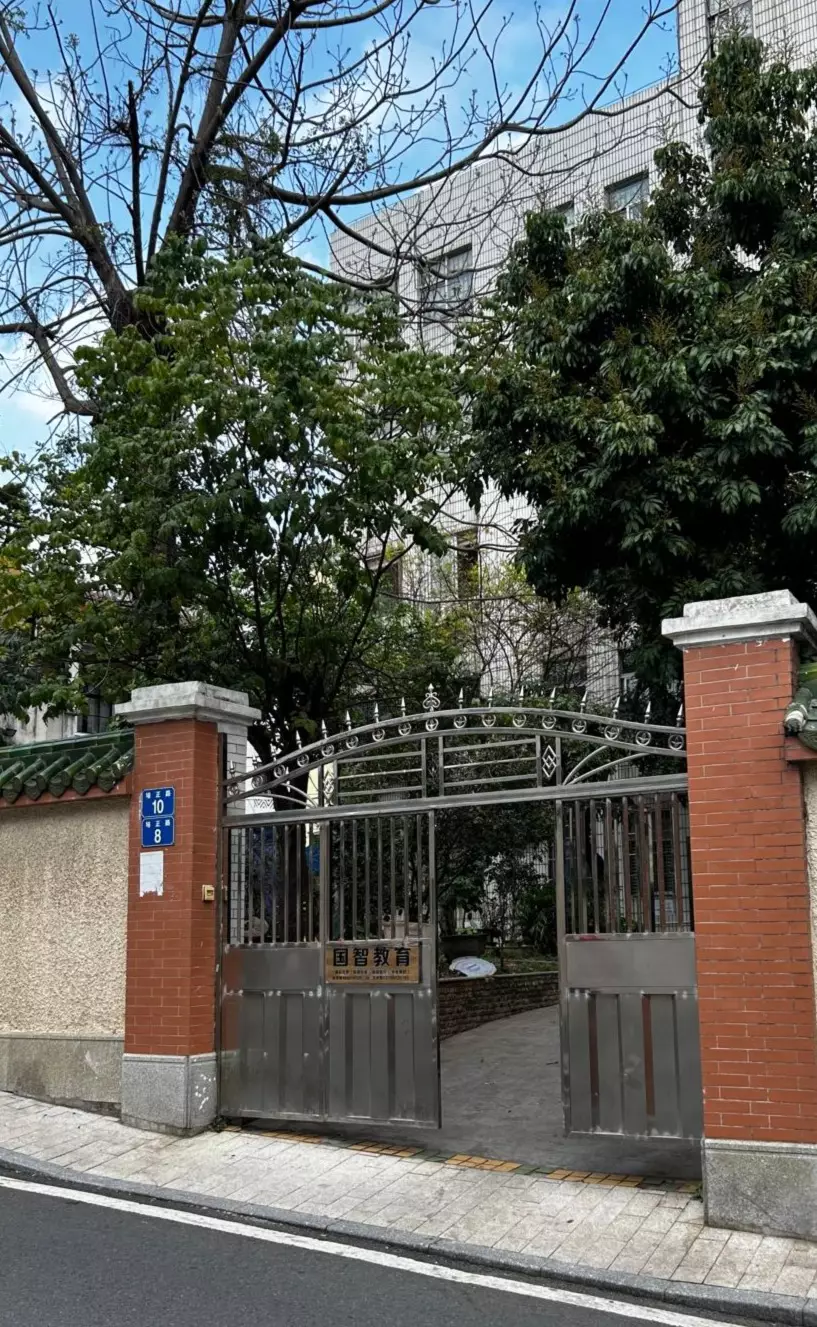
Ming Abode in Guangzhou. Photo provided by the interviewee
Ming Abode in Guangzhou. Photo provided by the interviewee
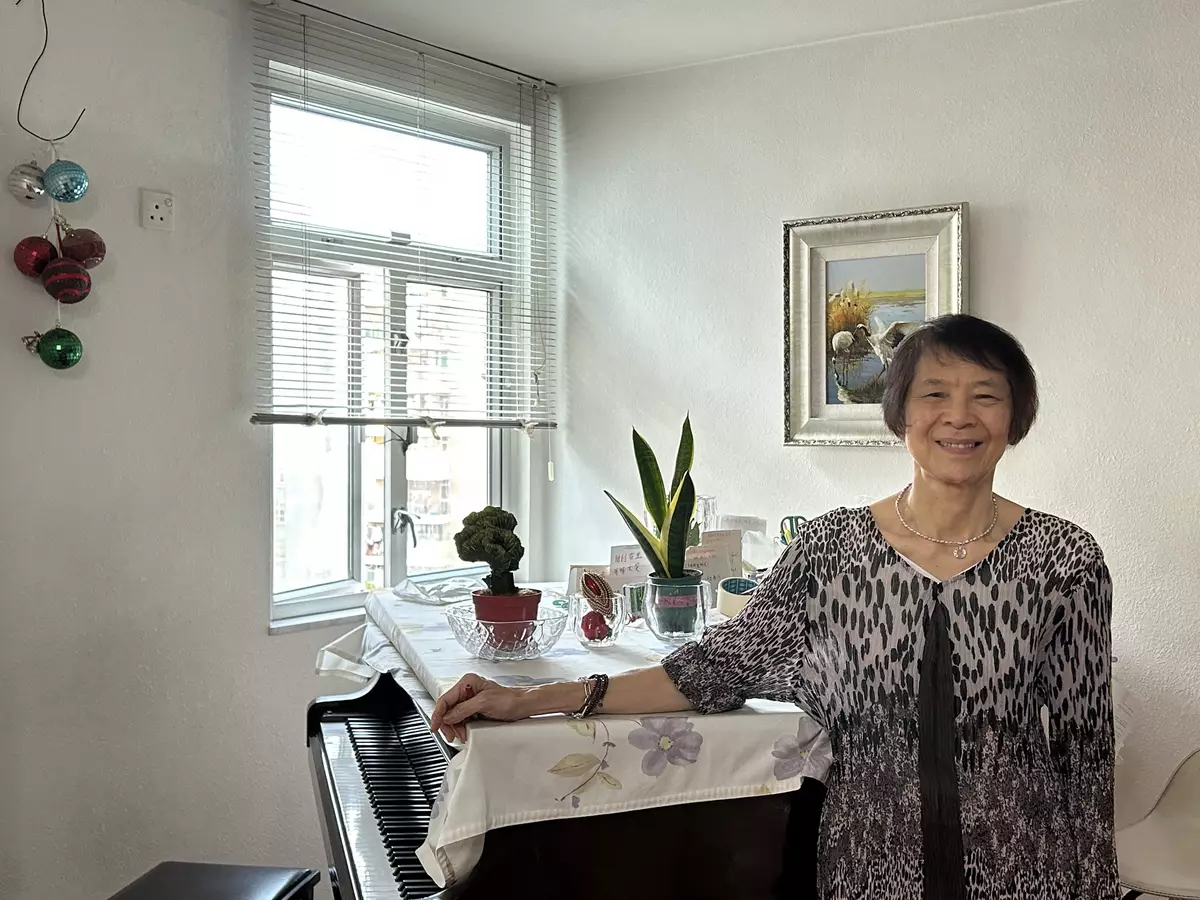
Ms. Aileen Wong, the owner of Ming Abode. Photo by Bastille Post
Building an Ideal Home:
A Grandfather’s Hard-Earned Savings from America and His Hope for the Next Generation
Looking back on the construction of Ming Abode, Aileen said the funds came mainly from the savings her grandfather had earned through years of hard work in the United States. As an early Chinese immigrant to America, her grandfather began with bottom-rung labour—laundry work, kitchen work, any job that could put food on the table. Life abroad was far from easy, but he rarely complained to his family. Instead, in his letters home, he often encouraged his children and grandchildren to cherish every opportunity to learn and to equip themselves with knowledge.
Aileen's grandfather. Photo provided by the interviewee
Aileen's grandfather at work in the US. Photo provided by the interviewee
Aileen recalled that her grandfather often told his grandchildren that his greatest regret was never having had the chance to pursue a proper education, which he believed had limited his horizons. Determined that this regret would not be repeated in the next generation, he worked tirelessly, hoping that his hard-earned savings could create better conditions for his descendants and set the family on a path to prosperity. Out of that aspiration, Ming Abode was built, brick by brick.
The Wong family's letters. Photo provided by the interviewee
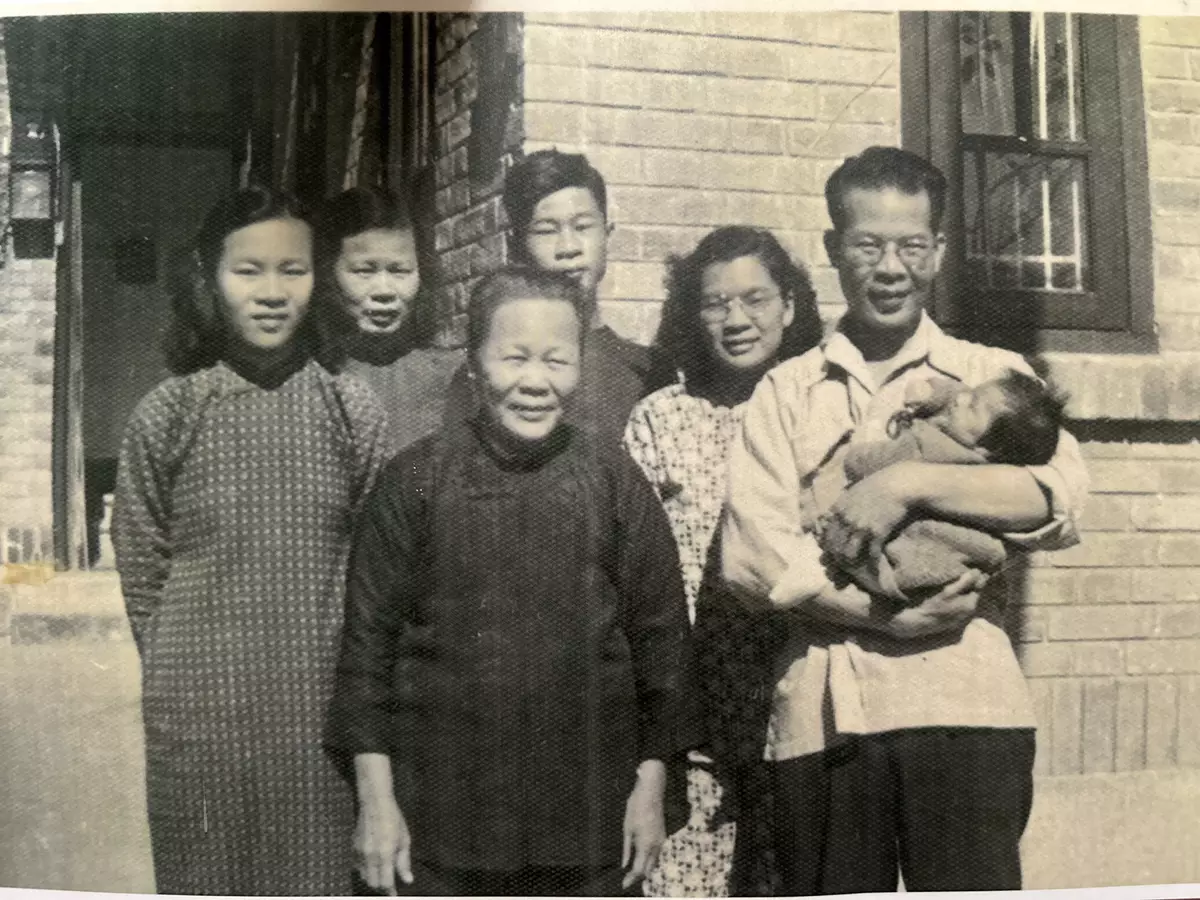
A group photo of the Wong family. Photo provided by the interviewee
In choosing the site, Aileen's grandfather thoughtfully selected Peizheng Road in Dongshan. At the time, Dongshan was not a bustling commercial district, and there was little space for investment or consumption. "My grandfather was very clear that the purpose of his hard work was not to invest and get rich, but to use his savings as education funding: to choose a place of scholarly ambiance where his children could be nurtured by a rich cultural atmosphere," Aileen said. Her grandfather noted that Peizheng Road was surrounded by reputable schools, such as Pui Ching Primary School, Pui Ching Middle School, and Pooi To Girls’ Middle School (now Guangzhou No.7 Middle School), all of which could lay a solid foundation for the children’s education. That was why he built the house there.
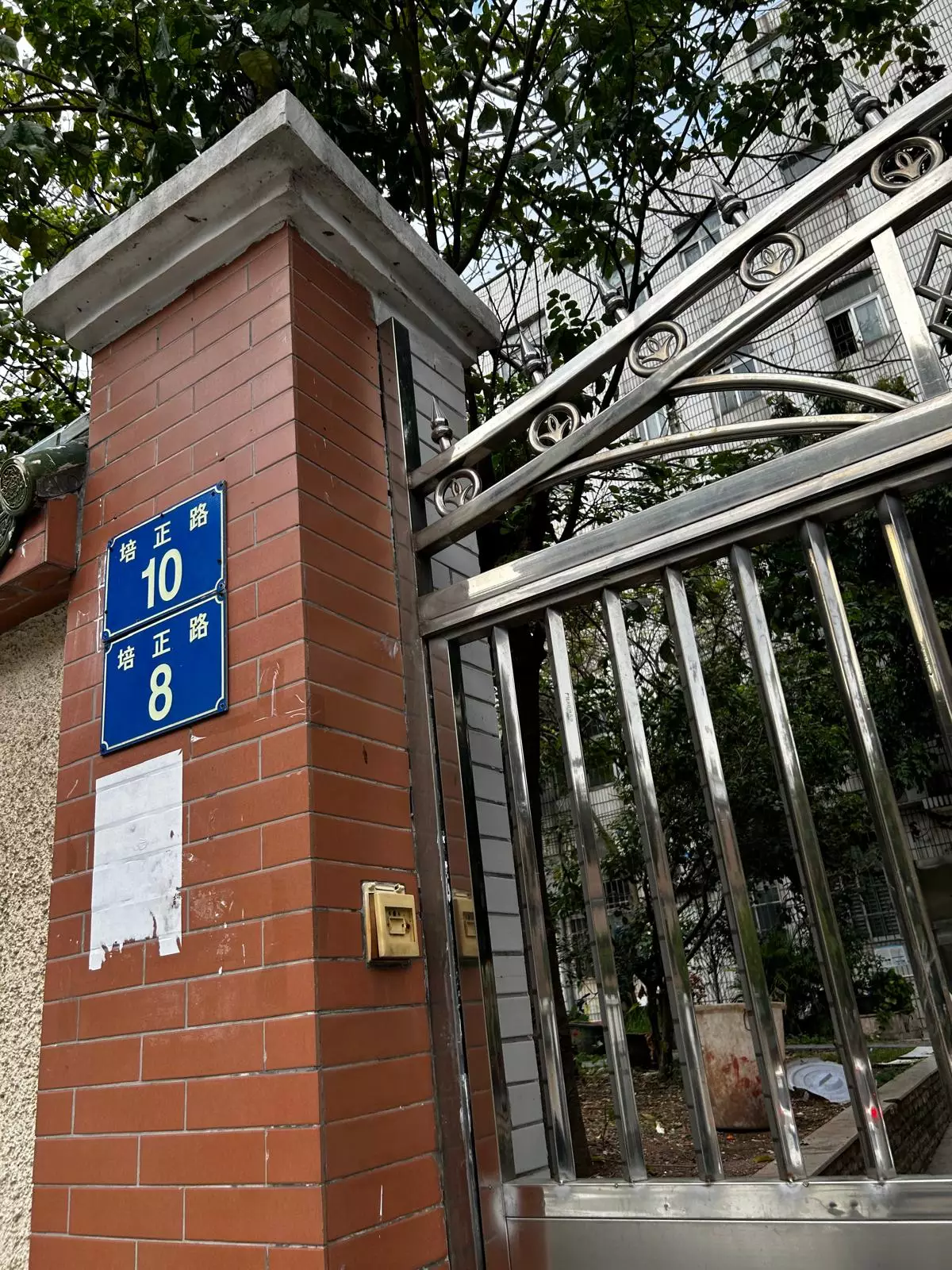
In choosing the site, Aileen's grandfather thoughtfully selected Peizheng Road in Dongshan. Photo provided by the interviewee
Her grandfather spared no expense on materials. He chose solid red bricks to ensure the house would be sturdy and durable, and paid meticulous attention to interior finishes and details. The frames and handles of the doors and windows were made of premium teak, and the staircase connecting the floors was specially crafted from iron, combining aesthetics with practicality. In Aileen’s eyes, her grandfather poured his life savings and heart into the house, hoping to create an ideal home where his children could live comfortably, grow up in peace, and pursue their studies. But man proposes, heaven disposes. Just as construction was progressing, the fires of war from Japan swept in ruthlessly, turning what had been a beautiful expectation into a scar bearing witness to the atrocities of Japanese aggression.
Wartime Memories of Pain:
Turning National Sorrow into the Strength to Move Forward
Aileen noted that her grandfather purchased the plot on Peizheng Road in 1930 and began construction. Since the plot involved multiple house numbers, the project was substantial. By the time Japan launched its full-scale invasion of China in 1937, parts of the construction were still unfinished, and the work was ultimately halted due to the turbulent situation. Yet it was these wartime years that brought indelible pain to Ming Abode and Aileen's family.
After the Japanese invaded Guangzhou, Ming Abode was forcibly occupied by Japanese forces because of its superior materials and fine craftsmanship. Under the Japanese occupation, the once sturdy and handsome iron staircase was dismantled into scrap metal, leaving only fragments of the steps. The finely crafted teak doors and windows were reduced to firewood for Japanese soldiers to cook their meals. The life’s work her grandfather had devoted to building a nurturing home for his descendants was destroyed by plunder and invasion.
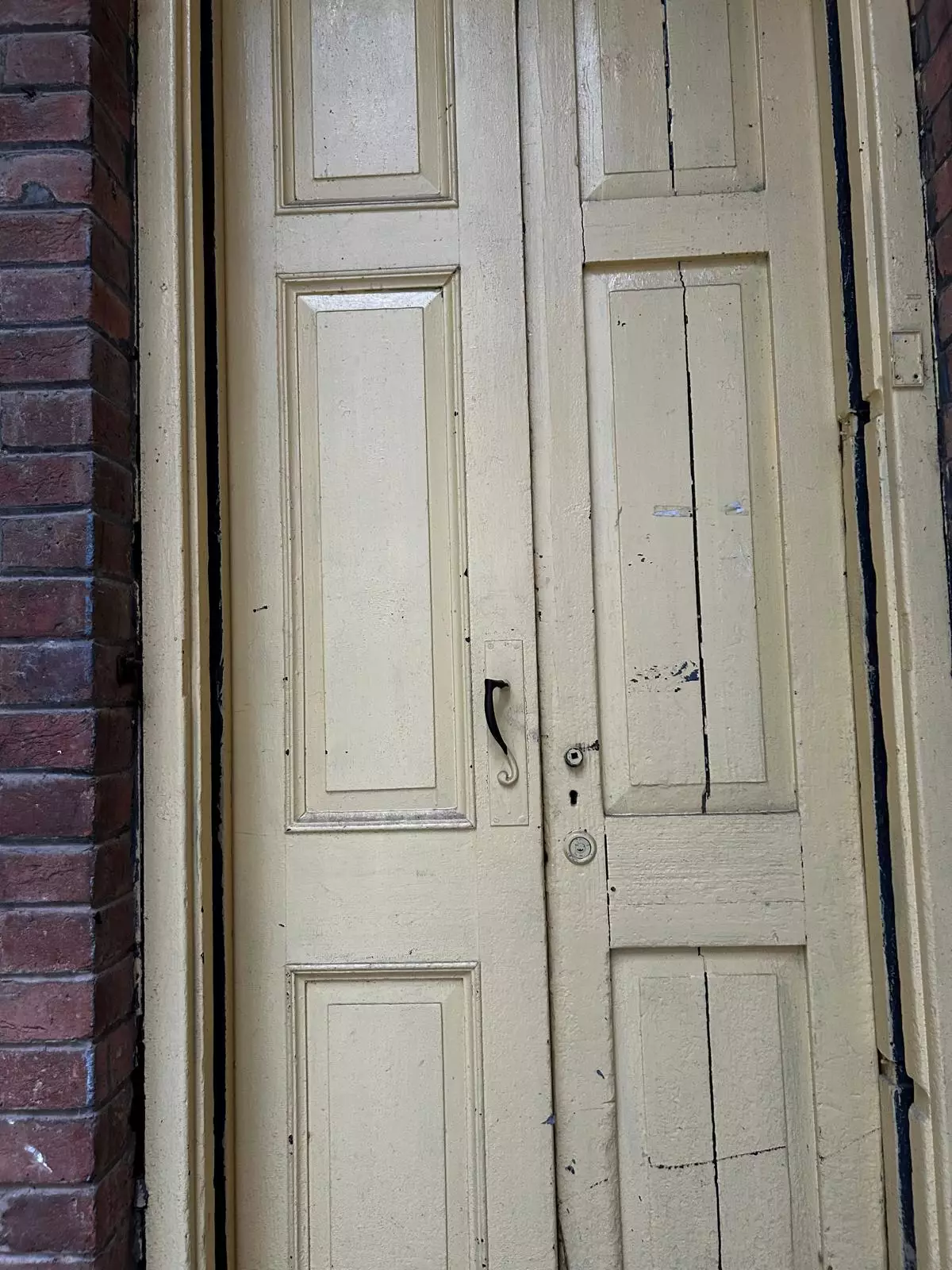
Even after the War of Resistance Against Japan ended, when restoration work on Ming Abode began, the materials damaged by the Japanese were difficult to recover or restore, and ordinary building materials had to be used as substitutes. Compared with the original materials, the difference in quality was visible at a glance. Photo provided by the interviewee
Aileen said that even after the War of Resistance Against Japan ended, when restoration work on Ming Abode began, the materials damaged by the Japanese were difficult to recover or restore, and ordinary building materials had to be used as substitutes. Compared with the original materials, the difference in quality was visible at a glance. "My grandfather worked so hard abroad to earn money so he could buy the best construction materials. Then the Japanese came, and the work of half his lifetime was ruined in just a few short years."
Beyond the destruction of the house itself, the family’s formerly happy and stable life also fell victim to Japanese aggression. After Guangzhou was occupied, Aileen’s eldest aunt had to take her newborn twin daughters, bid farewell to the homeland, and flee to the Philippines, where she had no relatives to rely on. Her father, aunts, and other relatives also followed the universities they attended and relocated to the rear areas. It was during these years of displacement that Aileen’s eldest aunt tragically lost her life, separated from her family forever. Aileen recalled that after her grandmother learned the news, the once cheerful old lady lost her smile, wept frequently, and recounted to them the numerous atrocities committed by the Japanese.
After Guangzhou was occupied, Aileen’s eldest aunt had to take her newborn twin daughters, bid farewell to the homeland, and flee to the Philippines, where she had no relatives to rely on. The photo shows an excerpt from the escape memoir written by Aileen’s eldest aunt. Photo provided by the interviewee
Facing the devastation of war, Aileen's family grieved. They knew their family’s displacement was but a microcosm of the suffering of countless Chinese compatriots. Aileen recalled that her father, on his escape route, personally witnessed Japanese bombs destroy an entire village, reducing the land on which villagers depended to ashes in an instant. The painful memories of the war years constantly remind the Wong family: the national tragedy must not be forgotten, and the unyielding backbone of the Chinese nation must not be bent by invaders.
Pictured is Aileen's grandmother. Aileen recalled that after her grandmother learned the tragic news of her eldest aunt's death, the once cheerful old lady lost her smile, wept frequently, and recounted to them the numerous atrocities committed by the Japanese. Photo provided by the interviewee
Carrying the belief of saving the nation from suffering, Aileen’s youngest aunt joined the military after the founding of the People’s Republic of China, hoping to make contributions to defending the country. "My aunt once told me that perhaps one person’s strength is limited, but if countless strengths are gathered together, they will become a mighty power that sustains the Chinese nation and ensures we are no longer invaded by foreign enemies."
That sentiment, Aileen hopes, can still serve as a source of spiritual strength for today’s young people. In her view, the younger generation may not have experienced the cruelty of war firsthand, but the suffering and humiliation endured by their compatriots should not be washed away by time. Reviewing the history of Ming Abode and the War of Resistance Against Japan is not only about remembering past blood and tears and cherishing the hard-won happiness of modern life, but also about turning hardship into the driving force to move forward, letting the personal experiences of the older generation inspire younger people to strive for self-improvement. Only when the country grows stronger can historical tragedies be prevented from repeating.
Revitalising a Historic Residence with Revolutionary Heritage:
Helping Hong Kong People Deepen Their National Identity
Having weathered the hardships of war, Ming Abode has also followed China’s modernisation drive and undergone its own transformation. Entering the new century, it has changed from a historic residence into a home for new businesses such as cafés and vintage shops, injecting fresh vitality into the cultural tourism of the Dongshan area. Aileen is delighted by these changes. In her eyes, Ming Abode has not withered with the passage of time; instead, it has kept pace with national development and continued to discover new paths for inheritance and renewal. She believes such enduring vitality is a reflection of the Mainland’s flourishing growth.
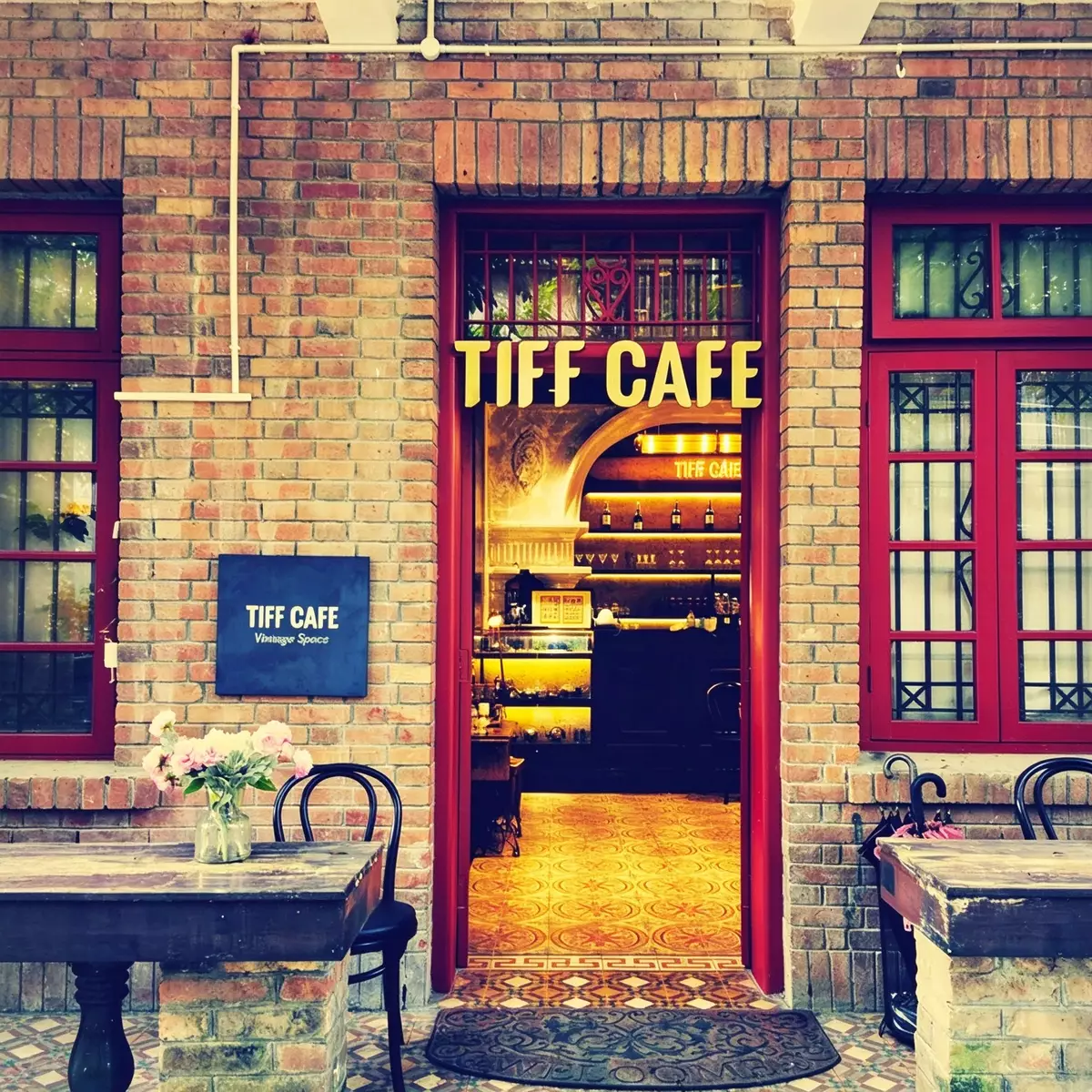
Entering the new century, Ming Abode has changed from a historic residence into a home for new businesses such as cafés and vintage shops, injecting fresh vitality into the cultural tourism of the Dongshan area. Photo source: Trip.com
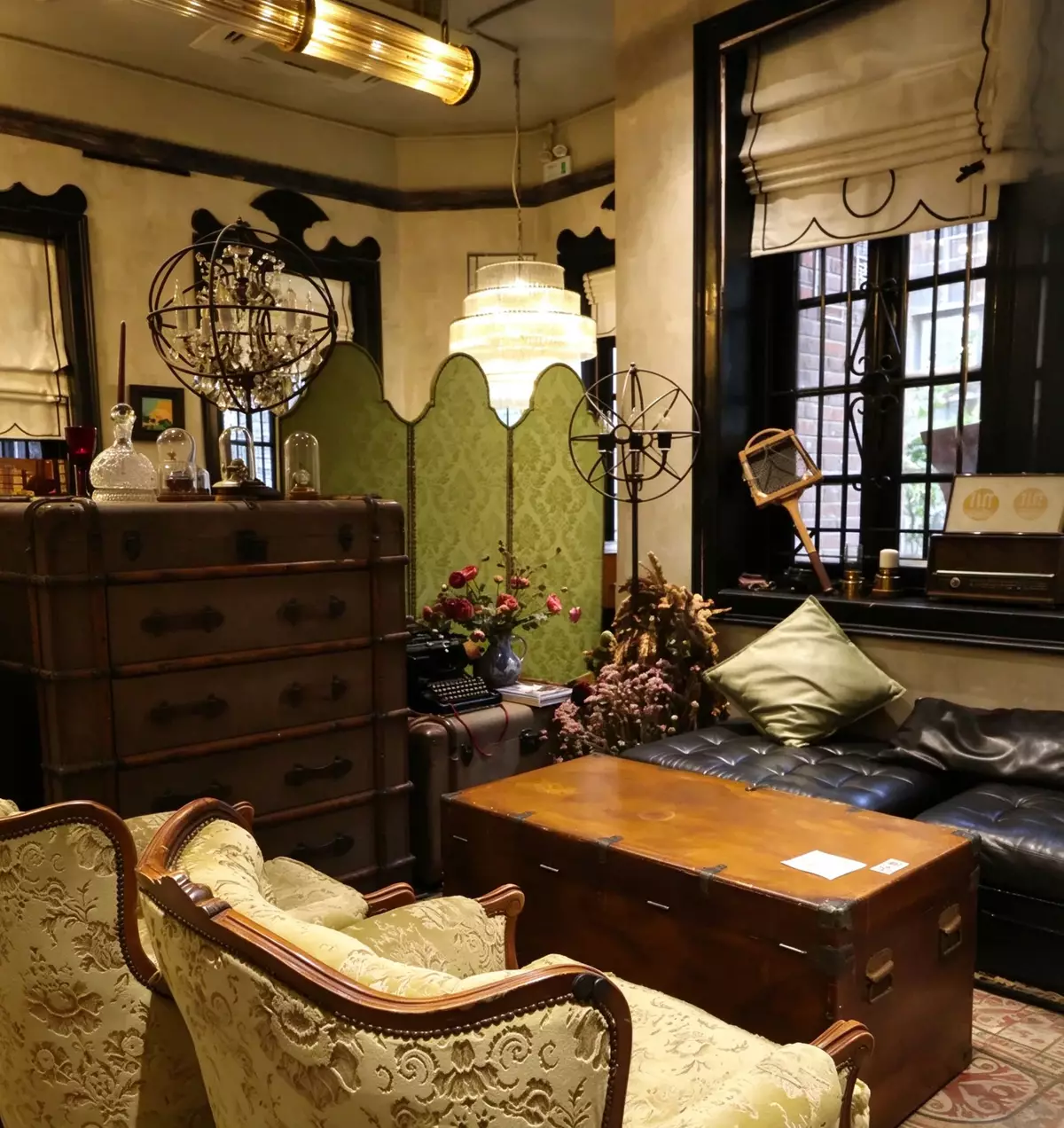
Entering the new century, Ming Abode has changed from a historic residence into a home for new businesses such as cafés and vintage shops, injecting fresh vitality into the cultural tourism of the Dongshan area. Photo source: Trip.com
"Whether it was Reform and Opening-up in the 1980s or the 15th Five-Year Plan that is being discussed now, in my view, they have both brought opportunities for national progress. It is because of Guangzhou’s growing prosperity that Ming Abode has been able to ride the wave of development and regain its lustre. If the younger generation in Hong Kong has the chance, they really should visit the Mainland more often and see for themselves our country’s achievements to date." In Aileen’s view, Hong Kong and Guangzhou share the same roots and similar cultural backgrounds, which facilitates mutual exchange and learning in urban development. As the Greater Bay Area places greater emphasis on integration, Aileen hopes Ming Abode can utilise its experience in revitalising a historic residence to help more Hong Kong compatriots understand the Mainland’s practical achievements in inheritance and innovation, and to feel the prospects for mutual connectivity and common progress between Guangdong and Hong Kong.
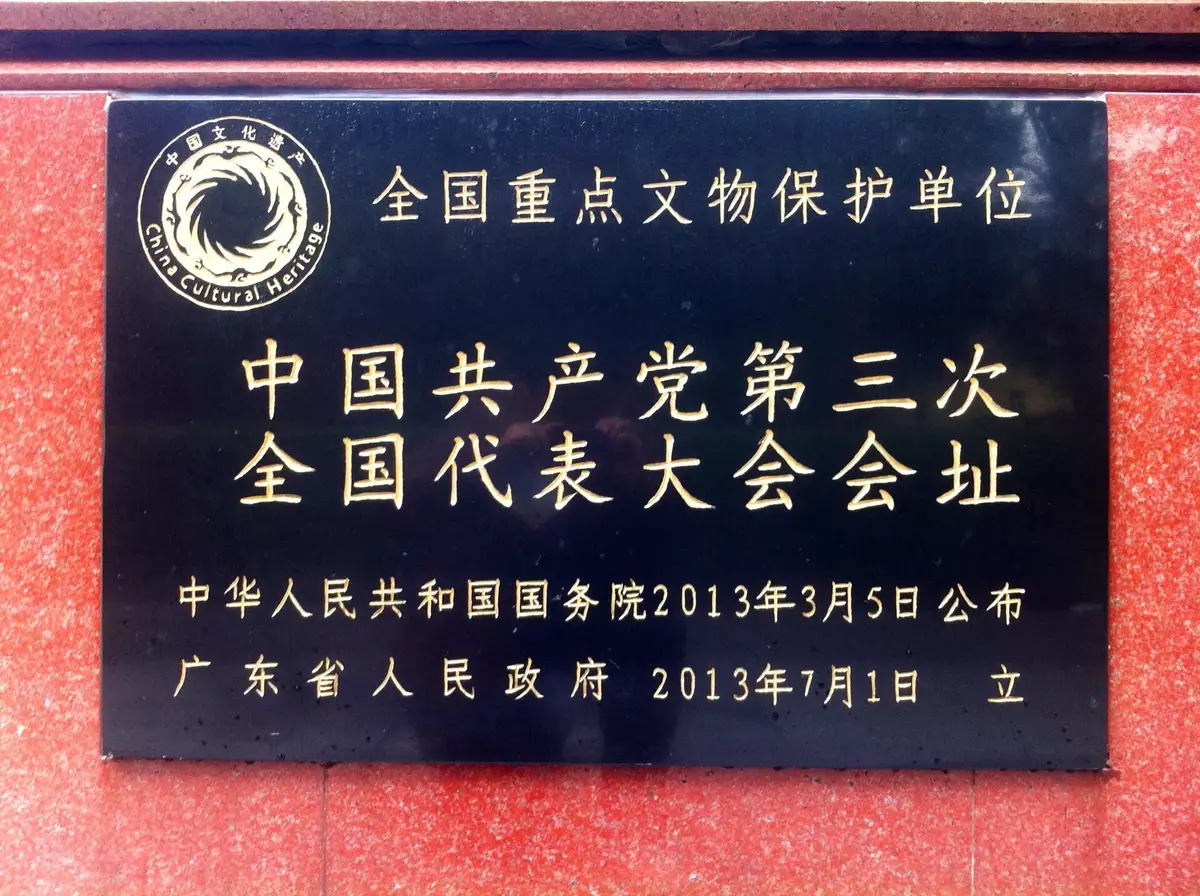
The site of the Third National Congress of the Communist Party of China. Photo source: Wikipedia
Aileen also noted that Ming Abode is close to the site of the Third National Congress of the Communist Party of China. A short walk is all it takes to visit and recall the memory of revolutionary pioneers gathering in Guangzhou to discuss national affairs. She believes that its proximity to a revolutionary site gives Ming Abode a mission to carry forward the revolutionary spirit. "In the past, Hong Kong people may not have known much about the Communist Party of China (CPC), but it is under the strong leadership of the CPC that China has grown from a weak nation bullied by foreign powers into a force to be reckoned with in today’s world. Such valuable leadership wisdom is something we should learn from, to deepen our knowledge of our country’s development." She believes that the wartime memories embodied in Ming Abode, together with the revolutionary heritage of the nearby Third National Congress site, can help Hong Kong youths understand the arduous path China has walked through and, on that basis, deepen their patriotic feelings and national identity.
Ming Abode in Guangzhou. Photo provided by the interviewee
Given Ming Abode’s valuable cultural significance, Aileen hopes it will not remain merely a historic residence, but may one day become a museum of overseas Chinese culture, showcasing the stories of her own family, of Guangzhou, and of overseas Chinese across the country during the war years, and welcoming residents and visitors to learn about them. She acknowledges that many practical factors must be considered in establishing such a museum, and that it will not be easy. But she also believes that the family letters, photographs, and other objects she has preserved may yet become precious historical testimony, bringing a timeless emotional resonance to more compatriots in the Greater Bay Area.