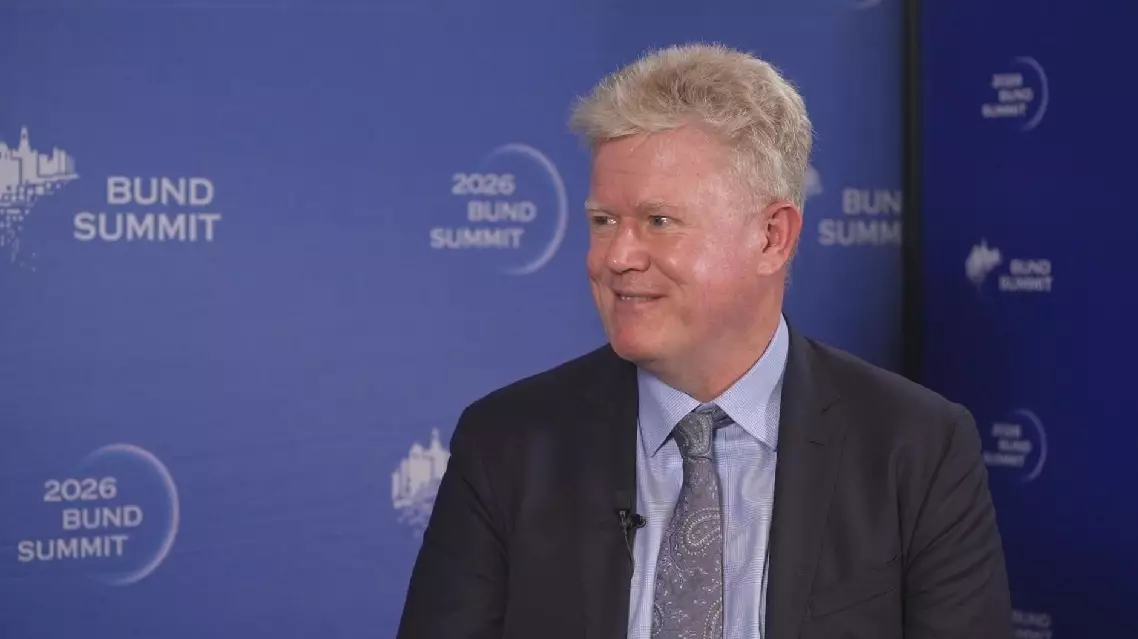
Countries like China could manage their demographic transitions more easily by applying artificial intelligence (AI)-driven productivity growth over the next decade, said Mark Pearson, acting director of the Directorate for Employment, Labour and Social Affairs at the Organization for Economic Cooperation and Development (OECD).
Pearson recently attended the 2026 Bund Summit in Shanghai, taking place from Oct 19-22 and convening global leading minds to foster dialougue toward a more reslient future.
In an interview on the sidelines of the summit with China Global Television Network (CGTN), Pearson shared his views on AI's potential impacts on labor and productivity, pushing back on the narrative that jobs will be eliminated in large numbers.
"In the short term, absolutely, we're not seeing any signs of jobs being destroyed at scale yet from AI. That doesn't mean it might not happen in the future. But it's much more complicated than simply saying AI can do this part of your job. Jobs are very very complicated. They evolve over time. And I think what we really expect is what's happened with previous technological change -- that jobs will change, they will evolve. And so probably most people shouldn't be worried about losing their jobs. They will need new skills to do their jobs, but they will still have jobs. That's the most likely scenario anyway," said Pearson.
Even in that scenorio, however, the world will have to make changes to ways businesses operate, workforces are educated, and labor is performed, he said.
"Who is using the AI? At the moment, we know that take-up by small and medium sized enterprises, for example, is really quite low. That's often due to skills and a lack of knowledge about AI. There're things we can do there. There're things that we can do with skills more generally. We can't compete with AI. We shouldn't be trying to develop coders. As we all know, there's not going to be much demand for coders in the future. But things like problem solving, things like creativity, things that AI can't do -- that's an area where we should be expanding, and we should make sure that individuals can get the most from AI use as well. So that's general AI literacy. So how we move workers from one job to another, how we negotiate wages, things like that would be areas that we could look at," the acting director said.
As many countries begin to see declining birth rates, Pearson highlighted the possiblity that productivity gains from technology could counteract the challenges associated with aging populations.
"I think this is one of the strongest things to push. We do know there is going to be this demographic penalty as countries see a greater and greater proportion of people beyond the working age -- that is going to push down growth in many many countries, obviously, China particularly, rapidly given the pace of your demographic change. Our estimates are that you are one of the countries that can benefit most over the next decade from productivity growth due to AI. We're estimating about 0.8 percentage points per year over the next decade. That's one of the highest numbers that we've come across due to the structure of your economy. So take advantage of that, and you'll be able to manage the demographic transition much more easily," he said.
OECD employment chief downplays loss of jobs from AI, highlights potential amid demographic changes