A single figure sets Venezuela apart from the rest of the world: 303 billion barrels of so-called proven oil reserves. But experts say the country's estimate is inherently problematic and far from proven — rooted in exaggerated, aging data from a corrupt government.
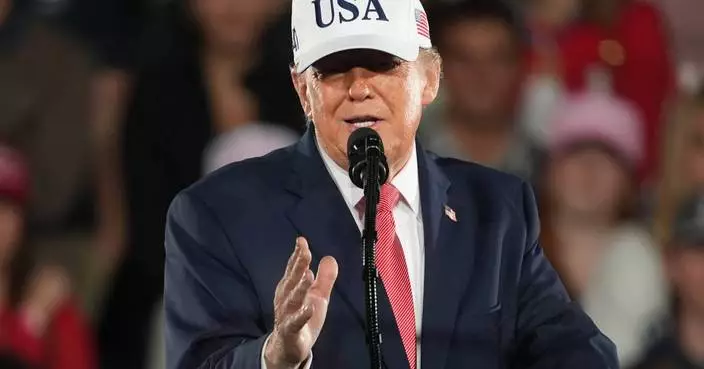
The number has long been touted by politicians and investors as an important measure of untapped energy potential, most recently by President Donald Trump's administration in detailing a sweeping deal for the U.S. to take control of some Venezuelan reserves.
Click to Gallery
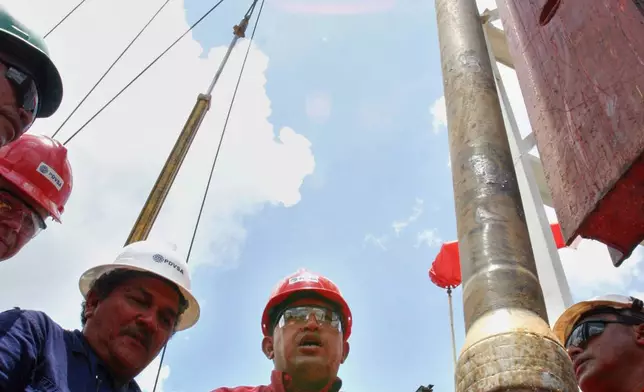
FILE - Venezuela's President Hugo Chavez visits oil workers on the platform of an oil drill in the Orinoco Belt in Venezuela's Anzoategui state, Aug. 10, 2006. (AP Photo/File)
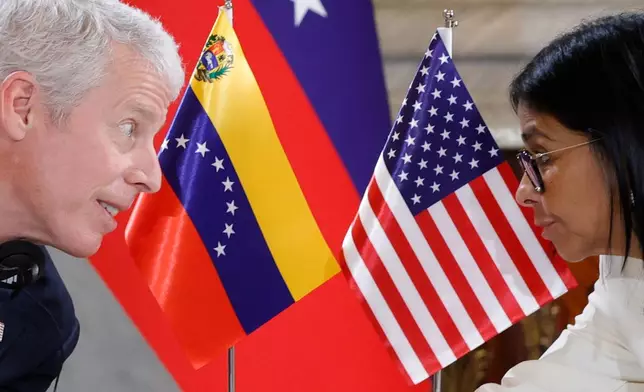
FILE - U.S. Energy Secretary Chris Wright, left, meets with Venezuelan acting President Delcy Rodriguez at the Miraflores presidential palace in Caracas, Venezuela, Sept. 2, 2026. (AP Photo/Pedro Mattey, File)
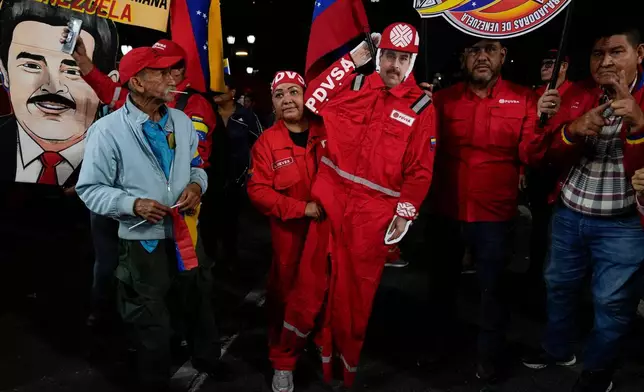
FILE - A PDVSA worker of the state-owned oil company carries a cutout of former President Nicolas Maduro dressed as an oil worker during a rally to back an oil reform bill proposed by acting President Delcy Rodriguez to loosen state control and open the industry to private and foreign investment in Caracas, Venezuela, Jan. 29, 2026. (AP Photo/Ariana Cubillos, File)
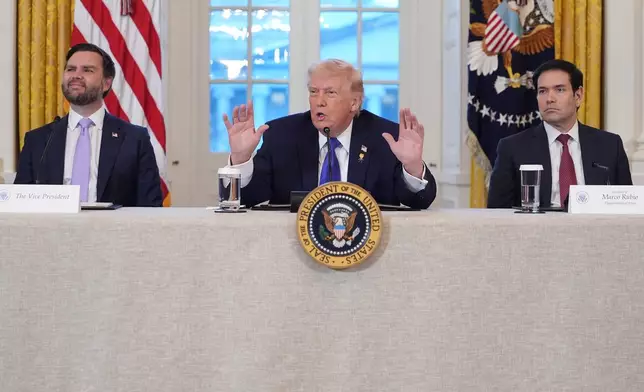
FILE - President Donald Trump , flanked by Vice President JD Vance, left, and Secretary of State Marco Rubio, speaks during a meeting with oil executives in the East Room of the White House, Jan. 9, 2026, in Washington. (AP Photo/Evan Vucci, File)
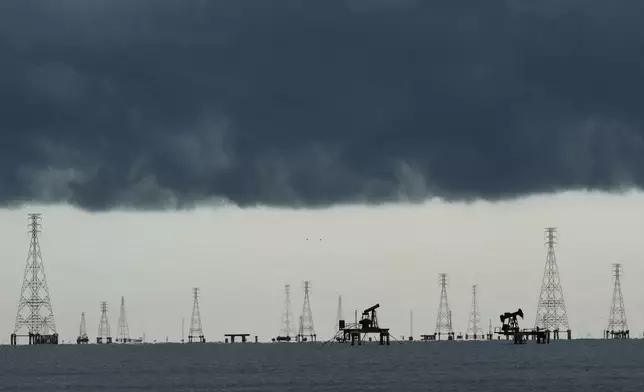
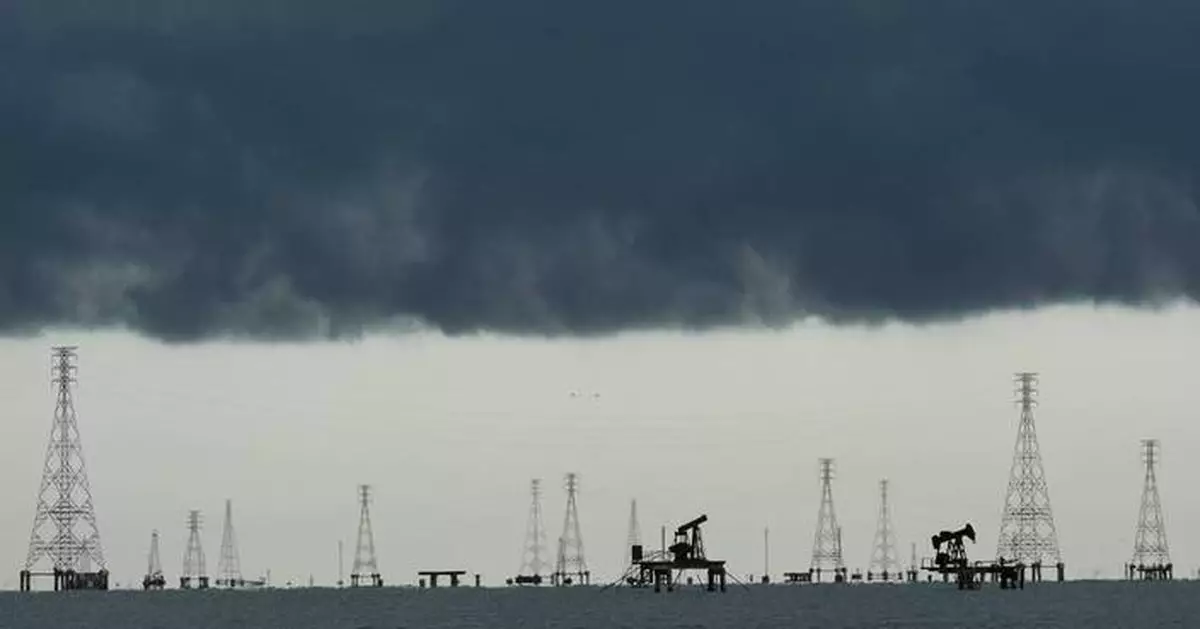
FILE - Clouds form over pumpjacks and power transmission towers on Lake Maracaibo in Cabimas, Venezuela, Sept. 1, 2026. (AP Photo/Ariana Cubillos, File)
But a more realistic estimate of the country’s proven reserves — a gold standard metric, representing the amount of oil that can reasonably be extracted under current conditions — is about one-third of what it has reported, half a dozen experts told The Associated Press. They put the likely figure at 60 to 120 billion barrels, a vast amount but not enough for Venezuela to remain the world’s largest holder of reserves.
The distinction is an important one as Venezuela and the U.S. attempt to attract new investment into the country’s dilapidated oil industry, and it suggests that the deal Trump announced in August claiming the U.S. would ultimately control more than 65 billion barrels of Venezuela’s proven oil reserves is much less profitable than he asserted.
“That’s a funny, funny proposal,” Evanan Romero, a former Venezuela energy official now based in Houston, said of the deal, adding that he believes the Trump administration didn't fully research the South American country’s claims before wading in. “If the U.S. government called them and asked them to testify to how they did the procedure — well, the whole world will know that that’s a funny number, an absolute lie.”
Venezuela’s government didn't respond to a request for comment from AP.
Trump has said that under the deal, the U.S. will control 65 billion barrels of proven reserves — a figure exceeding the entirety of U.S. crude reserves. He's repeatedly cited the 65 billion barrels number and called the oil deal the biggest in history, a way to refill U.S. strategic reserves and lower gas prices that surged during the Iran war.
But experts say the U.S. is gaining access to a mix of sites that are nearly depleted or totally undeveloped, with an expected output a fraction of what Trump claimed. Some of the oil fields are deep within the Orinoco Belt, a virtual wilderness in central-eastern Venezuela posing major technical challenges.
“We cannot believe the 65 billion. It’s impossible,” Romero said, adding that some firms have abandoned these fields because of the difficulties.
The White House hasn't publicly disclosed how it arrived at the 65 billion figure and didn't answer questions from AP. A statement from White House spokesperson Taylor Rogers defended the deal and Trump's assertions.
“This historic deal marks a major step toward stabilizing Venezuela’s economy after years of hyperinflation and almost no new investment, while more than doubling the United States’ oil reserves,” Rogers said.
Luisa Palacios, a former Citgo chair, said she suspects the figure announced by the administration represents oil stored underground, not proven reserves. Under that scenario, she said, the proven reserves would probably be about 10% to 12% of 65 billion, or around 6.5 billion.
“Is that 65 billion barrels assuming a 20% recovery rate?" said Palacios, now an energy researcher at Columbia University. "That’s the thing that I cannot say. And so that’s why there are questions around it.”
Francisco Monaldi, a Venezuelan oil expert at Rice University, estimated that 10 billion to 15 billion barrels would be classified as proven reserves in the short term — far short of Trump's estimate.
The oil the U.S. would control, according to officials in both countries, is in 17 fields under the control of a joint venture between the U.S. and Venezuela-based North American Blue Energy Partners, or NABEP.
Publicly traded oil companies are required to report estimates of proven reserves in annual reports using strict definitions provided by the U.S. Securities and Exchange Commission. NABEP isn't publicly traded.
The calculations behind Venezuela's claim of more than 303 billion reserve barrels began over a decade ago.
In the mid-2000s, then-President Hugo Chávez set out to tally reserves in the Orinoco Belt, amid increasing global oil prices and virtually unrestricted government spending. It became a multiyear effort, with state-owned companies from Brazil, Iran, China, Spain and other countries invited to help calculate the reserves, and a U.S.-based firm hired to study them.
But the government never provided detailed explanations for the conclusions. Some experts and observers have questioned them since.
“Those were funny numbers that were cooked by Hugo Chávez and his minister of energy at that time,” Romero said.
Monaldi agreed: “They are inflated by a factor of nearly three.”
The U.S.-based firm hired by Chávez estimated Venezuela had more than 1 trillion barrels of oil under the Orinoco Belt's surface but never calculated its proven reserves, or the amount with a 90% chance of being extracted. Chávez's government made that calculation itself. The firm, Ryder Scott, refused to sign off on the figure, ultimately abandoning its work, and didn't provide comment to AP.
In its 2011 annual report, Venezuela's state-owned oil company said its proven reserves jumped by a stunning 82 billion barrels, to nearly 300 billion. The company — Petróleos de Venezuela S.A., or PDVSA — attributed it to “adjustments due to the revision of recovery” rates. PDVSA didn't provide additional details; its operations, statistics and finances have been shrouded in secrecy for years.
With that extraordinary jump, Venezuela surpassed Saudi Arabia as the world's largest holder of proven reserves in OPEC's annual reporting.
Experts believe an accurate recovery rate for Venezuela’s oil reserves today is about 10% overall and even lower — 5% to 8% — in the Orinoco Belt, which has become an investment priority for acting President Delcy Rodríguez and the White House.
The oil there is thicker than most conventional crude; it doesn't easily flow into wells. Producers could use advanced technology to increase the recovery rate, but that requires major investments, which companies are hesitant to make in a country led by a government with a history of breaking contracts and current instability. Rodríguez’s term expired in July, and no elections are scheduled.
OPEC has accepted the country's proven reserves calculations and placed it atop the list of proven reserves every year since 2011.
OPEC — comprising a dozen countries, with Venezuela as a founding member — didn't respond to a request for comment.
OPEC's 2026 report sets Venezuela's proven reserves at 303.7 billion barrels, which includes reserves in the Orinoco Belt and other oil-producing regions. Saudi Arabia ranked No. 2, with 267 billion barrels, followed by Iran, with 208 billion.
Despite widespread skepticism, the 300 billion figure has stuck. Both Chávez's successors — the now-deposed Nicolás Maduro and Rodríguez — have cited it repeatedly. So has the political opposition, including Nobel laureate María Corina Machado. The ruling party for 27 years also used the figure to secure multibillion-dollar loans from China and Russia.
Experts said private investors considering Venezuela options will want to see accurate data from Rodríguez’s government. The lack of transparency, they said, only adds to investors' hesitation.
“Any country that reports a reserve figure that never changes over time — that smells extremely fishy,” Monaldi said.
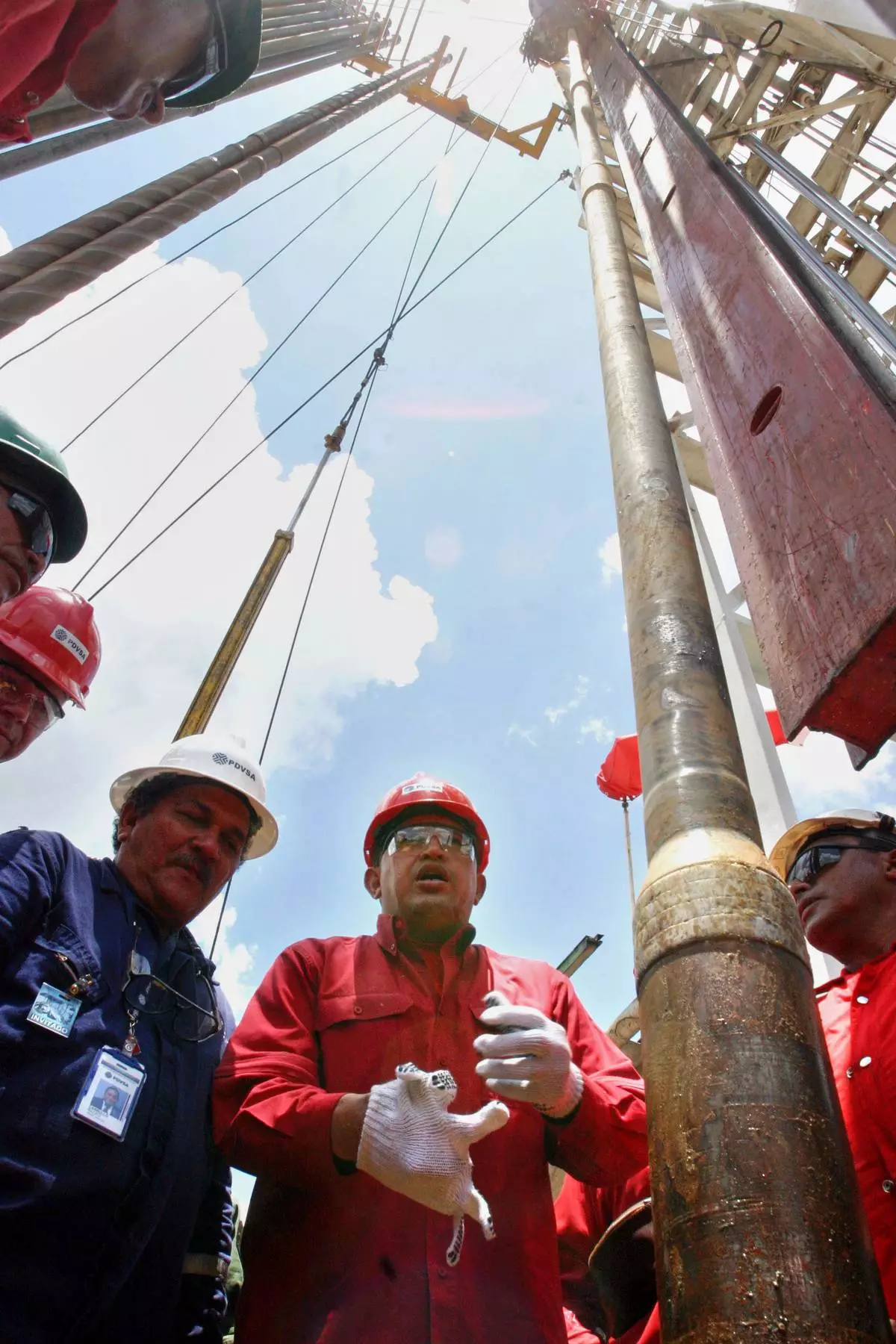
FILE - Venezuela's President Hugo Chavez visits oil workers on the platform of an oil drill in the Orinoco Belt in Venezuela's Anzoategui state, Aug. 10, 2006. (AP Photo/File)
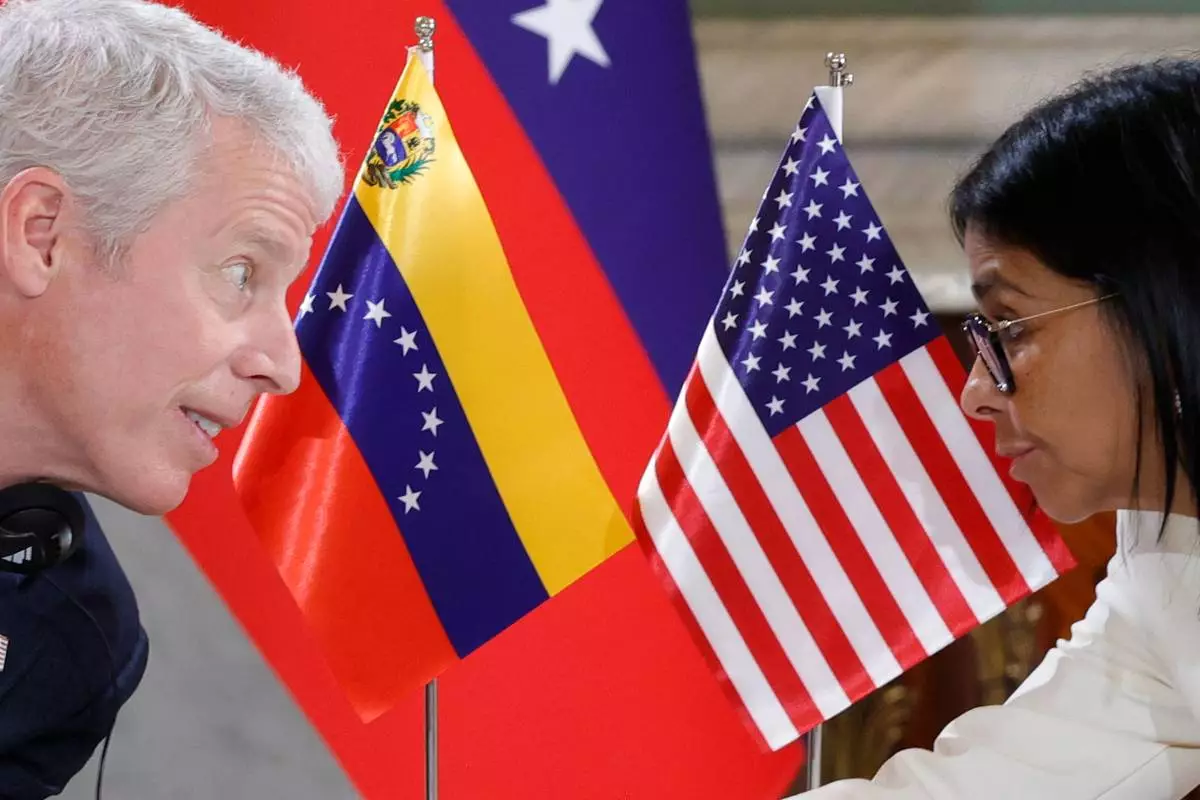
FILE - U.S. Energy Secretary Chris Wright, left, meets with Venezuelan acting President Delcy Rodriguez at the Miraflores presidential palace in Caracas, Venezuela, Sept. 2, 2026. (AP Photo/Pedro Mattey, File)
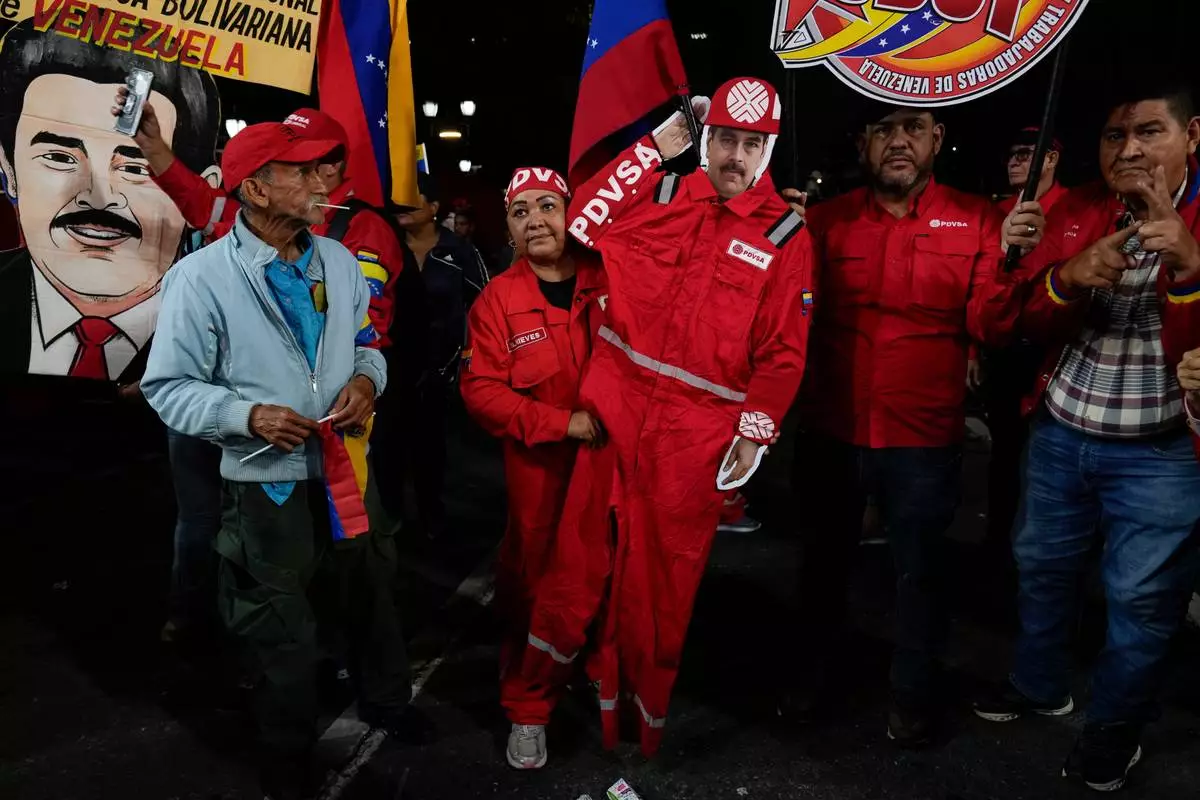
FILE - A PDVSA worker of the state-owned oil company carries a cutout of former President Nicolas Maduro dressed as an oil worker during a rally to back an oil reform bill proposed by acting President Delcy Rodriguez to loosen state control and open the industry to private and foreign investment in Caracas, Venezuela, Jan. 29, 2026. (AP Photo/Ariana Cubillos, File)
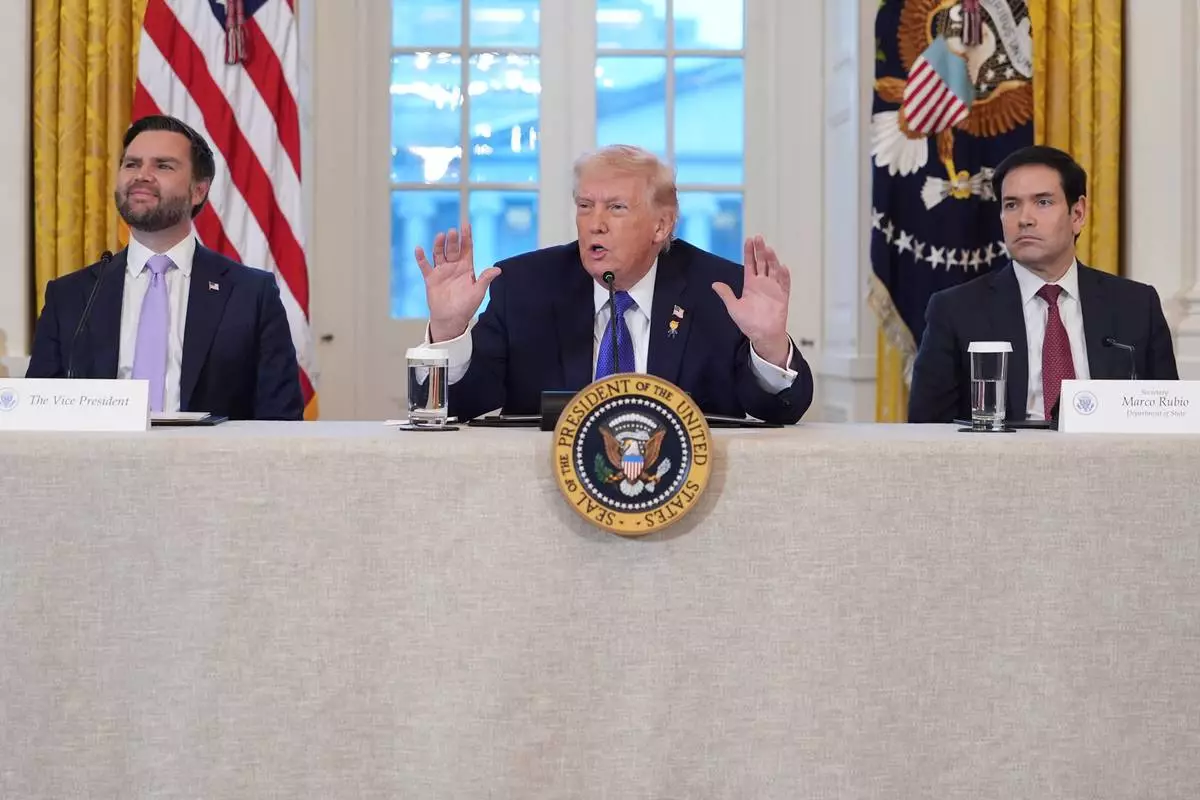
FILE - President Donald Trump , flanked by Vice President JD Vance, left, and Secretary of State Marco Rubio, speaks during a meeting with oil executives in the East Room of the White House, Jan. 9, 2026, in Washington. (AP Photo/Evan Vucci, File)
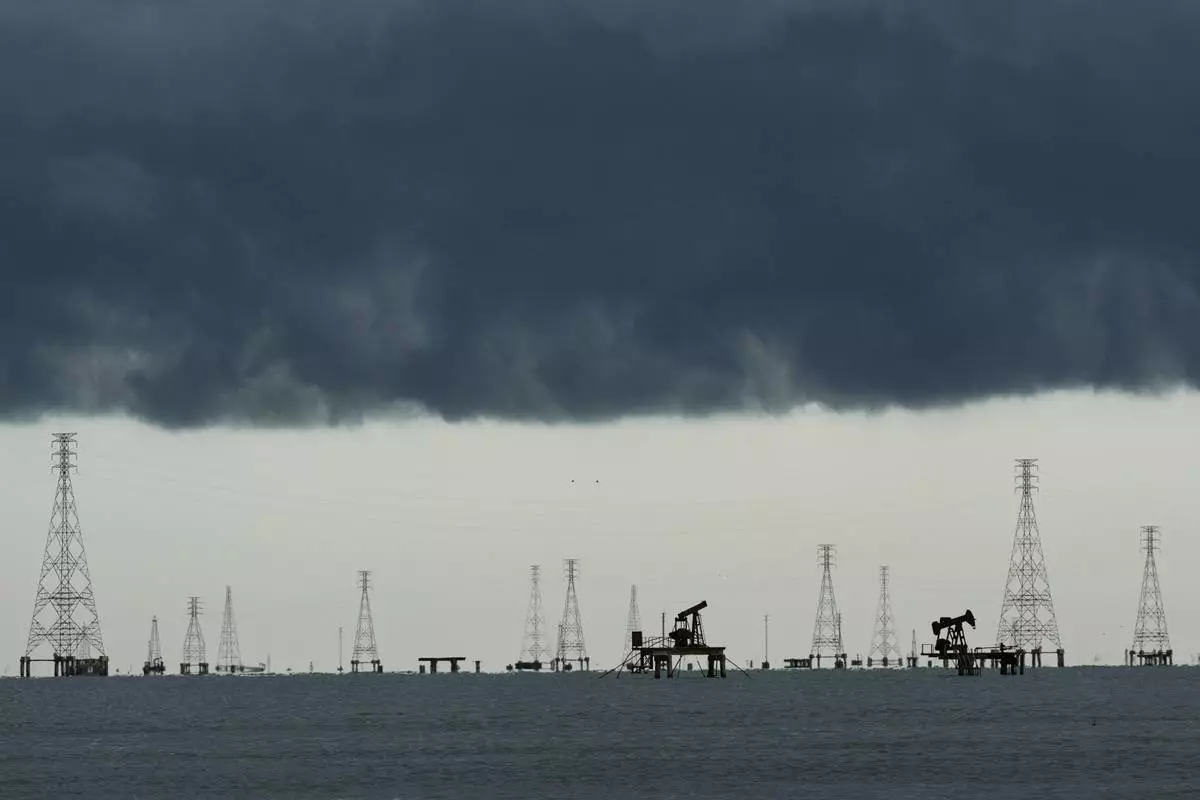
FILE - Clouds form over pumpjacks and power transmission towers on Lake Maracaibo in Cabimas, Venezuela, Sept. 1, 2026. (AP Photo/Ariana Cubillos, File)