MANHASSET, N.Y.--(BUSINESS WIRE)--Oct 22, 2026--
For too long, harnessing the therapeutic potential of the vagus nerve has been like navigating uncharted waters. Now, scientists at Northwell Health’s Feinstein Institutes for Medical Research have detailed a new course for medical science, unveiling the most complete map of the human vagus nerve yet – a discovery that may lead to safer and more effective vagus nerve stimulation (VNS) therapies. Conditions like pulmonary hypertension, rheumatoid arthritis, heart failure and inflammatory bowel disease could be treated successfully without the reliance on traditional drugs, improving relief and reducing side effects for patients.
This press release features multimedia. View the full release here: https://www.businesswire.com/news/home/20261022920329/en/
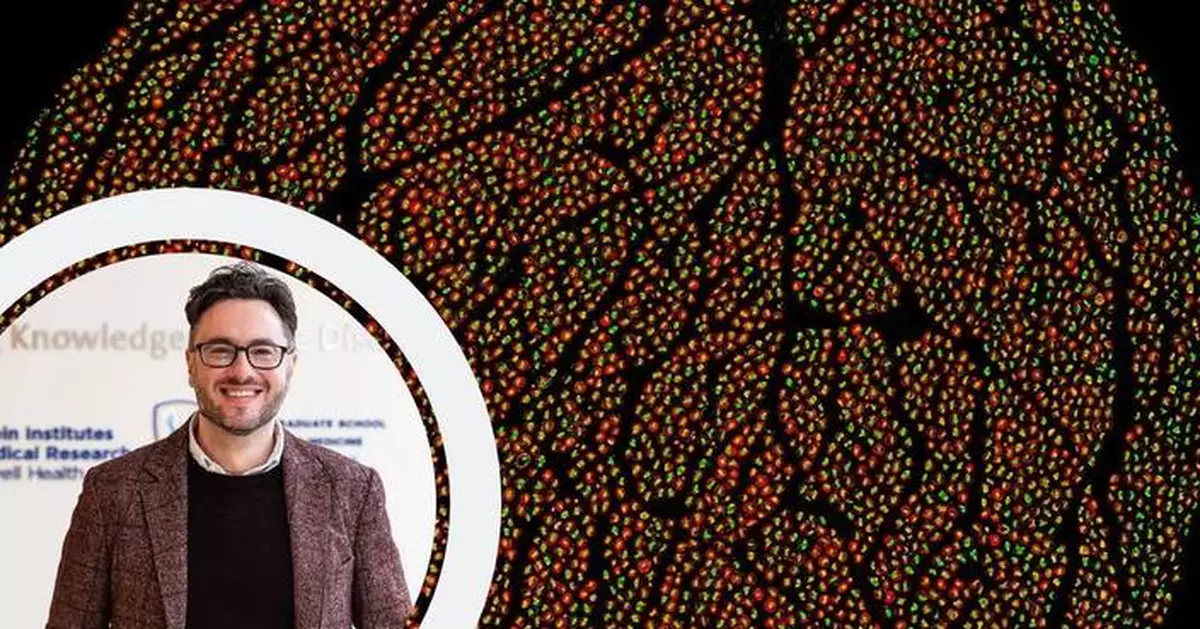
Published in Brain Stimulation, the study was led by Stavros Zanos, MD, PhD, professor in the Feinstein Institutes’ Institute for Bioelectronic Medicine, Mary Barbe, PhD, professor at the Temple University Lewis Katz School of Medicine, and Siyar Bahadir, MD, a Feinstein Institutes’ Elmezzi Graduate School of Medicine scholar and PhD candidate. The researchers – along with a multidisciplinary team from Northwell Health and collaborating institutions, including Penn State College of Medicine, Lewis Katz School of Medicine of Temple University and Hackensack Meridian School of Medicine – studied 58 human vagus nerves to establish a standardized, quantifiable map of their branching patterns relative to key surgical landmarks.
This roadmap culminates years of dedicated research by the Feinstein Institutes. Publicly released in July with SPARC Science, the groundbreaking work was developed over three years by the Reconstructing Vagal Anatomy (REVA) project and funded by a $6.7 million NIH multi-year grant.
“Our understanding of the vagus nerve’s intricate branching patterns has, until now, been fragmented across studies,” said Dr. Zanos. “This research provides a single, cohesive and surgically relevant map that bridges existing knowledge gaps and offers clinically actionable knowledge for clinicians and device developers aiming for more precise bioelectronic treatments.”
The researchers traced 2,177 individual branches from vagus nerve cadavers, extending from the jugular foramen (at the base of the skull) through the thoracic cavity. These branches were categorized into seven major groups, including sympathetic, muscular, vascular, cardiac, pulmonary and esophageal targets. Distances of branch emergence were measured to easily identifiable and common surgical sites, such as the border of the clavicle. This approach allows for a standardization across patients, overcoming variability of human anatomy.
Key findings showed that the smaller nerves branch off the main vagus nerve in a predictable order, starting from the top of the neck and going down to the chest. First come the nerves controlling basic body functions (sympathetic, which is about 1.5 inches from the skull base). These are followed by nerves for muscles, then blood vessels, heart, lungs and the esophagus further down the chest.
The study also pinpointed “clear zones” along the nerve – sections without any branches – which are important for placing stimulation devices without accidentally affecting other nerves. These clear zones are often longer on the left side of the neck, especially around the Adam’s apple and collarbone area. To make this valuable information widely available, the team created an interactive online “atlas,” a digital tool that lets doctors and researchers explore these nerve pathways and plan personalized stimulation treatments.
“Dr. Zanos and Dr. Bahadir’s anatomical mapping of the vagus nerve is lynchpin to unlock the full potential of bioelectronic devices to treat disease,” said Kevin J. Tracey, MD, president and CEO of the Feinstein Institutes and Karches Family Distinguished Chair in Medical Research. “By providing this roadmap, they enable a new era of neuromodulation research and clinical usefulness for many important debilitating conditions.”
The Feinstein Institutes for Medical Research is the global scientific leader in bioelectronic medicine and vagus nerve stimulation, where medical researchers use modern technology to develop new device-based therapies to treat disease and injury. Built on decades of research, the field of bioelectronic medicine integrates insights from neuroscience, molecular medicine and biomedical engineering, and researchers at the Feinstein Institutes leverage the connection between the brain and the immune system to develop bioelectronic medicine interventions.
The discovery that initiated the field of bioelectronic medicine – called the “inflammatory reflex” – was made more than 30 years ago by Dr. Tracey. This discovery emerged from studies on vagus nerve signaling and showed that the brain and body communicate to regulate inflammation and, if uncontrolled, inflammation could lead to disease. New knowledge then sparked extensive research and clinical trials and led to the first FDA-approved vagus nerve stimulation device in July 2025 to treat rheumatoid arthritis – and Northwell Health was the first in the nation to implant the newly approved treatment in patients in August 2025.
Today, engineers, computer scientists, immunologists, neuroscientists and clinicians develop cutting-edge medicine, including neuroimmune modulation, miniature implants for stimulating and recording the vagus nerve, noninvasive ultrasound neuromodulation to suppress inflammation, and novel brain-computer interfaces to overcome injuries of the nervous system. These collaborative efforts converge to create personalized, precise treatments that hold promise in treating acute and chronic diseases, often with fewer side effects compared to current therapies.
These treatments have the potential to enhance or replace existing treatments across a range of conditions such as arthritis, heart disease, inflammatory bowel diseases, diabetes, cancer and autoimmune disorders. By producing bioelectronic medicine knowledge, disease and injury could one day be treated by our own nerves without costly and potentially harmful pharmaceuticals.
If you are interested in learning more about the center and current bioelectronic clinical trials offered at Northwell Health, click here or call 1-227-BIO-INST (246-4678).
For more information on the vagus nerve, click here.
About the Feinstein Institutes
The Feinstein Institutes for Medical Researchis the home of the research institutes of Northwell Health, the largest health care provider and private employer in New York State. Encompassing 50+ research labs, 3,000 clinical research studies and 5,000 researchers and staff, the Feinstein Institutes raises the standard of medical innovation through its six institutes of behavioral science, bioelectronic medicine, cancer, health system science, molecular medicine, and translational research. We are the global scientific leader in bioelectronic medicine – an innovative field of science that has the potential to revolutionize medicine. The Feinstein Institutes publishes two open-access, international peer-reviewed journalsMolecular MedicineandBioelectronic Medicine. Through theElmezzi Graduate School of Molecular Medicine, we offer an accelerated PhD program. For more information about how we produce knowledge to cure disease, visithttp://feinstein.northwell.eduand follow us onLinkedIn.
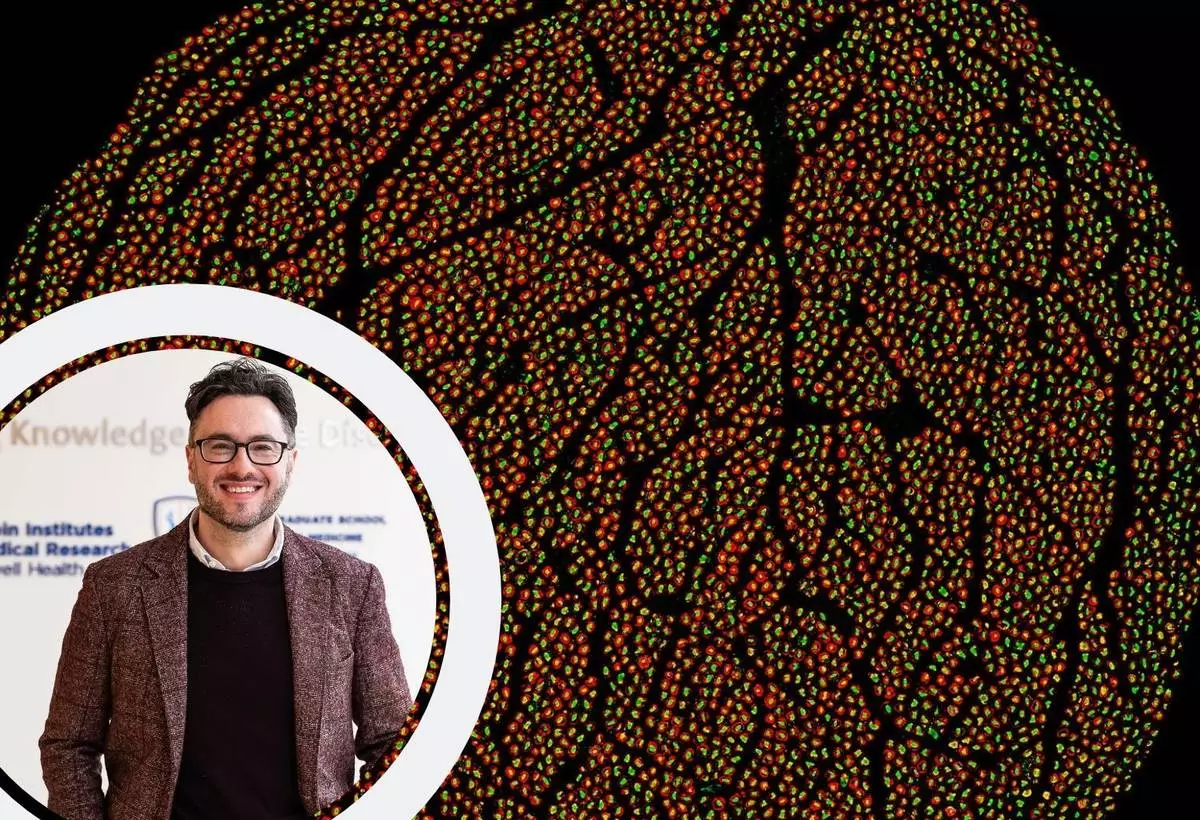
The human vagus nerve contains about 100,000 individual nerve fibers, some as small as 0.5 micrometers. (Credit: Naveen Jayaprakash, PhD/Feinstein Institutes)