Russia said Thursday that its forces launched large-scale airstrikes across Ukraine, targeting key military-industrial, energy and transport facilities, while Ukraine said on the same day that it retaliated with drone attacks on Russian territory.
From Wednesday night through the early hours of Thursday, Russian forces launched another wave of airstrikes on Ukraine, hitting the capital Kiev, Kiev region and Kharkiv region, among other areas. Kiev Mayor Vitali Klitschko said the city came under ballistic missile attack. Part of the metro infrastructure on Kiev's South Bridge was damaged, and traffic on the bridge in both directions was temporarily closed that day.
The Russian Defense Ministry said on Thursday that its forces launched a large-scale strike on Ukraine in the early hours of the day, using ground-based precision weapons and drones to strike Ukrainian military-industrial enterprises involved in the production and storage of medium- and long-range cruise missiles and drones, transport facilities in Kiev, port facilities in Odesa region, and maritime vessels serving the Ukrainian military. Russian drones also struck one 330 kV substation each in Kiev region and Zhytomyr region during the daytime on Thursday. Russia said the substations supply power to Ukraine's military-industrial and logistics systems.
The Ukrainian Air Force reported the same day that starting from 18:00 on Wednesday, Russia launched a large-scale joint assault involving missiles and various types of drones, with the main focus on Kiev. Ukrainian air defense claimed to have shot down or neutralized 181 Russian drones, while confirming that 32 locations were struck during the raids.
In addition, the Ukrainian military also launched large-scale drone attacks on Russia. The Russian Defense Ministry said that between 08:00 and 20:00 local time on Thursday, 49 Ukrainian drones were intercepted and destroyed over various regions of Russia. And from Wednesday night to Thursday morning, Russian air defense systems destroyed a total of 808 Ukrainian drones over more than 10 regions of Russia and the Black Sea.
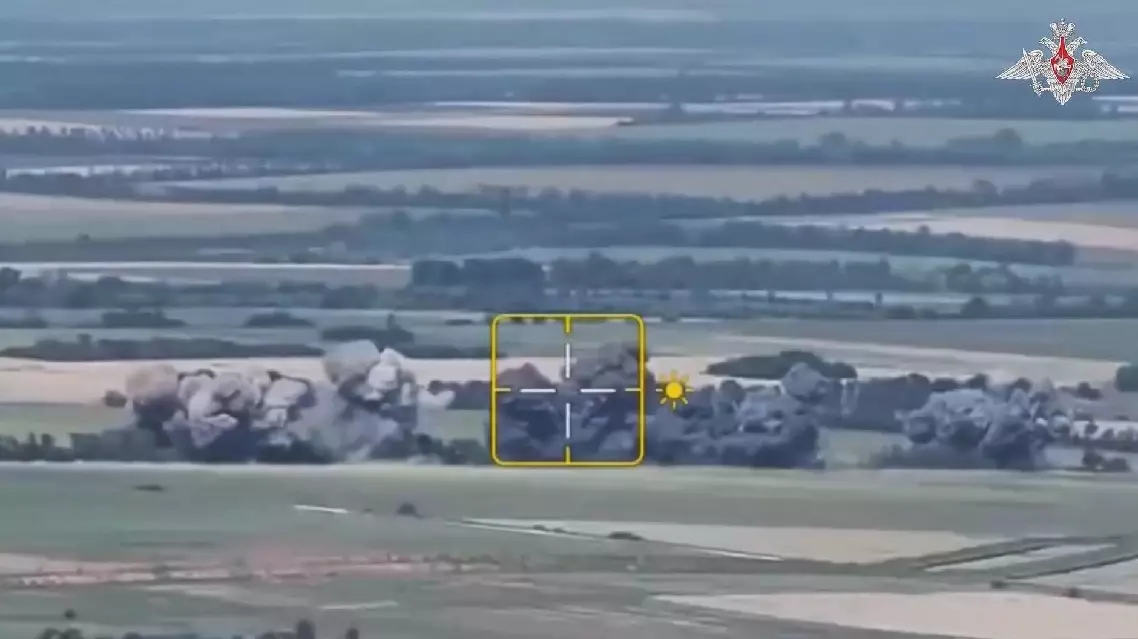
Russia strikes key Ukrainian facilities, Ukraine counters with drones
The U.S. and Israeli militaries have drawn up concrete plans to launch another military strike on Iran after the U.S. midterm elections, The New York Times reported Wednesday, citing U.S. officials and other informed sources.
However, it remains uncertain how effective the reported new round of strikes would be and whether U.S. President Donald Trump will approve the plan.
The report said the United States and Israel are planning a short but intense operation, with possible targets including Iran's energy infrastructure, nuclear facilities, and missile and drone stockpiles. The two sides have also stepped up joint drills, including simulated strikes by military aircraft flying over Iraq.
Also on Wednesday, CBS News, citing government officials and military sources, reported that the U.S. military is "quietly" scaling back its troop presence at bases across the Middle East due to the ongoing regional threat posed by Yemen's Houthi group and the direct threat from Iran. NBC News reported Thursday that the U.S. military is cutting troop levels in Jordan, Qatar and Kuwait.
The U.S. Central Command (CENTCOM) declined to comment on the reports.
U.S. State Department spokesman Tommy Pigott said Wednesday in a social media post that the department had ordered the departure of "non-emergency" government employees and their families from the U.S. Embassy in Saudi Arabia.
The NBC News report said that the military drawdown and the ordered departures are similar to the U.S. moves to scale back its military presence and embassy staff before launching military strikes on Iran in late February this year.
Separately, Israeli and U.S. media reported Wednesday that from Monday night to early Tuesday, dozens of Israeli fighter jets and aerial refueling aircraft took off from the Nevatim Air Base in southern Israel, crossed Syrian and Iraqi airspace and approached the Iranian border.
According to the reports, the Israeli warplanes turned back just before entering Iranian airspace, following a route highly similar to an attack path against Iran. The reports cited relevant sources as saying that some Israeli officials were in fact trying to provoke Iran into firing on the jets, creating a pretext for an Israeli strike.
The Times of Israel reported Wednesday that Israeli Prime Minister Benjamin Netanyahu said earlier that day that only toppling the Iranian regime could eliminate the so-called Iranian threat to Israel. He also said that he had ordered the Israel Defense Forces (IDF), Mossad and the Military Intelligence Directorate to "topple the Iranian regime".
Iran's Foreign Minister Seyed Abbas Araghchi said Wednesday on social media that if the United States chooses war over diplomacy, it will surely suffer a greater strategic failure. He said Iran would give diplomacy another chance if there is sufficient evidence that Washington is willing to sincerely build mutual trust and reach a just solution.
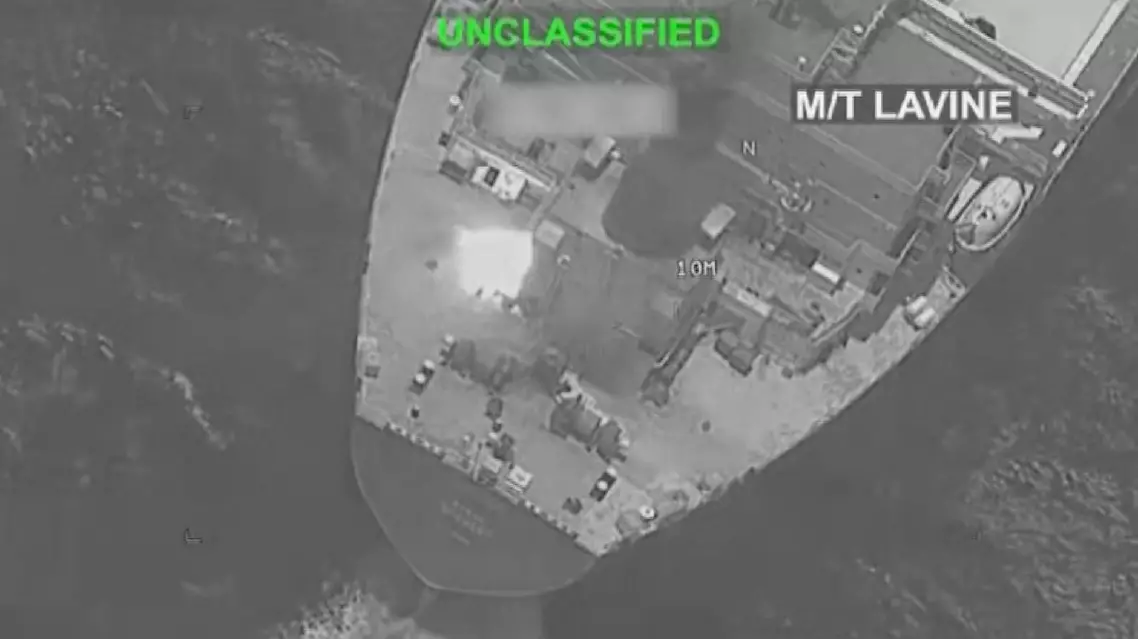
US, Israel plan strike on Iran after midterm elections: media