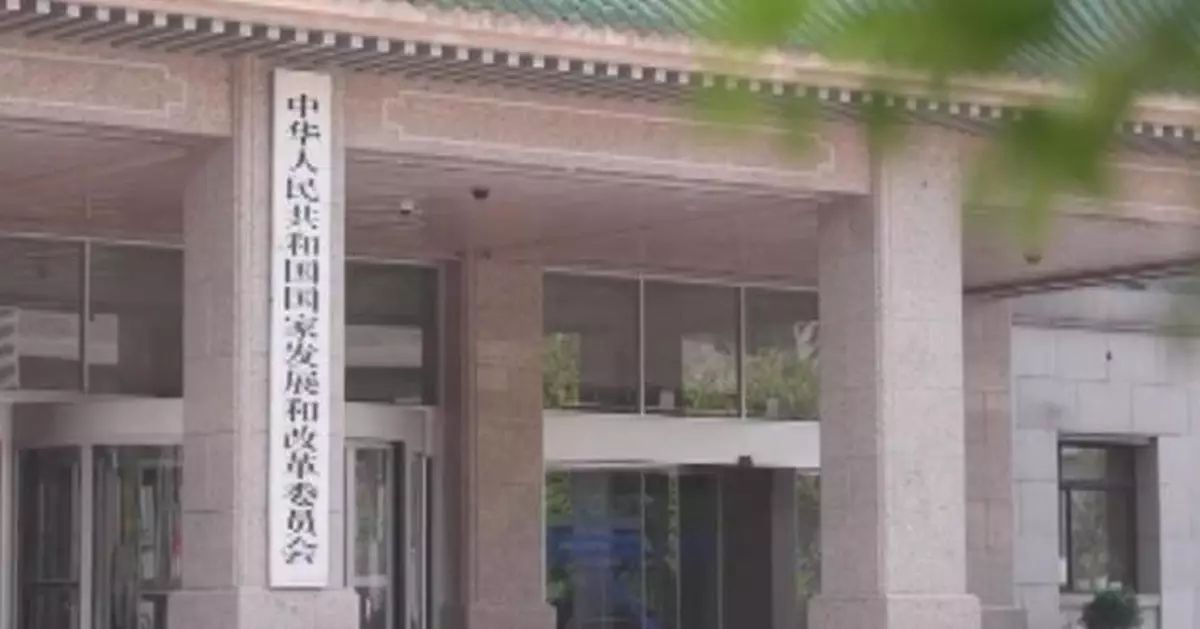
China unveiled revised administrative measures for outbound investment on Thursday, aiming to provide stronger institutional safeguards for its development and security.
The measures, released by the National Development and Reform Commission (NDRC), China's top economic planner, will take effect on Dec. 1, 2026, replacing the existing rules enacted in 2017.
The revision comes amid rapid growth in China's outbound investment and rising risks in an increasingly complex global environment, the NDRC said.
The revised measures further affirm the principal role of various investors in outbound investment, including domestic enterprises, individual residents, and other organizations.
They also improve reporting systems for major adverse events and large overseas reinvestment projects, aiming to better protect outbound investors' rights and interests and help them manage overseas risks.
The revision is part of the country's broader efforts to promote high-quality outbound investment. In June, China issued a new regulation on outbound investment, calling for proactive alignment with high-standard international economic and trade rules, advancing high-quality Belt and Road cooperation, and promoting international cooperation in industrial and supply chains.
China's outbound investment has continued to expand in recent years. By the end of 2025, the country's outbound investment stock had reached nearly 3.4 trillion U.S. dollars, keeping China among the world's top three investors for nine consecutive years, according to the Ministry of Commerce.
The ministry also reported that China's outbound direct investment grew steadily and orderly, totaling 128.62 billion U.S. dollars in the first three quarters of 2026.
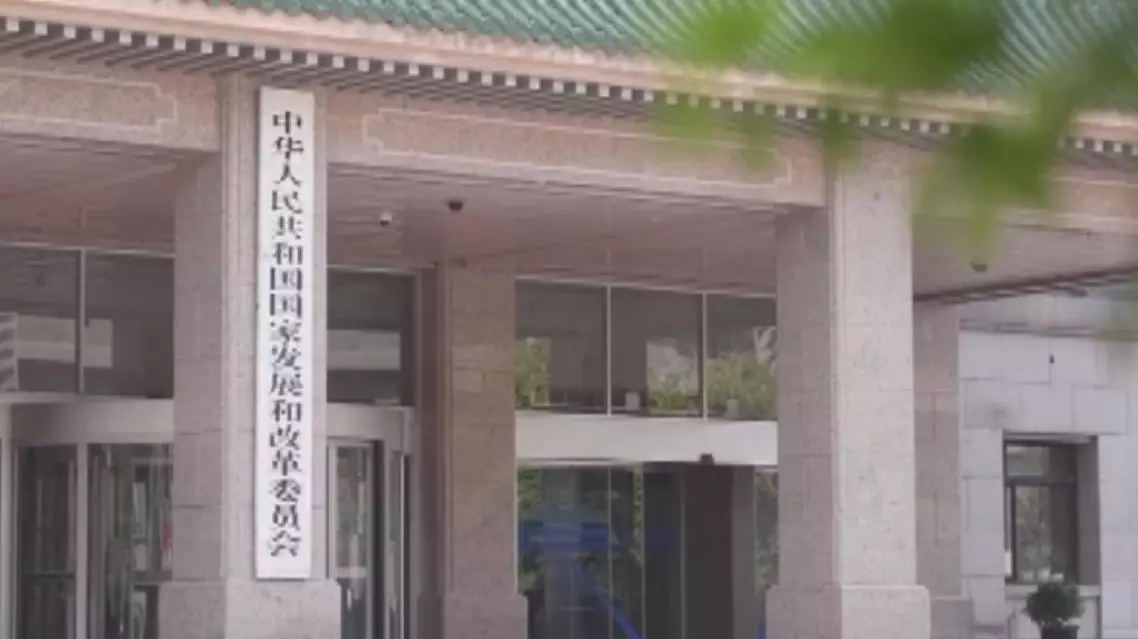
China issues revised administrative measures for outbound investment
China hopes to take German President Frank-Walter Steinmeier's upcoming state visit as an opportunity to make greater progress in bilateral relations, Foreign Ministry Spokeswoman Mao Ning said at a regular press briefing in Beijing on Friday.
At the invitation of President Xi Jinping, Steinmeier will pay a state visit to China from October 27 to 31.
"German president will visit China again after nearly eight years. During the visit, President Xi Jinping will hold talks with President Steinmeier. Premier Li Qiang and Chairman of the National People's Congress Standing Committee Zhao Leji will meet with him to exchange views on bilateral relations and issues of mutual interest. Besides Beijing, President Steinmeier will also visit Anhui Province," said Mao.
"The sound and steady growth of the all-round strategic partnership between China and Germany, the world's second and third largest economies, not only serves the interests of both countries, but is also what Europe and the world hope to see. The past 54 years since diplomatic ties were established have shown that mutual respect and mutual trust are the bedrock for a stable relationship and mutual benefit the key to success in bilateral cooperation. Our two countries have built strategic consensus through close collaboration and achieved shared prosperity in practical cooperation, delivering tangible benefits to both peoples," she said.
"President Steinmeier, an old friend of the Chinese people, has actively contributed to the development of China-Germany relations. We hope to work with the German side to take this visit as an opportunity to cement mutual trust, deepen cooperation and seek joint innovation, so as to make greater progress in bilateral relations, contribute to steady and sustained growth of China-Europe relations, and bring fresh energy to the world," said the spokeswoman.
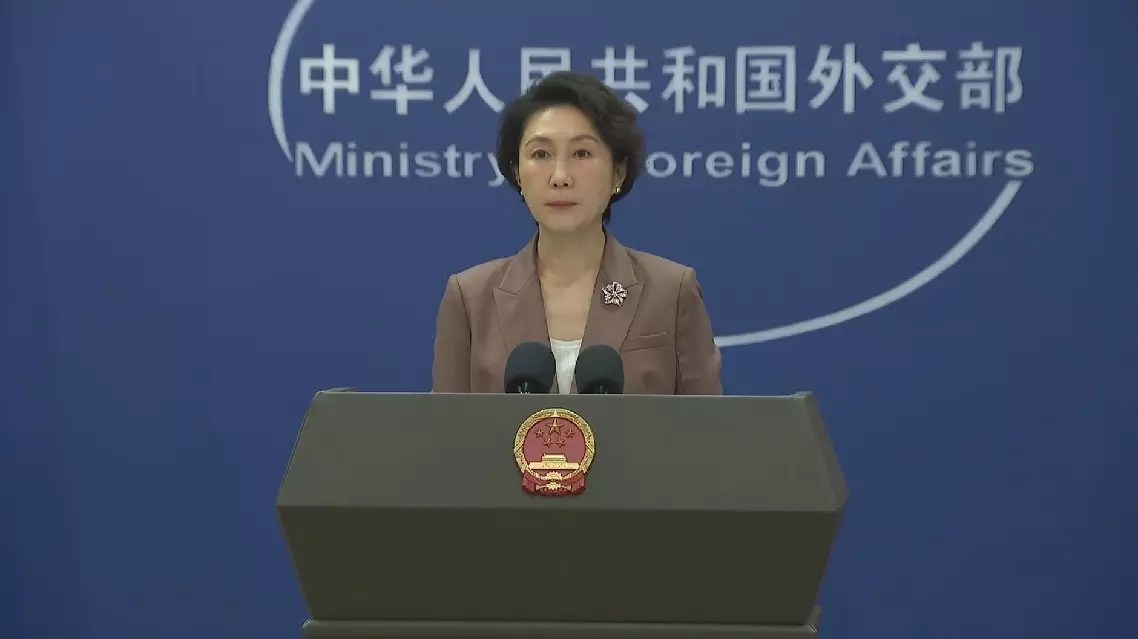
China ready to work with Germany to make greater progress in bilateral relations: spokeswoman