Iranian President Masoud Pezeshkian blamed the United States on Saturday for the collapse of interim deal talks during an address on state television.
At the same time, Pezeshkian emphasized that a new attempt should still be made to conclude an agreement. The president previously said that the U.S. must end threats and lift sanctions before any negotiations can happen.
Meanwhile, military tensions continue to escalate. According to a report by The New York Times on Wednesday, U.S. and Israeli militaries have developed specific plans for renewed strikes against Iran after the U.S. midterm elections in November.
On Friday, U.S. President Donald Trump warned that the U.S. could launch another military operation against Iran. In response, Iran has stated that if renewed strikes should happen, the U.S. would face serious consequences.
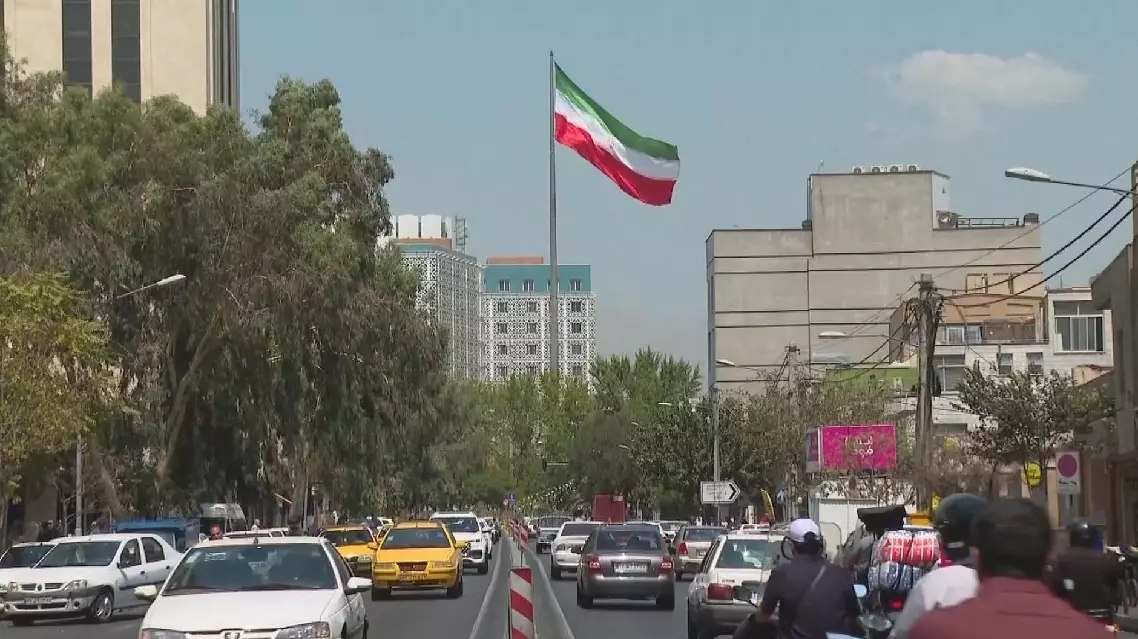
Iranian President blames US for interim deal failure
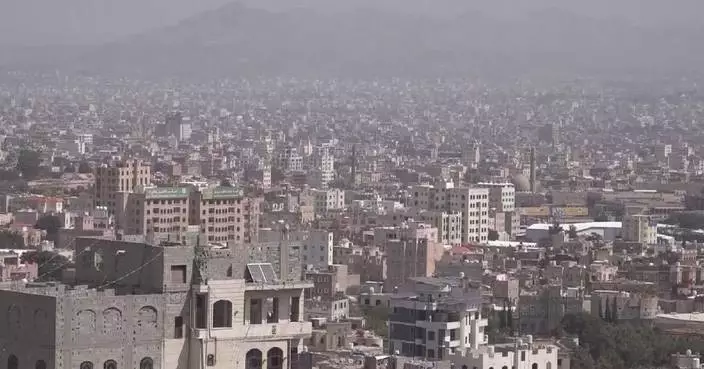
Yemen's Houthi group and the Saudi-led coalition traded heavy strikes on Saturday as the Houthis claimed widespread missile and drone attacks across Saudi Arabia, while intensive airstrikes rocked Houthi-held areas in Yemen, causing multiple casualties.
Houthi military spokesman Yahya Sarea said in a statement that the group launched seven missile and drone attacks targeting airports, oil facilities, and a military base in the Saudi cities of Riyadh, Yanbu, Rabigh, Dammam, Najran and Khamis Mushait.
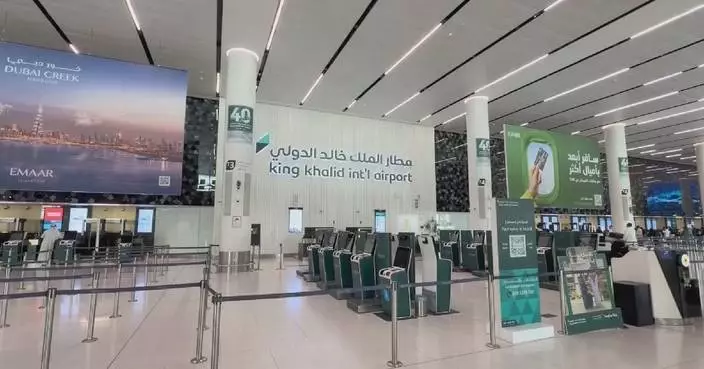
Sarea said the King Khalid International Airport in Riyadh was targeted in two stages. Other attacks struck targets including Saudi Aramco facilities in Yanbu and the King Fahd International Airport in Dammam.
Meanwhile, the Saudi-led coalition announced it had intercepted and destroyed several missiles launched by the Houthi group toward the cities of Riyadh, Taif and Yanbu, as well as a drone in the Eastern Province.
Saudi Arabia's General Directorate of Civil Defense said debris from two intercepted missiles fell in the Mecca and Medina regions. The Houthi group later denied targeting the two holy cities, calling such claims "false and unfounded."
The group claimed that Saturday's attacks followed what it described as 100 Saudi airstrikes on Houthi-held areas of Yemen over the previous 24 hours, including the Houthi-held capital Sanaa and the Red Sea port city of Mocha in the southwestern province of Taiz.
Houthi-run al-Masirah TV reported multiple casualties from the strikes, including eight killed and more than 10 others wounded when airstrikes hit facilities housing cement factory workers in the Hamdan district of Sanaa province.
The strikes came as Yemen's internationally recognized government forces, backed by the Saudi-led coalition, intensified their "Dawn of Yemen" offensive against the Houthis, while the group has responded with missile and drone attacks.
In a separate statement, Sarea said Houthi forces had targeted what he called Saudi-backed "mobilizations" at Al-Nasr camp and a naval military base in the southern port city of Aden, where Yemen's government is based.
A local security official said that the Houthis fired nearly four ballistic missiles at the city, with some striking near the Aden International Airport and key military facilities in the Khormaksar district, and another hitting the Coast Guard Troops headquarters in Al-Tawahi district.
Amid the escalation, the U.S. Department of State Saturday updated travel advisories for Middle East countries, including Saudi Arabia, Qatar, the United Arab Emirates, Bahrain, Iraq, Lebanon and Israel, citing threats from the Houthis.
Yemen has been mired in conflict since late 2014, when the Houthis seized Sanna, the capital, and much of the country's north. A Saudi-led coalition intervened in 2015 to support the internationally recognized Yemeni government.
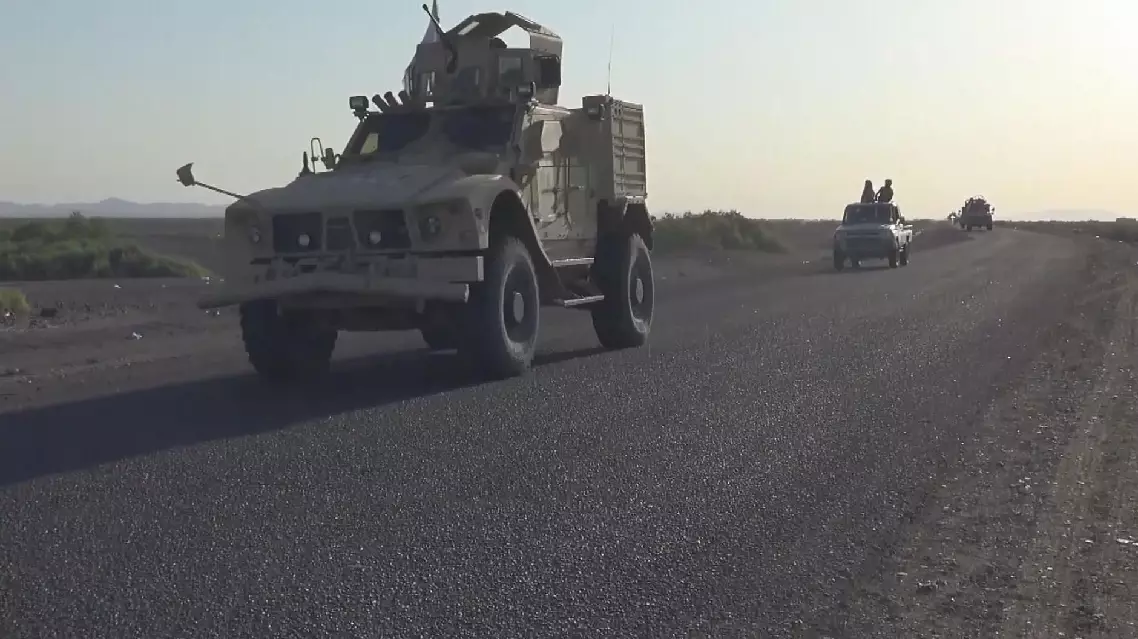
Houthis, Saudi-led coalition trade heavy strikes, report fresh casualties
Houthis, Saudi-led coalition trade heavy strikes, report fresh casualties