Like my recipes for Kimchi Bolognese and Kimchi Mac and Beef, this dish from my cookbook “Hand Taste: Cook Like a Korean Grandmother” is part of my Korean Italian American repertoire.
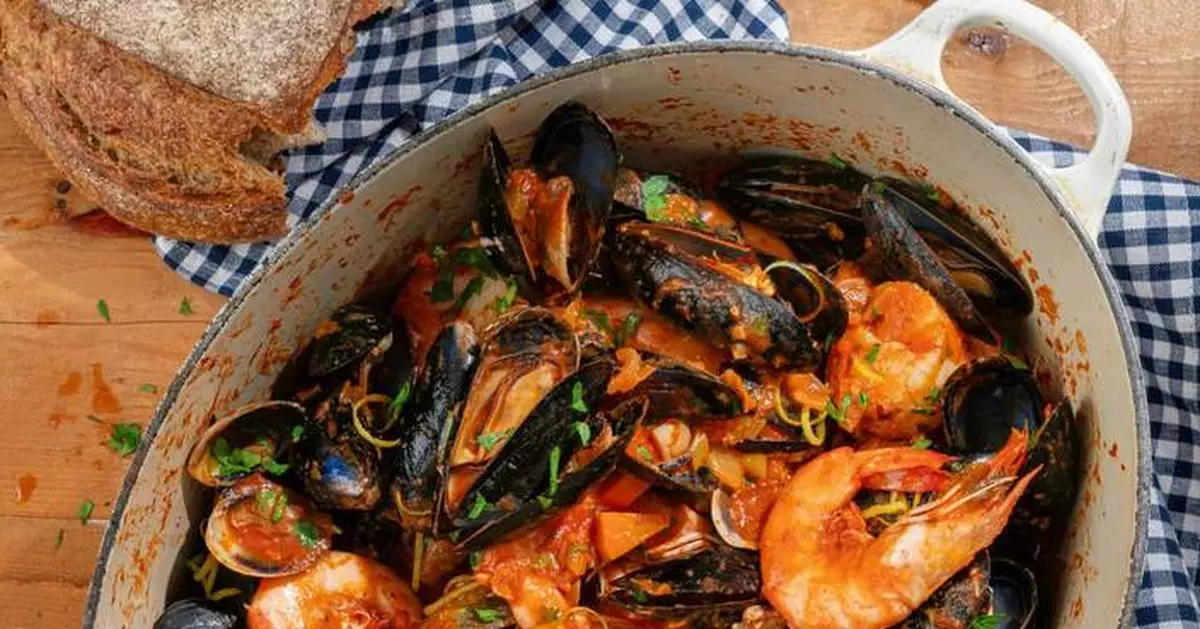
And out of them all, this Kimchi Seafood Pot is my mom’s favorite. I made it for her once just for fun, and now she asks me to make it all the time. It’s all about seafood in tomato sauce punched up with kimchi and fish sauce, like a Korean cioppino.
Tomato passata is essentially tomato puree. If you’re shopping for canned tomato products and see a 24-ounce jar of tomato passata, that’s perfect. I prefer it over chunky canned tomatoes for this recipe because the silky-smooth tomato texture is better for coating the seafood. If all you have is canned tomatoes, puree them in the blender first.
The specific seafood is less important than using the highest quality you can find. If the best thing in your area is clams and shrimp, and scallops are insanely expensive, go with those two and use more of them to make up the difference. Or use calamari or pieces of white fish fillets in place of the scallops, adding them at the end so they don’t overcook. I love serving this with torn pieces of crusty bread for dipping directly into the pot, though I have also served it happily with pasta or rice.
SEAFOOD:
2 pounds mussels
1 pound cockles (or clams) or more mussels
All-purpose flour
Kosher salt
8 ounces jumbo or large shrimp (about 8)
8 ounces bay or sea scallops
SAUCE:
Vegetable oil
½ cup finely diced carrot
½ cup finely diced shallots
½ cup finely diced celery
1½ tablespoons minced garlic
2 scallions, white and green parts separated and thinly sliced crosswise
¼ cup chopped fresh flat-leaf parsley, plus more for garnish
1 teaspoon kosher salt
½ cup chopped kimchi
1 tablespoon gochujang
½ cup white wine
3 cups (24 ounces) tomato passata (see headnote)
1 tablespoon fish sauce
½ teaspoon red pepper flakes
TO SERVE:
1 lemon
1 loaf good crusty bread
Prep the seafood: If attached, pull the beards (the hairy bits near the joint) off the mussels. Scrub each well and drain, discarding any mussels that aren’t firmly closed. Put the mussels in a bowl, cover with a cool, damp kitchen towel and refrigerate.
Put the cockles in a bowl with a pinch of flour and pinch of salt. Cover with cold water and let sit for 10 to 15 minutes while preparing the rest of the seafood. Drain the cockles, discarding any sand and grit at the bottom of the bowl and discard any that aren’t firmly closed. Cover the bowl with a cool, damp kitchen towel and refrigerate.
For each shrimp, cut along the backbone and devein, leaving the shell and tails attached (though if you don’t like peeling shrimp as you eat, remove the shell). For each scallop, peel off the small piece of muscle, if attached. If using scallops that are very large (like some sea scallops), halve them first so they cook evenly in the center at the same time as the shrimp.
Make the sauce: Heat 1 tablespoon oil in a large Dutch oven or pot over medium-high heat. Add the carrot, shallots, and celery and cook, lowering the heat to medium if needed to prevent scorching and stirring often, until the shallots begin to soften, 2 to 3 minutes. Stir in the garlic, scallion whites, and parsley and cook until very fragrant, about 1 more minute. Stir in the salt and kimchi and cook until the kimchi begins to soften, about 2 minutes.
Stir in the gochujang, ensuring it is evenly dispersed, then pour in the wine. Increase the heat to medium-high and let the wine reduce by half. Stir in the tomato passata, fish sauce and red pepper flakes.
Cook the seafood: Stir the mussels and cockles into the pot and bring to a simmer. Cover and cook until the mussels and cockles have opened up, about 5 minutes; discard any that have not opened up. Stir in the shrimp and scallops, then cook uncovered, stirring often, until the rest of the seafood is cooked through, 2 to 3 minutes longer.
To serve: Using a Microplane rasp, grate the zest of the lemon into the pot. Cut the lemon in half and squeeze the juice from one half into the pot. Stir, then taste and add more lemon juice if you want. Garnish with the scallion greens and some parsley and serve immediately with crusty bread. This recipe is best as soon as it’s made.
Esther Choi is a chef, entrepreneur and TV personality. She is the author of “Hand Taste,” and owner of Mokbar (with locations ranging from New York City to Las Vegas) and Ms. Yoo, a Korean-style gastropub in Manhattan. Choi is the co-host of the Food Network’s “24 in 24” and the host of “Heat Eaters,” by “First We Feast.” Choi has been a finalist on “Iron Chef: Quest for an Iron Legend.” She lives in New York City with her husband and son.
Excerpted from “Hand Taste” byEsther Choi. Copyright (copyright) 2026 by Esther Choi. Used with permission of Voracious, an imprint of Little, Brown and Company, New York, NY. All rights reserved.
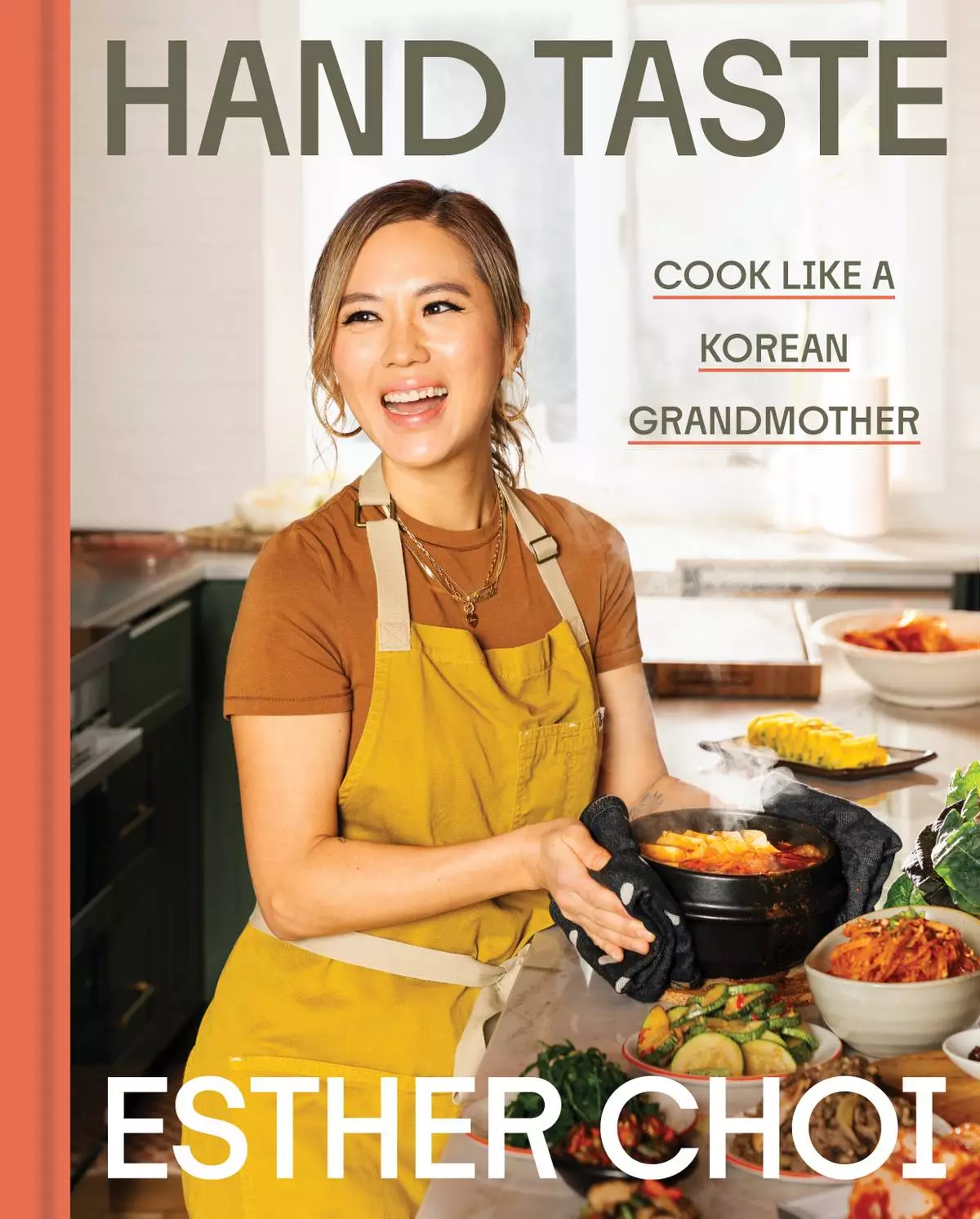
This image released by Voracious shows the cookbook "Hand Taste" by Esther Choi. (Voracious via AP)
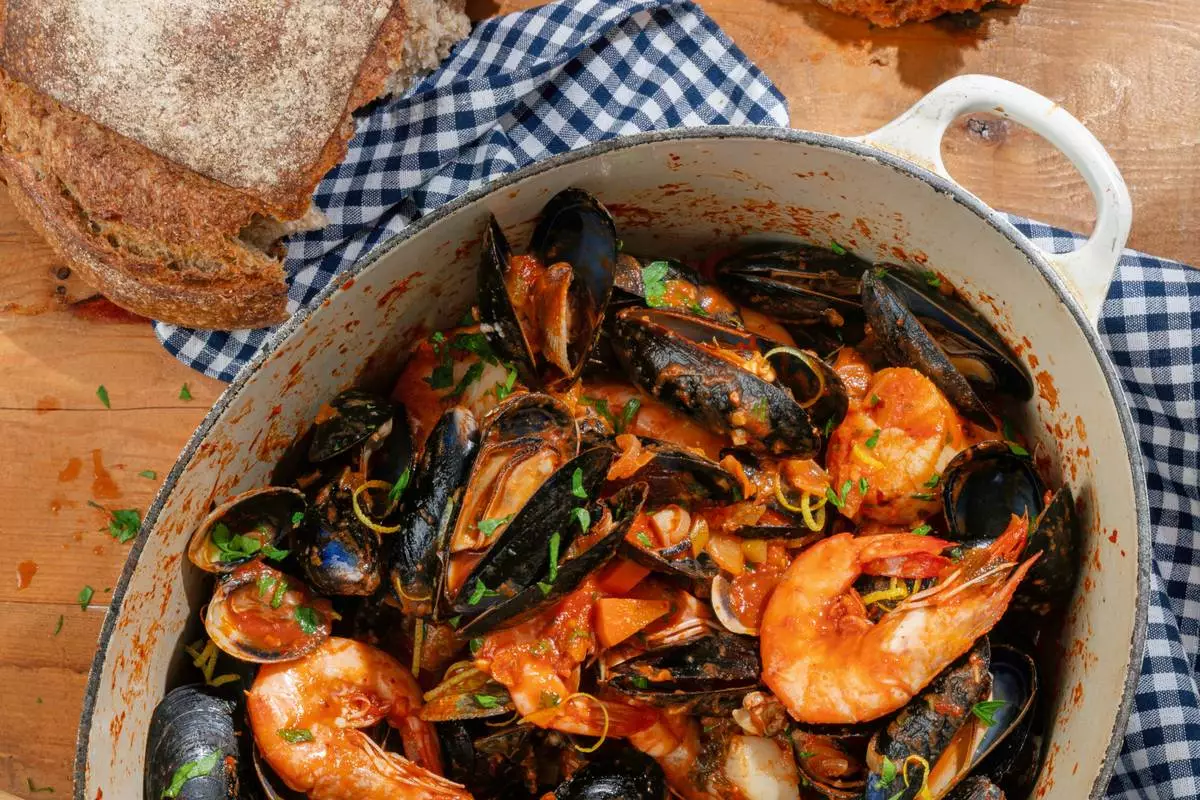
This image released by Voracious shows a recipe for a kimchi seafood pot from the cookbook "Hand Taste" by Esther Choi. (Janice Chung/Voracious via AP)
BUENOS AIRES, Argentina (AP) — Brazilian voters have denied Latin America’s resurgent right its ultimate prize, snapping a streak of seven straight conservative presidential victories in 18 months.
The stunning triumph of President Luiz Inácio Lula da Silva over Flávio Bolsonaro on Sunday, with 51.8% of the vote to 48.2%, limits U.S. President Donald Trump’s drive to tighten his grip on the Western Hemisphere and cements Latin America’s most populous country and largest economy as a counterweight to Washington. A Bolsonaro victory would have left Mexico’s Claudia Sheinbaum as the only progressive president among the region’s powerhouses.
More broadly, Brazil’s vote — held the same day Serbia’s opposition scored a stunning win — opened a stretch of high-stakes elections that could reshape global politics, with Israel on Tuesday holding its first national election since the Oct. 7, 2023, Hamas attack and the U.S. midterms on Nov. 3.
For the Trump administration, which has wielded punishing tariffs, severe sanctions and military force to reassert its dominance in the region, Lula’s victory complicates its campaign to enlist Brazil in its military coalition against cartels and to gain preferential access to the country’s critical minerals, analysts say.
By Monday morning, with his ally Flávio Bolsonaro refusing to concede and calling for the result to be annulled, Trump had yet to publicly acknowledge Lula’s reelection, even as congratulations poured in from Brazil's allies and rivals around the world.
Yet both sides see reasons to cooperate. Washington wants access to Brazil’s vast trove of rare earths to reduce its defense industry’s reliance on China. Lula wants foreign investment and tariff relief for Brazilian exporters.
“Lula is pragmatic enough to work out some kind of modus operandi with the Trump administration,” said Will Freeman, a fellow for Latin America studies at the Council on Foreign Relations, adding that the Bolsonaros’ allies in Washington would likely lose sway after the family’s second electoral defeat. Flávio’s father, former President Jair Bolsonaro, lost to Lula in 2022.
“I’m not sure anyone in the Trump administration, beyond a few individuals, will want to keep making the Bolsonaros the central issue in the U.S.-Brazil relationship,” he said.
Across much of Latin America, voters fed up with rising crime have rewarded presidential candidates promising to restore order. From Peru’s Keiko Fujimori to Colombia’s Abelardo de la Espriella and Chile’s José Antonio Kast, newly elected conservatives have courted Trump while taking their cues from El Salvador’s President Nayib Bukele, whose sweeping gang crackdown has sharply reduced homicides at the cost of mass arrests and suspended civil liberties.
Trump has reinforced that shift with electoral endorsements, financial bailouts and pledges of military aid.
“The U.S. is certainly putting its finger on the scale to try to help the more hard-line right-wing elements in the region,” said Kenneth Roberts, a professor of government at Cornell University.
Brazil would have been Washington’s most consequential addition. Bolsonaro had promised to join the U.S.-led security coalition “with great enthusiasm and great honor,” making his alliance with Trump part of his pitch to voters.
Lula, by contrast, has championed Brazil’s long tradition of nonalignment, cultivating ties with competing powers. His government deepened trade ties with China and sought greater global influence through BRICS, a group of emerging economies.
Trump’s heavy-handed support for the Bolsonaros played into that message. The double-digit tariffs he imposed on a range of Brazilian goods to punish Brazil for prosecuting former President Jair Bolsonaro over a coup plot to oust Lula stirred a nationalist backlash that the leftist leader channeled into the rallying cry “Brazil belongs to Brazilians.”
“To the extent that the regional superpower becomes a threat to Brazil’s democratic institutions, defending Brazilian national sovereignty also becomes a form of defending Brazilian democracy,” Roberts said.
In his victory speech late Sunday, Lula described the outcome as “a demonstration that this country does not accept being anyone’s backyard.”
Brazil resisted joining the Shield of the Americas, a U.S.-led military coalition targeting cartels.
When Washington in May designated Brazil’s two largest criminal factions, the First Capital Command and the Red Command, as terrorist organizations, Lula warned the labels could become a pretext for American intervention.
Countries along the main northbound cocaine and migrant routes, many of them heavily dependent on the U.S. market, have been more accommodating. In Ecuador, U.S. troops have joined local police in raids targeting suspected drug networks across the coastal lowlands. Honduras, Guatemala and Colombia have also agreed to joint military operations, U.S. Defense Secretary Pete Hegseth says, though Guatemala’s government has denied it.
“Brazil is not Honduras. It’s a large country with a very independent history and a military that would not look kindly upon foreign troops in its own territory,” said Brian Winter, a veteran Latin America analyst and editor-in-chief of Americas Quarterly, a policy journal. “The Trump administration will have to walk a certain line here.”
On critical minerals, Lula wants Brazil to control its resources and preserve its freedom to sell beyond the U.S.
Brazil holds the world’s second-largest known reserves of rare earths, used in powerful magnets for guided missiles, smartphones, wind turbines and electric vehicles.
Last month, USA Rare Earth, in which the U.S. government holds a stake, completed its $2.8 billion takeover of Serra Verde, the Brazilian firm that owns one of the few mines outside of Asia producing all four rare earths needed for those magnets. Alarmed by the expanding U.S. role, Lula’s administration fast-tracked legislation tightening oversight of critical minerals.
“Revisiting the Serra Verde–USA Rare Earth deal may not be the first thing that Lula does when he’s reelected, but it’s on his radar,” said Monica de Bolle, a senior fellow at the Peterson Institute for International Economics.
Brazil also produces about 90% of the world’s niobium, a critical element for jet, rocket engines and other military hardware, according to the U.S. Geological Survey. Any Brazilian export restrictions could disrupt supply chains for U.S. defense manufacturers.
“Brazil has leverage,” de Bolle said. “With Lula, the U.S. is on shakier ground.”
For all his defiant public statements, Lula has sought peace with Trump. His White House visit in May to discuss trade, organized crime and critical minerals undercut the Bolsonaros’ claim that only they could deal with Washington.
More bargaining with Trump surely lies ahead over tariffs and with Brazil's Congress, where conservatives expanded their ranks in the Oct. 4 elections, depriving Lula of the backing he needs to institute meaningful reforms. After three previous terms, Lula confronts voters impatient for safer streets and relief from the high cost of living.
“Lula has his hands tied,” said Guilherme Casarões, an associate professor of Brazilian studies at Florida International University. “Pretty much everything he has tried to do has been blocked in Congress.”
Across Latin America, coalitions that united against a common opponent have often splintered as the realities of governing set in. Trump’s new allies are already losing support in Chile, Bolivia and Peru, suggesting the region’s rightward turn may be less durable than it appears. Lula bucked the anti-incumbent trend, but his support could evaporate quickly as he bargains with opponents — in Congress and beyond Brazil’s borders — to deliver the results voters expect.
Associated Press writer Mauricio Savarese in Sao Paulo contributed to this report.
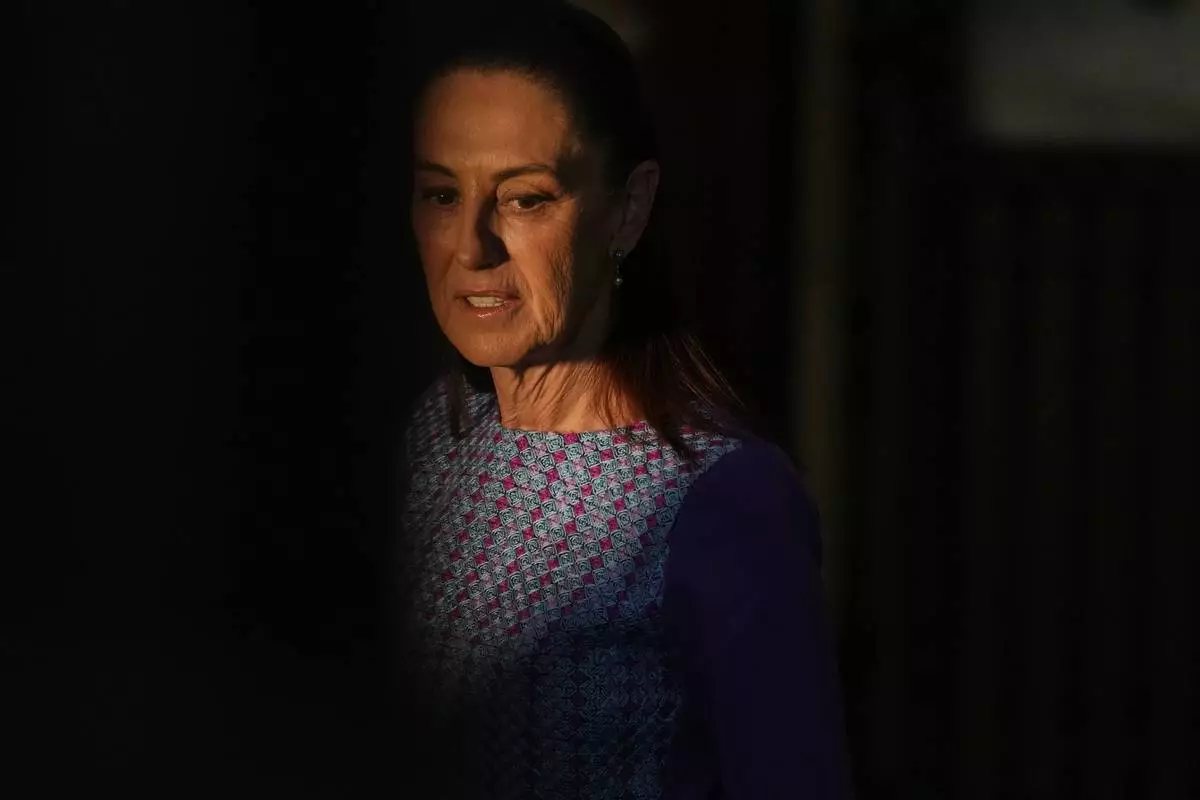
FILE - Mexican President Claudia Sheinbaum arrives at the National Palace to give her daily morning press conference in Mexico City, April 30, 2026. (AP Photo/Fernando Llano, File)
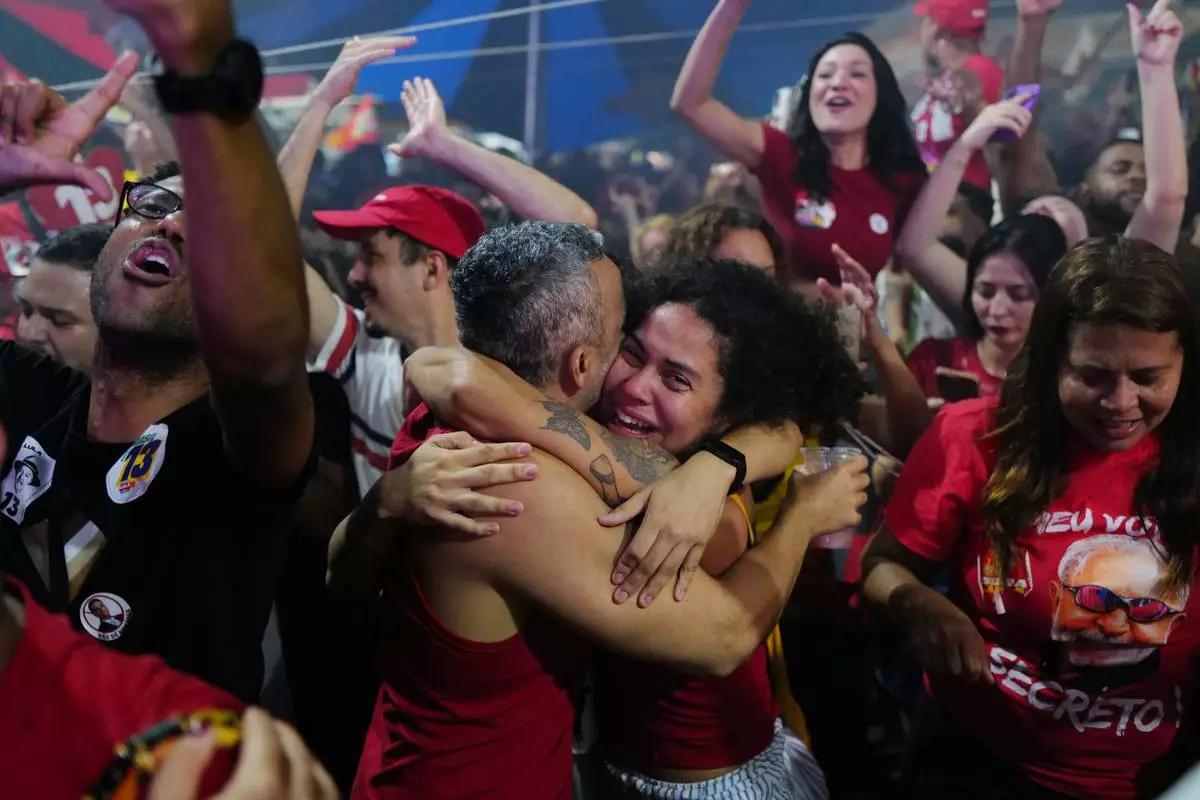
Supporters of President Luiz Inacio Lula da Silva celebrate after he won the presidential runoff in Rio de Janeiro, Sunday, Oct. 25, 2026. (AP Photo/Lucas Landau)
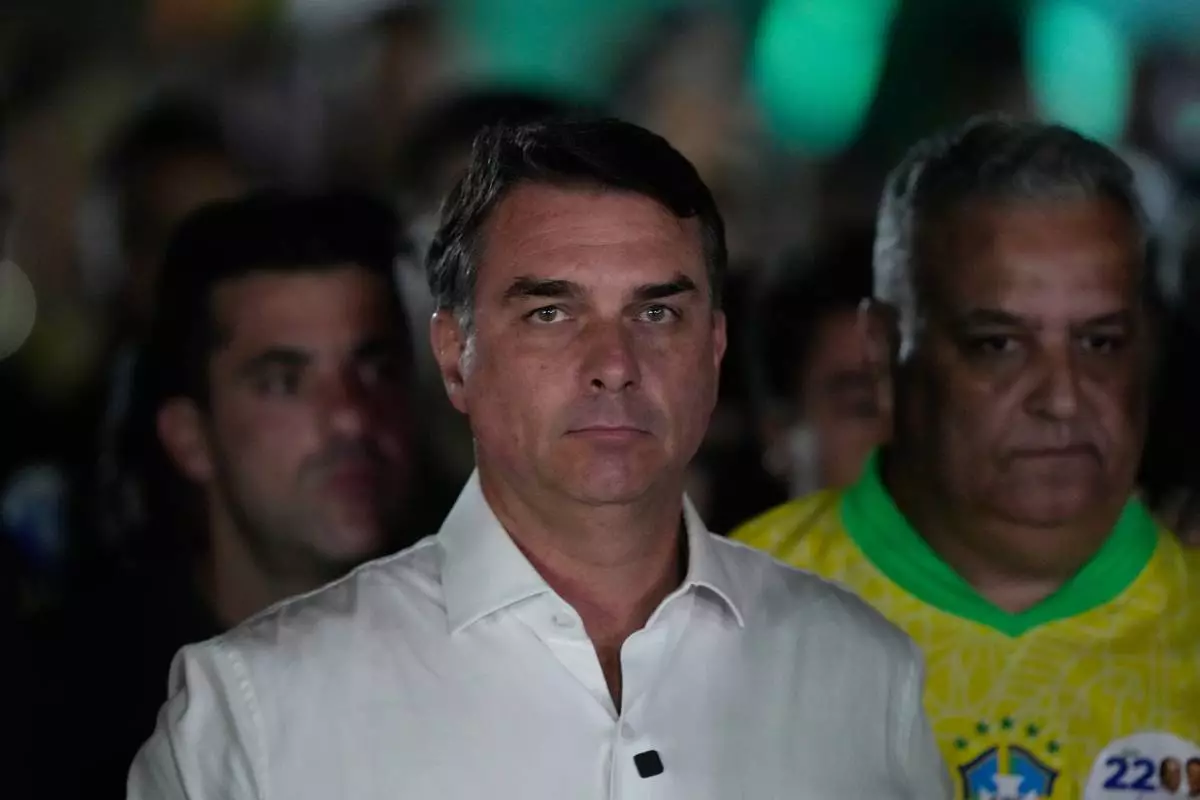
Opposition presidential candidate Sen. Flavio Bolsonaro arrives at his election night event after the presidential runoff in Brasilia, Brazil, Sunday, Oct. 25, 2026.(AP Photo/Eraldo Peres)
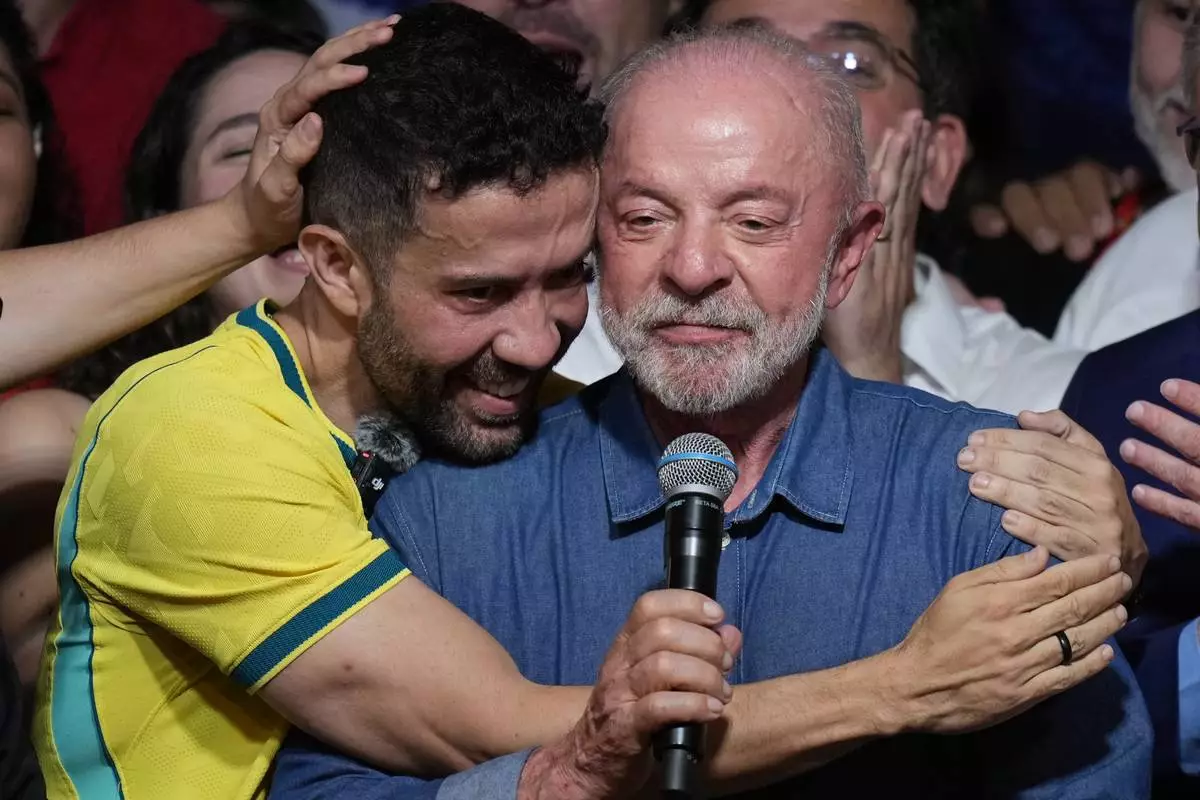
Brazilian lawmaker Andre Janones embraces President Luiz Inacio Lula da Silva as he delivers a victory speech after winning a fourth term in the presidential runoff in , Brazil, Sunday, Oct. 25, 2026.(AP Photo/Andre Penner)
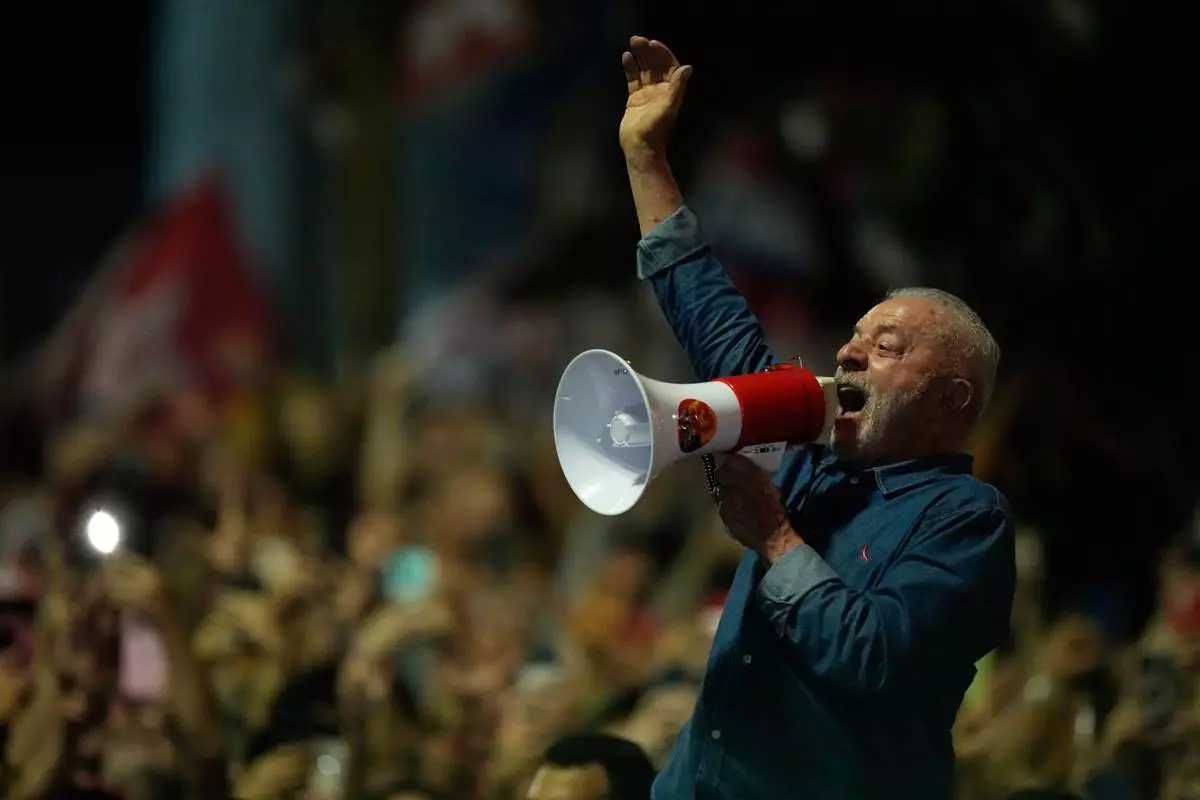
President Luiz Inacio Lula da Silva addresses supporters during a victory rally after winning a fourth term in the presidential runoff on Paulista Avenue in Sao Paulo, Brazil, Sunday, Oct. 25, 2026. (AP Photo/Natacha Pisarenko)